



Antique Ottoman Rug
When you search for an antique ottoman rug, you are looking at centuries of Anatolian weaving tradition expressed through rich pile and flatweave textile forms.
Antique Ottoman Rug
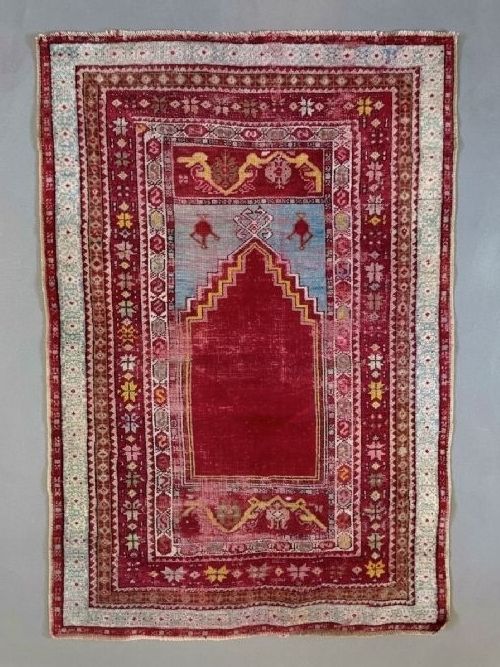
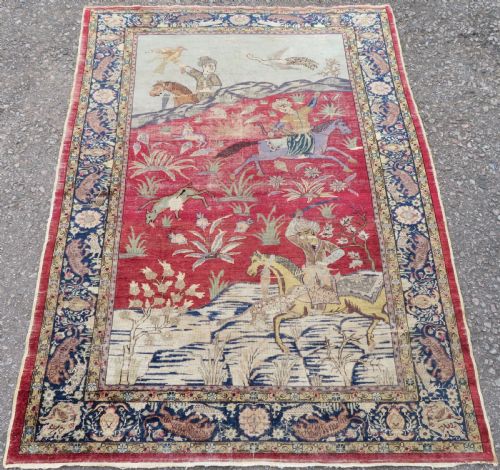
An antique ottoman rug encompasses a range of woven textiles originating from Turkey and the wider Anatolian region, spanning periods from the eighteenth century through to the early twentieth century. These pieces include large decorative carpets, village kilims, and specific formats such as mihrab-bearing prayer rugs designed for devotion.
The most common examples encountered on this page belong to nineteenth-century production, frequently taking the form of Ushak carpets or regional prayer rugs attributed to Ghiordes, Ladik, and Milas. Buyers will also find specialised items such as embroidered fragments and silk pieces from Kayseri and Bursa.
How they were made
Weavers constructed these textiles primarily using hand-spun wool for the pile, foundation yarns of cotton or wool, and occasionally luxurious additions of silk or metallic thread. Natural dyes provided the palette, yielding deep blues, reds, and soft pastels that settled into harmonious tones over decades of exposure and use.
Techniques varied from knotted pile construction found in heavy floor carpets and prayer rugs to flatwoven kilim structures and delicate needlework embroidery. Workshops and village looms utilised vertical frames where knotting and weaving proceeded row by row, guided by traditional regional patterns and prayer arch layouts.
Listings feature pieces spanning the eighteenth century through to the 1920s, employing materials including wool, silk, cotton, and metallic thread.
What varies in quality
Quality in these textiles depends heavily on the crispness of the drawing, the saturation and harmony of the natural dyes, and the density of the knotting or weave. Finer examples display meticulous attention to border details and mihrab proportions, whereas simpler village pieces show broader, more rustic interpretations of traditional motifs.
The condition of the pile and the integrity of the original foundational structure also dictate the standing of a piece. Retaining full original borders and uncompromised selvedges elevates a textile above examples that have undergone extensive structural intervention or heavy pile loss.
The Antique Ottoman Rug Glossary
- Prayer rug
- A small textile featuring a mihrab or niche design, historically utilised to indicate the direction of prayer.
- Kilim
- A flatwoven textile produced by tightly interweaving warp and weft strands without creating a pile, often featuring geometric patterns.
- Oushak
- A style of large decorative carpet originating from the town of Ushak in western Anatolia, known for soft pastel dyes and large-scale floral motifs.
- Mihrab
- The arched niche depicted on prayer rugs that represents the direction towards Mecca.
- Yastic
- A small Turkish cushion cover or pillow rug, typically woven in village workshops during the nineteenth century.
Antique Ottoman Rug: Frequently Asked Questions
What is an antique ottoman rug?
An antique ottoman rug is a hand-woven textile originating from Anatolia and the former Ottoman Empire, produced primarily during the eighteenth and nineteenth centuries.
These pieces encompass utilitarian floor carpets, finely knotted prayer rugs, and flatwoven kilims made from wool, cotton, or silk using traditional natural dyes.
How were these rugs used originally?
Historically, these textiles served multiple functions within homes, mosques, and administrative buildings across the Ottoman sphere. Large carpets covered stone or timber floors for warmth and decoration, while specialised prayer rugs provided a clean, portable surface for daily devotions.
Smaller formats such as yastics functioned as cushion covers or decorative bolsters within traditional domestic interiors.
How do I care for an antique rug?
Living with these textiles requires gentle maintenance, primarily consisting of regular, careful vacuuming without a rotating brush bar to protect fragile wool and silk pile. Keeping them out of direct sunlight prevents the natural dyes from fading prematurely.
Professional cleaning by a specialist familiar with antique textiles is recommended when deep maintenance becomes necessary.
How do I identify different regional types?
Regional attribution relies on examining structural characteristics, palette choices, and specific border motifs unique to weaving centres such as Ghiordes, Ladik, Ushak, or Milas. For instance, prayer rugs often feature distinct arch shapes and floral fills that point to specific Anatolian towns.
Material composition, including the use of silk in Kayseri or heavy wool in village kilims, also aids in separating types.