

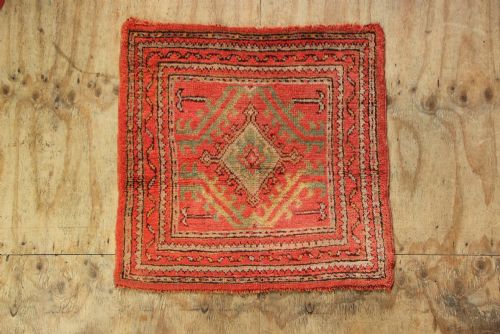


Red Wool Anatolian Carpet
When you search for a red wool anatolian carpet, you are looking at woven textile heritage spanning centuries of regional village and town production.
Red Wool Anatolian Carpet
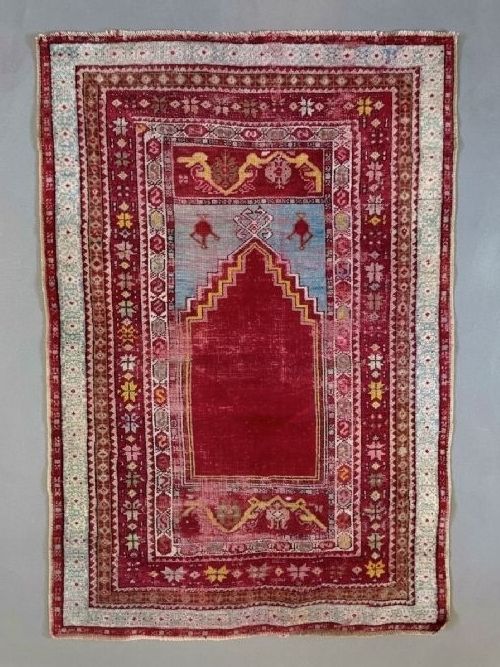
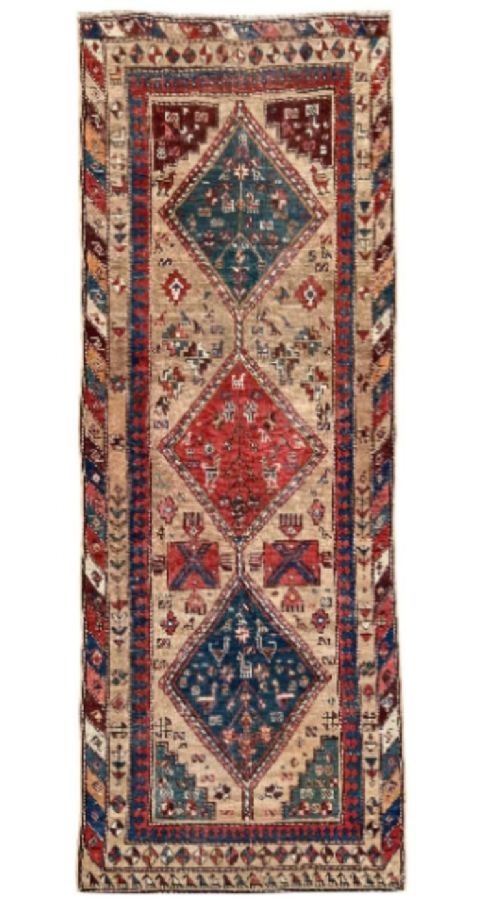
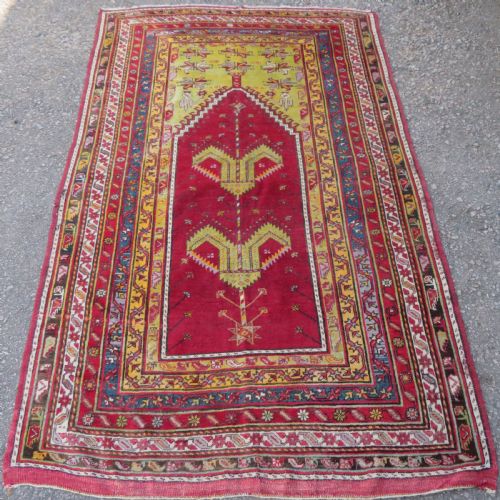
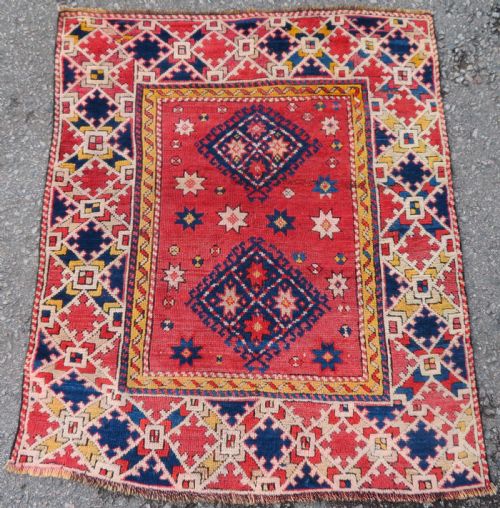
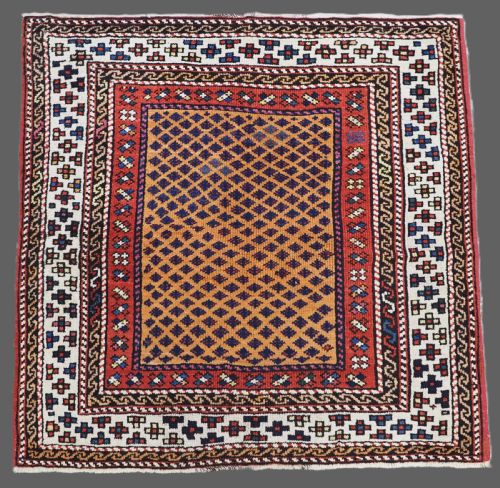
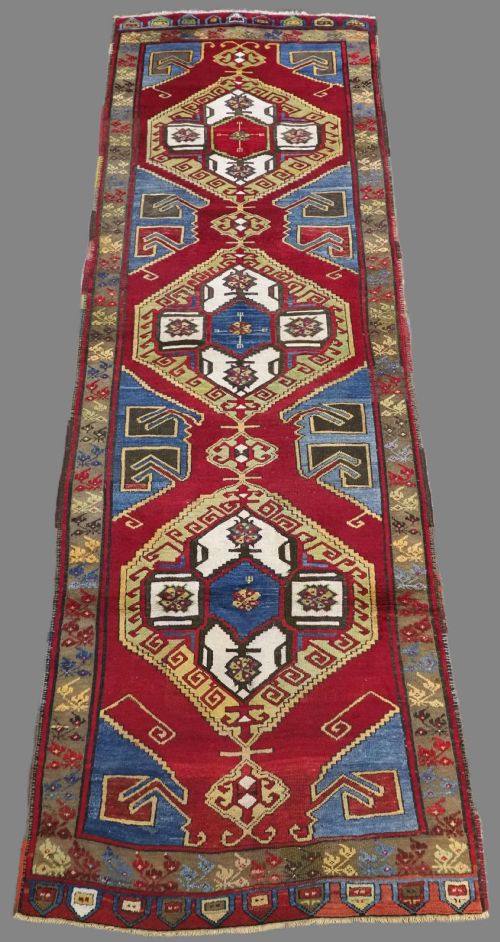
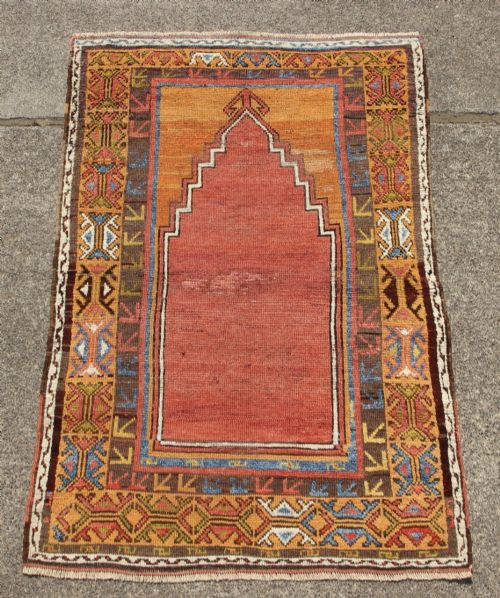
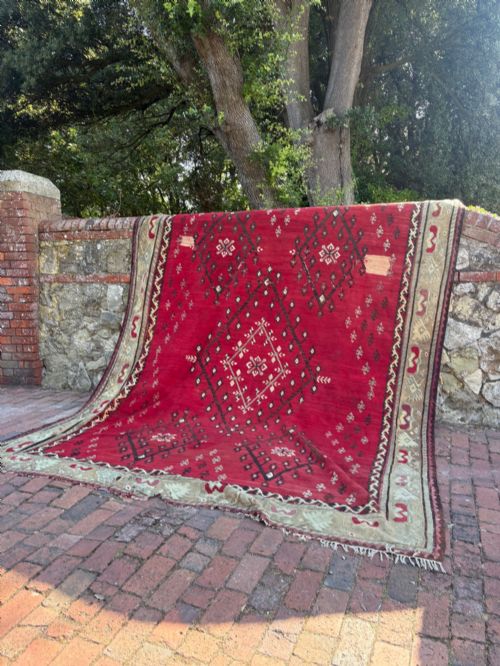
A red wool anatolian carpet encompasses various formats including large carpets, scatter rugs, long runners, and flatweave kilims produced across Anatolia. Pieces frequently take the form of prayer rugs featuring specific architectural mihrab designs or village rugs displaying traditional geometric and medallion motifs.
The selection ranges from nineteenth-century village pieces to early twentieth-century examples originating from traditional weaving centres such as Konya, Bergama, Ushak, and Melas. Buyers encounter formats varying from compact square sizes and narrow runners to large room-sized carpets and functional floor cushions.
How They Were Made
These textiles rely principally on wool and hand-spun wool foundations paired with cotton elements, knotted or flatwoven by hand across traditional regional workshops and nomadic camps. Artisans utilised natural dyes to achieve deep red colourways alongside contrasting secondary tones within the pile and flatweave structures.
Weavers constructed pieces using structural techniques particular to their districts, such as the double-part weaving seen in specific regional kilims or the durable pile knots characteristic of classical village carpets.
Listings feature pieces spanning the eighteenth century through to the 1930s, utilising wool, cotton, and hand-spun wool.
What Varies in Quality
The distinction between tiers rests upon the handled quality of the hand-spun wool, the depth and complexity of the natural dye palette, and the precision of the tribal or town motifs. Early examples displaying crisp structural integrity and balanced proportions command greater attention from collectors than later, simpler village utility pieces.
Condition plays a part, distinguishing pristine surfaces from those bearing historical repairs or regional wear, while the sophistication of traditional regional designs dictates the overall character of the weaving.
Kirsehir·Bergama·Konya·Oushak·Ghiordes
The Red Wool Anatolian Carpet Glossary
- Prayer rug
- A textile featuring a distinct architectural mihrab arch design traditionally oriented towards Mecca during daily prayers.
- Kilim
- A flatweave textile produced without a pile by tightly interweaving warp and weft strands to create geometric patterns.
- Runner
- A long, narrow carpet format designed specifically for hallways, corridors, or narrow floor spaces.
- Natural dyes
- Colourants derived from organic sources such as plants and minerals, utilised historically before the advent of synthetic alternatives.
- Medallion
- A central ornamental design motif placed symmetrically in the field of a carpet or rug.
Red Wool Anatolian Carpet: Frequently Asked Questions
How do I identify a prayer rug?
Prayer rugs feature a prominent pointed arch, known as a mihrab, at one end of the field. This architectural motif traditionally directed the user towards Mecca.
Such formats usually measure in smaller dimensions suited for individual ritual use rather than large floor covering.
Where were these carpets woven?
Production took place across various regions of Anatolia, encompassing urban workshops, rural villages, and nomadic tribal camps. Different districts like Ushak, Bergama, and Konya developed distinct design vocabularies.
Local materials and specific regional weaving traditions directly influenced the appearance of each piece.
Are these made with natural dyes?
Many historical examples utilise natural dye sources derived from local plants, roots, and minerals. These colourants produce rich, nuanced tones that age with considerable depth.
Later pieces may incorporate alternative dye technologies introduced during the industrial transition of the nineteenth and twentieth centuries.
How should I care for a vintage wool rug?
Regular gentle vacuuming without a rotating brush helps remove embedded dust from the wool pile. Professional cleaning tailored to antique textiles ensures the preservation of natural fibres and dyes.
Keeping the carpet out of direct, harsh sunlight prevents premature fading of the red wool grounds.