
Antique Ottoman Bench
An antique ottoman bench provides flexible seating and subtle storage, bringing tactile presence and period character into a modern room.
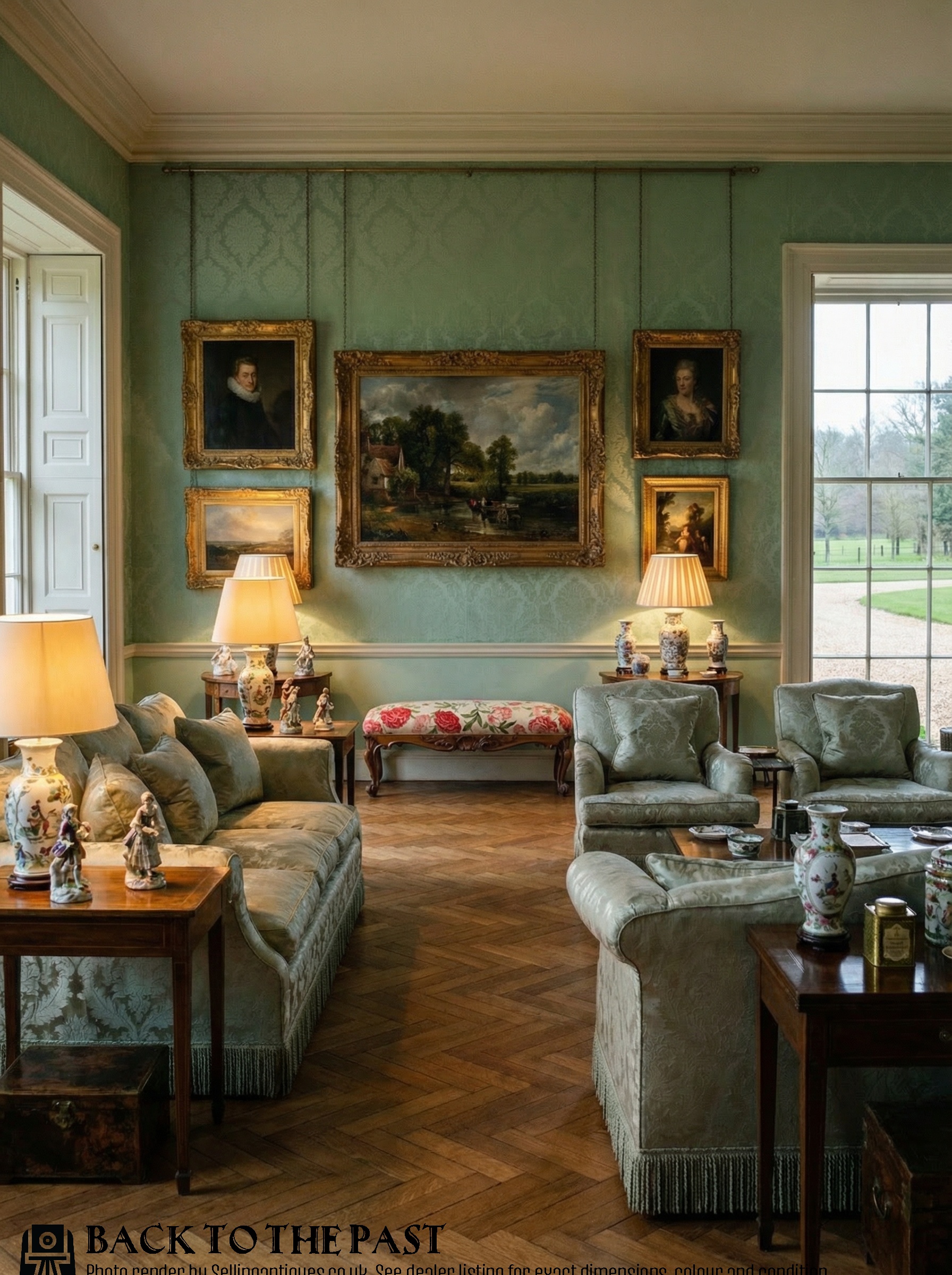
What an antique ottoman bench is
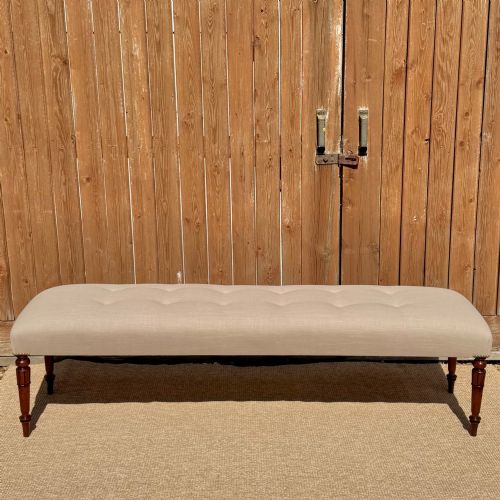
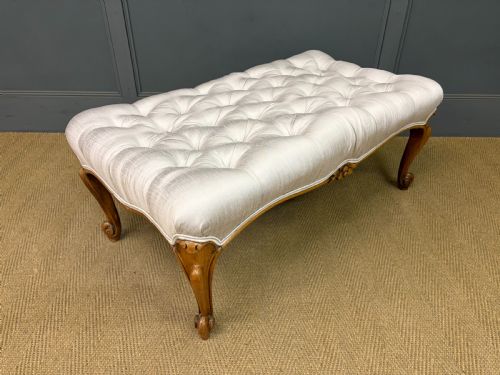
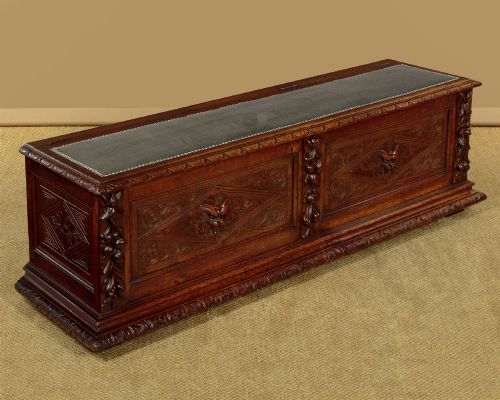
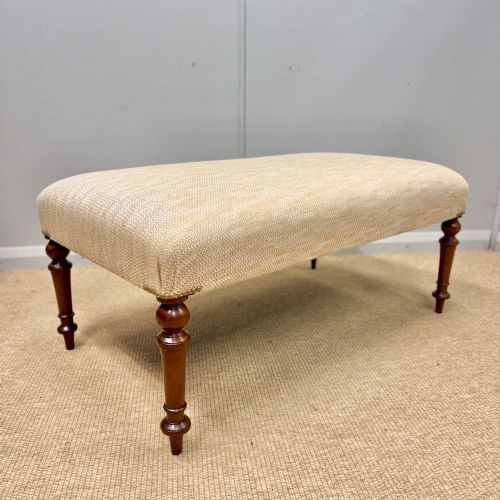
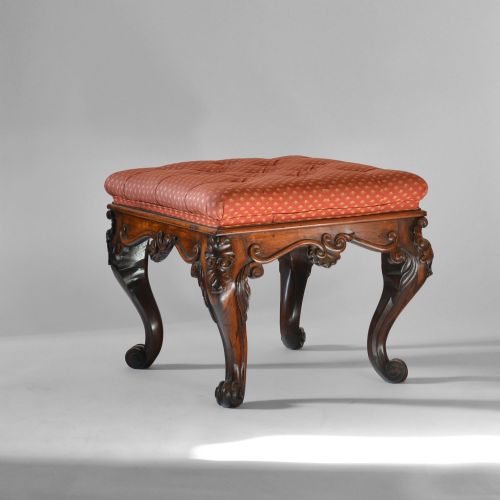
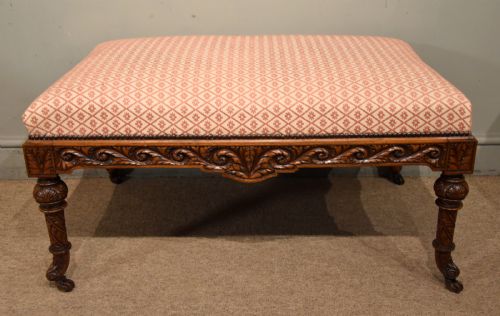
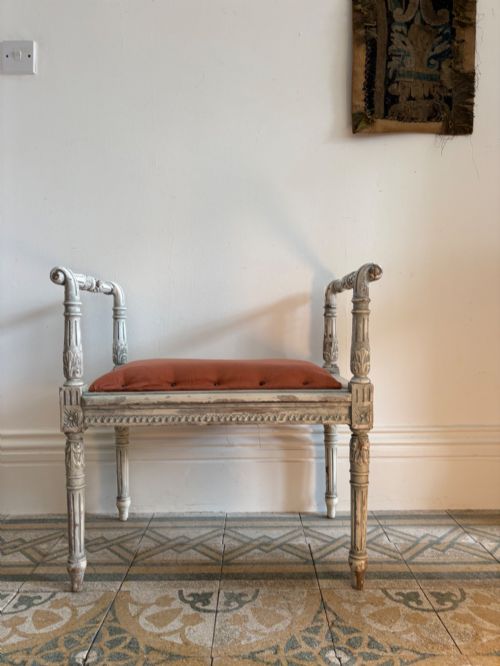
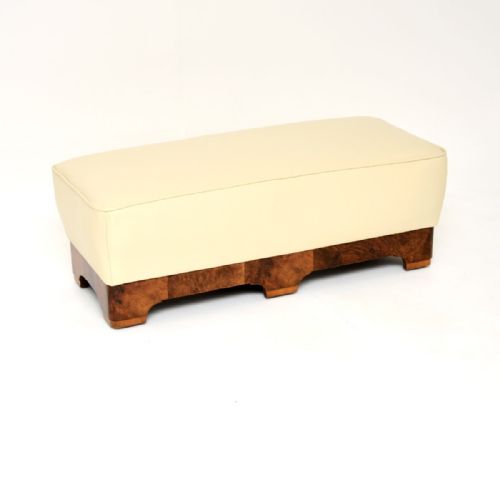
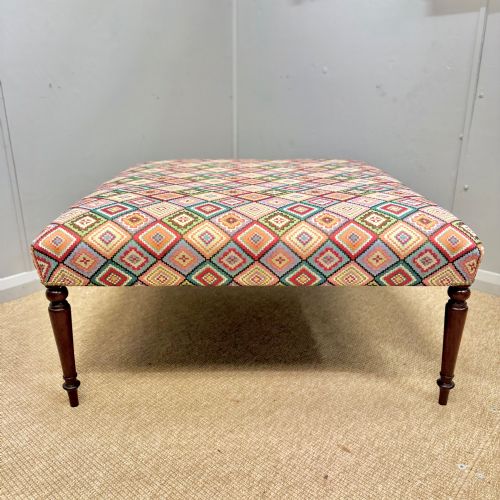
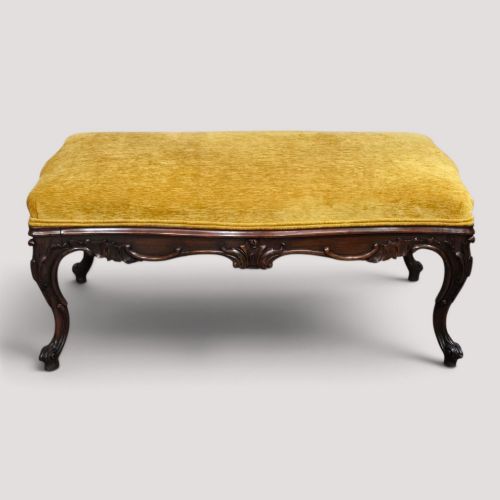
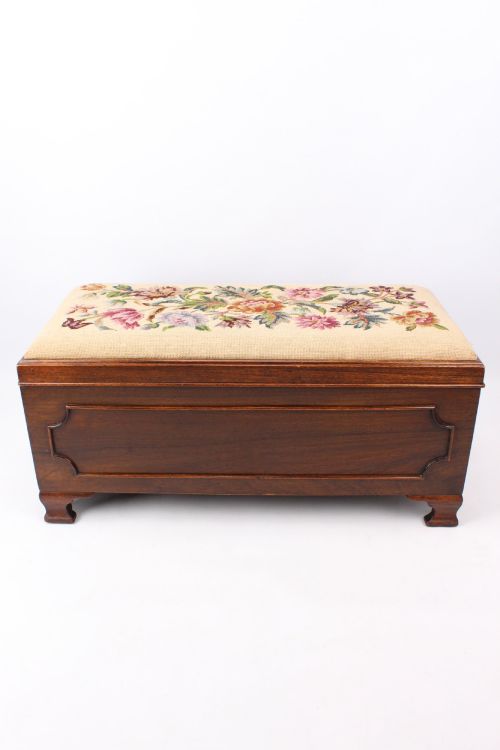
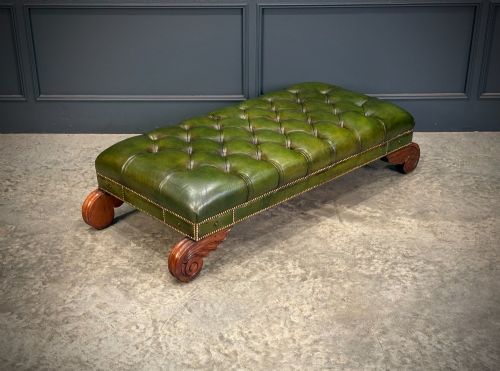
An antique ottoman bench combines upholstered comfort with practical utility, appearing in forms such as long window seats, large storage trunks, and generous footstools. These pieces serve multiple roles within a traditional interior, functioning equally well at the foot of a bed or beneath a casement window.
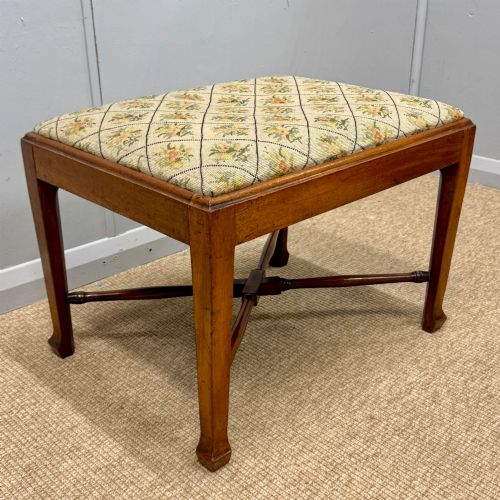
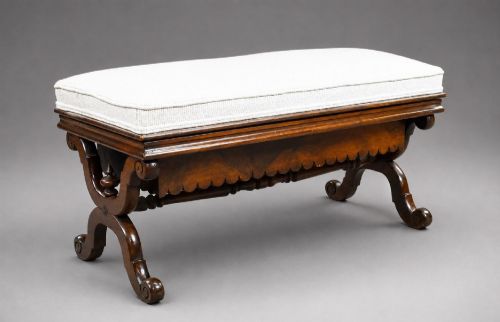
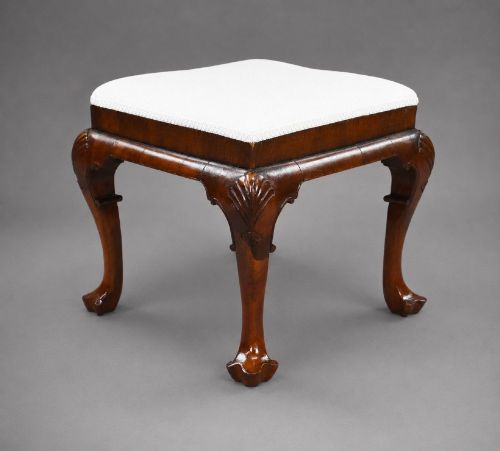
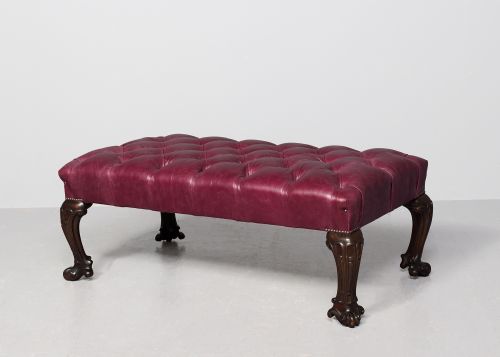
The pieces listed on this page span the nineteenth century, with Victorian examples and earlier Regency forms dominating the selection. Walnut, mahogany, oak, and rosewood provide the structural timbers, whilst textiles range from antique tapestry and kilim to modern designer fabrics like Robert Kime.
Makers and workshops of the period produced varied regional styles, from English country house storage ottomans to carved French Normandy window seats. Buyers encountering these pieces will find both simple domestic seating and grander revival designs reflecting changing nineteenth-century tastes.
What varies in quality
The standard of a piece rests heavily on the crispness of the timber carving and the architectural proportion of the frame. Heavy hardwoods like rosewood and walnut generally indicate a more ambitious commission than standard softwood framing.
The integrity of the upholstery foundation and the choice of covering fabric also dictate the standing of a piece. Original or sympathetic textile choices demonstrate greater respect for the historical character of the bench.
Retail Price Guide 2026
Typical UK retail prices for ottoman bench, calculated from the Sellingantiques database of over a million retail prices indexed since 2003. This retail price guide relies exclusively on Sellingantiques data; no external sources or auction records are used, so the figures do not describe the wider market.
The listings span the nineteenth century, featuring walnut, mahogany, and oak frames paired with velvet, tapestry, and kilim coverings.
Hallett And Sons
The Antique Ottoman Bench Glossary
- Regency
- A British architectural and decorative style spanning the early nineteenth century, known for classical restraint and elegant timber frames.
- Kilim
- A flatwoven textile often utilised as a durable and decorative upholstery covering for nineteenth-century footstools.
- Window seat
- A long, narrow bench designed specifically to fit within the recess of a casement window.
- Victorian Rococo Revival
- A mid-nineteenth-century style characterised by curved outlines, naturalistic floral carvings, and opulent woodwork.
Frequently Asked Questions
What is an antique ottoman bench used for?
These versatile furnishings serve primarily as supplemental seating, bedroom benches, or window seats. Many designs incorporate internal storage compartments suited for blankets and textiles.
In a modern interior, they function practically at the foot of a bed or within a hallway for putting on shoes.
Are these benches comfortable for daily use?
Most antique benches rely on traditional stuffing and sprung foundations that provide firm support. Because many pieces have been reupholstered over time, comfort levels often depend on the recent restorative work.
Buyers intending to use them daily should examine the firmness and depth of the current padding.
What woods were used for nineteenth-century stools?
Cabinetmakers utilised a variety of dense hardwoods depending on the region and the intended formality of the piece. Walnut, mahogany, rosewood, and oak appear frequently across nineteenth-century examples.
Show-wood frames were often polished to highlight the natural grain of the timber whilst concealed internal framing used utilitarian woods.