

Ornate Wall Mirror
An ornate wall mirror brings depth and historic character to a room, using carved frames and reflective glass to catch the light.
Ornate Wall Mirror
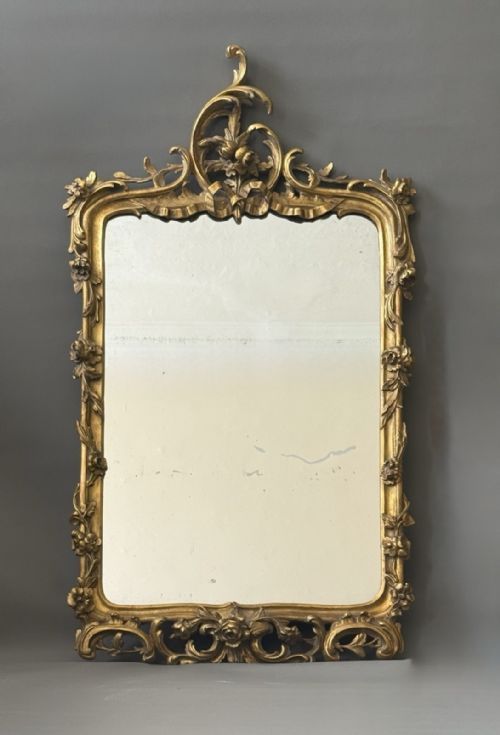
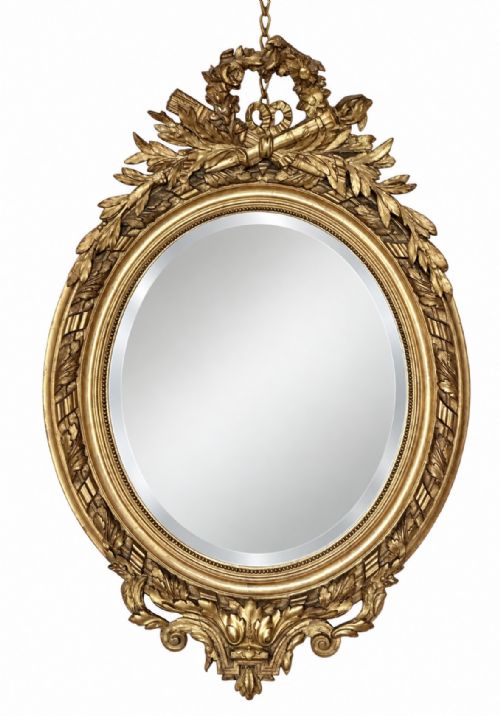
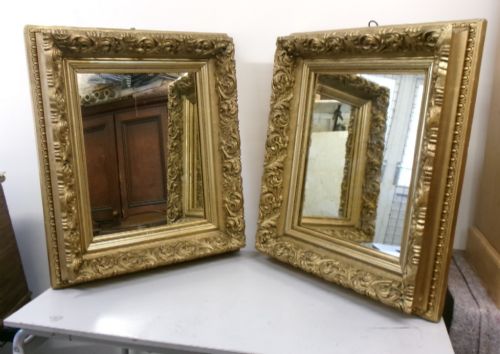
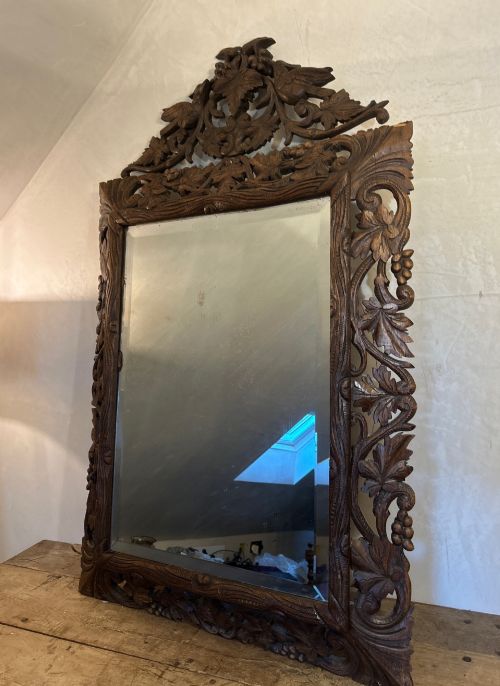
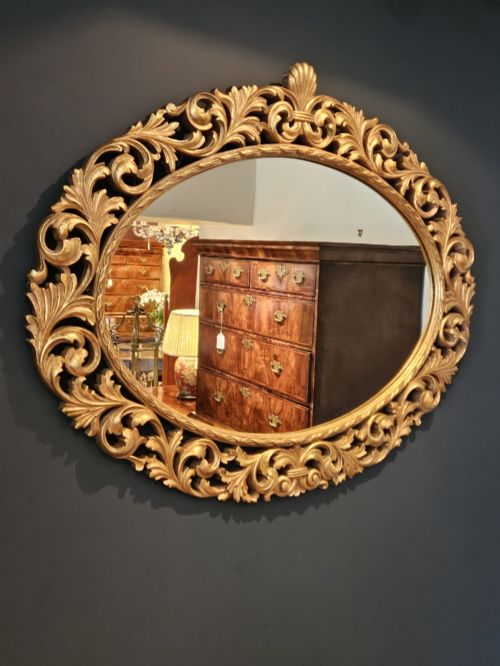
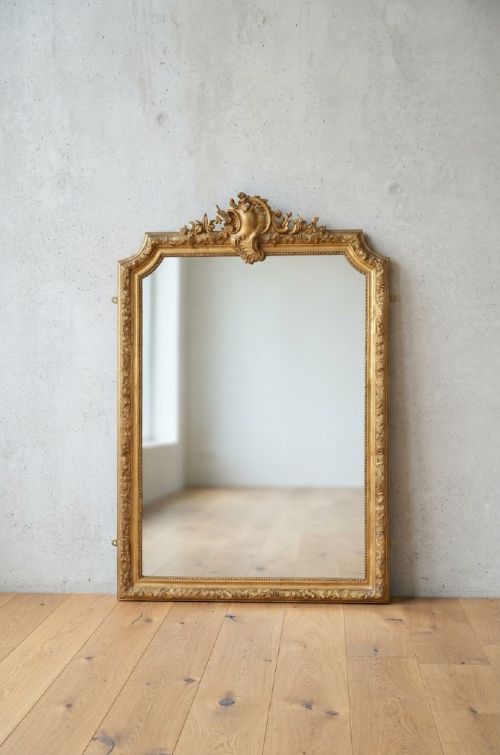
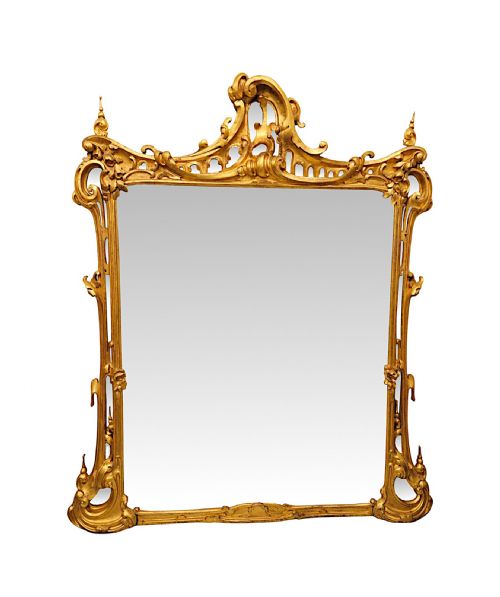
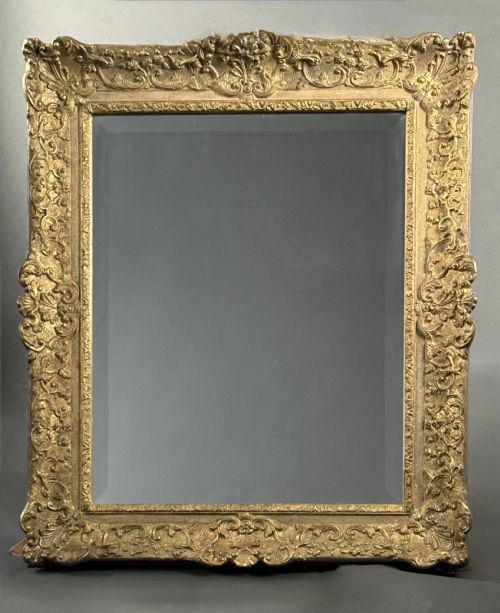
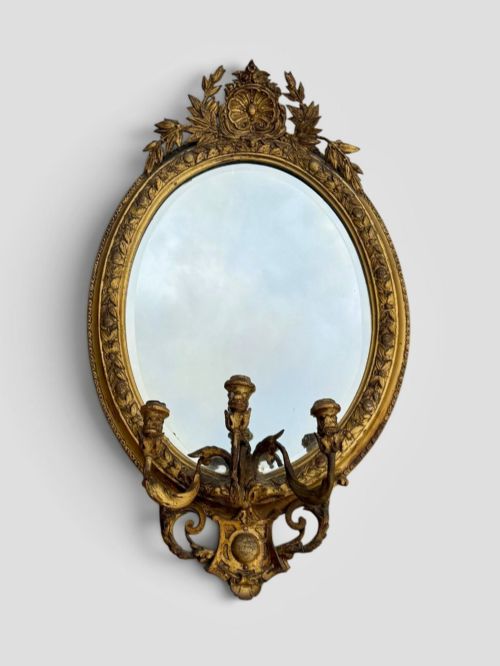
An ornate wall mirror combines reflective glass with decorative framing, spanning periods from the nineteenth century through to the early decades of the twentieth century. These pieces emerge in styles such as Rococo revival, Venetian, and Louis revival, originating from English, French, and Italian workshops.
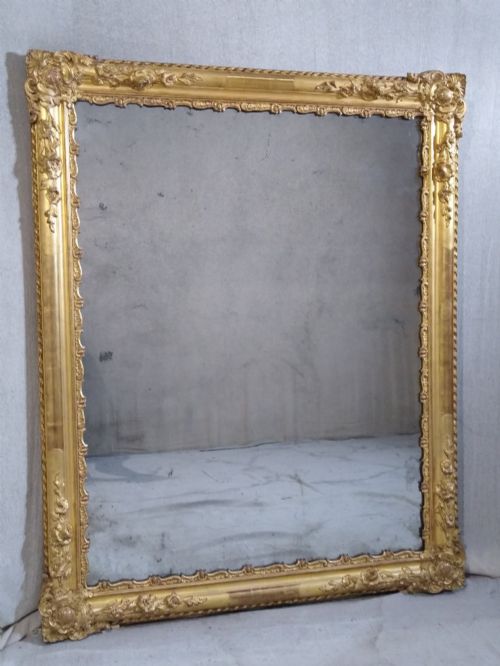
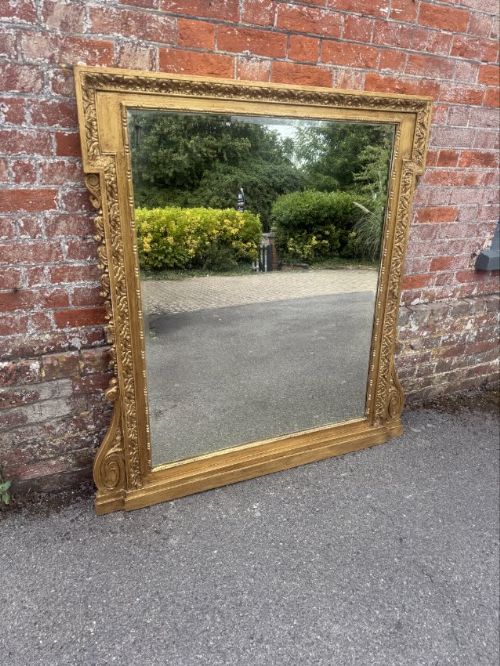
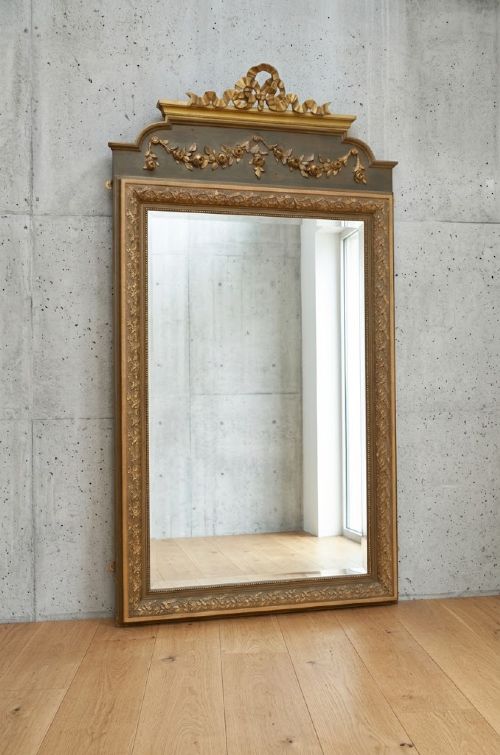
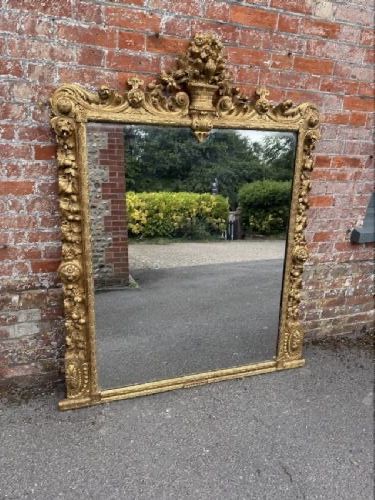
The overmantel mirror stands out as a frequent form, designed specifically to hang above a fireplace, often featuring substantial proportions and arched or crested tops. Alongside these, buyers encounter rectangular, oval, and full-height hanging mirrors framed in carved wood or gesso.
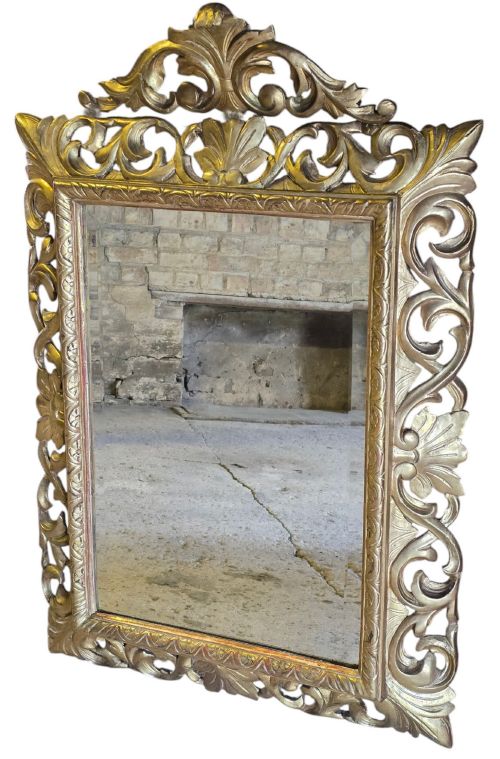
Makers utilise traditional regional aesthetics, ranging from Florentine giltwood carvings to ebonised frames touched with gold. The selection balances domestic wall glasses with grander architectural overmantels built to anchor a room.
Materials and Construction
Frames rely on timber foundations such as walnut, mahogany, and carved wood, which provide the structural strength needed for heavy glass plates. Craftsmen often apply layers of gesso over the wood base to build up intricate surface relief before gilding.
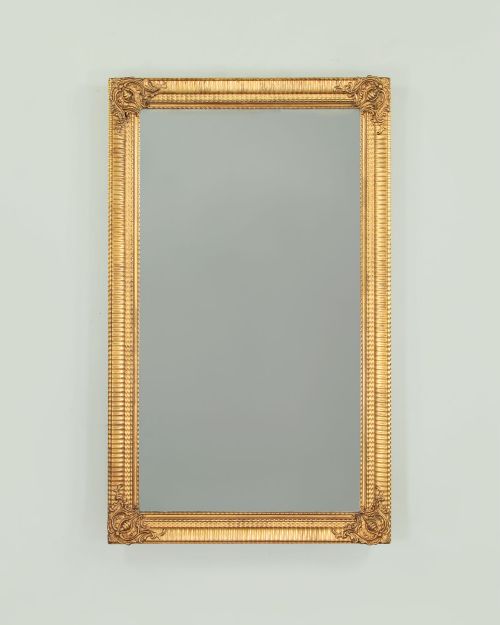
Finishes incorporate gold leaf, silver leaf, and paint, creating reflective metallic surfaces that catch ambient light. Mirrored glass fills the centre, sometimes featuring bevelled edges produced by period hand-polishing techniques.
Ornate Wall Mirror Retail Price Guide 2026
Typical asking prices for ornate wall mirror among the pieces listed under this phrase on Sellingantiques today, from the lower quarter to the upper quarter. They describe what is for sale here now, not the wider market.
Period mirrors occasionally reveal faint handwritten chalk marks from Victorian makers hidden behind their original timber backboards.
Craftsmanship and Depth
Quality rests in the depth and crispness of the carved ornament, where hand-chiseled wood or layered gesso shows sharp relief rather than soft, moulded edges. Superior examples display harmonious proportions between the heavy frame and the glass plate it surrounds.
The integrity of the surface finish separates standard pieces from finer ones, particularly the smooth application of gold leaf and the preservation of the original backing and silvering on the mirror glass.
The Ornate Wall Mirror Glossary
- Gesso
- A plaster-like mixture applied to wooden frames as a base for paint or gold leaf. Craftsmen model this compound into ornate floral and scroll motifs before finishing.
- Overmantel
- A large mirror designed to sit directly above a mantelpiece or fireplace. These pieces often feature wide proportions and decorative cresting at the top.
- Giltwood
- Timber coated with a thin layer of gold leaf or gold paint. This technique gives frames a bright, reflective metallic sheen that defines many period pieces.
- Looking glass
- A traditional term for a mirror. The phrase appears frequently in historical descriptions of domestic glass plates.
- Louis revival
- A nineteenth-century design style drawing on French court aesthetics of the seventeenth and eighteenth centuries. It incorporates sweeping curves, floral carvings, and symmetry.
Ornate Wall Mirror: Frequently Asked Questions
How do I hang a heavy overmantel mirror safely?
Large overmantel mirrors carry significant weight due to their wooden frames and thick glass plates. Securing them requires professional wall anchors fixed directly into structural studs.
Weight distribution matters because the hanging hardware must bear the full load without pulling away from the wall. Floor placement offers an alternative display method for taller pieces.
What rooms suit an ornate wall mirror best?
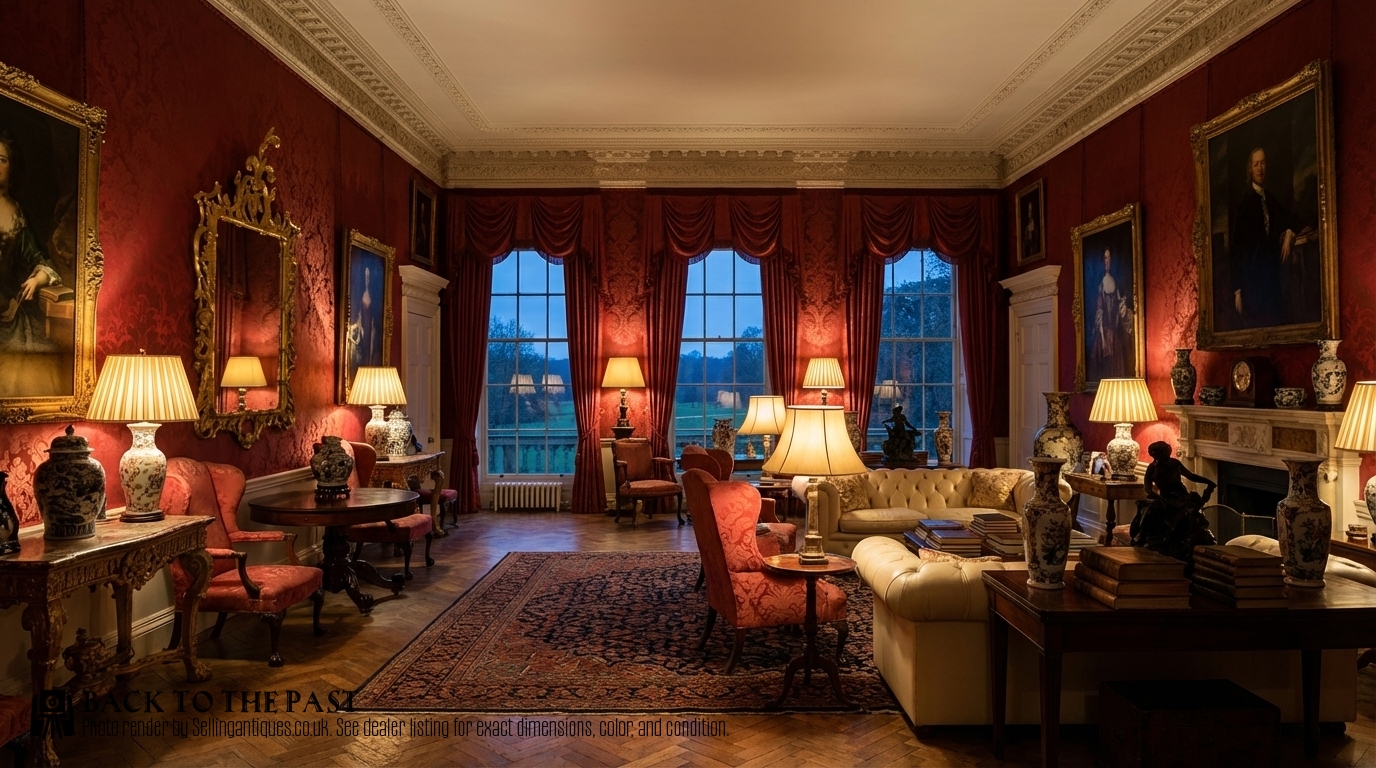
Living rooms and hallways provide ideal settings, where the reflective surface bounces light around smaller or darker spaces. Placing a piece above a fireplace or console table establishes a traditional focal point.
Scale dictates placement, as larger overmantel frames require expansive wall space to sit comfortably without overwhelming the room.
How do I identify a nineteenth-century frame?
Nineteenth-century frames typically utilise solid timber foundations covered in gesso and giltwood, showing hand-carved details rather than modern synthetic moulding. Close inspection reveals minor irregularities in the gilt surface and aged patina on the wood.
Backboards often consist of old pine or joined timber secured with period fixings, confirming the age of the construction.
Should I replace old mirror glass with new?
Original mirror glass carries historical value, often displaying age spots, oxidation, and subtle distortions that confirm its period authenticity. Retaining the original plate preserves the character of the antique.
Replacement remains a last resort reserved for glass that has suffered structural breakage or complete silver loss that prevents any reflection.