
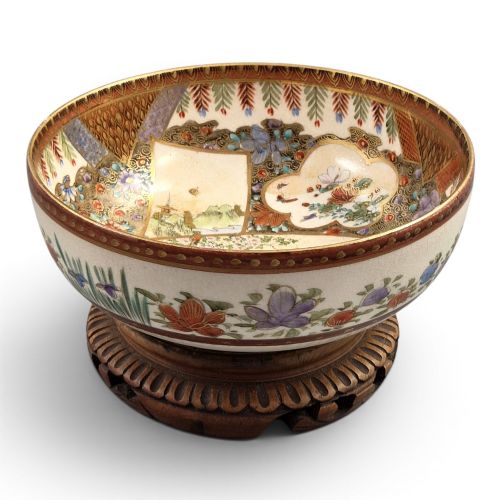


Antique Oriental Fruit Bowl
An antique oriental fruit bowl brings rich hand-painted colour and centuries of ceramic tradition directly to the table.
Antique Oriental Fruit Bowl
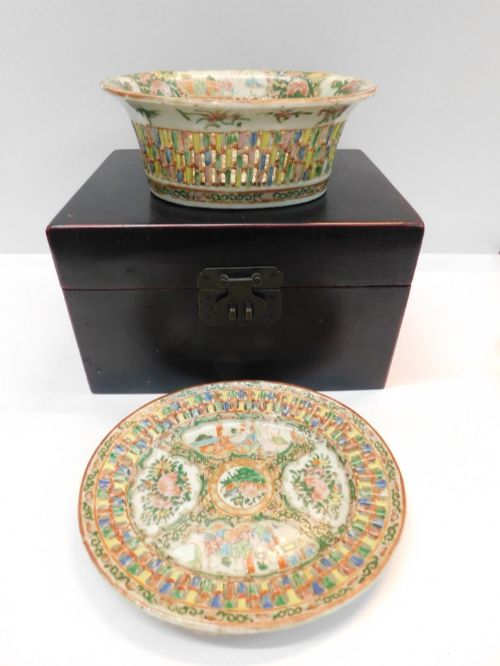
When a buyer searches for an antique oriental fruit bowl, they encounter a range of decorative vessels originating from Chinese and Japanese kilns. The selection spans distinct eras, from early Ming dynasty and Kangxi period wares to later Qing dynasty pieces and Meiji period Japanese craftsmanship.
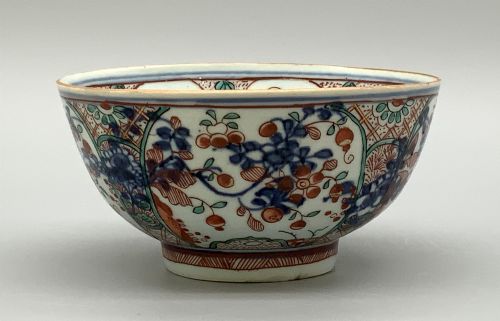
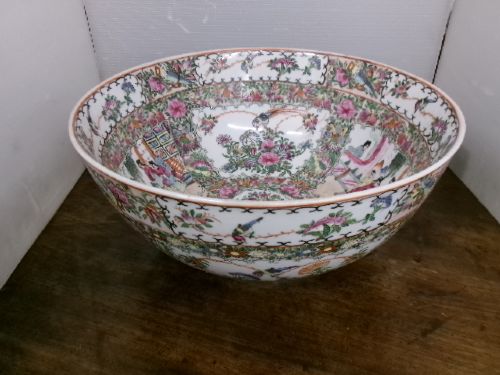
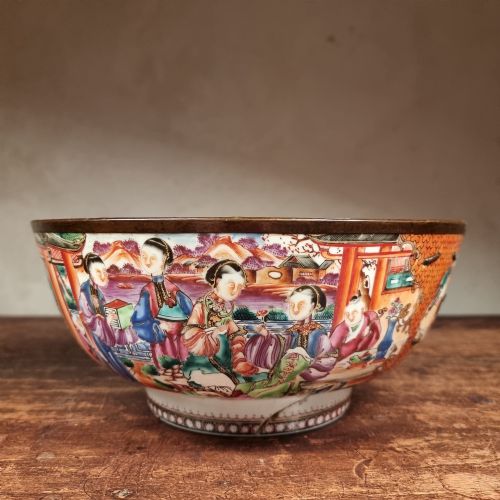
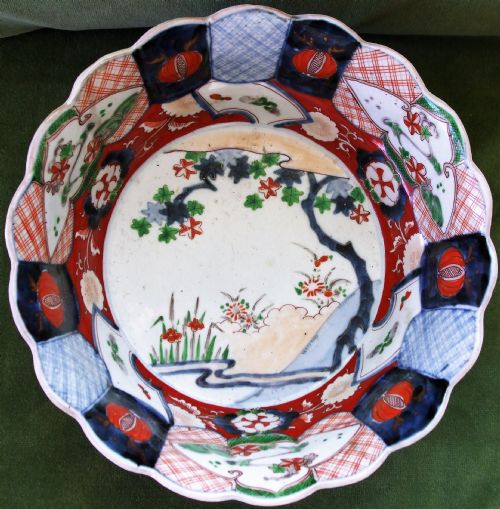
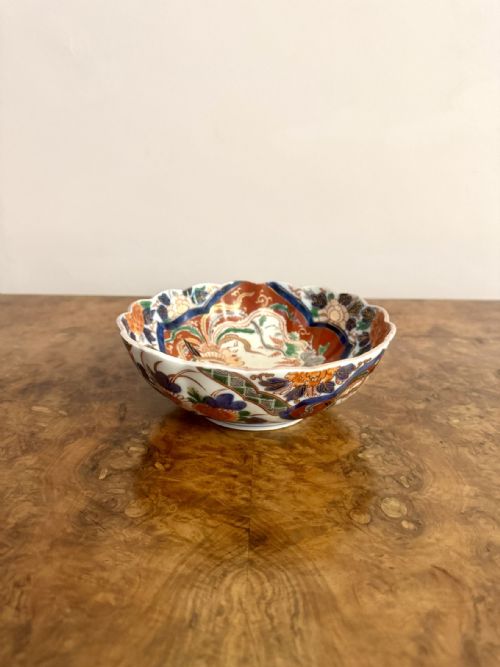
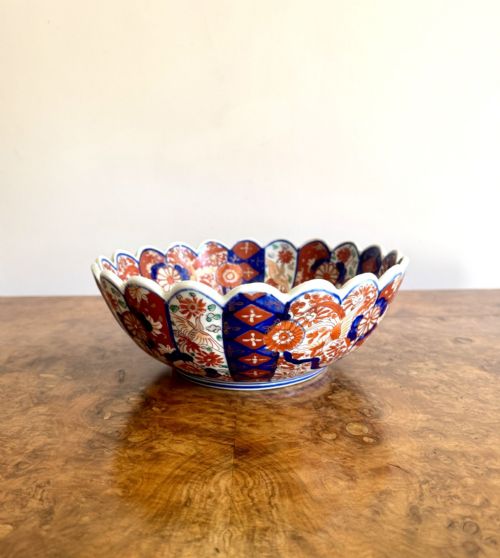
The version most frequently met on this page is the Japanese Imari bowl, often featuring a scallop-shaped edge and robust porcelain body. Alongside these sit large Chinese porcelain punch bowls, Famille Rose cachets, and intricate cloisonné enamel vessels decorated with birds and cobalt blue motifs.
Materials and construction
Potters built these vessels using fine porcelain clay, shaping them into bowls, baskets, and punch bowls before applying detailed hand-painted designs. Artisans frequently employed cobalt underglaze alongside polychrome enamel colours, sometimes adding gold leaf, gilding, or brass accents to highlight the rim and surface patterns.
Firing took place in high-temperature kilns, where mineral glazes fused to the porcelain body to create durable, lustrous finishes. Cloisonné enamel pieces utilised metal wire boundaries to contain vibrant enamel pastes, which were subsequently fired and polished to a smooth sheen.
Several bowls feature mischievous birds painted onto the interior surface, waiting quietly at the bottom until the fruit is finally cleared away.
Distinctions in craftsmanship
The distinction between standard domestic wares and superior examples lies in the precision of the hand-painted brushwork and the complexity of the palette. Finer bowls display crisp cobalt blue motifs, well-defined enamel layers, and balanced symmetry in scallop-edged forms.
Artistic execution and provenance also elevate certain pieces, particularly those bearing specific period markers or the signatures of recognised makers. Greater depth in the glaze and careful integration of gold leaf or gilding distinguish the top tier of production.
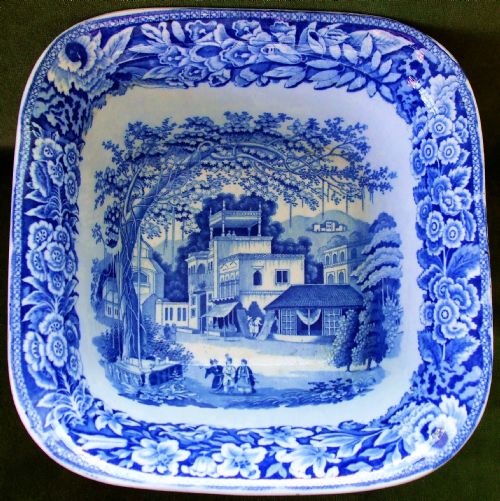
J. and R. Riley·Kozan
The Antique Oriental Fruit Bowl Glossary
- Imari
- A style of Japanese porcelain featuring a distinct palette of underglaze blue, iron red, and gilt highlights. These pieces were heavily exported to Europe during the Edo and Meiji periods.
- Famille Rose
- A major palette of Chinese ceramic glazes introduced in the Qing dynasty, dominated by opaque pink or rose enamel colours. This style allowed for subtle tonal gradations in floral and figural scenes.
- Cloisonne
- A decorative metalwork technique where enamel compartments are formed by soldering flat metal wire onto a brass or bronze base. The resulting cells are filled with coloured paste and fired.
- Cobalt Underglaze
- A blue pigment applied directly to the raw porcelain body before the transparent glaze layer is added and fired. This technique protects the pigment beneath a durable glassy surface.
- Punch Bowl
- A large, deep vessel originally designed for mixing and serving communal drinks at social gatherings. Their generous proportions made them ideal canvases for elaborate hand-painted decoration.
Antique Oriental Fruit Bowl: Frequently Asked Questions
What is an antique oriental fruit bowl?
These pieces are hand-painted ceramic and enamel vessels originating from China and Japan, fashioned into bowls and baskets for display or serving. They reflect centuries of regional pottery traditions and decorative arts.
Buyers often select them to anchor a dining table or sideboard, introducing historical depth and vibrant colour palettes to an interior.
How do I tell Imari from Famille Rose?
Japanese Imari porcelain relies on a striking combination of cobalt blue, iron red, and gold gilding, frequently formed with scalloped edges. These designs emphasise geometric and floral patterns in a structured layout.
Chinese Famille Rose wares utilise an opaque pink or rose enamel alongside a wider pastel spectrum, typically depicting figurative scenes, birds, and intricate botanical compositions.
When were these decorative bowls made?
The inventory spans multiple centuries, reaching from the Ming dynasty and 18th century Kangxi period through the 19th century Qing dynasty. Japanese examples heavily represent the Meiji period.
Later Victorian and Edwardian interpretations also appear, showing how European demand influenced eastern export pottery production over generations.