

Antique Open Shelf Stand
An antique open shelf stand provides accessible display and storage, bringing timber grain and practical tiering into a room.
Antique Open Shelf Stand
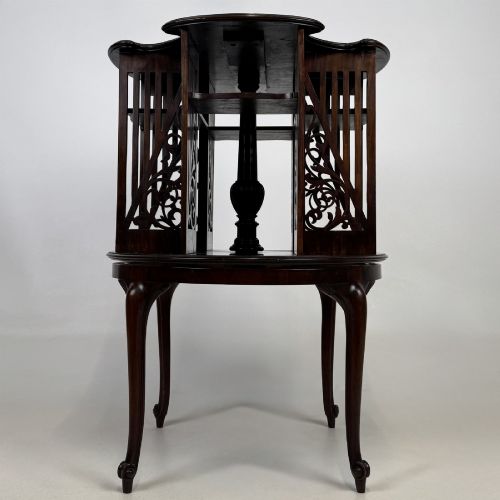
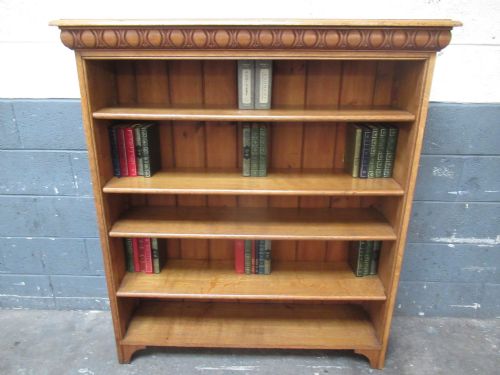
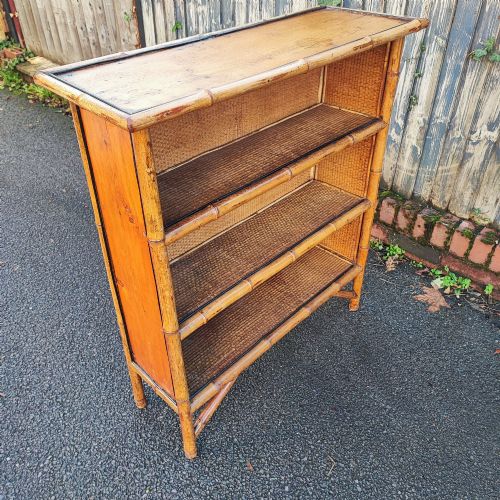
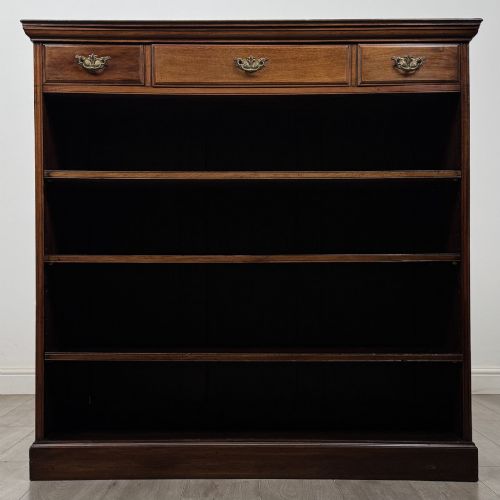
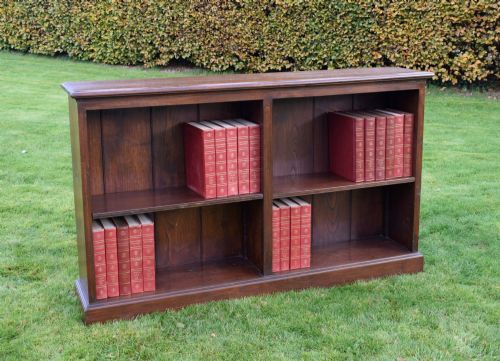
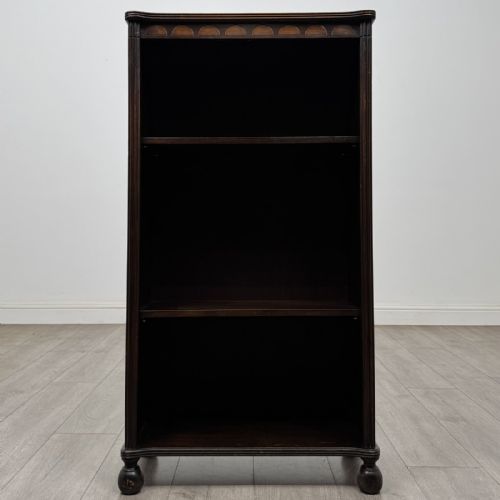
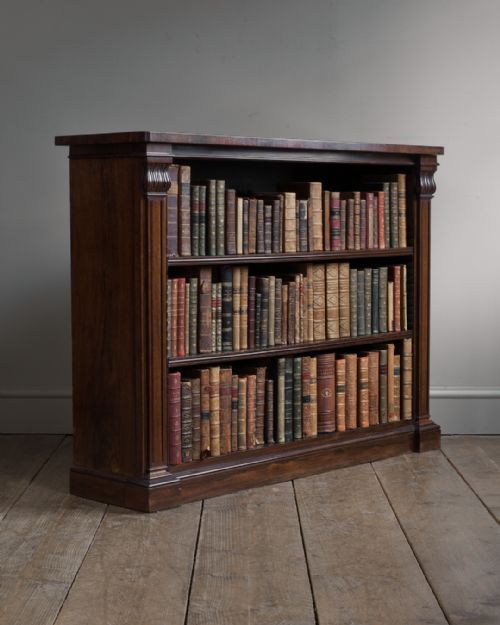
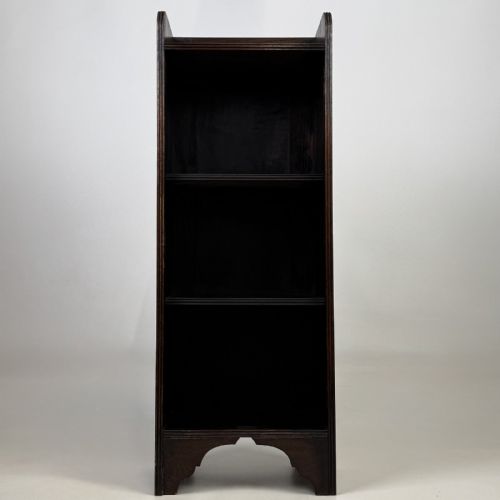
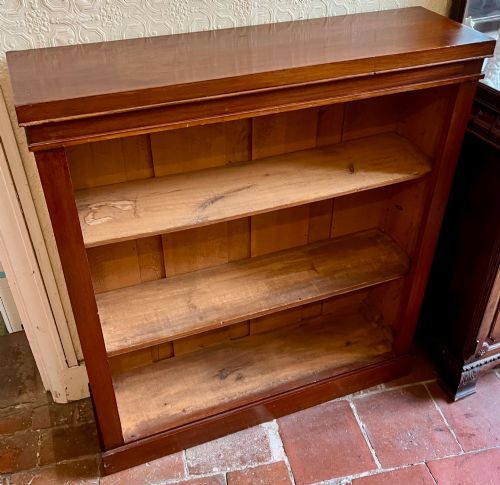
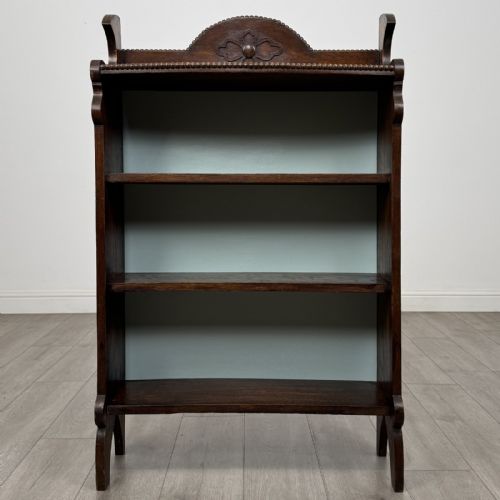
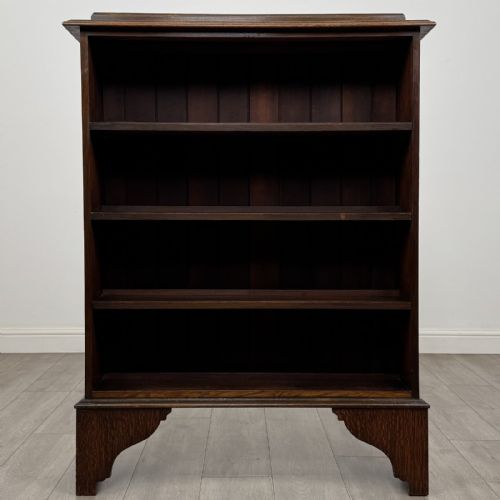
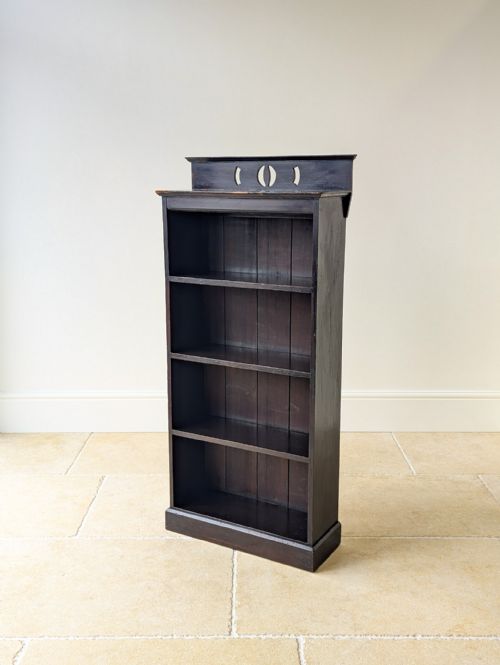
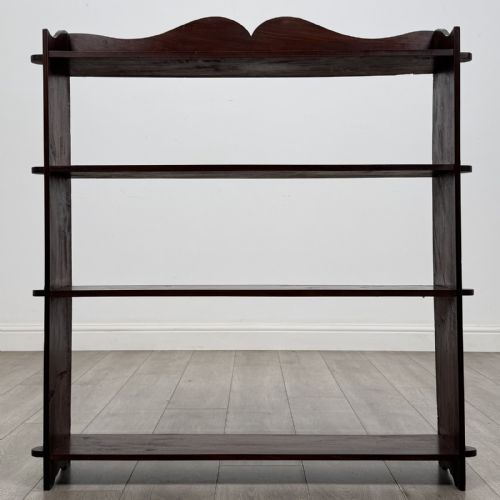
An antique open shelf stand encompasses a practical group of freestanding and tier-based furniture designed for books, display objects, and sheet music. When you search for an antique open shelf stand, you encounter varied domestic forms ranging from multi-tiered whatnots and etageres to compact open bookcases and corner shelves. The pieces span several distinct eras, appearing most frequently in sturdy oak and rich mahogany from the Victorian, Edwardian, and early twentieth-century periods.
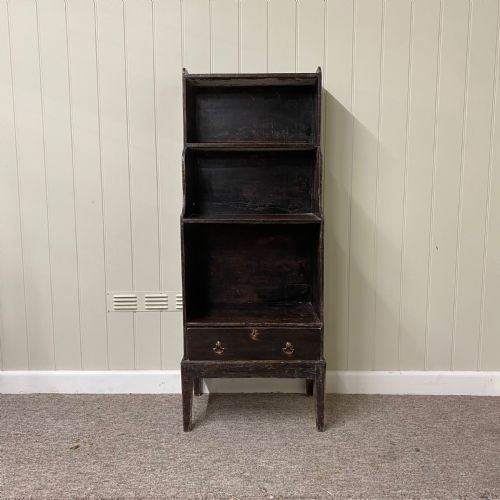
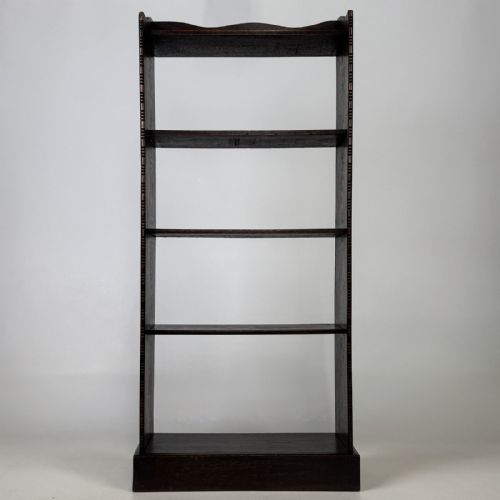
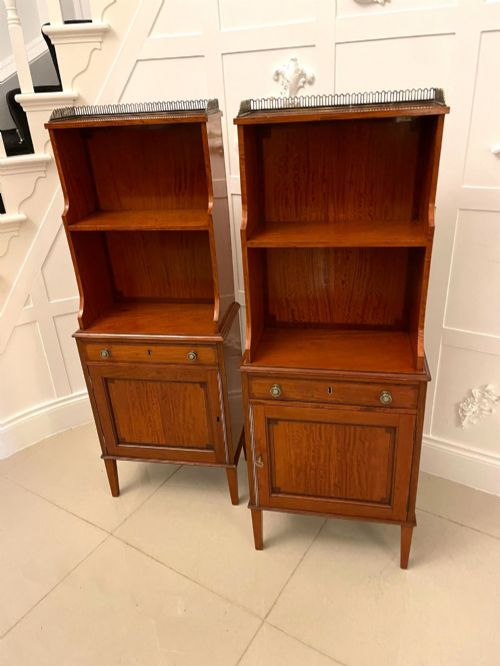
The assortment on this page draws heavily from Victorian and Edwardian iterations, alongside earlier Georgian and Regency examples defined by tiered architecture. You will frequently find graduated shelving units, waterfall bookcases with stepped tiers, and barley twist stands designed to maximise vertical display space. These furnishings served as functional library furniture and display mountings in period homes, retaining their utility for modern interiors today.
Materials and Construction Techniques
Cabinet makers utilised dense hardwoods including mahogany, oak, walnut, rosewood, and padauk to construct durable open shelving units capable of supporting heavy volumes and display items. Timber selection dictated the character of each piece, with burr walnut and satinwood employed for decorative figuring on finer iterations, while utilitarian oak served everyday domestic purposes. Selected pieces incorporate brass castors for mobility and beaded edge detailing to define the shelving tiers.
Joinery methods relied on traditional housing joints and secure framing to maintain stability across multiple open tiers without the structural support of closed side panels. Carved ornamentation, inlaid banding, and barley twist uprights added textural depth to structural uprights and gallery panels. These construction choices ensured the frames remained rigid while displaying books and ornaments from multiple open angles.
Antique Open Shelf Stand Retail Price Guide 2026
Typical asking prices for open shelf stand among the pieces listed under this phrase on Sellingantiques today, from the lower quarter to the upper quarter. They describe what is for sale here now, not the wider market.
Early cabinet makers occasionally incorporated subtle asymmetry into corner stands so they hugged uneven historic walls without leaving an unsightly gap.
Evaluating Quality and Execution
The distinction between standard domestic shelving and superior examples rests upon timber selection and the precision of the joinery. Finer pieces demonstrate careful grain matching across visible shelf surfaces and refined execution of turned supports or carved details.
Structural integrity and proportion separate basic utilitarian items from masterworks attributed to known makers or distinctive workshops. Well-balanced proportions, substantial backboards where present, and original brass hardware elevate an open shelf stand from simple storage to a considered focal point.
Gabriel Viardot·Heals·Gillows
The Antique Open Shelf Stand Glossary
- Whatnot
- A moveable piece of furniture with shelves placed one above another, used for displaying ornaments or books. Originating in the eighteenth century, it became a staple of Victorian drawing rooms.
- Waterfall bookcase
- A tiered open bookcase where each successive shelf steps back from the one below it, creating a profile resembling descending water. This design gained popularity during the Regency and Victorian eras.
- Etagere
- A piece of furniture consisting of a set of open shelves for displaying small objects or ornaments. It is typically lighter in construction than a standard bookcase.
- Barley twist
- A type of turning resembling a spiralling rope, frequently utilised for the vertical supports and uprights of nineteenth-century stands and bookcases.
- Padauk
- A heavy tropical hardwood exhibiting a rich reddish-brown colour, occasionally utilised in nineteenth-century cabinet making for export pieces.
Antique Open Shelf Stand: Frequently Asked Questions
How were these stands used historically?
Historically, these stands served multiple domestic functions ranging from holding working libraries in studies to displaying ceramics and ornaments in formal reception rooms. Tall tiered units kept frequently referenced volumes within arm reach.
Music stands and smaller whatnots accommodated sheet music and parlour items near pianos. Their open architecture reflected a shift toward curated display within nineteenth-century domestic interiors.
How do I style an open shelf stand?
Styling an antique open shelf stand involves balancing book collections with decorative objects, maintaining visual weight across the various tiers. Grouping items by height and colour helps prevent visual clutter on the open planes.
Allowing negative space around objects lets the timber grain and structural joinery remain visible. Mixing vertical book stacks with horizontal objects creates natural rhythm down the tiers.
How do I distinguish Victorian from Edwardian stands?
Victorian stands typically exhibit darker, denser timbers such as rosewood, walnut, and heavy mahogany, often accompanied by elaborate carvings or barley twist supports. Their ornamentation tends toward the ornate and substantial.
Edwardian pieces frequently showcase lighter golden oak or satinwood with simpler, cleaner lines reflecting the Arts and Crafts influence. The overall construction prioritises domestic brightness and simplified rectilinear forms over heavy Victorian mass.