
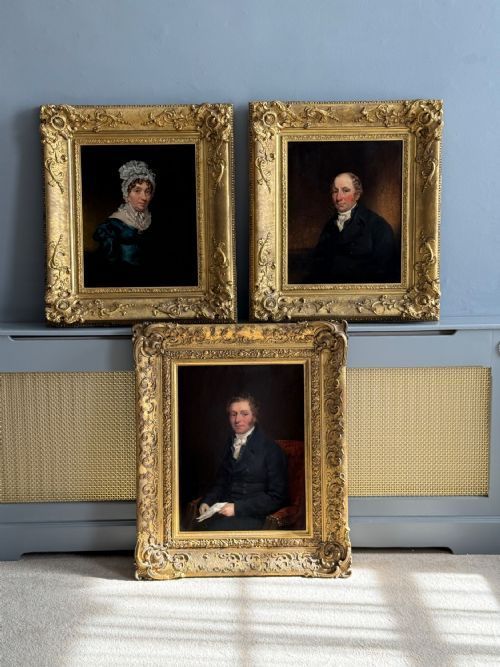
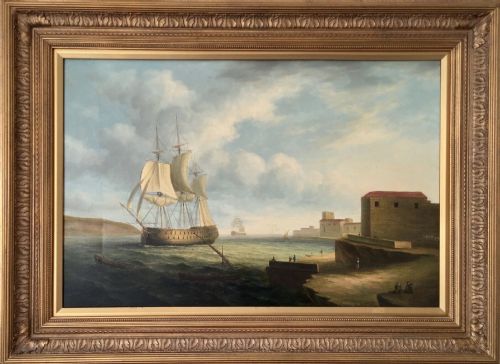

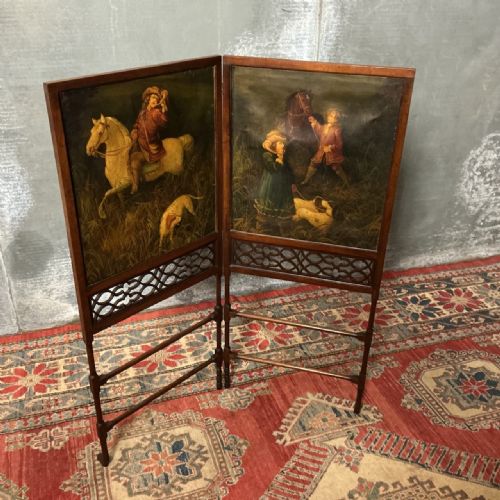
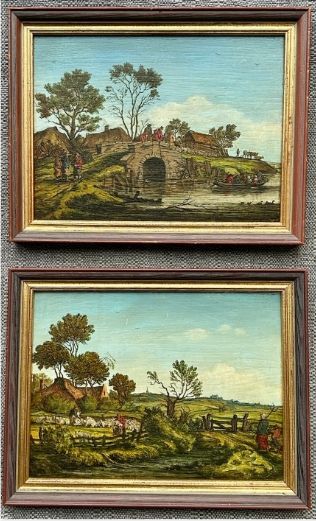
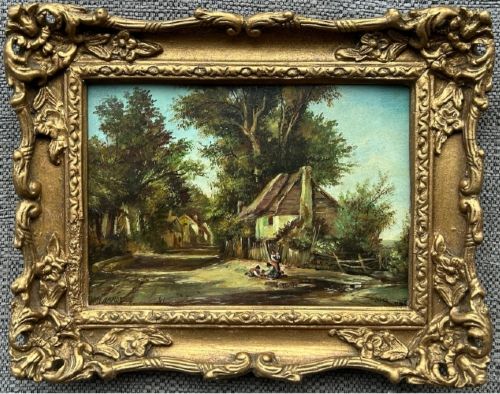
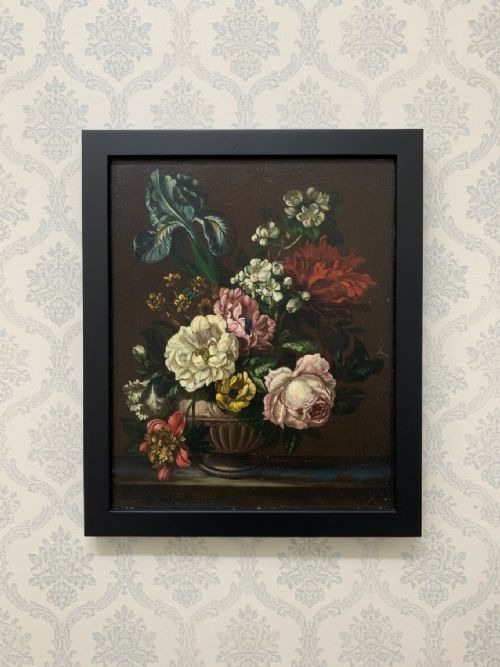

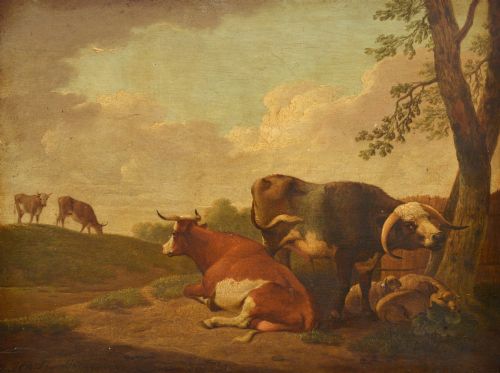
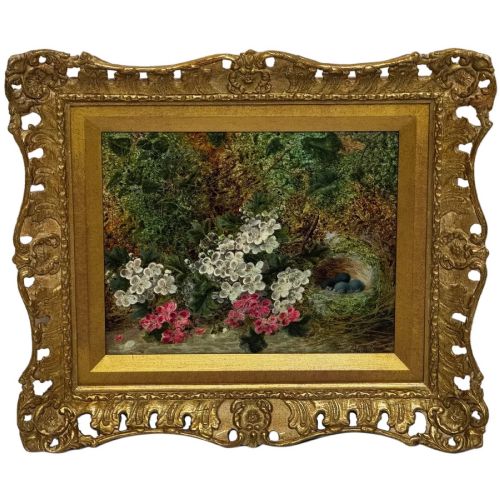
Antique Oil Painted Panel
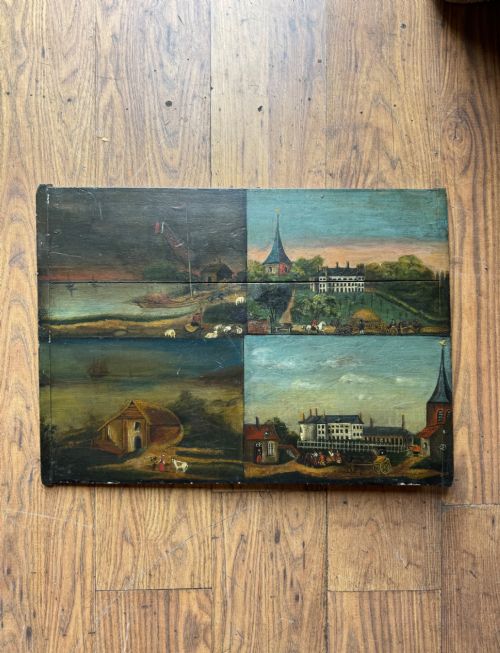
When you search for an antique oil painted panel, you enter a rich world of historic portraiture, landscape, and still life painted directly onto rigid wooden supports.
Antique Oil Painted Panel
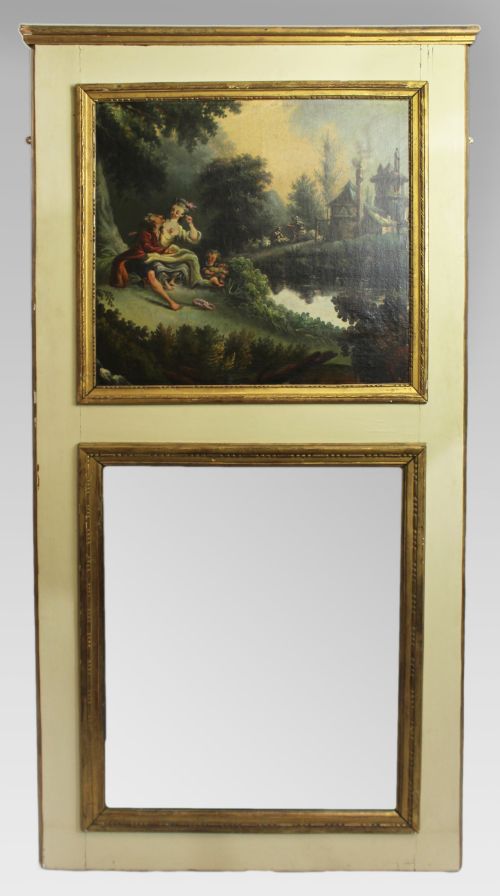
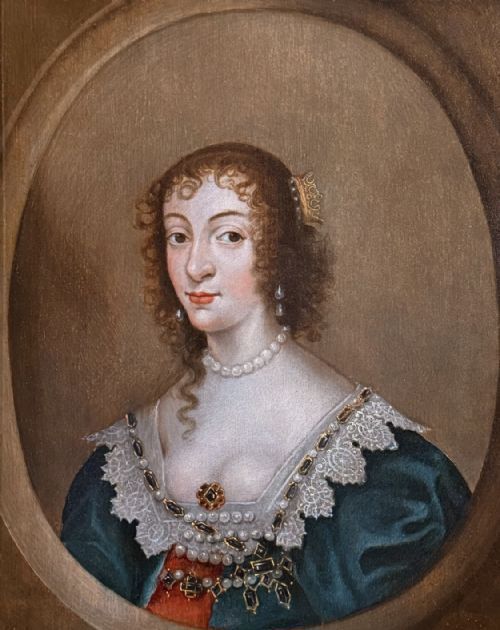
An antique oil painted panel brings together centuries of fine art traditions, ranging from intimate seventeenth-century British and Dutch portraits to nineteenth-century landscapes and pastoral scenes. You encounter works executed on solid wood panels, oak boards, and even specialised architectural pieces such as fire screens, trumeau mirrors, and coach panels.
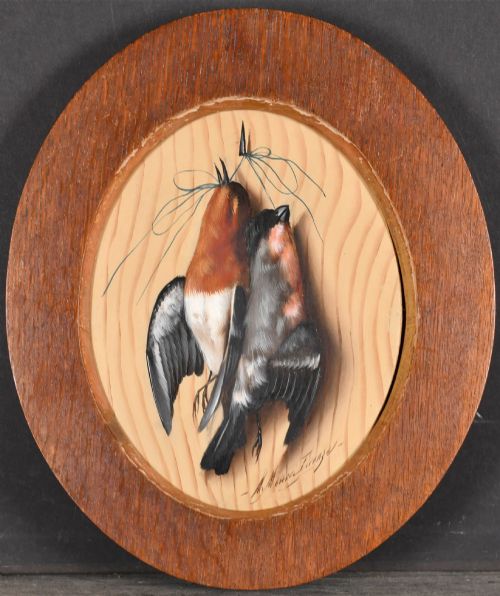
The format spans diverse regional schools, including Flemish, French, and Scottish depictions, alongside provincial naive folk art and trompe l'oeil studies. These paintings offer a tangible connection to historical makers who utilised stable wooden supports before canvas became universally dominant.
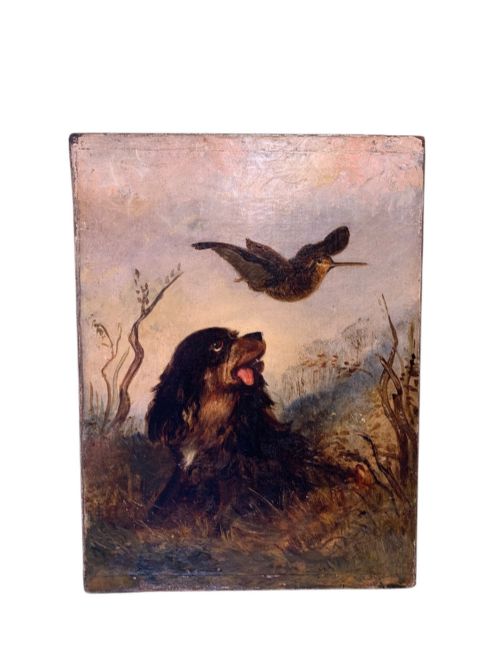
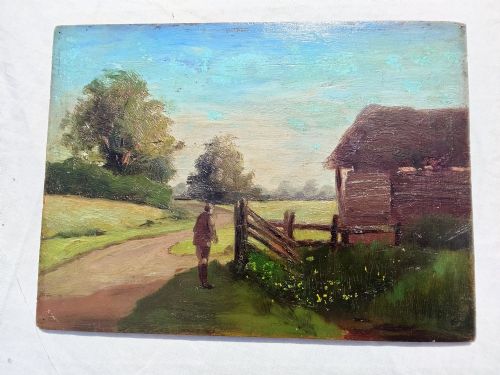
Pieces vary widely in subject matter, moving from formal aristocratic likenesses adorned with intricate ruff collars to quiet rural valleys, marine warship ports, and delicate studies of birds and blossoms.
Materials and technique
Makers applied traditional oil paint directly onto prepared wood panels, frequently utilising oak or seasoned timber boards that offered a rigid and enduring surface. Artisans often prepared the wooden support with gesso, creating a smooth ground that held fine brushwork and retained luminous pigment layers over centuries.
Many surviving panels retain their original decorative framing schemes, incorporating carved gilt wood and gold leaf accents that enhance the visual depth of the composition. The physical interaction between the viscous oil medium and the solid grain of the wood gives these works their distinctive structural permanence.
Listings span centuries from the seventeenth century through the 1940s, utilising oil paint, wood panels, gilt wood, and gesso.
Markers of quality
Quality in these works rests upon the precision of the brushwork and the anatomical or perspective accuracy achieved by the artist, distinguishing master hands from provincial copyists. Superior panels display confident handling of light and shadow, particularly in the rendering of textiles, facial expressions, and atmospheric depth.
The condition and stability of the wooden support itself play a major role in the standing of a piece, alongside the preservation of the original pigment layers without excessive overpainting. Integration with period framing, such as gilt wood settings or trumeau surrounds, further elevates the integrity of the object.
Tom Campbell·Hendrik Willem Schweickhardt·Oliver Clare·Michelangelo Meucci·Cornelius Johnson·Hubert Wellington
The Antique Oil Painted Panel Glossary
- Wood Panel
- A rigid support typically fashioned from timber such as oak, utilised by artists as an alternative to stretched canvas. It provides a stable foundation that resists the slackening common in fabric supports.
- Gesso
- A traditional white paint mixture consisting of a binder mixed with chalk, gypsum, or pigment, applied to prepare wood panels for painting. This ground creates a smooth, luminous surface for the oil layers.
- Trumeau Mirror
- An antique wall mirror featuring a decorative painted or carved panel fitted above the glass plate. These architectural fittings often showcase pastoral oil paintings.
- Grisaille
- A painting executed entirely in shades of grey or neutral monochromatic tones, often designed to mimic sculptural reliefs. This technique appears frequently in decorative panels and triptychs.
- Trompe l'Oeil
- An art technique that uses realistic imagery to create the optical illusion that the depicted objects exist in three dimensions. Such works often feature hanging items like songbirds or still life arrangements.
Antique Oil Painted Panel: Frequently Asked Questions
How do I care for an antique oil painted panel?
Keep the panel away from direct sunlight, excessive heat sources, and damp environments that cause wood to warp or crack.
Dust the surface gently with a dry, soft brush and avoid applying liquid cleaners or modern varnishes to the paint layer.
Why did artists paint on wood instead of canvas?
Wood panels provided a completely rigid and smooth ground that allowed for exceptionally fine, detailed brushwork without the risk of canvas sagging.
This tradition remained popular for centuries, particularly among Dutch, Flemish, and early British portraitists who valued the durability of timber.
How can I tell the period of a painted panel?
Examine the costume, hairstyle, and framing techniques, as these details often align closely with documented historical fashions and prevailing artistic movements.
Inspect the reverse of the wood panel for maker marks, historic labels, tool marks, and the natural ageing of the timber.