

Antique Oak Wall Panel
An antique oak wall panel brings centuries of architectural grain and carved relief directly into a modern room.
Antique Oak Wall Panel
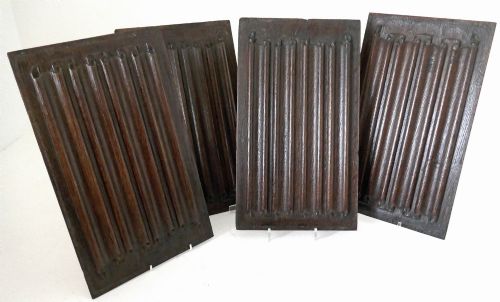
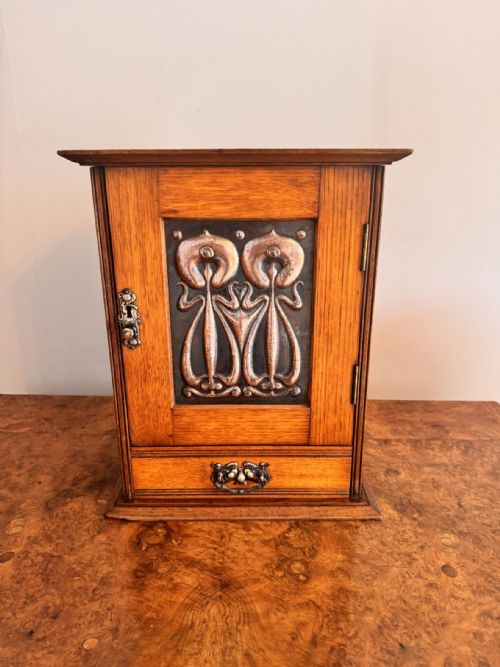
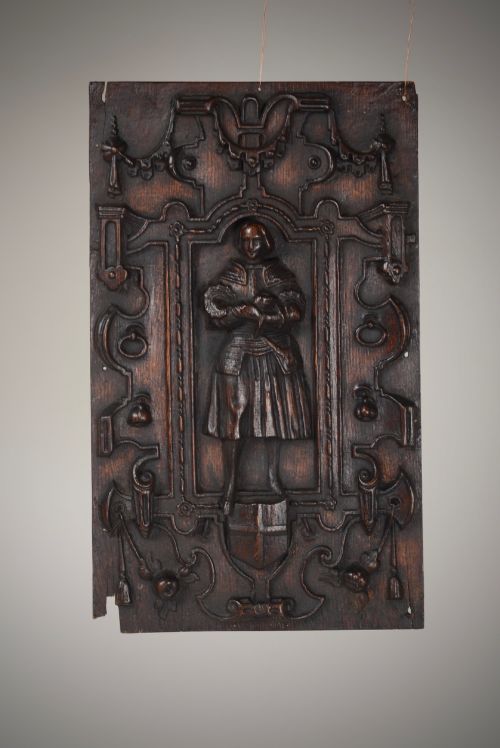
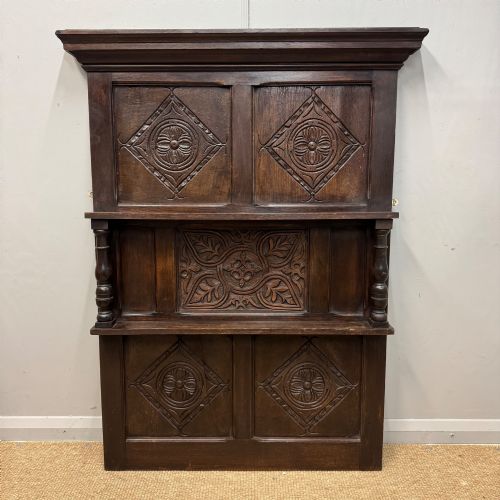
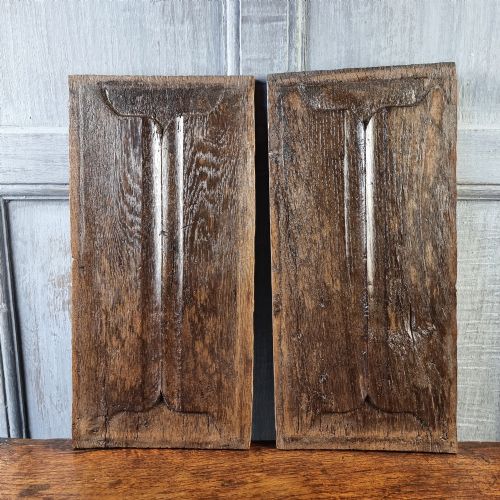
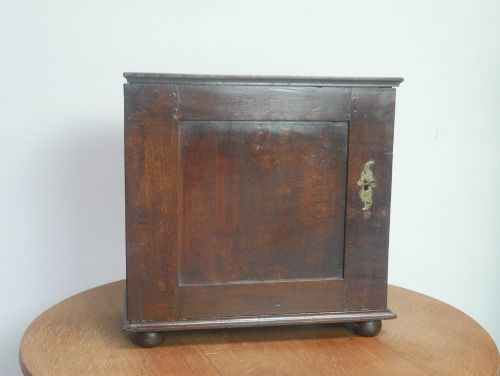
When you search for an antique oak wall panel, you encounter architectural salvage, carved figural plaques, and fitted wall cupboards spanning from the Tudor era through the Georgian and Victorian periods. The pieces on this page range from sixteenth-century linenfold fragments and seventeenth-century relief carvings to eighteenth-century spice cupboards and nineteenth-century overmantel panels.
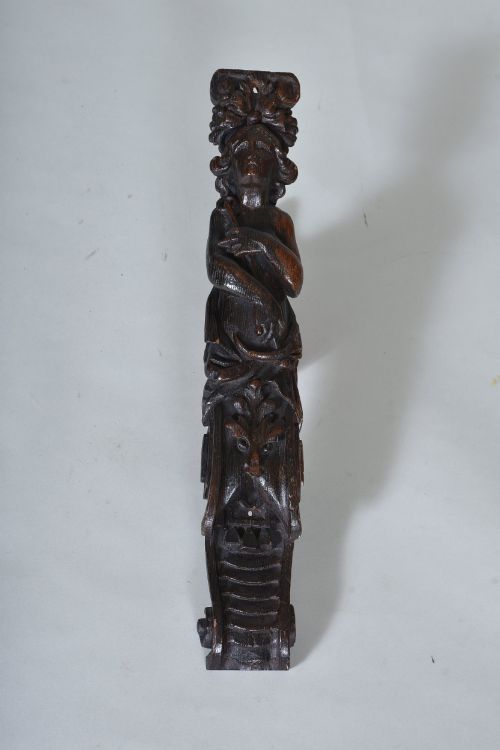
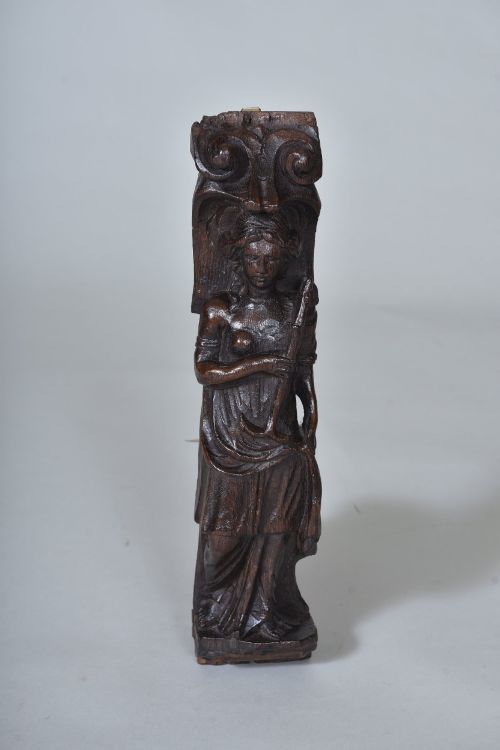
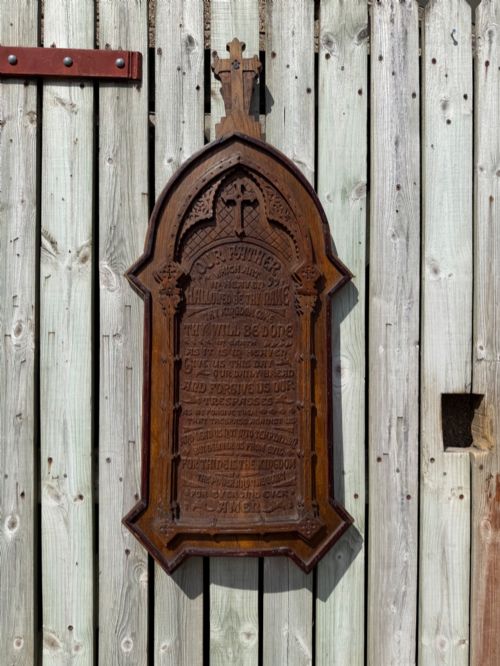
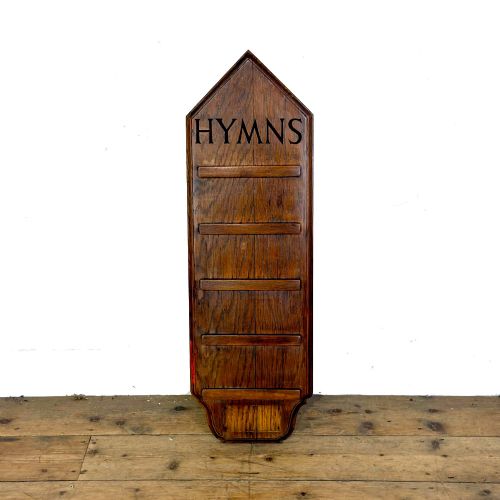
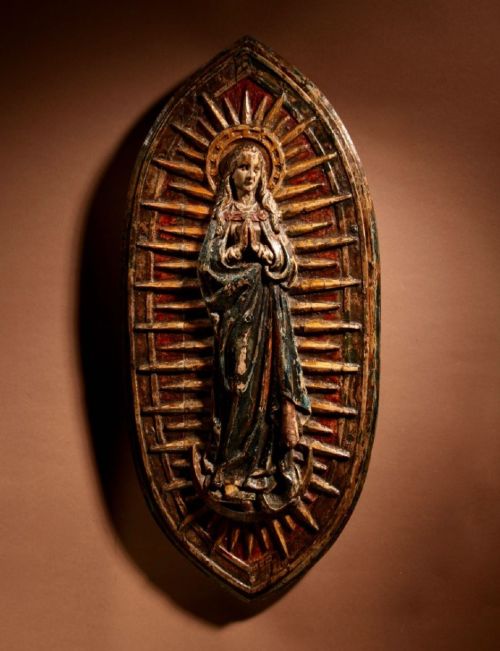
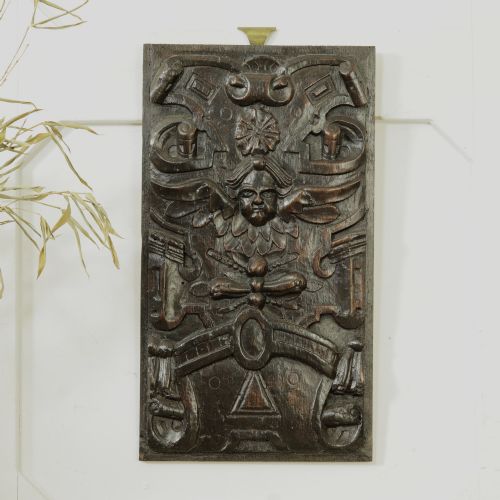
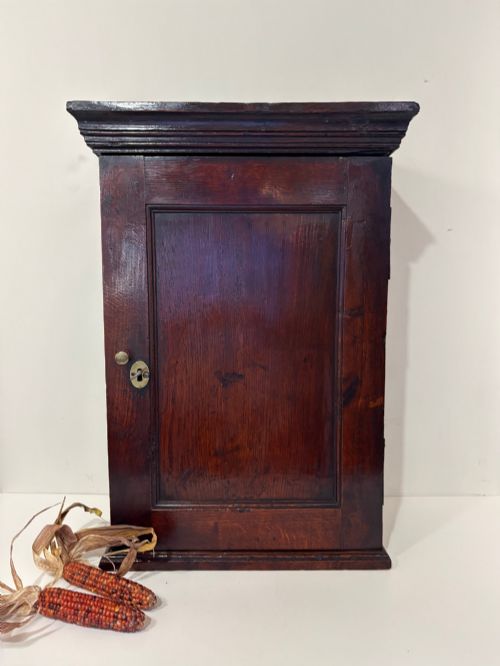
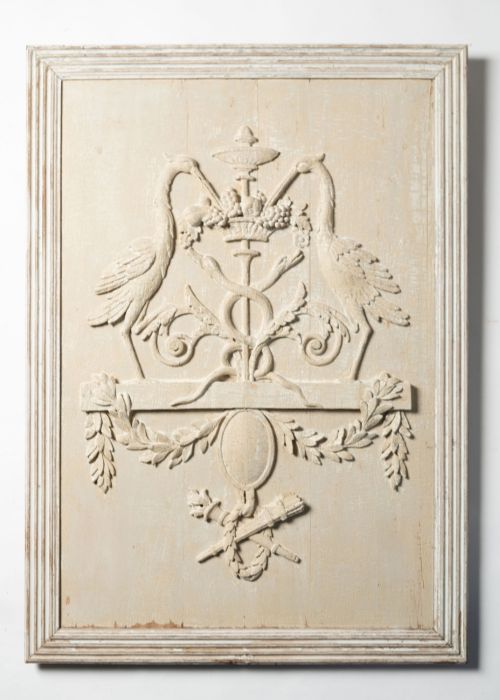
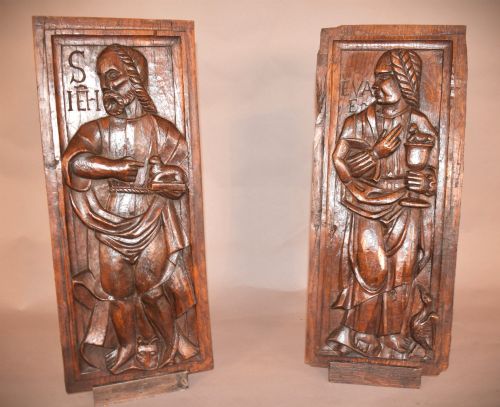
Most items you meet here are individual salvaged elements, such as coffer fronts, ceiling bosses, and figurative carvings depicting subjects like the Green Man or Joan of Arc. Others take functional forms as hanging corner cabinets, wall plaques, and framed devotional boards utilising oil paint and mother of pearl alongside timber.
Materials and construction
The primary material across these listings is solid timber, specifically oak, augmented occasionally by walnut, brass, copper, and glass. Makers fashioned these panels using hand-carving techniques, relief work, and joinery suited to architectural installation and furniture enrichment.
Surface treatments vary from plain waxed timber to detailed oil paint applications and intricate needlepoint or stumpwork textiles mounted on wood. Structural components often show traditional framing methods, pegged joints, and hand-planed boards consistent with their respective centuries.
Keep an eye out for the occasional seventeenth-century Green Man panel, where foliage sprouts intriguingly from a grinning wooden mouth.
Assessing the craftsmanship
Quality in an antique oak wall panel resides in the depth, crispness, and artistic ambition of the hand-carved detail. Panels featuring spirited figural relief, such as Green Man motifs or named historical portraits, demonstrate a higher tier of sculptural skill than repetitive geometric patterns.
The integrity of the timber and the extent of original surface patination also determine standing. Pieces retaining their early finish without heavy modern intervention or excessive structural rebuilding command greater appreciation among collectors of historic woodwork.
The Antique Oak Wall Panel Glossary
- Linenfold
- A style of wood carving that imitates folded linen, commonly seen on sixteenth-century panels. This treatment gives flat timber a textured, draped appearance.
- Overmantel
- A decorative panel, mirror, or carving placed directly above a fireplace mantel. These architectural elements often anchor the visual focus of a historic room.
- Spice cupboard
- A small wall-hung cabinet fitted with internal drawers for storing culinary herbs and spices. Eighteenth-century examples frequently feature panelled doors and brass hardware.
- Stumpwork
- A raised embroidery technique popular in the seventeenth century, utilising padded stitches to create three-dimensional figures. Such textile works are occasionally mounted within wooden frames.
- Ceiling boss
- A projecting carved block placed at the intersection of ceiling ribs or beams. These architectural ornaments often display foliage, leaves, or heraldic motifs.
Antique Oak Wall Panel: Frequently Asked Questions
How do I hang a heavy oak panel?
Heavy carved panels require secure wall anchoring, typically utilising strong battens or French cleats screwed directly into masonry or wall studs. Because historic timber carries substantial weight, verifying the structural support of the wall is essential before mounting.
Professional installation ensures the piece remains stable and flush against the surface without placing undue stress on old joinery or historic framing elements.
Are these panels from old buildings?
Many items originate as architectural salvage from Tudor, Jacobean, and Georgian interiors, where wood paneling formed an integral part of room linings and church furnishings. Salvaged fragments were frequently repurposed into smaller cabinets or wall ornaments in later centuries.
Examining the reverse side and peg holes often reveals evidence of previous installation within larger architectural schemes.
How do I clean antique oak?
Maintenance requires only a soft, dry cloth to remove dust from deep carvings and textured grain. Avoid harsh liquid cleaners, modern polishes, or excessive moisture, which can damage old wax finishes and dry timber.
Applying a traditional beeswax sparingly helps nourish the wood and preserve the historic surface patination accumulated over centuries.
Can I use these in a modern kitchen?
Historic panels and small wall cupboards integrate well into contemporary spaces when placed away from excessive heat, steam, and direct moisture sources. Kitchen walls offer a suitable backdrop for spice cupboards or decorative plaques provided the indoor climate remains stable.
Allowing adequate clearance protects the dry historic timber from warping or finishing degradation caused by cooking environments.