

Antique Oak Slant Bureau
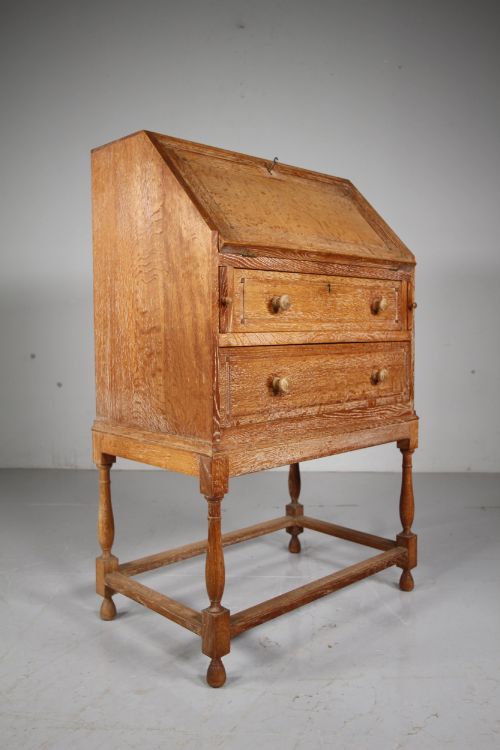
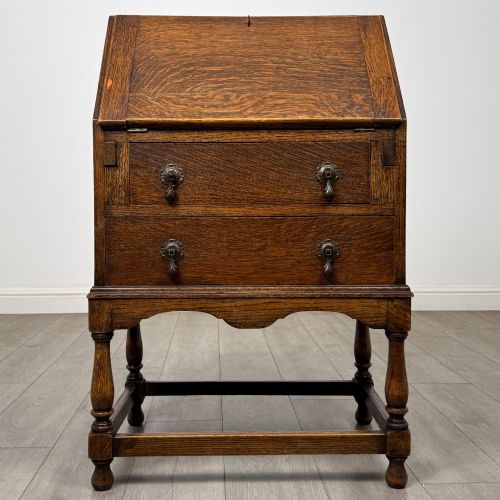
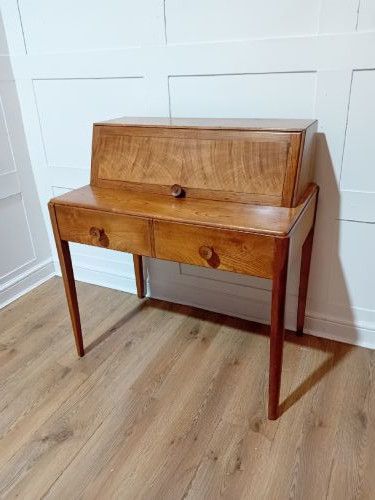
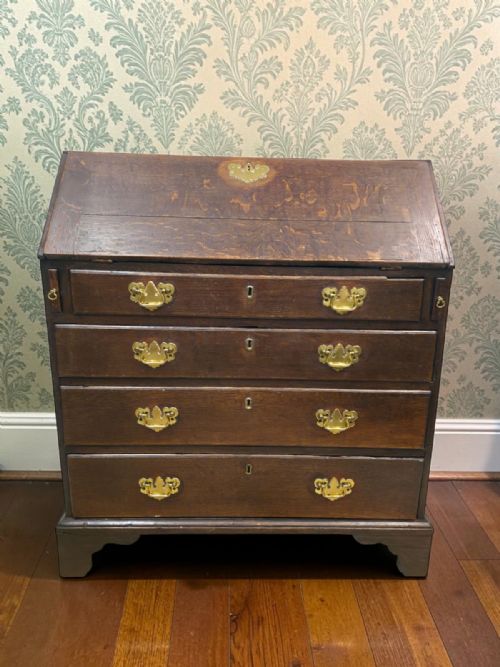
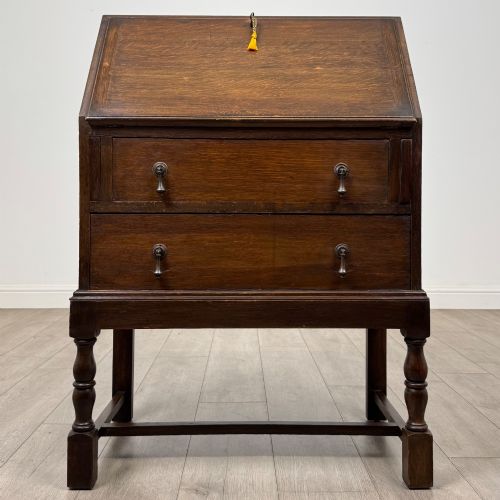
An antique oak slant bureau combines practical writing storage with enduring timber character, offering a sloping fall front that conceals fitted interior compartments.
Antique Oak Slant Bureau
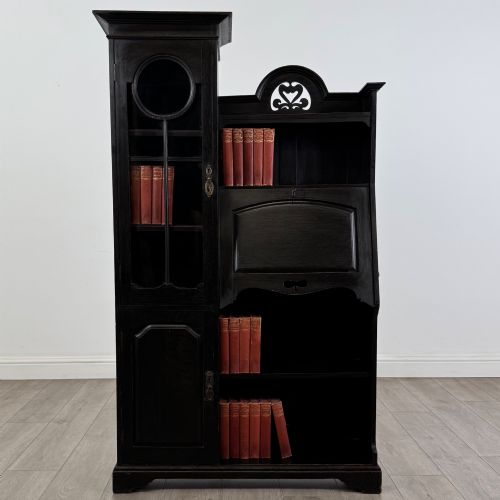
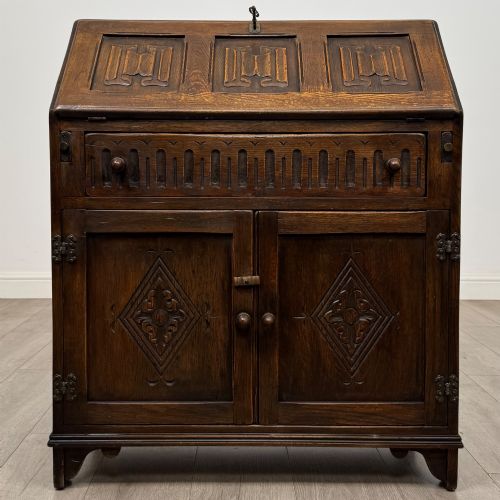
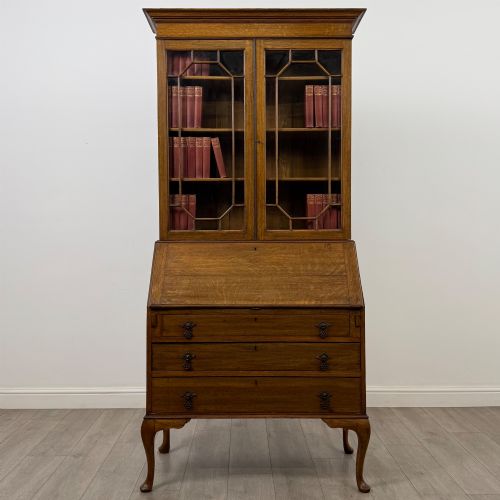
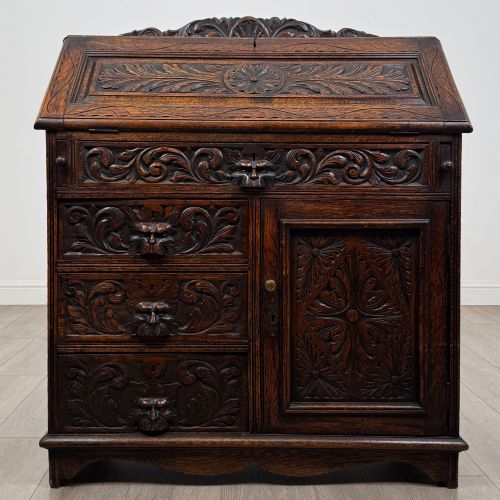
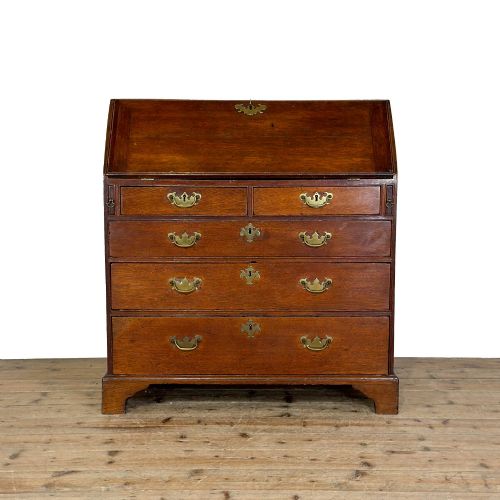
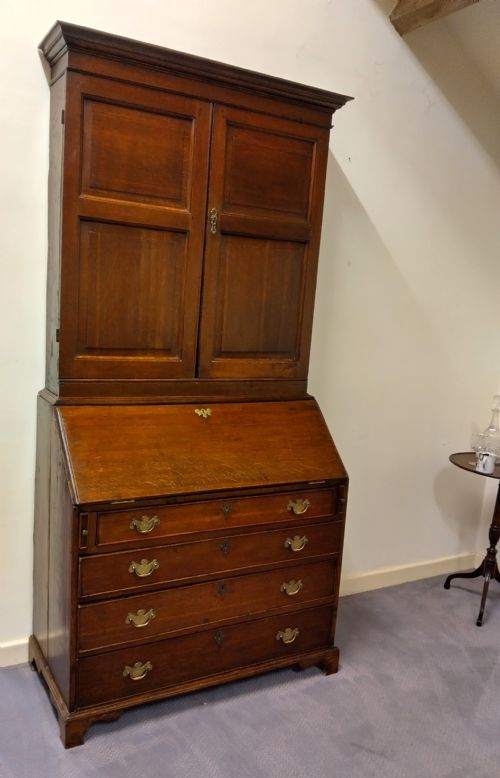
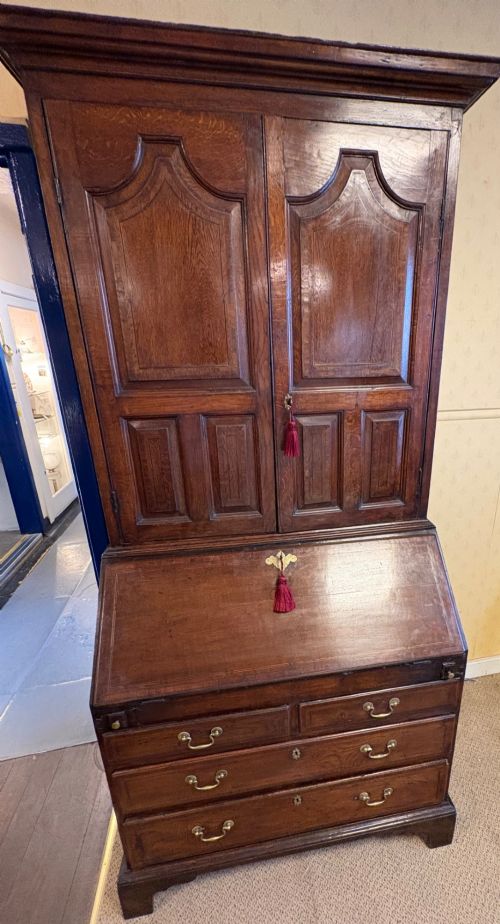
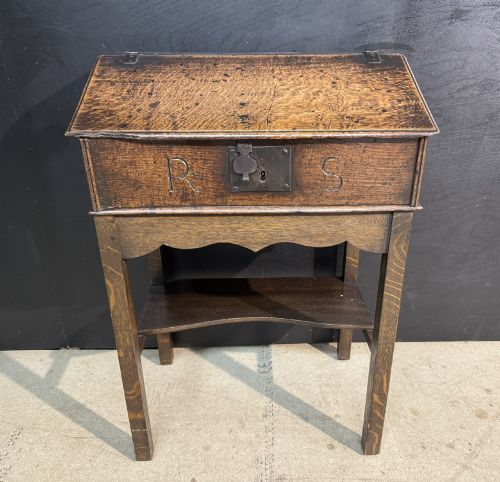
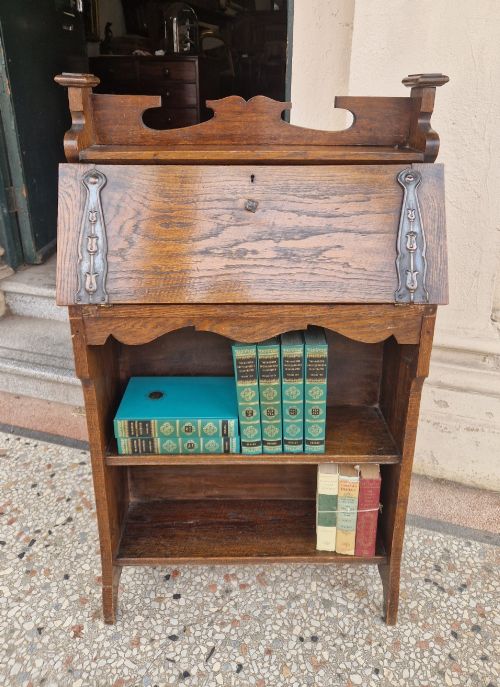
When you search for an antique oak slant bureau, you encounter pieces spanning from the seventeenth century through the Georgian era and into the Edwardian and Arts and Crafts periods. The selection on this page ranges from compact writing slopes and clerks desks to tall bureau bookcases featuring glazed upper sections.
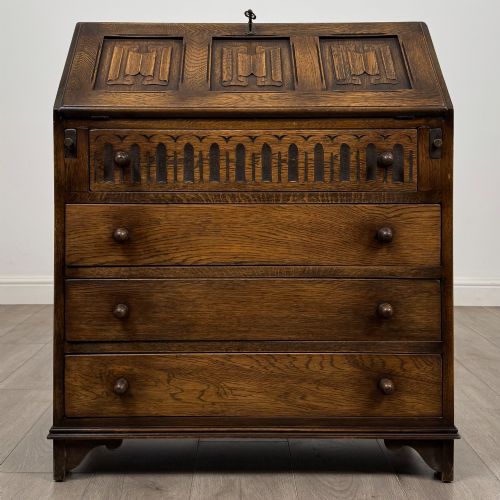
The version you are most likely to meet on this page is an Edwardian or 18th century piece constructed primarily in solid oak, often displaying a fall front that opens to reveal internal pigeonholes and small drawers. These desks serve modern interiors as functional workspace companions while anchoring a room with centuries of cabinetmaking tradition.
Distinguishing factors in construction and design
The quality of an antique oak slant bureau rests upon the selection of the timber, the crispness of any carved detailing, and the integrity of the internal fittings. Desks featuring complex stepped interiors or labelled maker provenance demonstrate a higher grade of design and execution.
Proportion and alterations also govern the standing of a piece, as original hardware and untouched timber patination elevate the work. Adaptations, such as interiors altered for modern electronic equipment, represent a different category of craftsmanship compared to unaltered period survivals.
Listings feature oak bureaux spanning the seventeenth, eighteenth, nineteenth, and twentieth centuries, including styles from Georgian, Victorian, Edwardian, and Arts and Crafts periods.
Heals of London·Arthur Basil Reynolds·Stanley Webb Davies·Larkin
The Antique Oak Slant Bureau Glossary
- Fall front
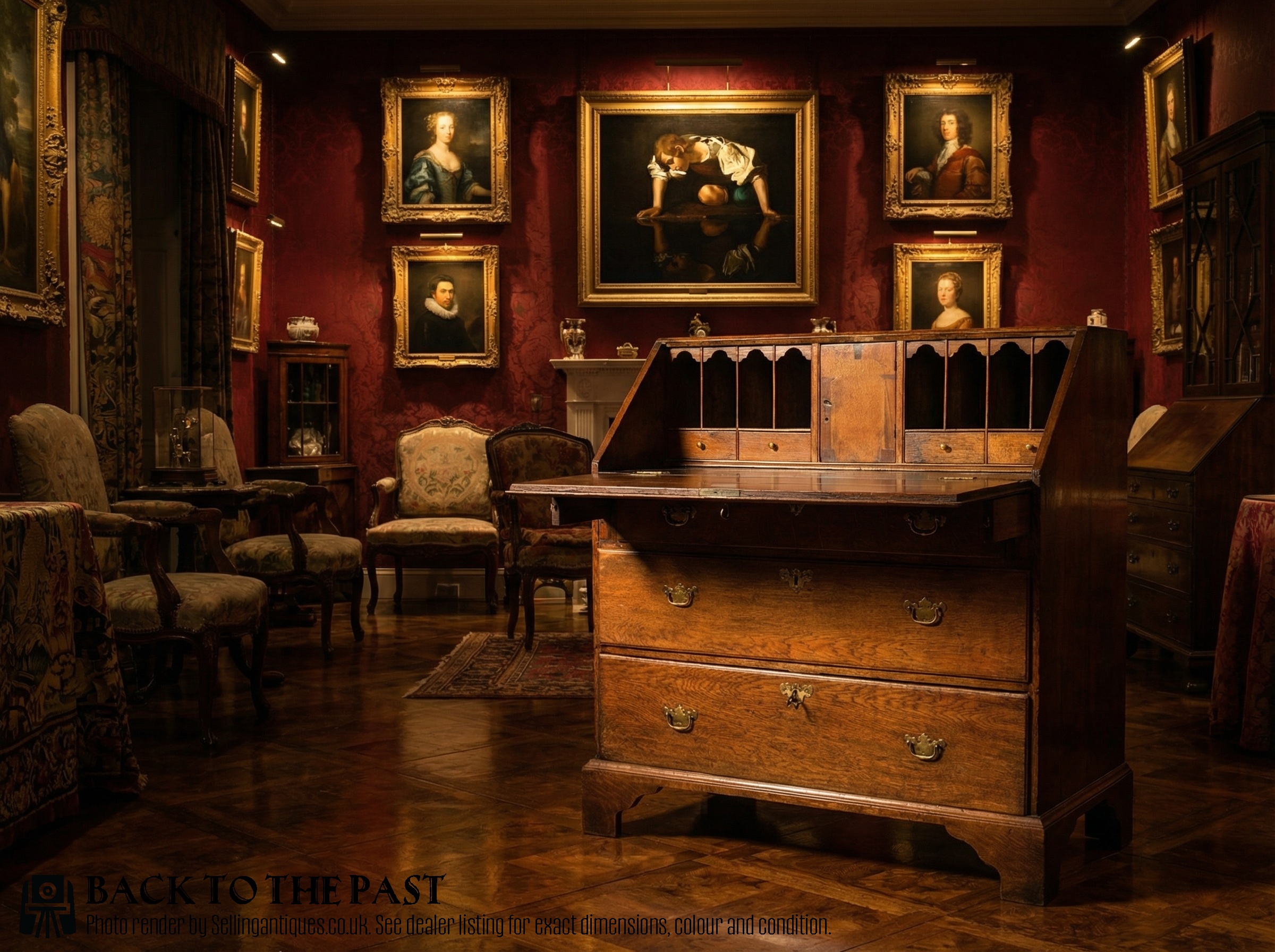
- The hinged sloping panel on a bureau that drops down to form a writing surface. This panel conceals the internal pigeonholes and small drawers when closed.
- Bureau bookcase
- A piece of furniture combining a lower writing bureau with an upper bookcase enclosed by wooden or glazed doors. These tall items provide extensive storage for books and documents.
- Stepped interior
- An internal arrangement within the bureau where pigeonholes and small drawers are arranged in receding tiers. This feature adds complexity and visual depth to the writing space.
- Linenfold
- A style of carved wooden panelling resembling folded vertical linen fabric. This decorative motif frequently appears on Edwardian and revival oak furniture.
- Pollard oak
- Timber taken from trees that have been pollarded, producing a heavily figured and mottled grain pattern. Cabinetmakers utilised this wood for decorative veneers and highlights.
Antique Oak Slant Bureau: Frequently Asked Questions
How do I use a slant bureau?
Lower the sloping fall front to create a horizontal writing surface supported by internal arms or brackets. Inside, utilise the compartments and small drawers to store stationery, letters, and small documents.
When writing is finished, lift the fall front back into its closed position to secure the contents and present a tidy panelled cabinet to the room.
Where should I place an oak bureau?
Position the bureau against a sturdy wall in a study, living room, or bedroom where adequate natural or artificial light reaches the workspace. Ensure there is sufficient clearance in front of the piece for a chair and for the fall front to open fully.
Keep the timber away from direct heat sources such as radiators to prevent the oak from drying out or splitting over time.
How do I date an oak bureau?
Examine the construction methods, hardware, and overall style to determine the period of origin. Seventeenth-century pieces typically display heavier framing and moulded panels, whilst Georgian desks often feature cleaner architectural proportions and fine dovetailing.
Edwardian and 1920s examples frequently incorporate revival styles like Jacobean or Arts and Crafts motifs, combined with machine-assisted joinery alongside hand finishing.