








Early Georgian Oak Furniture
Early georgian oak furniture brings solid timber and honest joinery into rooms that need weight and character.
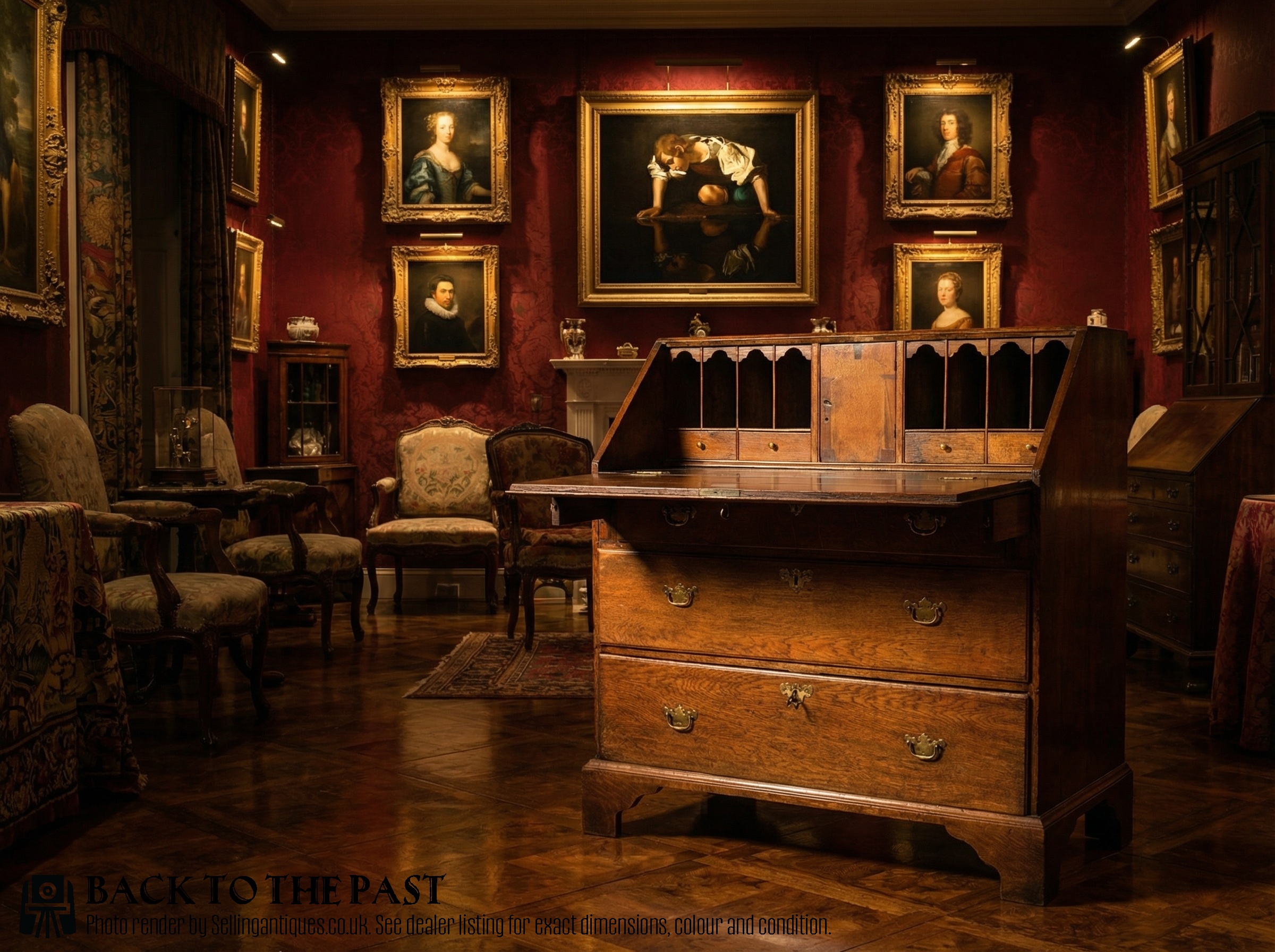
Early Georgian Oak Furniture
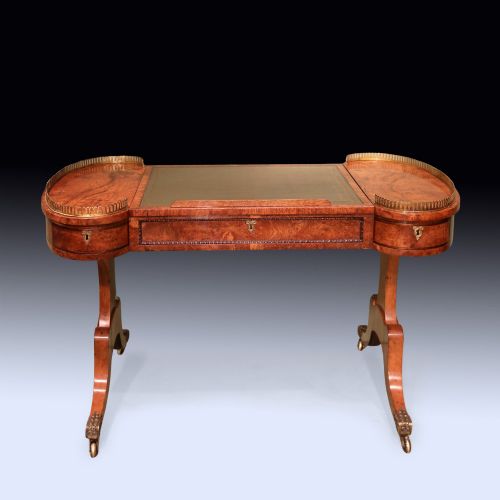
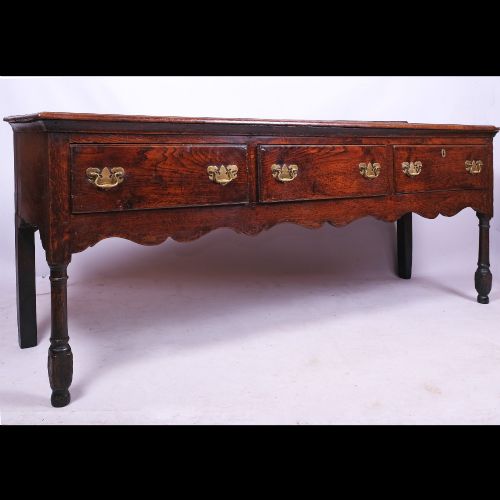
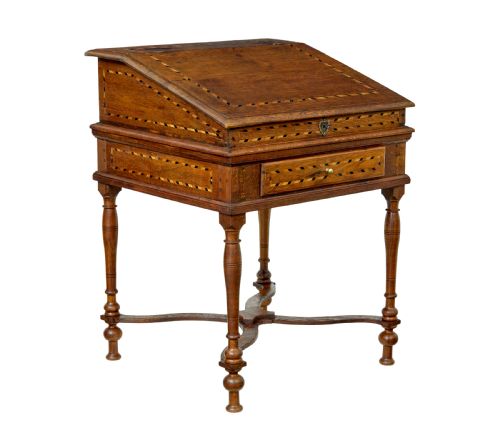
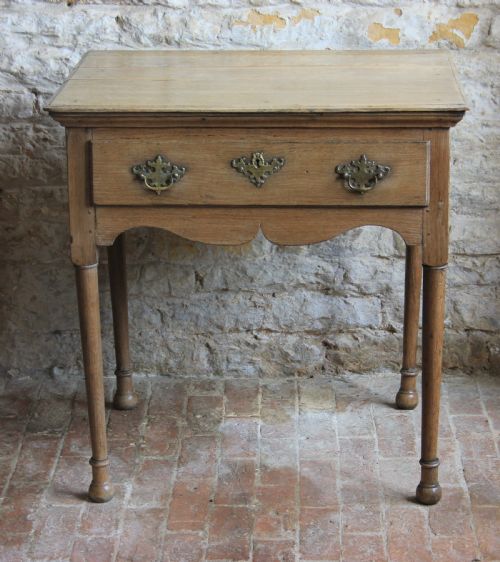
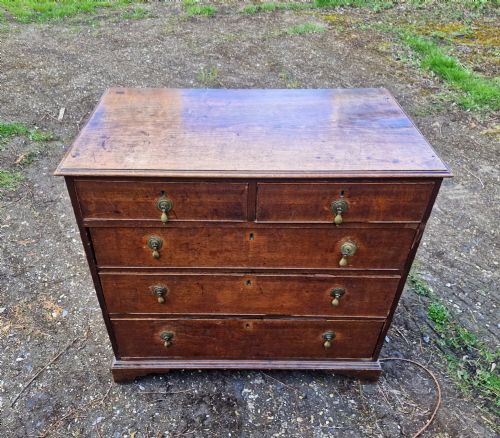
Early georgian oak furniture encompasses practical domestic forms built from sturdy native timber, most commonly seen in chests of drawers, lowboys, side tables, and dressers. These items span the eighteenth and nineteenth centuries, reflecting regional English, Welsh, and Scottish vernacular traditions alongside formal Georgian periods.
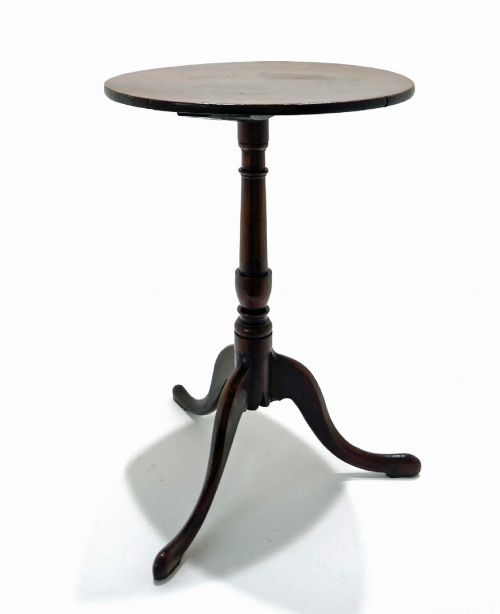
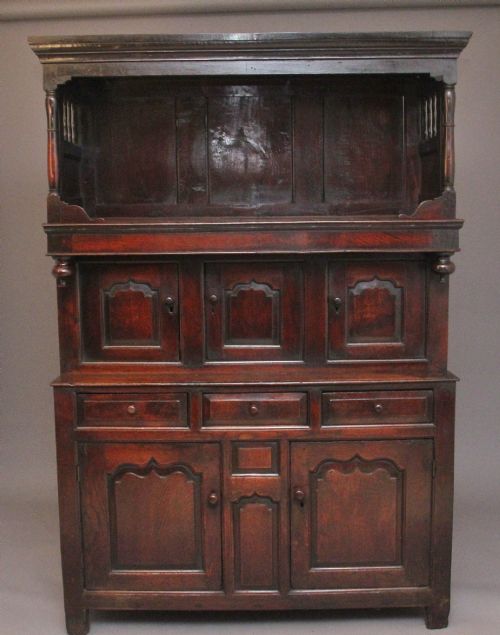
Buyers encounter architectural statement pieces such as tridarns, presses, and settles alongside smaller utilitarian items like cricket tables, tripod tables, and corner cupboards. The selection mixes country workshop items with refined early eighteenth-century George I designs.
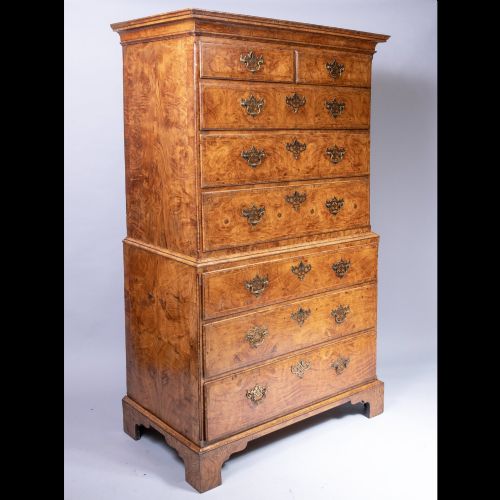
Surviving examples range from small proportioned potboard dressers and cradles to substantial panelled wingback barrel settles and tallboys. The historical breadth covers pieces made from seventeen hundred through to later nineteenth-century revivals.
Assessing construction and survival
Quality rests in the integrity of the original timber and the retention of primary surfaces, where dry patination beats heavy modern stripping and aggressive sanding. Untouched drawer linings and original brasses separate exceptional survivals from heavily restored examples.
Proportion and scale dictate the desirability of larger items like dressers and cupboards, where neat cornices and unblemished panel work maintain architectural balance. The crispness of hand-cut mouldings and the tightness of joints reveal the competence of the original carpenter.
A tiny rocking chair sits patiently among the heavy oak settles and grand dressers, waiting for the smallest member of the household.
The Early Georgian Oak Furniture Glossary
- Lowboy
- A small side table or dressing table fitted with one or more rows of drawers beneath the top surface. They typically date from the early eighteenth century and stood in bedrooms or parlours.
- Tridarn
- A large three-tiered Welsh cupboard used for storing and displaying provisions and household silver. They represent the apex of vernacular regional cabinetry.
- Settle
- A wooden bench featuring a high solid back to block draughts and often incorporating a box seat beneath. Large examples often curve into hooded barrel forms for added warmth.
- Potboard
- An open shelf situated at the base of a Welsh dresser, originally designed for storing heavy earthenware pots. It distinguishes regional open dressers from enclosed cupboards.
- Cricket table
- A small three-legged occasional table built with a triangular frame and splayed legs for stability on uneven floors. They take their name from traditional village sports equipment.
- Dresser base
- The lower section of a kitchen or dining room storage unit containing drawers and cupboards without the upper plate rack. These served as primary food preparation surfaces.
Early Georgian Oak Furniture: Frequently Asked Questions
How do I date early oak furniture?
Dating relies on examining construction techniques, tool marks, and timber shrinkage patterns. Hand-sawn boards and pegged mortise and tenon joints indicate eighteenth-century origin.
Later nineteenth-century interpretations often feature machine-cut components, standardised screws, and different secondary woods inside drawer boxes.
Where should I place an oak settle?
High-backed settles work effectively in hallways, large kitchens, or living rooms where their solid wooden backs act as functional draught excluders. Their enclosed design creates an intimate seating nook.
Position them away from direct heat sources and radiators to prevent the dry timber from splitting or warping over time.
What is the difference between a lowboy and a side table?
A lowboy is structurally a small table that specifically incorporates one or more tiers of working drawers beneath the top surface. Standard side tables in early oak often lack drawers entirely.
Both forms served utilitarian household duties in dining rooms, halls, and bedchambers throughout the Georgian period.
How do I care for antique oak surfaces?
Maintain antique oak surfaces by applying traditional beeswax sparingly and buffing with a soft brush to nourish the dry timber. Avoid silicone-based polishes that build up sticky residues.
Keep pieces out of direct sunlight and maintain stable indoor humidity levels to protect historic finishes and prevent structural movement.