

Antique Oak Side Stool
An antique oak side stool brings sturdy seventeenth-century timber and honest craft directly to modern interiors as a versatile seat or small table.
Antique Oak Side Stool
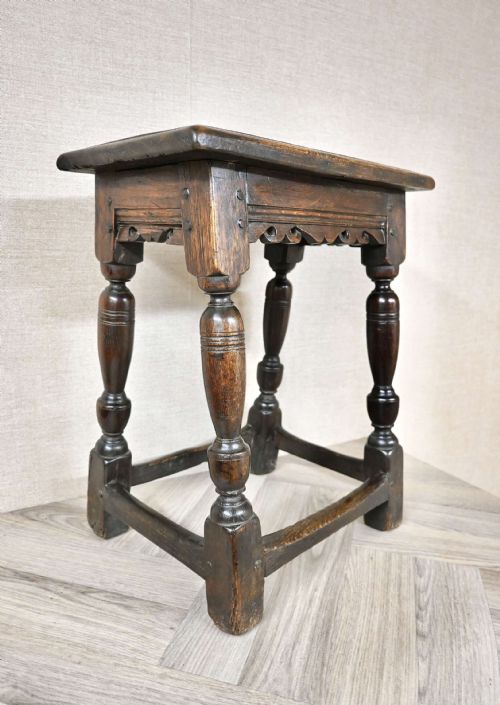
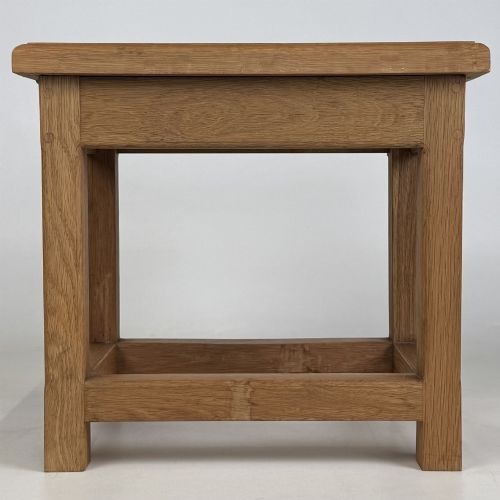
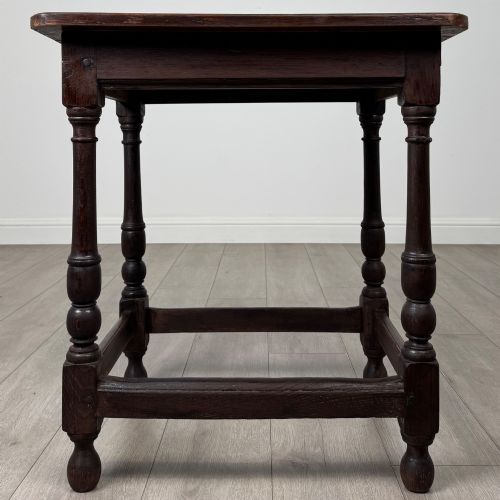
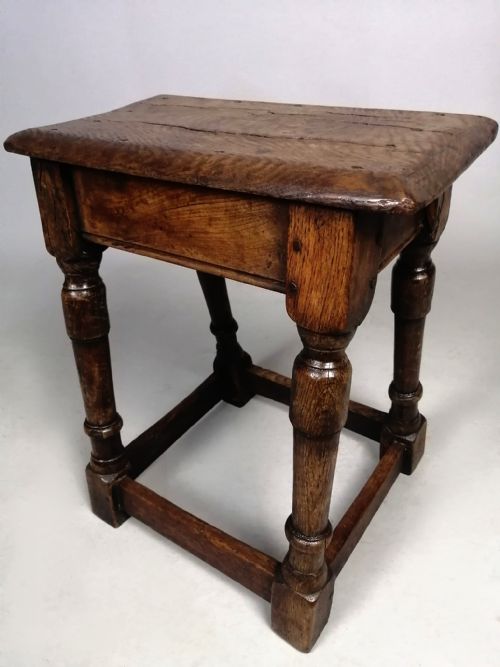
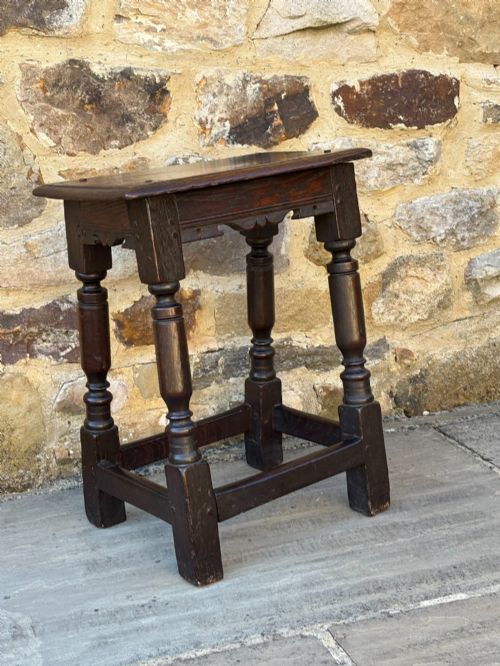
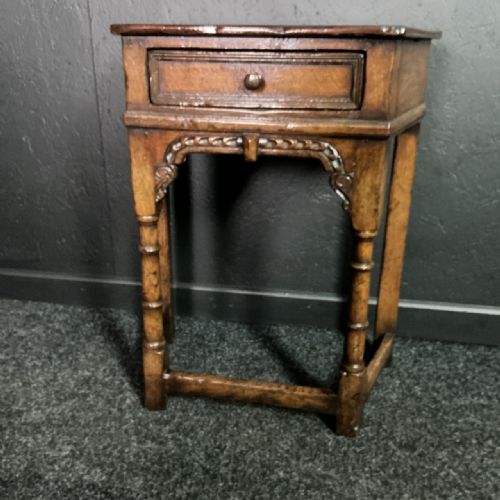
An antique oak side stool is a compact, sturdy seat or low stand built primarily for domestic utility in various historic periods. When exploring this selection, buyers encounter everything from seventeenth-century joint stools to later Edwardian and revival interpretations.
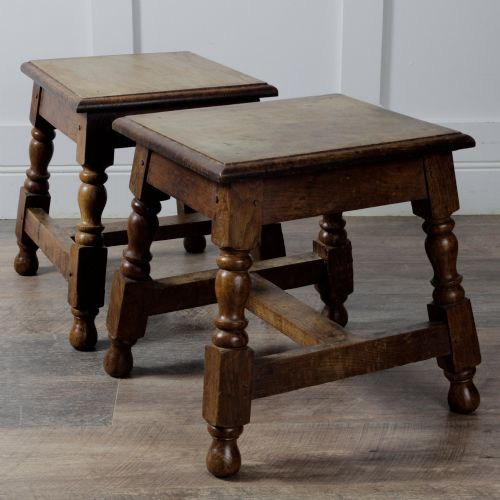
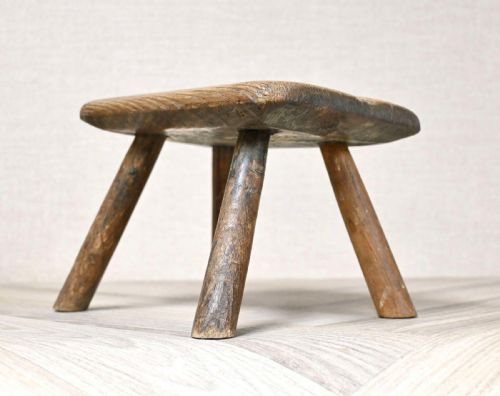
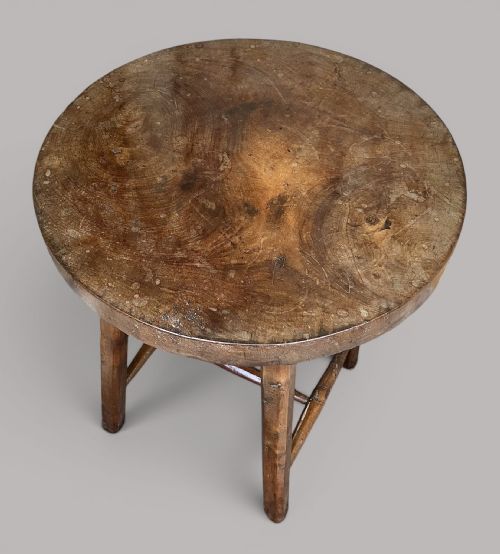
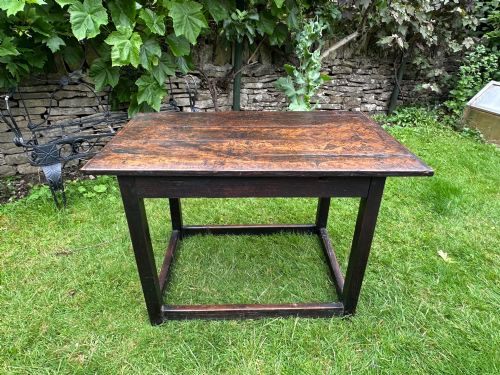
The material forms range from simple joint stools and box stools to occasional tables and cricket tables. Many pieces combine oak with elm or walnut, reflecting provincial English furniture making traditions.
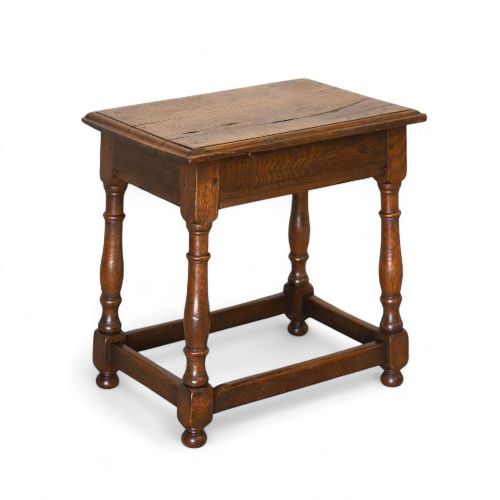
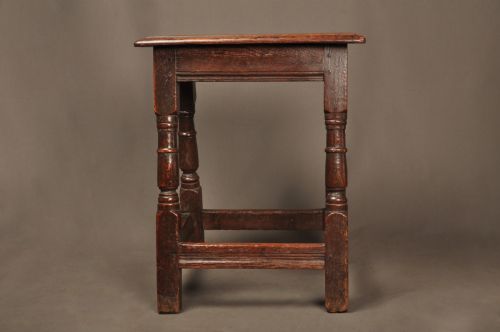
Earlier examples display pegged construction and turned legs characteristic of Jacobean workshops, while later versions adopt Arts and Crafts or rustic country aesthetics.
How they were made
Joiners built these items using solid timbers like oak and elm, often joined by pegged mortise and tenon joints rather than metal fastenings. This method provided the rigid frame necessary for daily seating and domestic use.
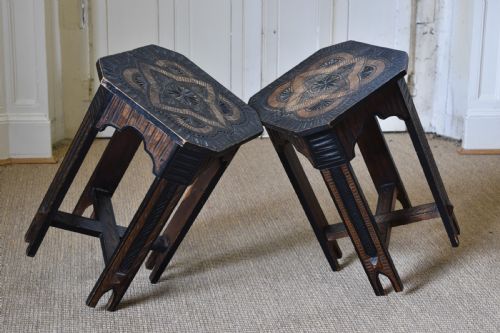
Surface decoration on the timber involved chip carving, turnery such as bobbin turning, and hand planing that left subtle tool marks. Secondary materials like brass and iron appear occasionally in hinges, brackets, or fixings.
Among the seating arrangements, a sculptural tree seat stands ready for a woodland nymph who wandered into an Edwardian garden.
What varies in quality
The integrity of the original timber frame separates standard examples from superior ones, particularly where pegging remains tight and undisturbed by modern replacements. Surface patination also distinguishes the pieces, with untouched historic wax polish and rich colour holding greater visual depth.
Proportion and structural balance dictate the success of the form, as provincial pieces with well-balanced turned legs and authentic plank tops demonstrate a superior understanding of traditional joinery.
The Antique Oak Side Stool Glossary
- Joint stool
- A sturdy wooden seat constructed with pegged mortise and tenon joints by a joiner rather than a carpenter. These pieces served diverse domestic functions including seating and small side tables.
- Box stool
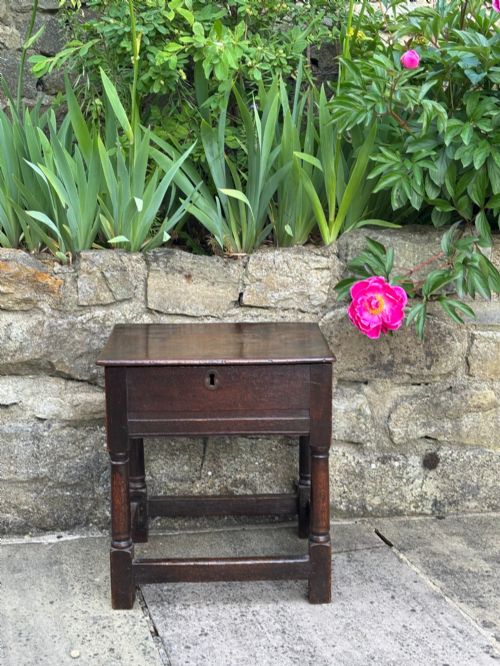
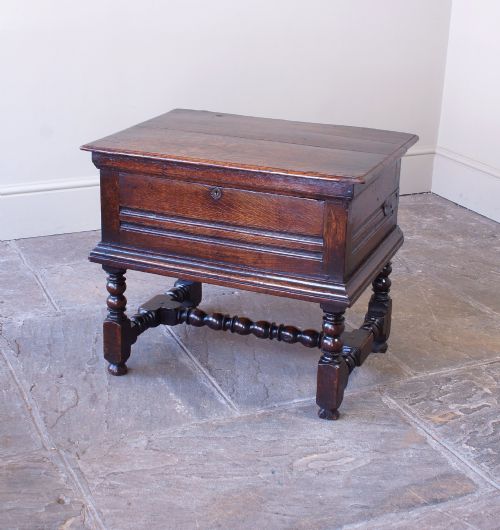
- A seated piece featuring a hollow compartment beneath the lid for storage. They occasionally doubled as close stools.
- Cricket table
- A small three-legged occasional table with a round top. The three legs ensure stability on uneven farmhouse floors.
- Pegged construction
- A method of securing joints by driving wooden pins through the mortise and tenon. This traditional technique avoids metal nails.
- Patina
- The surface texture and sheen developed on wood through decades of handling, polishing, and ageing. It reveals the genuine history of the timber.
Antique Oak Side Stool: Frequently Asked Questions
What is an antique oak side stool used for today?
These versatile pieces function easily as small bedside tables, lamp stands, or portable seats in a hallway or living room. Their compact size allows them to fit into tight spaces where larger furniture will not go.
Historically utilised for sitting or reaching high shelves, they now offer practical surface space while adding historic character to contemporary interiors.
How can I tell a seventeenth-century stool from a later revival piece?
Authentic seventeenth-century pieces display genuine wear patterns, hand-cut joinery with wooden pegs, and deep patination accumulated over centuries of use. Tool marks and timber shrinkage are consistent with age.
Revival pieces made during the Edwardian period or the nineteen-thirties often employ machine-turned elements and display cleaner, more uniform surfaces without the authentic underlying wear.
Are these stools strong enough for daily seating?
Most joint stools and box stools were built with robust oak framing and pegged joints designed specifically to bear heavy daily weight. They remain exceptionally sturdy structures.
It is sensible to check that the joints remain tight and the timber sound before using them as regular seats rather than decorative display surfaces.
What woods besides oak are found in these listings?
Elm frequently appears alongside oak, particularly in plank tops, seats, and country vernacular pieces where tough woods were required. Walnut and pollard oak are also present in specific tables and decorative items.
Secondary materials such as stained wood, ash, and iron appear in various regional styles and later revival iterations.