
Antique Oak Press
When you trace the lineage of an antique oak press, you encounter centuries of regional storage forms built to house textiles, provisions, and household stores.
Antique Oak Press
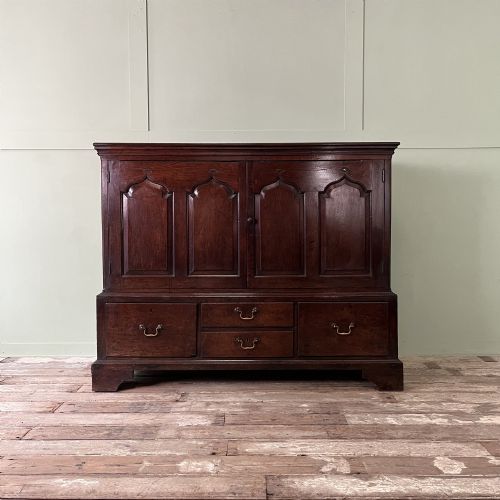
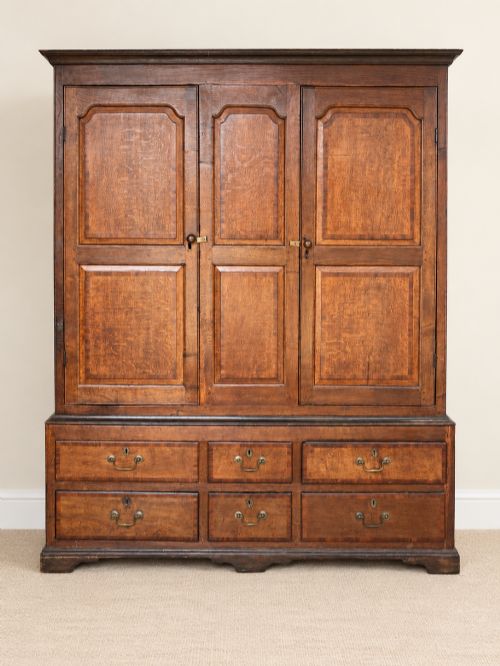
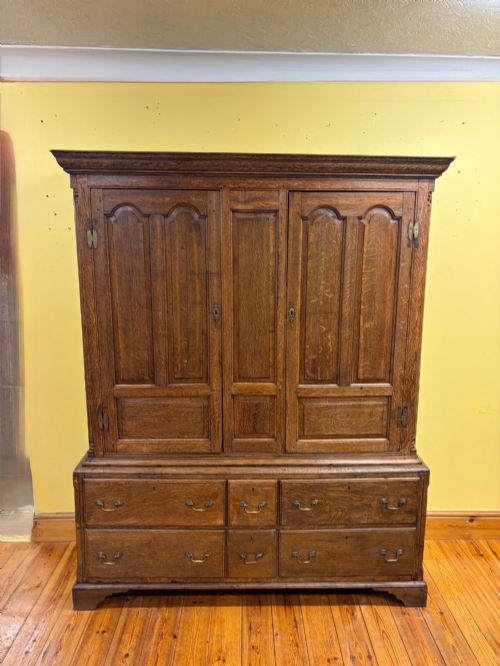
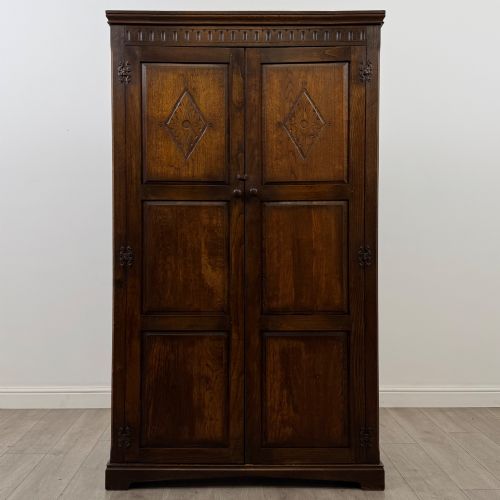
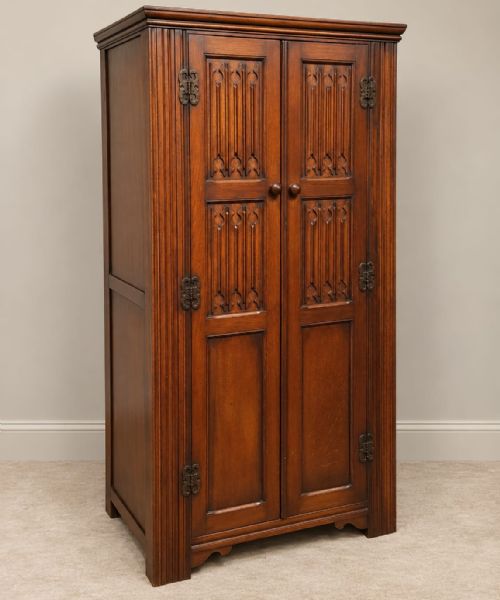
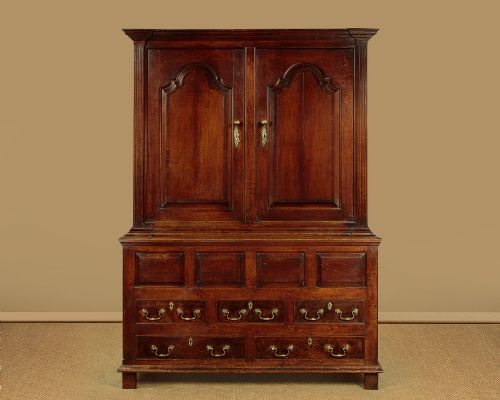
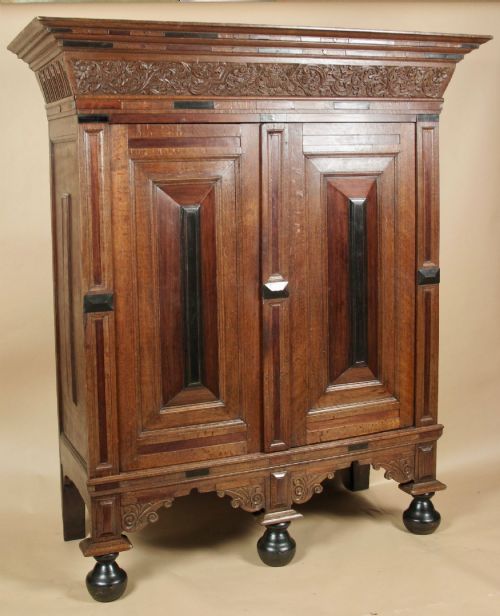
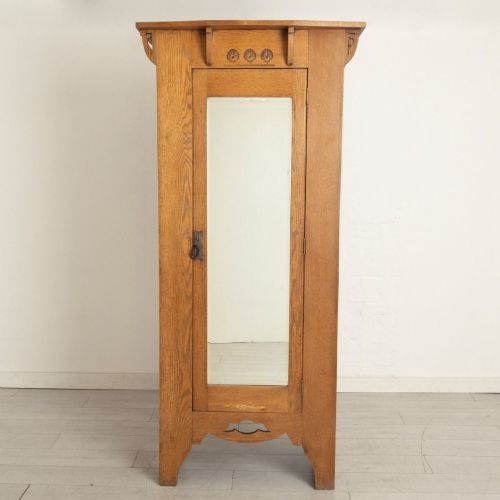
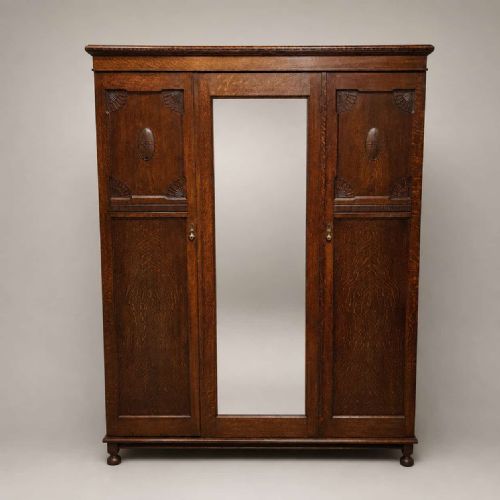
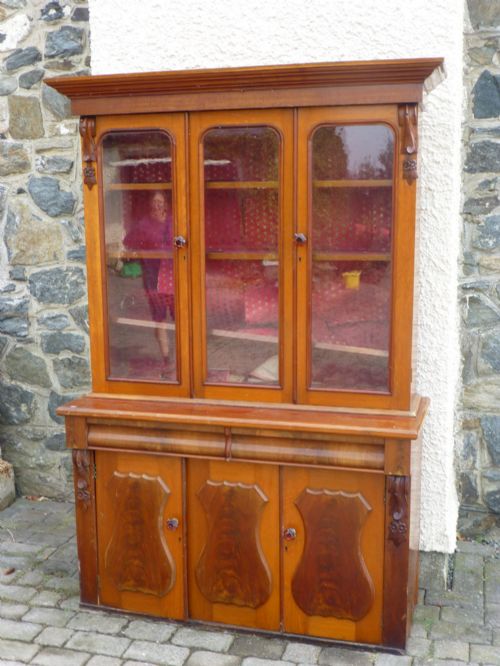
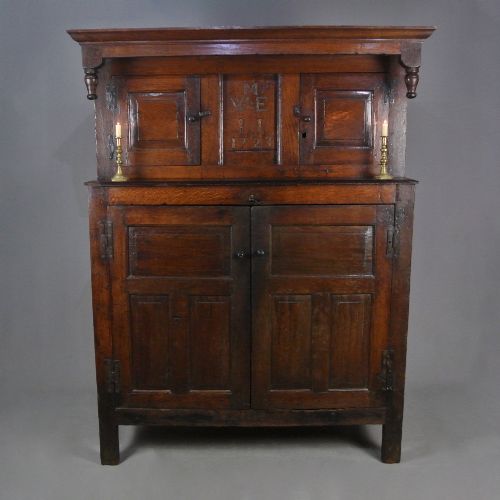
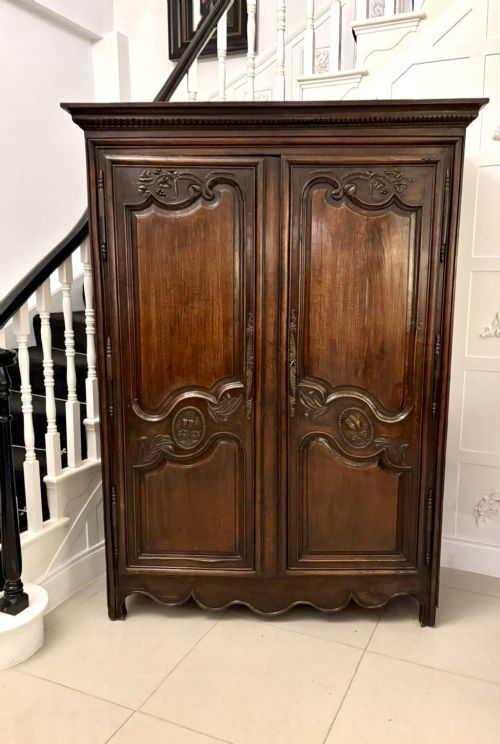
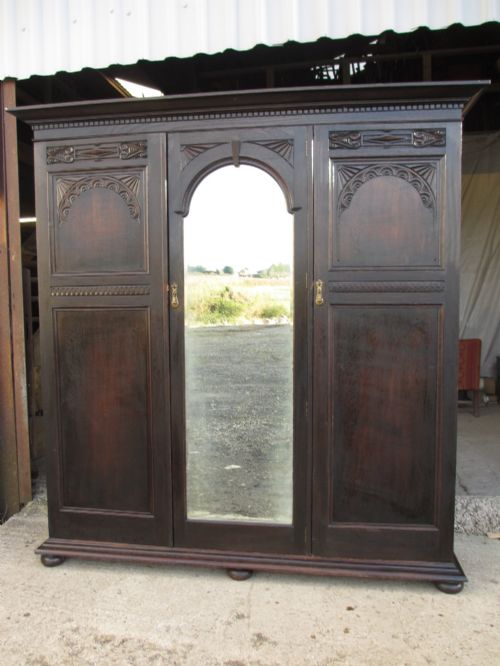
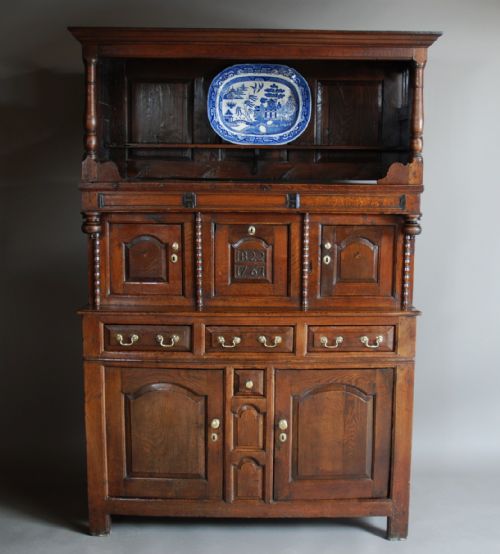
An antique oak press encompasses heavy timber storage furniture designed for linens, clothing, and household provisions, originating across seventeenth, eighteenth, and nineteenth-century workshops. The pieces seen here range from substantial Welsh cwpwrdd tridarns and housekeeper cupboards to Georgian linen presses and compactum wardrobes from the Edwardian era.
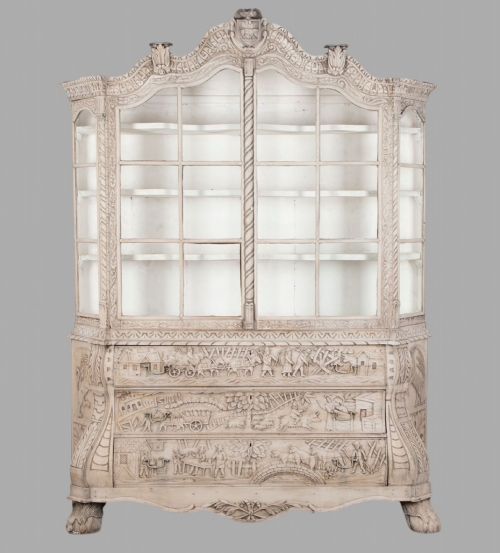
Regional vernacular traditions heavily influence these forms, particularly in Welsh pieces featuring inlaid decoration or bread and cheese storage, alongside continental examples such as French armoires and Dutch cabinets. Buyers searching this category frequently encounter multi-stage cupboards and wardrobe variants shaped by local domestic needs and regional joinery methods.
Factors that distinguish examples
Quality rests significantly in the preservation of original surfaces, such as untouched patination developed over centuries of wax polishing, versus over-restored or stripped timber. The crispness of hand-carved panels, deep mouldings, and intact period hardware also separate utilitarian storage from master joinery.
Structural integrity and proportion define the upper tier of surviving pieces, where original floorboards, backboards, and internal sliding trays or hanging spaces remain unaltered. Regional distinctiveness, such as documented Welsh origins or stamped maker marks, adds archival weight to individual items.
Antique Oak Press Retail Price Guide 2026
Typical asking prices for oak press among the pieces listed under this phrase on Sellingantiques today, from the lower quarter to the upper quarter. They describe what is for sale here now, not the wider market.
Current listings span from robust 17th-century vernacular oak press cupboards to Edwardian oak wardrobes and compactums.
Heals of London·Harris Lebus
The Antique Oak Press Glossary
- Press cupboard
- A large storage furniture piece featuring upper and lower cupboard sections, historically used for linens and clothing. It often incorporates internal shelves or sliding trays.
- Court cupboard
- An early two-tier or three-tier storage form with a recessed upper stage supported by pillars. These seventeenth and eighteenth-century pieces often display elaborate carved decoration.
- Cwpwrdd tridarn
- A traditional Welsh three-tier cupboard featuring an open middle section flanked by balusters beneath an upper canopy. They represent regional vernacular joinery at its most ambitious.
- Scumble
- A decorative paint technique applied to imitate more expensive wood grains or to create mottled surface patterns. Surviving examples preserve nineteenth-century surface treatments.
- Compactum
- A fitted wardrobe designed with internal compartments, drawers, and hanging space configured for maximum efficiency. These appear frequently in later nineteenth and early twentieth-century designs.
Antique Oak Press: Frequently Asked Questions
What is the difference between a press and a wardrobe?
A press traditionally designates a cupboard fitted with internal sliding trays or presses specifically designed to flatten and store linens and folded garments. Wardrobes focus primarily on vertical hanging space for garments on rails or hooks.
Over successive periods, the two forms merged as modern clothing storage requirements evolved, leading to hybrid compactum designs that combined hanging sections with linen slides and drawers.
How do I care for an antique oak surface?
Maintain antique oak surfaces by applying traditional beeswax sparingly and buffing with a soft, lint-free cloth to preserve the natural patina. Avoid modern silicone sprays and keep timber away from direct heat sources and strong sunlight.
Allow the wood to breathe naturally within stable indoor humidity conditions to prevent timber shrinkage and movement in historic joints.
Where were most regional oak presses made?
Regional oak presses emerged from local joiners' shops across the British Isles, with distinct concentrations in Welsh counties such as Carmarthenshire and Snowdonia. Continental workshops in France, Flanders, and Spain also produced robust regional variations using local oak.
Rural workshops relied on accessible native timber, producing vernacular styles that reflected the specific domestic storage needs of each geographical area.
How can I tell a seventeenth-century press from a Georgian one?
Seventeenth-century pieces typically feature heavy frame-and-panel construction, geometric mouldings, pegged joints, and deep, dark patination with distinct architectural carving. They often take the form of low cupboards or court cupboards with heavy proportions.
Georgian examples transition toward cleaner classical lines, improved internal fittings like sliding linen trays, and lighter overall proportions influenced by evolving eighteenth-century interior design tastes.