
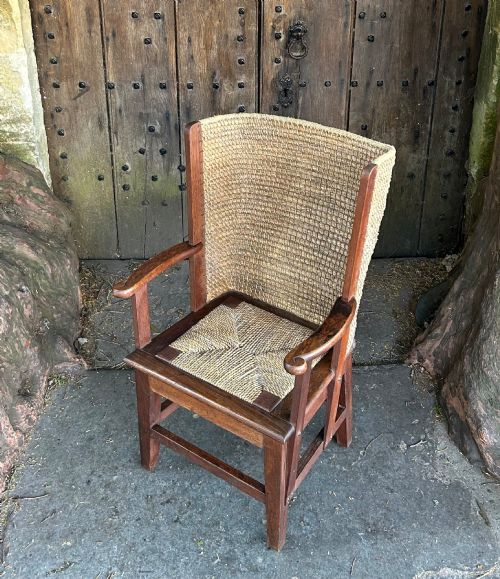
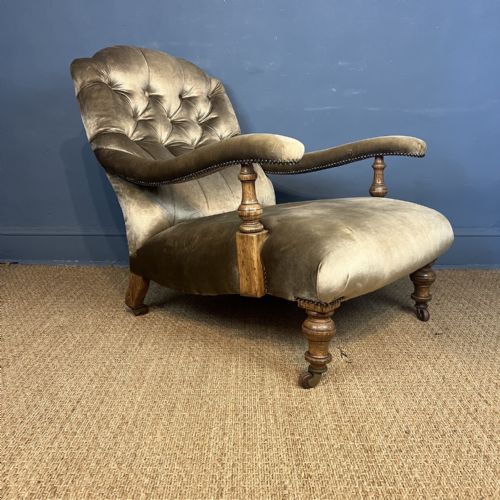
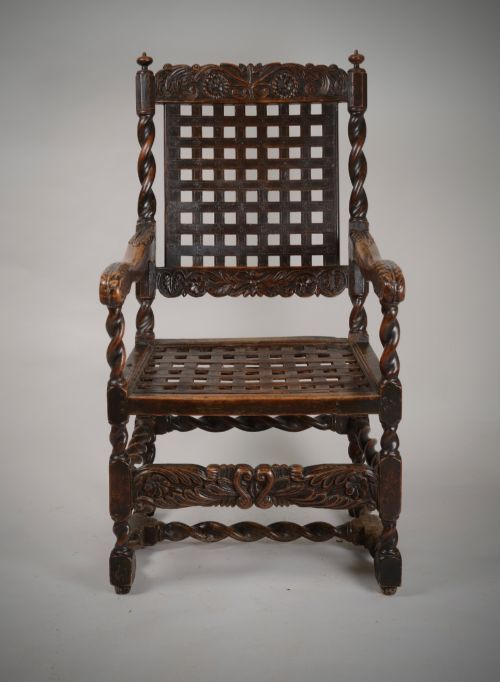
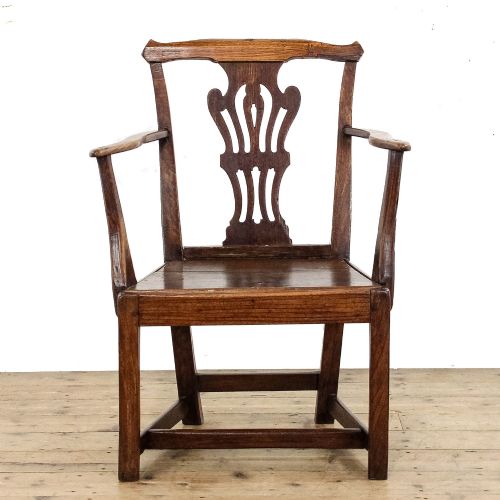

Antique Oak Open Armchair
An antique oak open armchair offers sturdy construction and rich grain, bringing centuries of domestic craft directly to your room.
What these pieces are
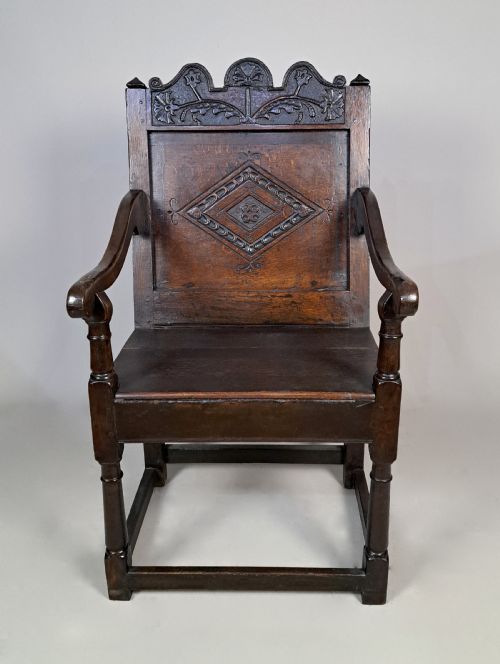
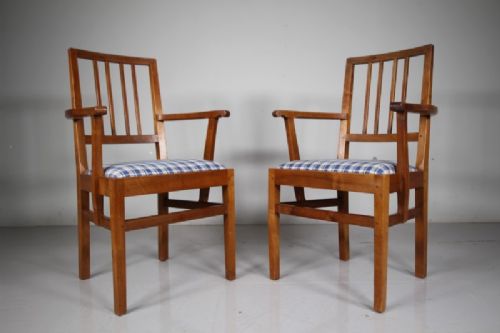
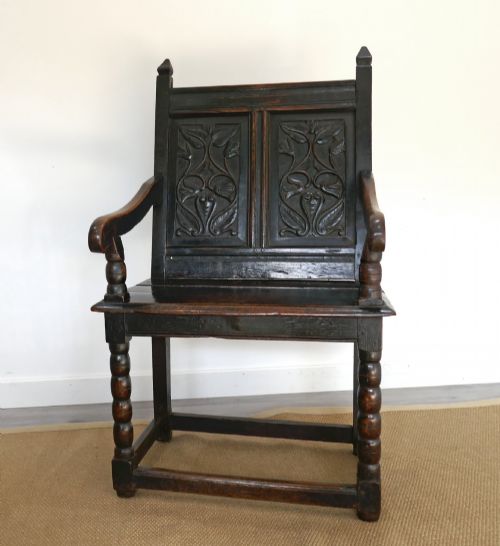
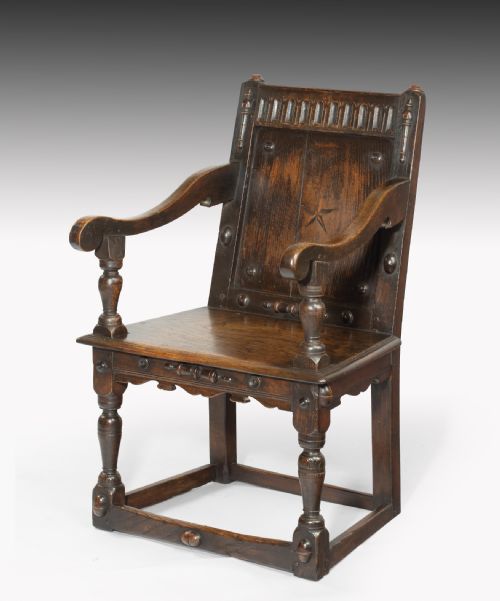
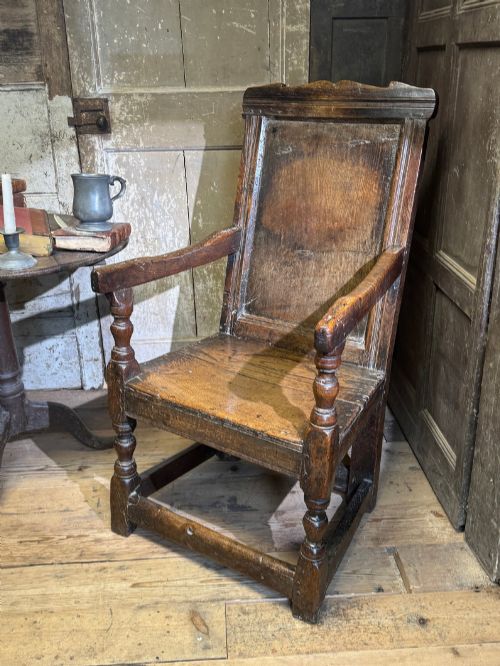
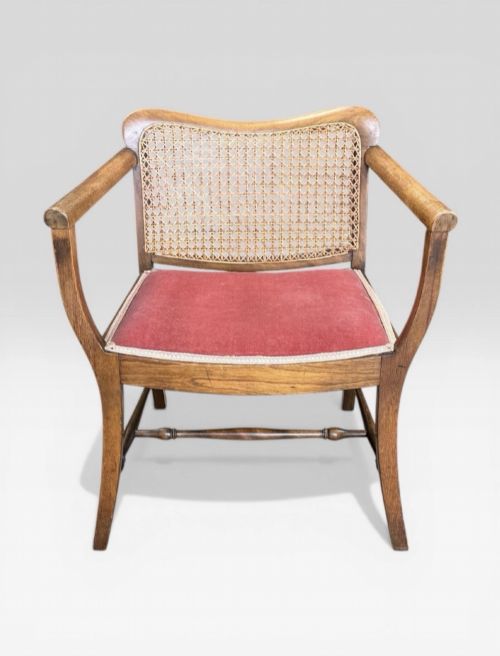
An antique oak open armchair is a substantial seating form built from sturdy timber, spanning periods from the seventeenth century through the Georgian era and into later Victorian examples. Buyers searching this phrase encounter robust vernacular designs, including provincial wainscot chairs and regional country seating.
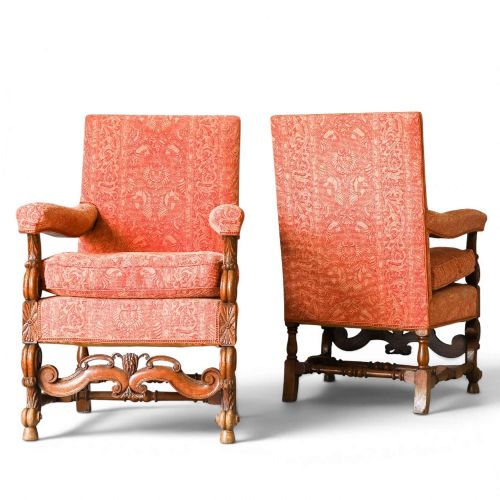
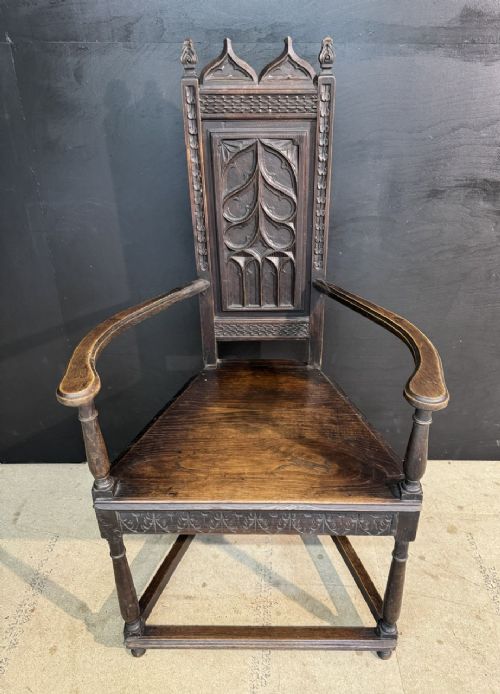
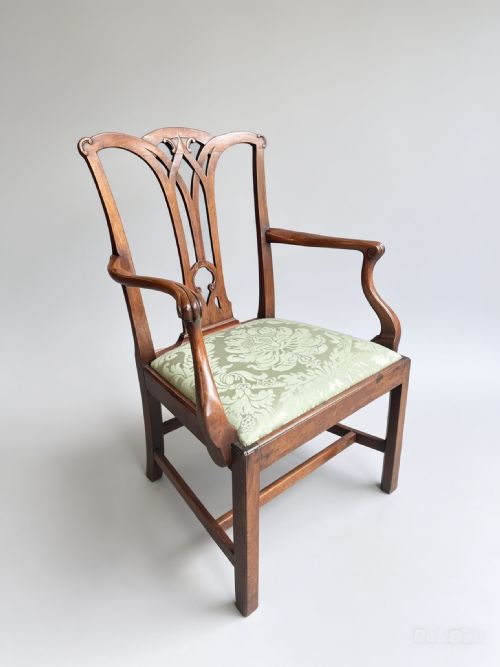
The pieces on offer lean heavily towards seventeenth century English craftsmanship and late eighteenth century Welsh or regional country workshops. Many examples feature open elbow supports and panelled construction rather than upholstered padding.
How they were made
These armchairs are constructed entirely from solid oak, utilising traditional joinery such as mortise and tenon frames secured with wooden pegs. Timber was locally sourced and heavily worked by hand using adzes, saws and drawknives.
Surfaces display the natural grain and tool marks of early carpentry, sometimes enhanced with panel carving, turned supports or simple leather additions in later iterations.
Retail Price Guide 2026
Typical UK retail prices for oak open armchair, calculated from the Sellingantiques database of over a million retail prices indexed since 2003. This retail price guide relies exclusively on Sellingantiques data; no external sources or auction records are used, so the figures do not describe the wider market.
Current listings and past archives feature pieces spanning the seventeenth century, the eighteenth century, and the Georgian period, all constructed in solid oak.
What varies in quality
Quality in an antique oak open armchair rests on the integrity of the original timber and the survival of early joinery without excessive modern replacement parts. Heavier proportions and regional distinctiveness, such as Welsh or Lancashire origins, separate everyday vernacular items from more notable workshop pieces.
The handling of the carved panels and the patination developed over centuries dictate the visual depth of the chair. Surfaces that retain deep, unpolished warmth outshine dry or heavily stripped timber.
Heals
The Antique Oak Open Armchair Glossary
- Wainscot chair
- A heavy wooden armchair of sixteenth or seventeenth century origin, traditionally constructed with panelled backs and solid oak seats. This form represents an early and desirable evolution in domestic seating.
- Vernacular furniture
- Items made by regional carpenters for local use rather than high urban workshops. These pieces reflect distinct local traditions rather than court fashions.
- Elbow chair
- A traditional term for an armchair, particularly those with open wooden arms rather than upholstered sides. They were often placed at the head of a table or by a hearth.
- Patina
- The surface sheen and colour acquired by oak over centuries through handling, light and waxing. A rich patina indicates age and honest use.
Frequently Asked Questions
How do I date an oak armchair?
Dating relies on construction methods, joint types, and regional design traits seen in the timber framing. Early pieces display hand-riven boards and pegged joints.
Later vernacular examples from the eighteenth century incorporate simpler turned components and regional stylistic hints specific to areas like Wales or Cheshire.
Were these chairs used at dining tables?
Early wainscot and panelled armchairs were significant household items, often reserved for the head of the household or important guests rather than grouped around a table.
As centuries progressed into the Georgian period, open armchairs served multiple domestic functions in halls, libraries, and parlours.
How should I care for antique oak?
Maintain the timber by applying natural beeswax sparingly and avoiding direct sunlight or intense heat sources that dry out the wood.
Gentle dusting with a soft cloth preserves the historic surface without stripping the accumulated patina.
Are these chairs comfortable for daily use?
Many seventeenth and eighteenth century designs feature rigid wooden seats and upright backs, prioritising sturdy posture over cushioned ease.
Adding a simple loose leather or wool squab pad offers practical comfort while respecting the historic frame.