
Antique Oak Office Furniture
Antique oak office furniture brings enduring utility and timber strength into a workspace, featuring desks, filing cabinets and swivel chairs from Victorian to Art Deco periods.
Antique Oak Office Furniture
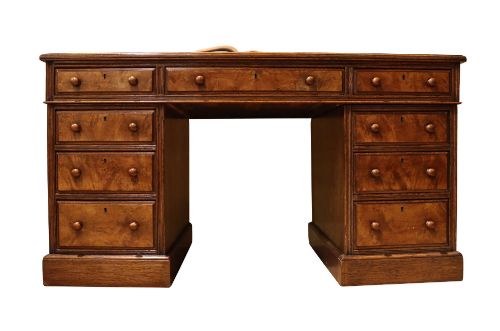
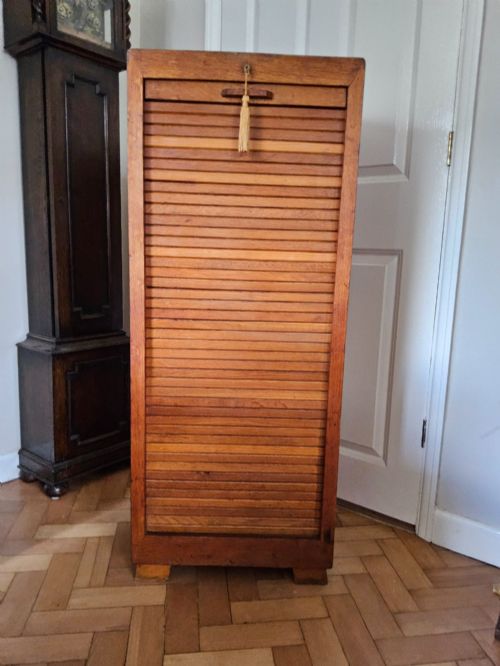
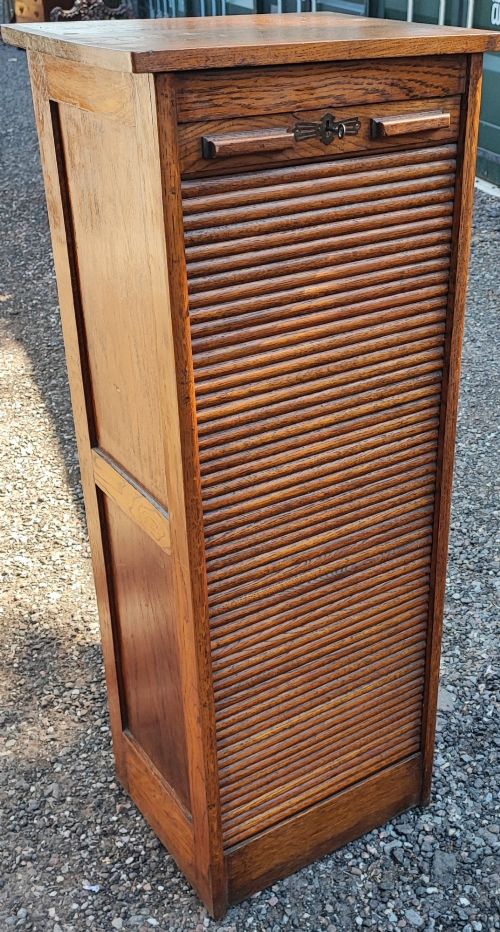
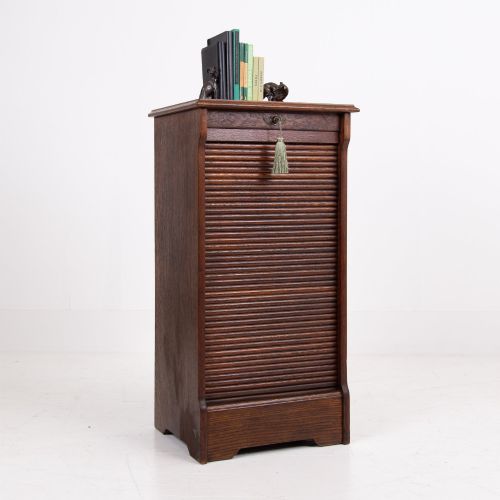
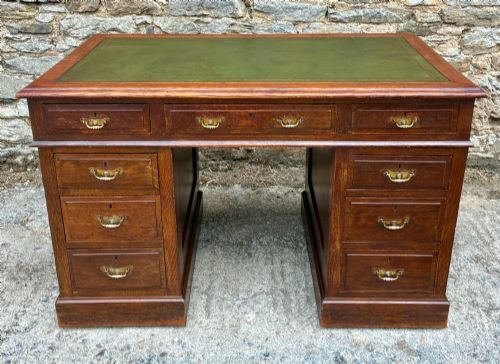
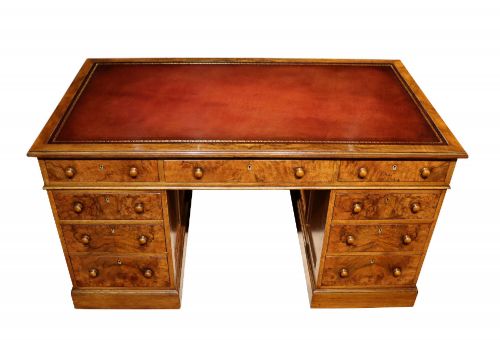
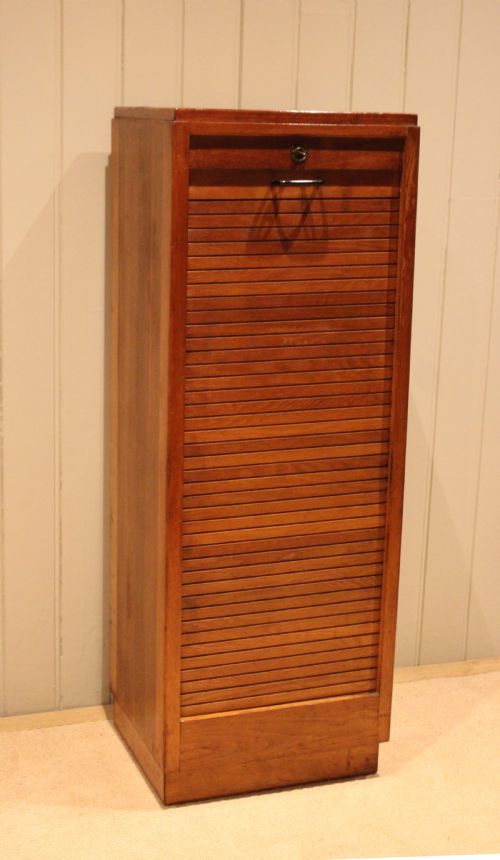
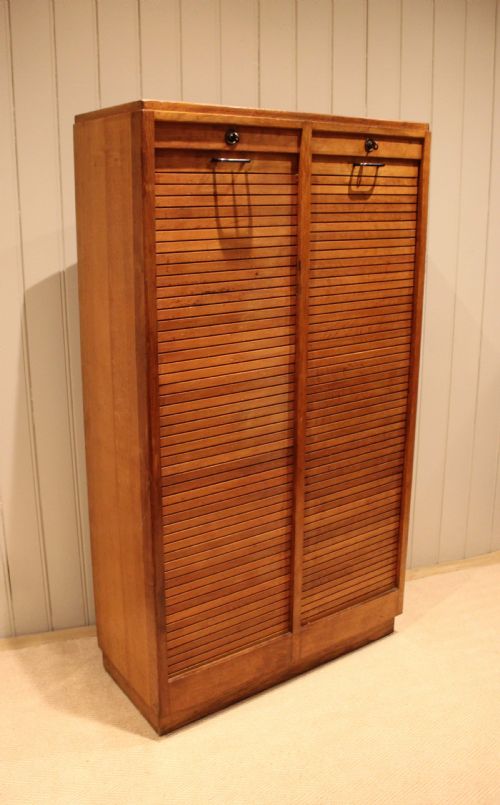
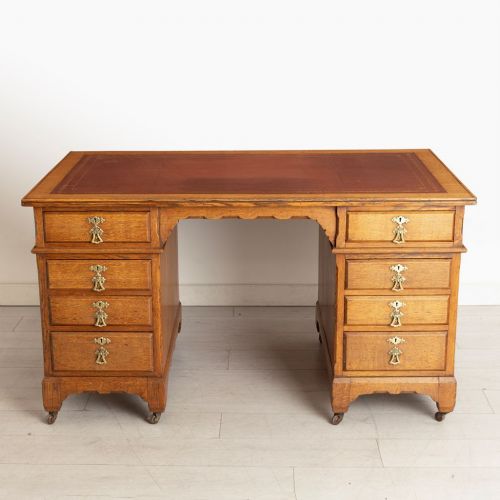
When you search for antique oak office furniture, you encounter sturdy working pieces designed for commercial and domestic studies during the nineteenth and early twentieth centuries. The selection centres primarily on heavy pedestal desks, tambour front filing cabinets and revolving desk chairs originating from the Victorian and Edwardian eras.
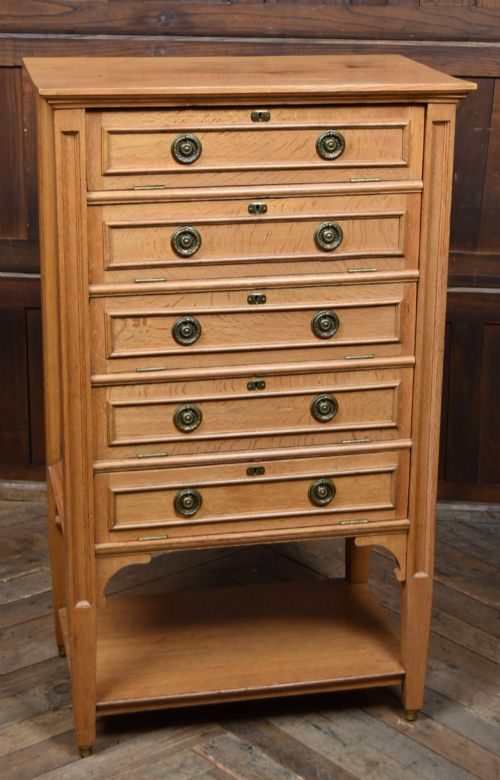
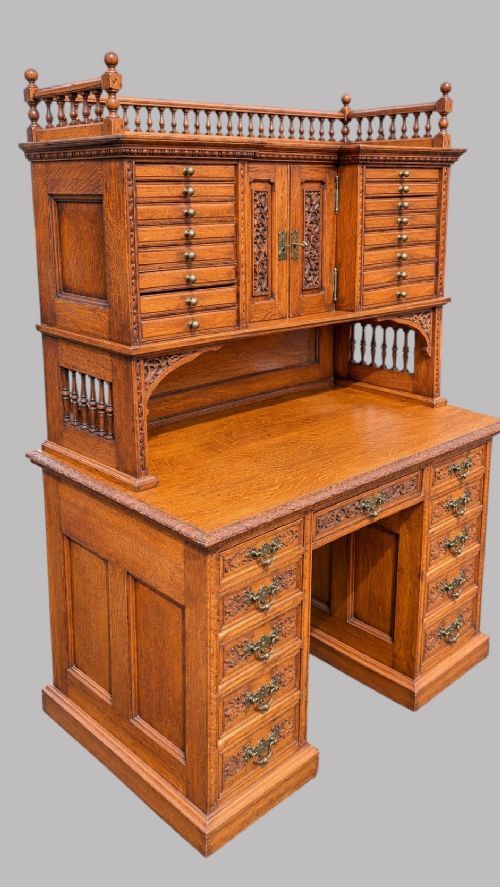
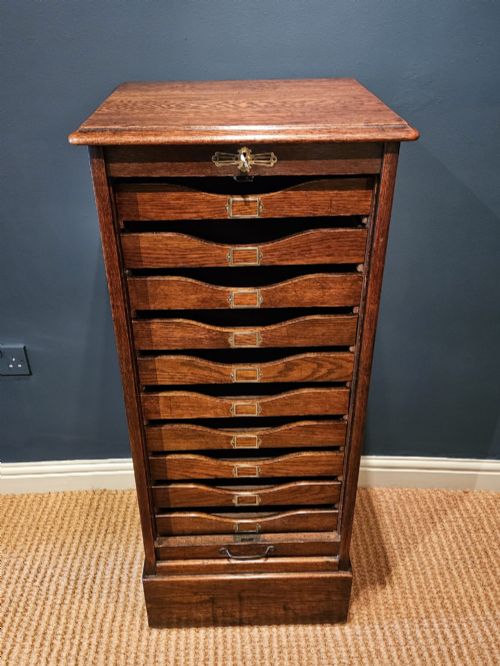
Desks take various forms, from kneehole writing tables and partner's desks to roll top and Dickens designs fitted with numerous drawers. Filing cabinets often incorporate slatted tambour doors or letter files, while seating ranges from captain's chairs to swivel armchairs upholstered in leather.
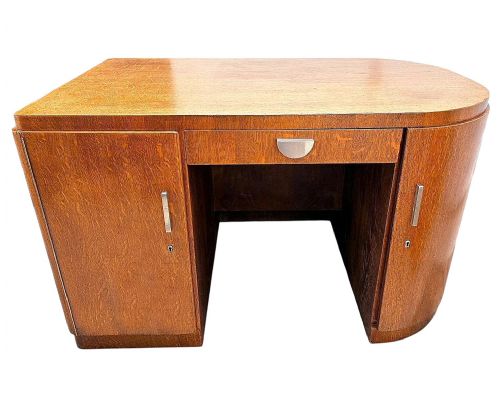
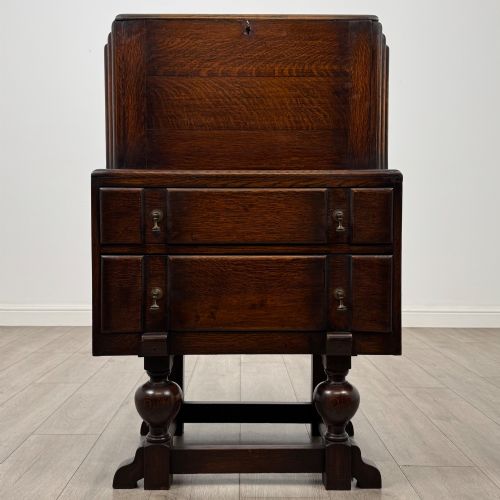
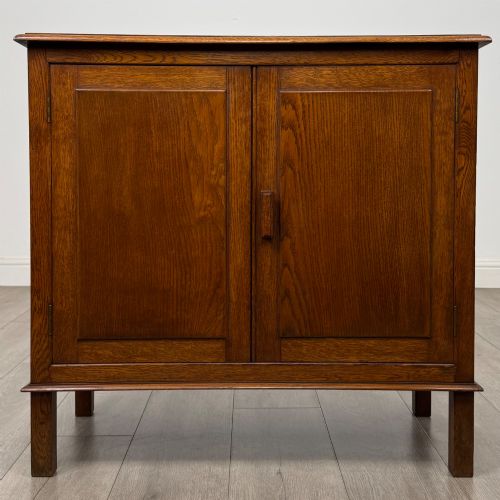
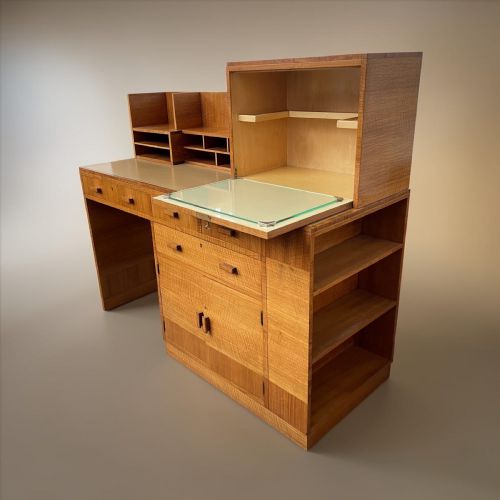
The materials and styles span from late seventeenth-century bureaus to 1930s Art Deco modernist pieces and French utility items. Oak predominates as the primary timber, frequently complemented by brass hardware and leather inserts.
What varies in quality
Quality rests upon the integrity of the timber selection, the complexity of internal drawer configuration, and the retention of original mechanical fittings like tambour tracks and patent letter files. Finer examples display figured oak grain and secondary burr walnut panels, whereas utilitarian pieces rely on plainer quarter-sawn boards.
The sophistication of the design differentiates standard production models from bespoke commission pieces built for specific institutions or town halls. Original hardware, intact leather inserts, and maker labels or stamps further distinguish superior survivals from altered or heavily restored items.
Listings feature oak items spanning the seventeenth century through the Art Deco period, alongside brass, leather, and burr walnut.
Heal's·Jenners·Bell Barn Furniture
The Antique Oak Office Furniture Glossary
- Tambour
- A flexible sliding door made from narrow strips of wood affixed to canvas, commonly found on filing cabinets and roll top desks to conceal interior compartments.
- Kneehole desk
- A pedestal desk featuring a central recess for the user's legs, flanked by banks of drawers on either side.
- Partners desk
- A large double-sided desk designed for two people to work opposite one another, equipped with drawers and cupboards on both faces.
- Book press
- A heavy mechanical screw press historically used for copying documents or flattening damp paper, constructed in robust timber.
- Smoker's bow
- A sturdy, low-backed wooden armchair with turned spindles, frequently utilised as a comfortable desk chair in offices.
Antique Oak Office Furniture: Frequently Asked Questions
How do I identify a partner's desk?
A partner's desk is distinguished by drawers and cupboards accessible from both sides, allowing two people to sit opposite each other and work simultaneously. These large pieces were traditionally used in libraries and boardrooms.
They often feature spacious leather-lined tops and substantial pedestal bases containing numerous storage compartments.
What is the difference between a kneehole and pedestal desk?
A kneehole desk typically describes a writing table with a single pedestal or a recessed central space beneath the main surface, sometimes housing a single drawer. Pedestal desks consist of two substantial columns of drawers supporting the top.
Both forms utilise oak extensively, but pedestal variants offer significantly more enclosed storage capacity for office paperwork.
Are swivel desk chairs comfortable for daily use?
Antique office chairs, including Edwardian captain's chairs and swivel armchairs, are designed with ergonomic curved wooden backs and supportive armrests. Many retain their original mechanical swivel and height-adjustment iron columns.
While robust and supportive, they lack modern foam cushioning, so users often add discreet matching squabs for extended seating sessions.
How do I care for a leather desk insert?
Leather desk inserts require gentle cleaning with a slightly damp cloth followed by a neutral leather conditioner to prevent drying and cracking. Avoid abrasive chemical cleaners or excessive moisture on the surrounding oak timber.
Regular maintenance preserves the supple texture and rich tone of the writing surface against daily friction from paperwork.