
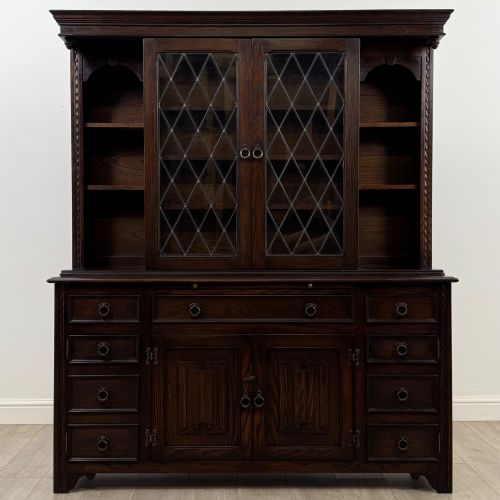
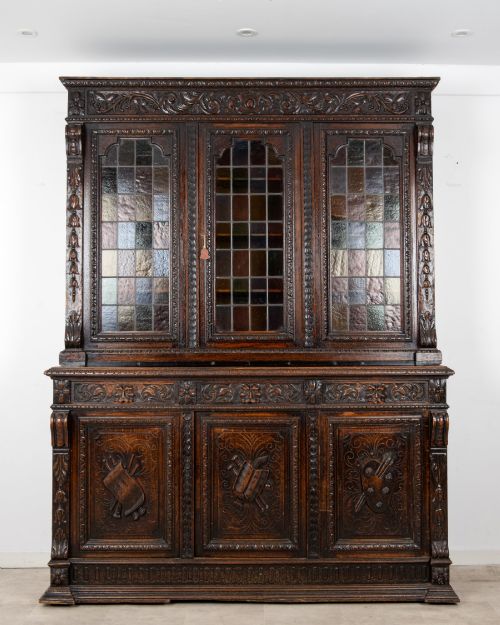
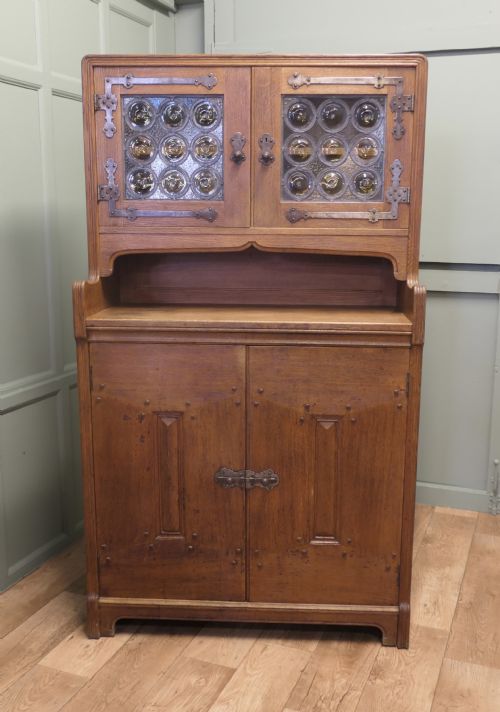
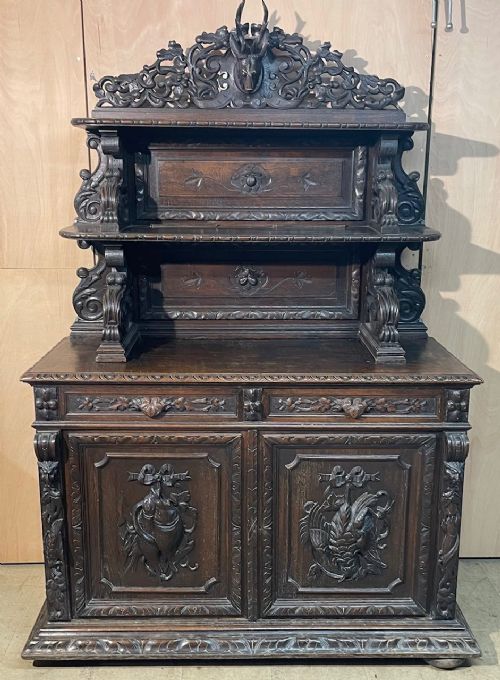
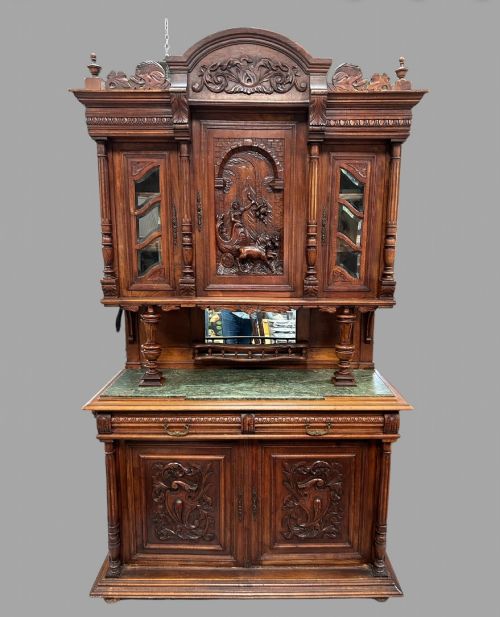
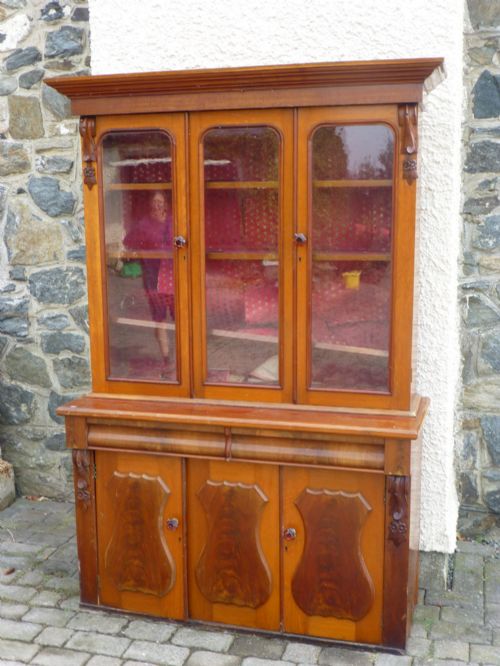
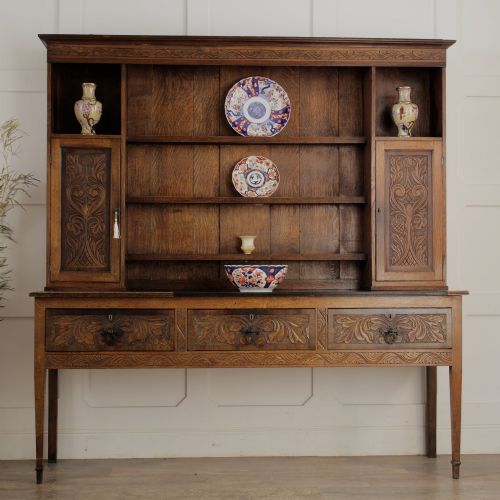
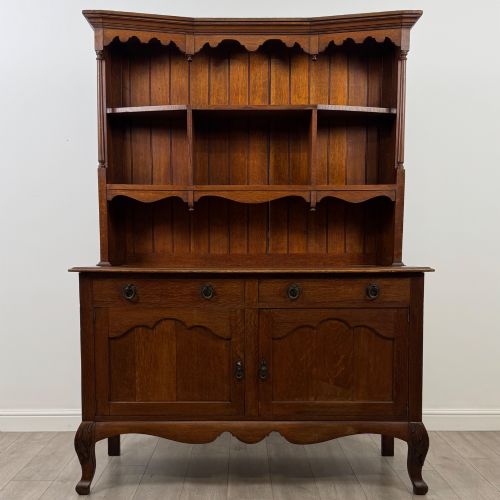
Antique Oak Display Dresser
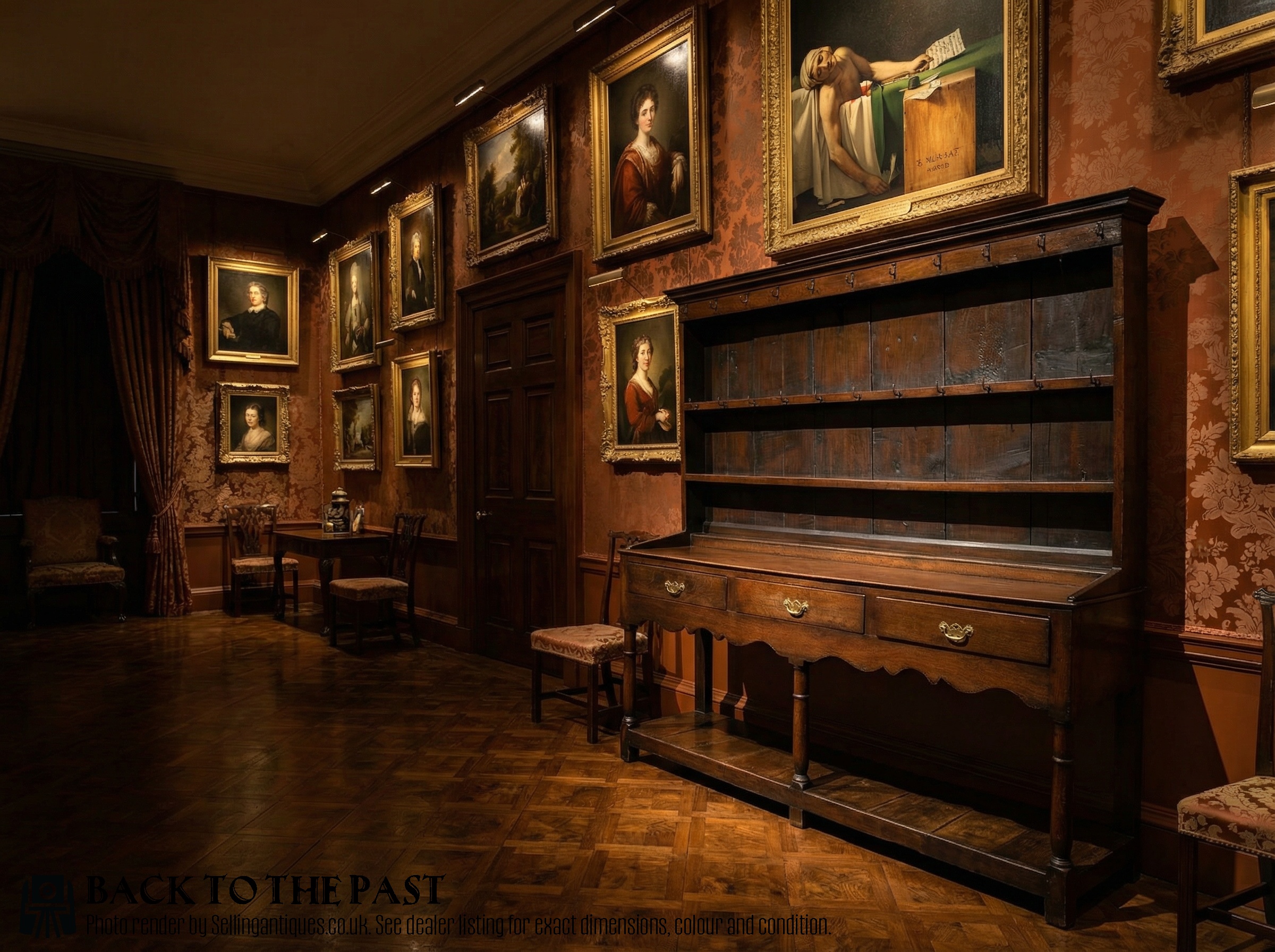
An antique oak display dresser grounds a room with timber character and open shelving for china, holding centuries of practical country craft.
Identifying an antique oak display dresser
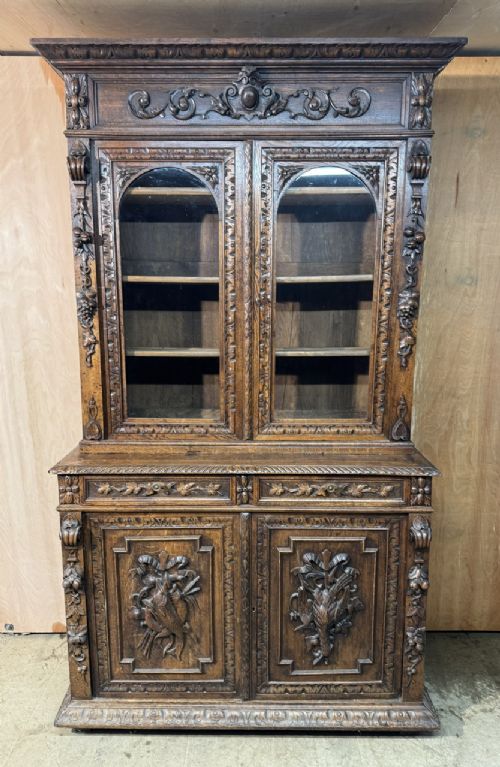
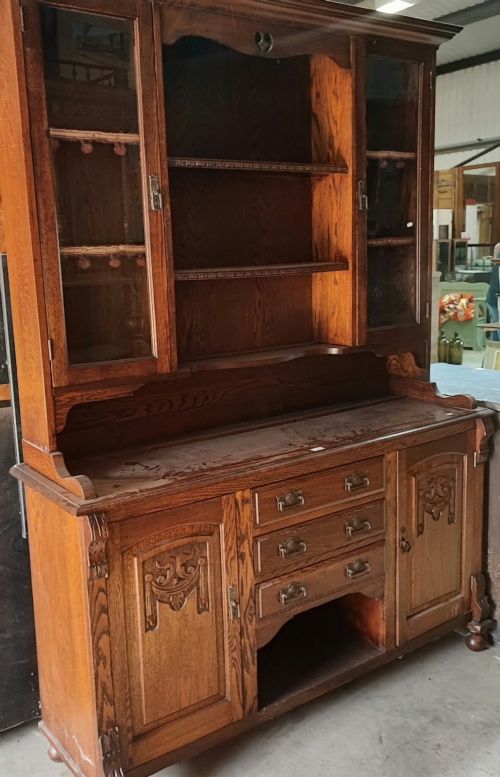
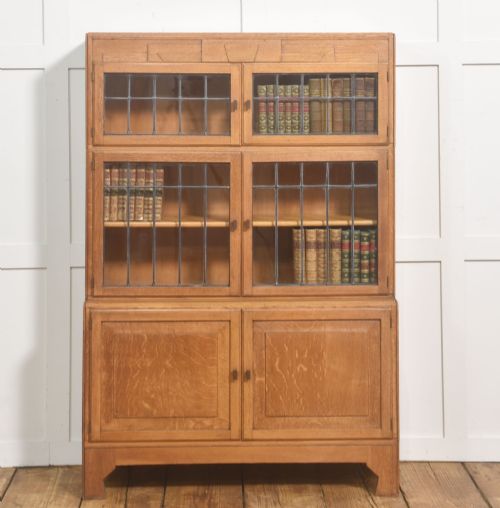
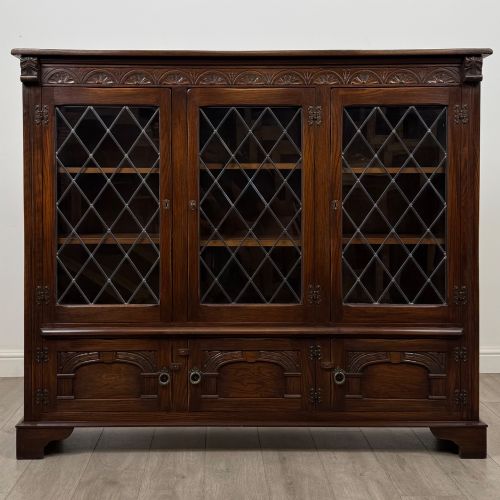
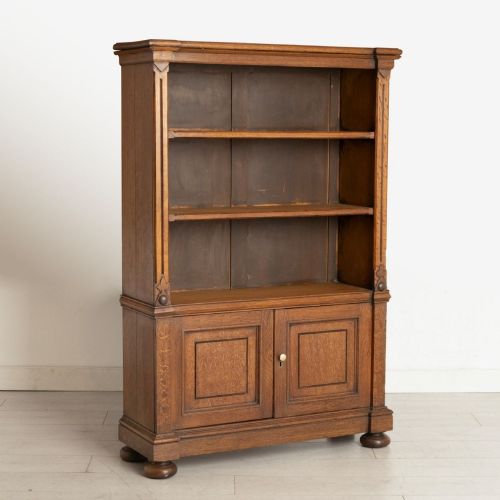
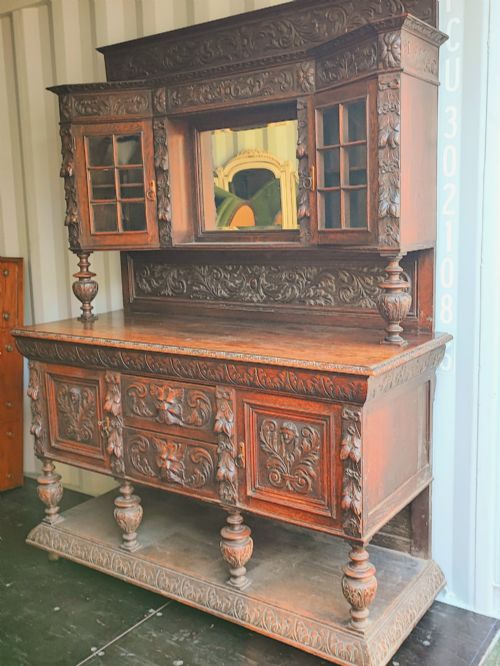
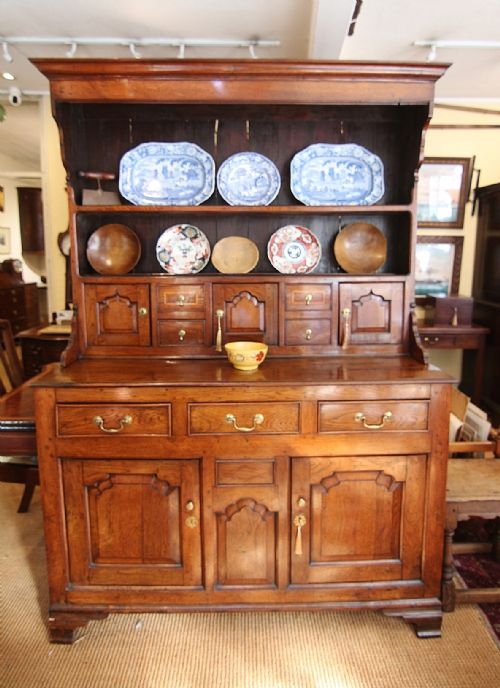
An antique oak display dresser combines a lower base of cupboards or drawers with an upper plate rack or glass cabinet, designed for storing and exhibiting kitchen pottery. You will encounter forms ranging from rustic Welsh cottage examples to formal Georgian cabriole leg designs.
The evidence shows heavy construction in solid oak, spanning periods from the eighteenth century through the Edwardian era and into the early twentieth century. These pieces serve equally well in modern farmhouse kitchens or formal dining rooms as functional storage.
Materials and construction
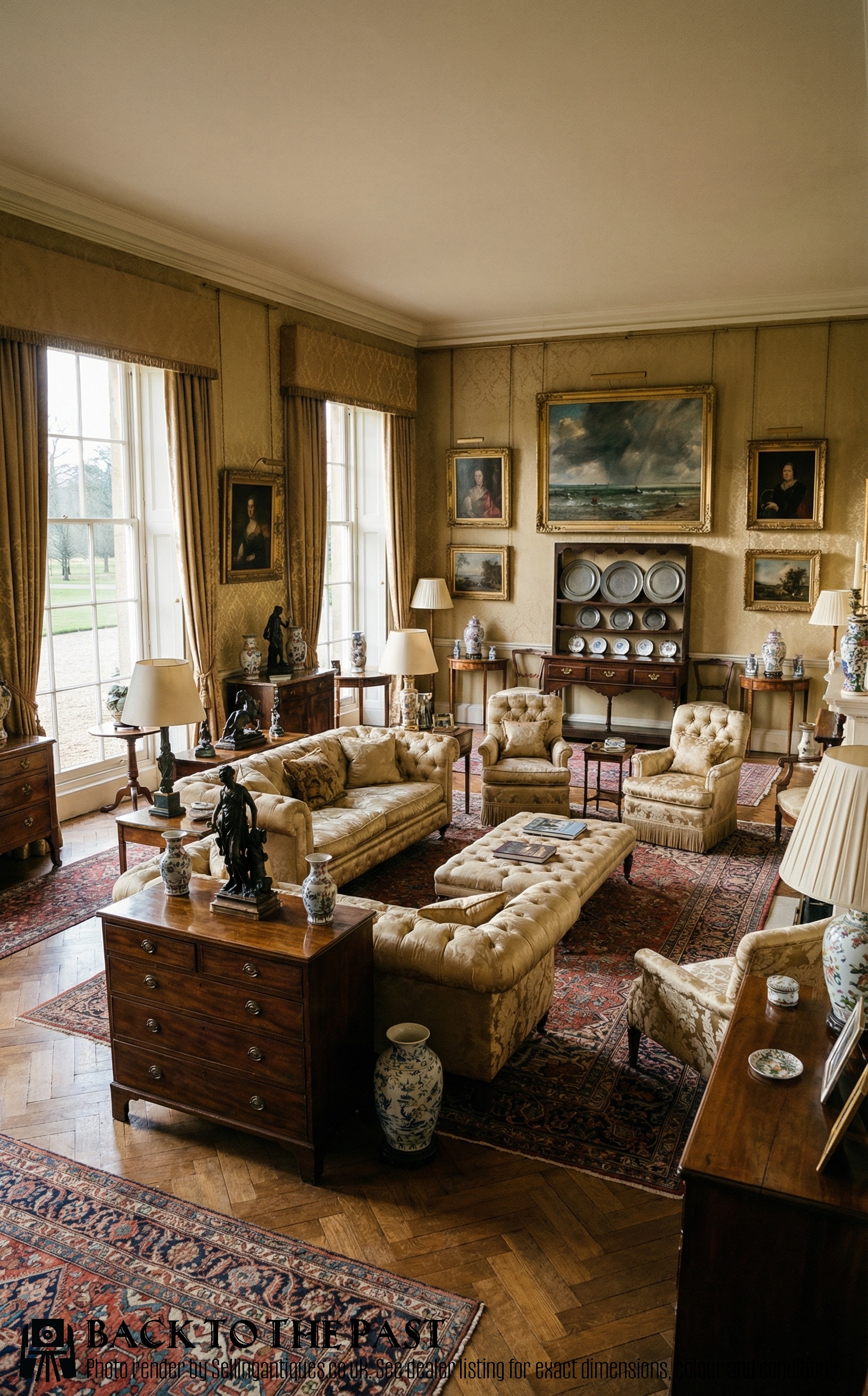
Local joiners built these pieces primarily from solid oak, sometimes incorporating walnut accents, brass hardware, and glazed panels with lead cames. Timber was selected for grain pattern and durability, standing up to decades of daily domestic use.
Construction methods rely on traditional pegged joints, hand-carved bases, and fitted plate racks designed to support heavy ceramics safely. Surfaces show the marks of hand planes and simple cabinet-making tools rather than industrial machinery.
Retail Price Guide 2026
Typical UK retail prices for oak display dresser, calculated from the Sellingantiques database of over a million retail prices indexed since 2003. This retail price guide relies exclusively on Sellingantiques data; no external sources or auction records are used, so the figures do not describe the wider market.
Early Welsh dressers often include secret hiding spaces behind plate rack boards where families tucked away small valuables.
Assessing quality and finish
Quality rests in the harmony of proportions, particularly in smaller-scale pieces, and the survival of original plate racks and brass fittings. Finer examples display careful carving on the base and well-figured timber with a deep, patinated surface.
Country pieces show simpler vernacular carpentry with straightforward board construction, whereas Georgian and George III iterations often exhibit more refined architectural mouldings and shaped cabriole legs.
The Antique Oak Display Dresser Glossary
- Plate rack
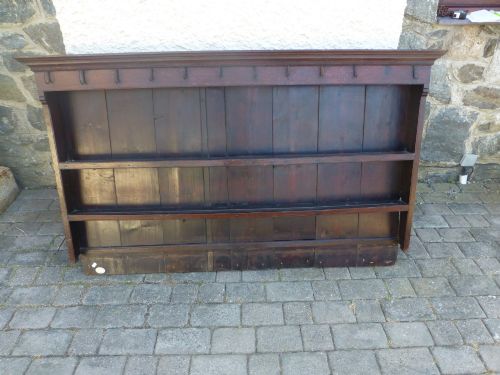
- The upper open shelving section of a dresser featuring grooves to hold plates upright. These racks are frequently original to the base or associated later additions.
- Potboard
- An open lower shelf beneath the base cupboards used historically for storing pots and pans. This feature is particularly characteristic of early Welsh country pieces.
- Cabriole leg
- A furniture leg that curves out and then in, tapering to a foot. This style appears on more formal eighteenth-century and later revival pieces.
- Vernacular
- Everyday furniture made by regional joiners for local use rather than high-style urban workshops. These pieces often utilise local timber traditions.
Frequently Asked Questions
How do I clean an oak dresser?
Dust regularly with a dry cloth and apply occasional beeswax to nourish the timber. Avoid modern silicone polishes that build up and dull the historic finish.
Keep the piece away from direct heat sources and strong sunlight to prevent the oak from drying out and splitting over time.
Are plate racks usually original?
Many plate racks were separated from their bases over the centuries or replaced when damaged. Matching timber species and patination helps determine if the top and bottom belong together.
Evidence shows pieces described specifically with original plate racks, which commands greater interest among collectors.
How do I date an oak dresser?
Dating relies on construction marks, hardware types, timber choice, and overall style evolution from rustic vernacular to formal Georgian design. Hand-cut joints and pegged construction generally point to earlier periods.
Later Edwardian and early twentieth-century interpretations often reproduce these earlier country styles with slightly different internal framing.