

Antique Oak Arm Chair
Solid timber and traditional joinery define an antique oak arm chair, offering sturdy seating with centuries of domestic history.

Antique Oak Arm Chair
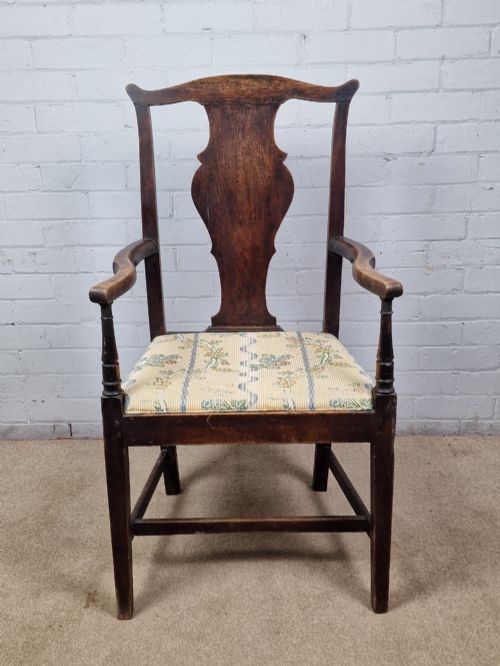
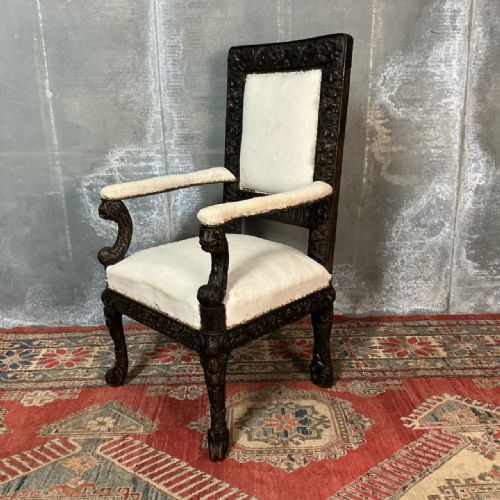
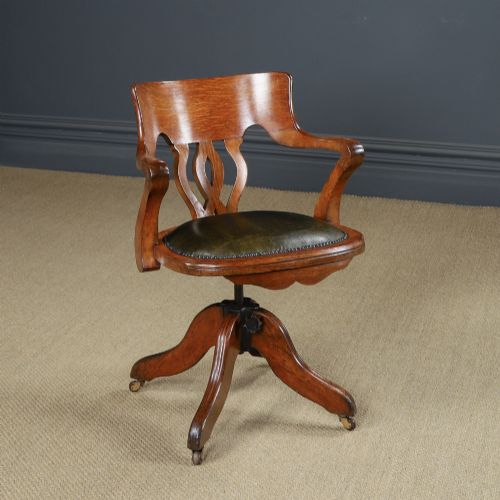
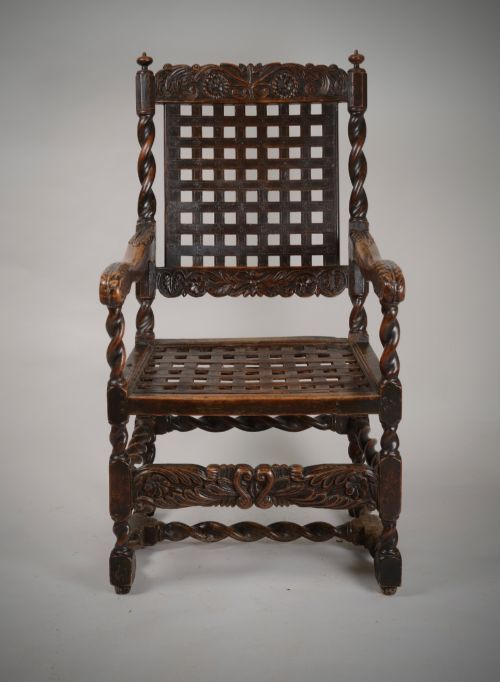
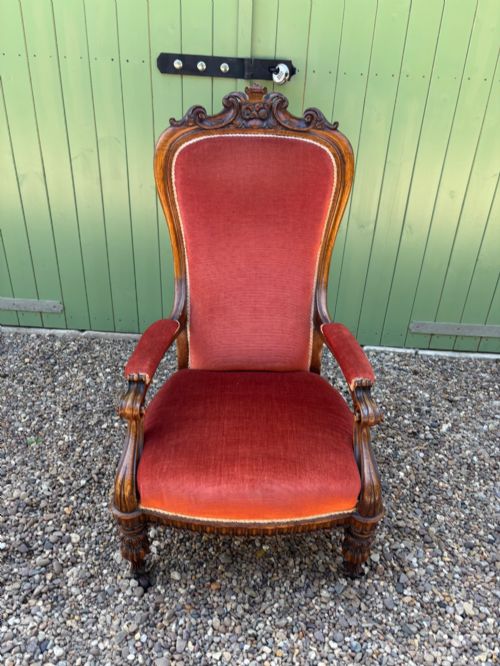
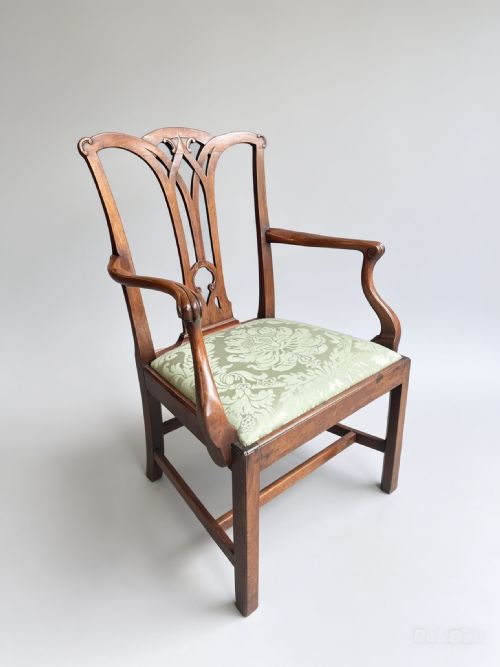
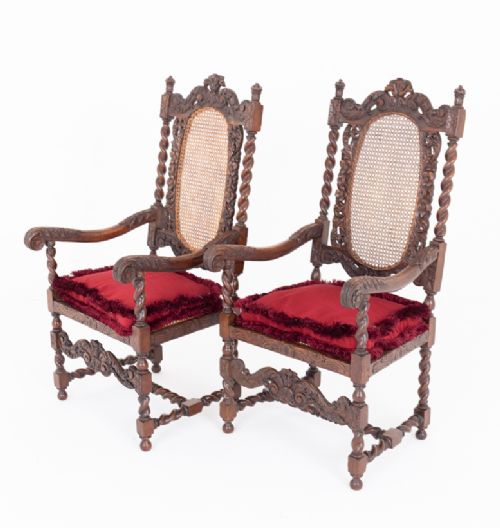
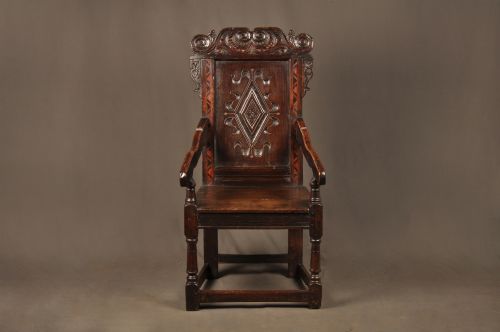
An antique oak arm chair spans centuries of domestic seating, ranging from sturdy 17th-century wainscot models to refined Georgian country versions and later Edwardian office seating.
Buyers seeking this phrase encounter heavy boarded chairs with panelled backs alongside spindleback, Windsor, and leather-upholstered revolving desk models from the Victorian and Edwardian eras.
Regional vernacular traditions heavily influence these pieces, producing distinct forms such as Welsh great chairs, Scottish wainscot examples, and English farmhouse seating.
How they were made
Makers utilised solid timber construction, predominantly relying on oak for frames, while secondary woods such as elm, ash, and walnut appear in seats and bending components.
Traditional joinery methods such as mortise and tenon joints secure the structural integrity, often supplemented in later periods by iron hardware, brass fittings, and turned elements.
Antique Oak Arm Chair Retail Price Guide 2026
Typical asking prices for oak arm chair among the pieces listed under this phrase on Sellingantiques today, from the lower quarter to the upper quarter. They describe what is for sale here now, not the wider market.
Listings feature oak alongside elm, ash, and leather across periods spanning the 17th century to the Edwardian era.
What varies in quality
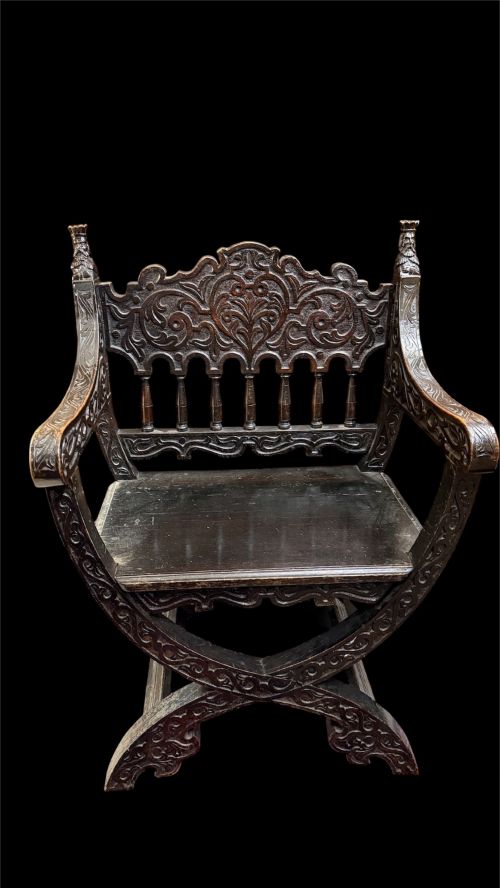
The crispness and depth of hand-carved ornamentation separate exceptional early wainscot and revival pieces from simpler vernacular seating.
The integrity of original timber surfaces, patination, and the retention of period elements such as rush seats or leather upholstery dictate the standing of individual examples.
S&H Jewell·Bell Barn Furniture
The Antique Oak Arm Chair Glossary
- Wainscot chair
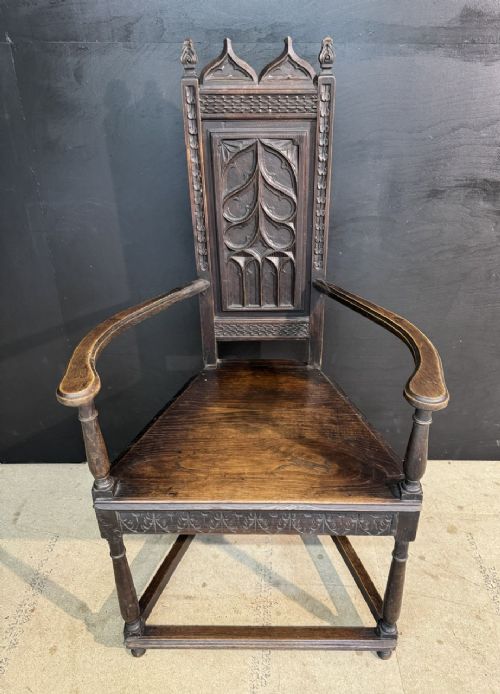
- A heavy wooden armchair of panelled construction popular in the 17th century. These pieces usually feature solid oak backs and sturdy armrests.
- Spindleback
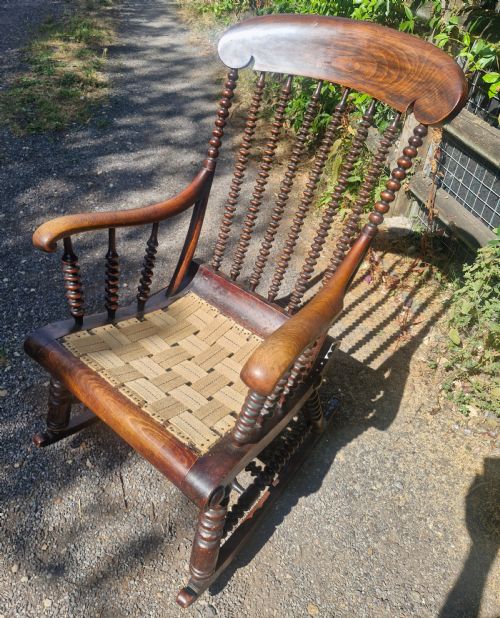
- A chair back constructed from a series of thin, turned vertical wooden rods. This method provides lightweight strength to country seating.
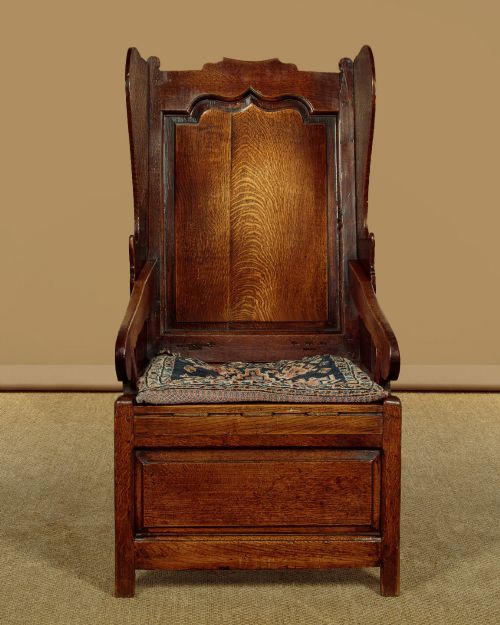
- Lambing chair
- An enclosed high-backed seat designed to shield the sitter from draughts. They often incorporate a box base and solid side panels.
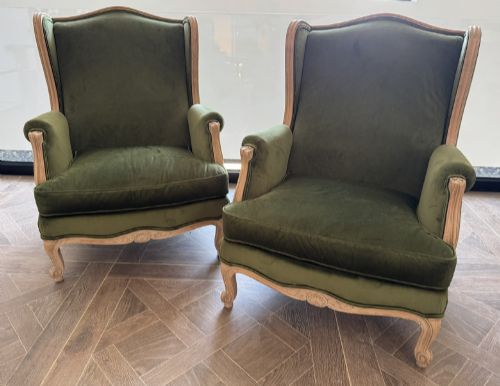
- Bergere
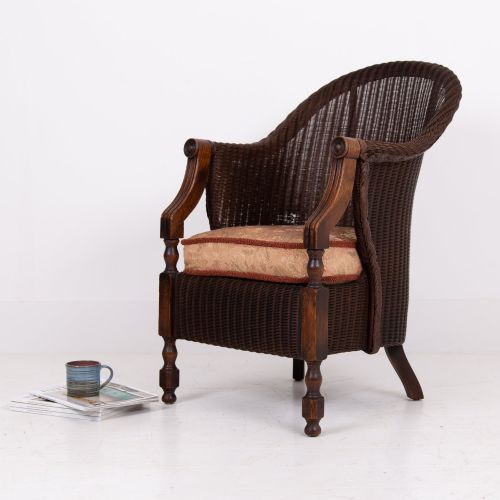
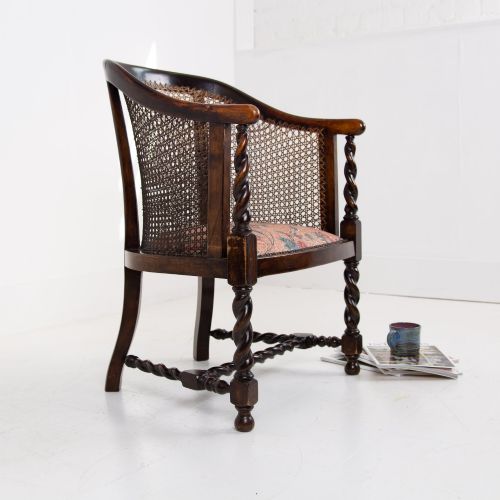
- An enclosed upholstered armchair with exposed wooden framing. The sides typically feature woven cane panelling.
- Fauteuil
- An open-framed upholstered armchair of French origin. These seats display exposed carved wooden arms and legs.
Antique Oak Arm Chair: Frequently Asked Questions
How do I identify a 17th-century wainscot chair?
Seventeenth-century wainscot chairs feature heavy panelled oak construction with pegged joints and deeply carved back panels. They rely on joined timber frames rather than curved components.
These early pieces often display linear or floral carvings typical of the period and possess a dark, patinated surface acquired through centuries of use.
Were oak armchairs used in offices?
Office seating in oak became prevalent during the late Victorian and Edwardian periods. Many examples incorporated revolving mechanisms, leather upholstery, and adjustable swivel actions.
Desk chairs from this era combined heavy timber frames with functional hardware designed for professional workspaces.
What is the difference between a country chair and a revival chair?
Country chairs were produced for everyday domestic utility using regional vernacular designs and local timbers like ash and elm. They prioritize straightforward construction over stylistic mimicry.
Revival chairs date from the 19th century onwards and deliberately copy earlier Jacobean, Gothic, or Renaissance styles with heavier, more theatrical carving.
How should I care for an antique oak chair?
Maintain antique oak by keeping it away from direct heat sources and dramatic humidity fluctuations that cause timber to split. Regular dusting with a dry cloth preserves the finish.
Avoid modern silicone polishes, applying traditional wax sparingly only when the dry wood requires nourishment.