

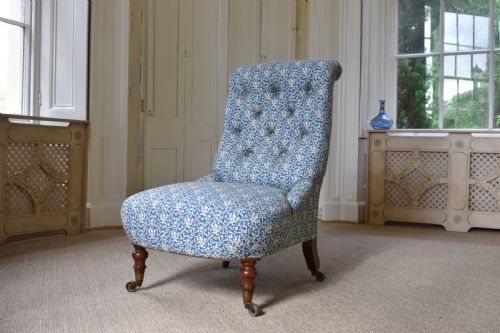
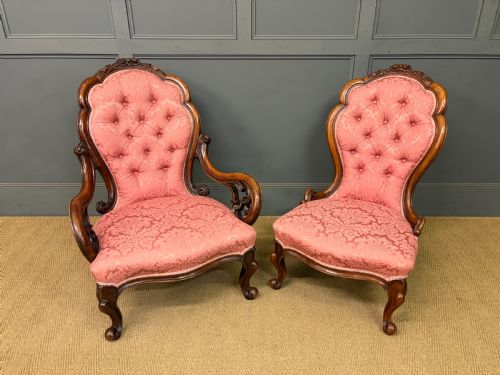
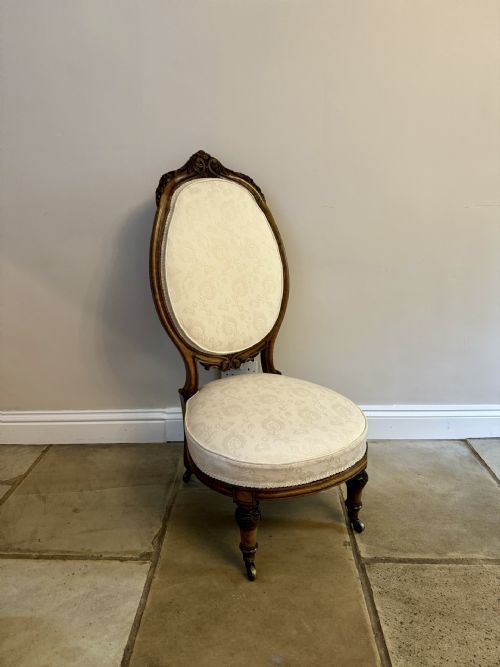
Antique Nursing Seat
An antique nursing seat offers a low, sprung posture designed for comfort by the hearth or bedside.
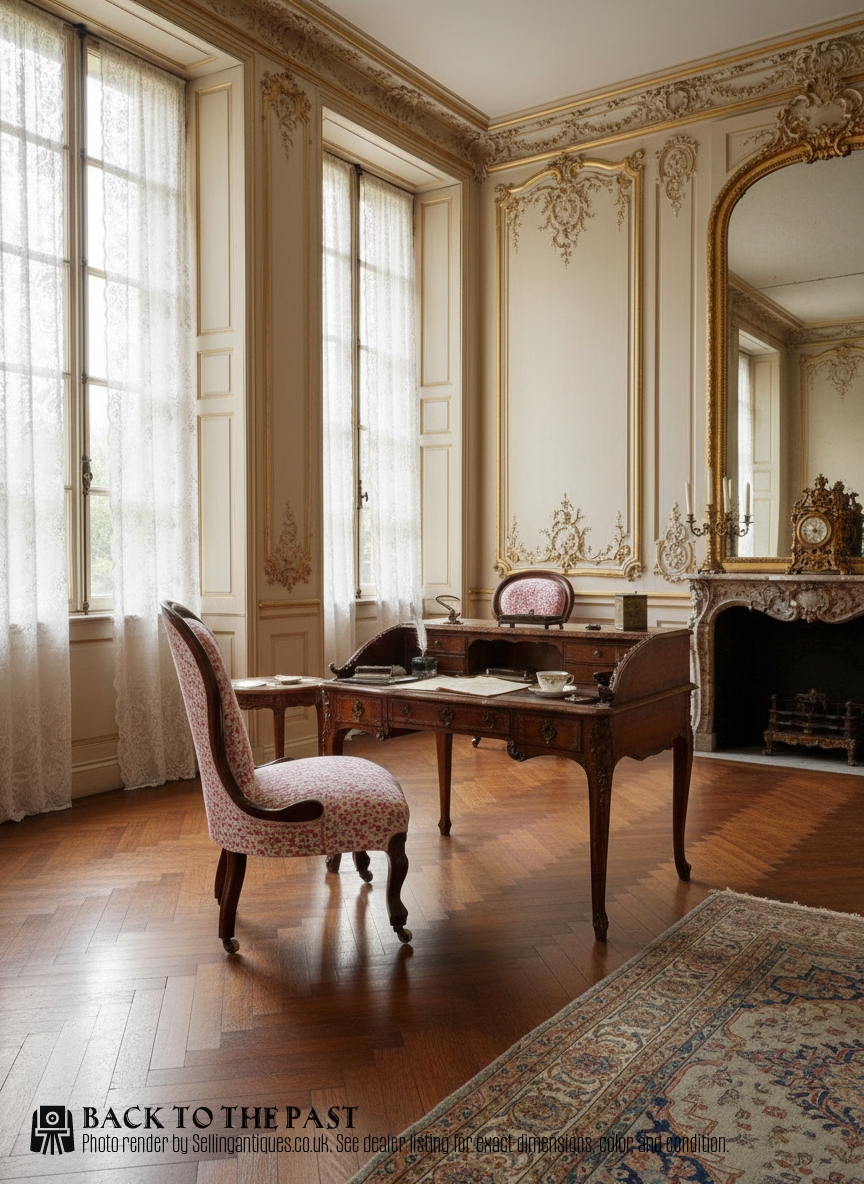
Antique Nursing Seat
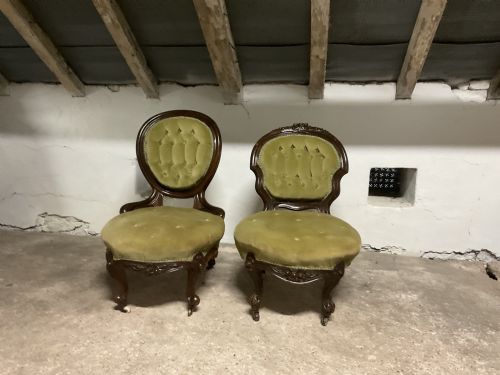
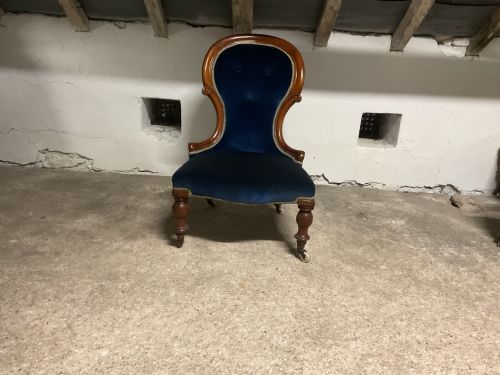
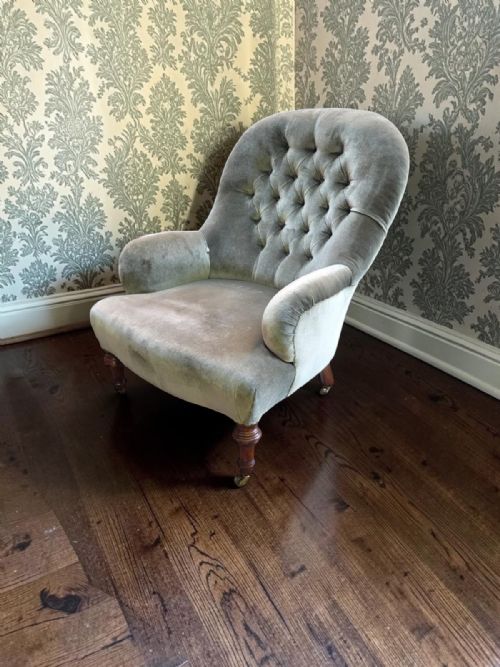
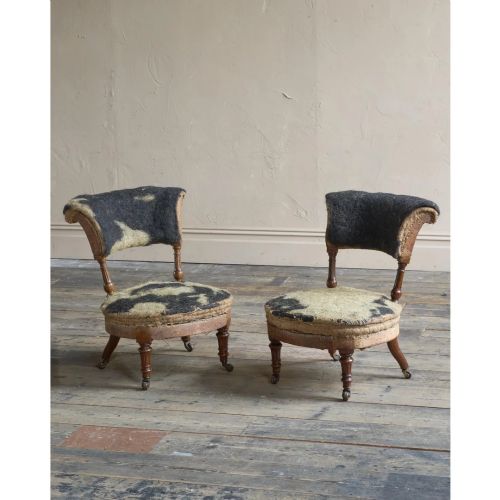
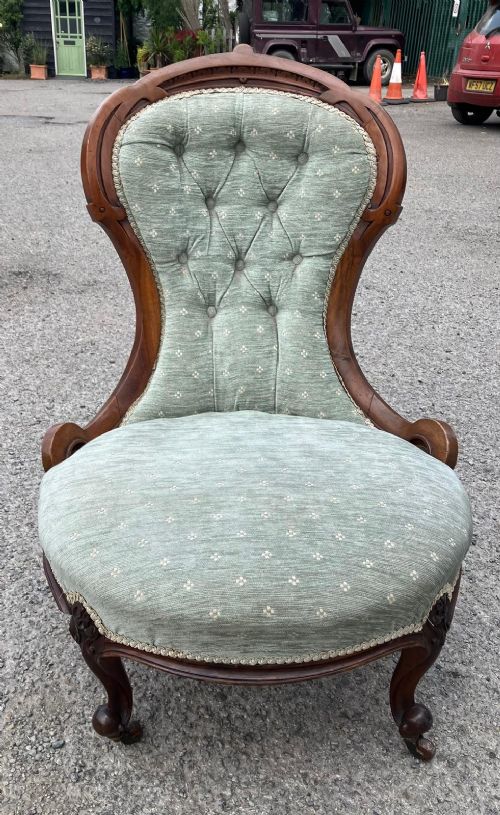
An antique nursing seat is characterised primarily by its low stature, built to allow a seated person to tend to a child or dress with ease. You will most frequently encounter Victorian examples on this page, spanning walnut, mahogany, and rosewood frames built during the nineteenth century.
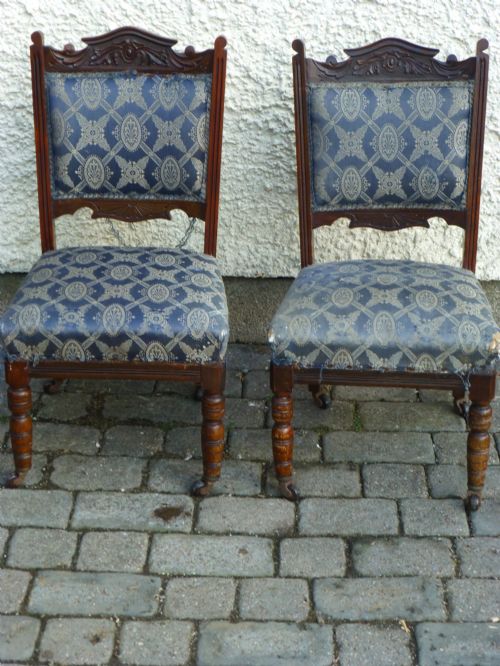
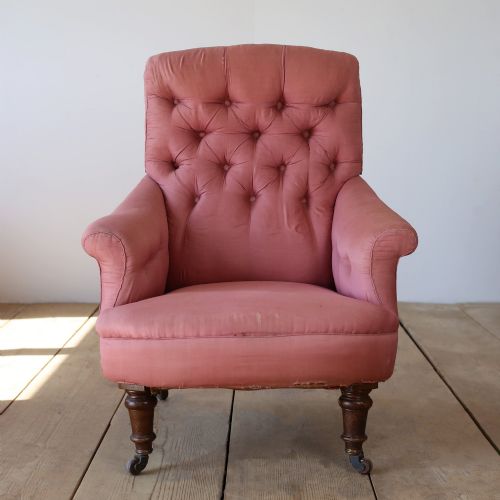
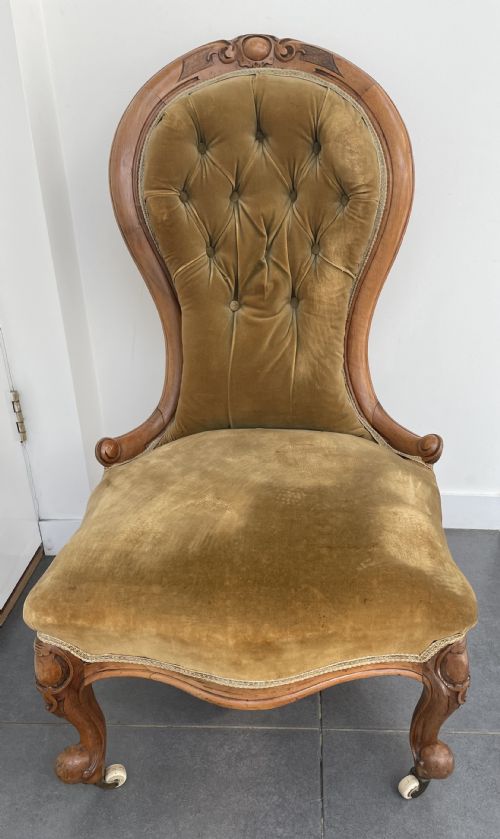
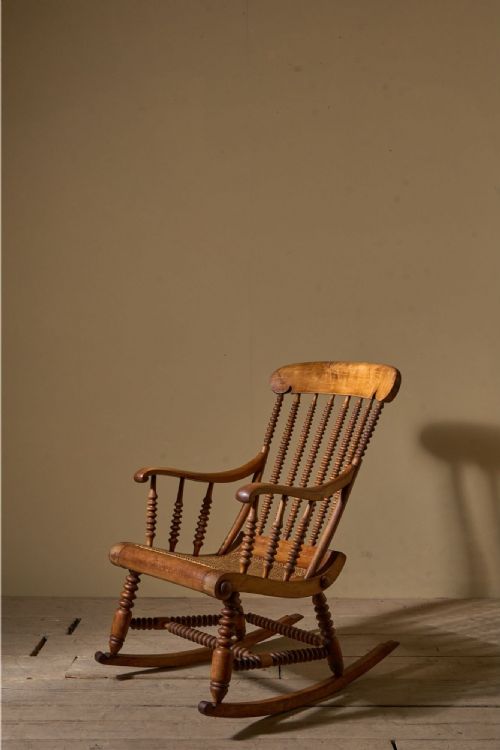
The silhouettes vary from button-backed slipper chairs to carved walnut ladies chairs and bobbin-framed bedroom chairs. Edwardian additions also appear, alongside occasional Georgian Country and William IV pieces.
These chairs served primarily in bedrooms, drawing rooms, and nurseries, functioning both as practical seating and as decorative salon furniture upholstered in velvet, fabric, or leather.
Materials and Construction
The structural framework of these seats relies on native and imported hardwoods, chiefly walnut, mahogany, and rosewood, supplemented by structural wood, brass castors, and metal components.
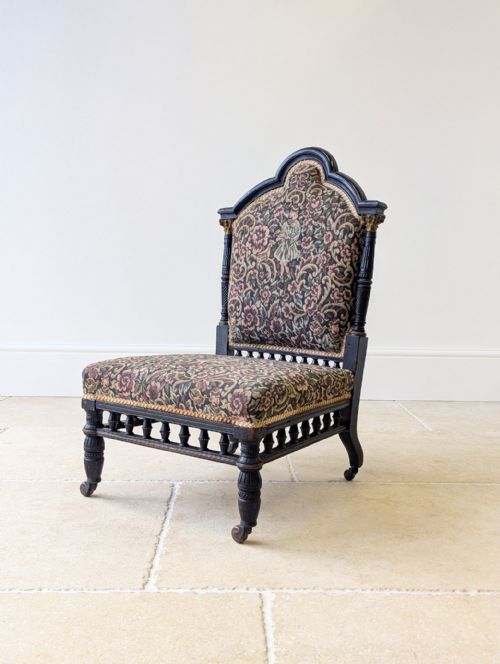
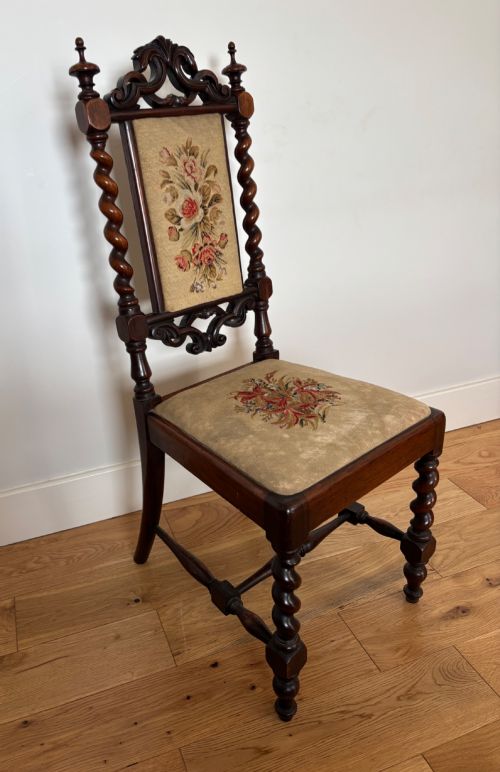
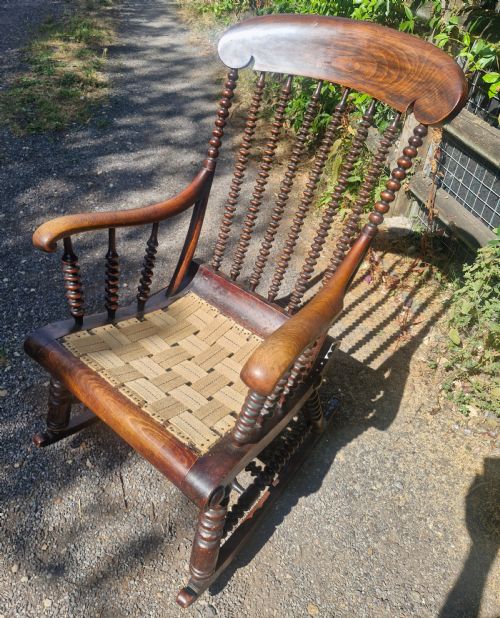
Makers shaped the timber using traditional joinery and turned details such as bobbin framing, barley twists, and carved Victorian rococo revival motifs, often finishing the frames with polish or gilding.
Upholstery techniques involved deep buttoning, sprung seats, and edge fringing, utilising fabrics ranging from modern replacement textiles to traditional needlepoint and orange velvet.
Antique Nursing Seat Retail Price Guide 2026
Typical asking prices for nursing seat among the pieces listed under this phrase on Sellingantiques today, from the lower quarter to the upper quarter. They describe what is for sale here now, not the wider market.
Several chairs on this page feature bobbin framing carved to resemble rows of wooden thread spools.
Distinctions in Execution
Quality in an antique nursing seat rests in the crispness of the timber carving and the architectural integrity of the frame. Pieces designated as exhibition quality display finer detail and superior timber selection compared to standard bedroom variants.
The sophistication of the turning, whether bobbin framing or barley twists, distinguishes ordinary workshop production from more ambitious cabinet work. Maker attribution through stamps adds significant distinction to individual pieces.
Howard And Sons·Gillows
The Antique Nursing Seat Glossary
- Nursing Chair
- A low-seated chair designed for nineteenth-century bedrooms and nurseries. It typically lacks arms to accommodate wide Victorian garments.
- Slipper Chair
- An upholstered chair standing low to the ground with no arms, originally used for sitting while putting on shoes.
- Button Back
- An upholstery style where depressions are formed in the padding by stitches pulled tight and secured with buttons. This creates a tufted surface.
- Bobbin Frame
- Furniture framing turned on a lathe to resemble a string of rounded wooden bobbins or spools. It is a common feature on nineteenth-century vernacular seating.
- Bergere
- An enclosed upholstered armchair with a wooden frame and woven cane panels on the back or sides.
Antique Nursing Seat: Frequently Asked Questions
Why were nursing seats built so low?
These seats were constructed with low profiles to let sitters tend to infants or dress comfortably without obstruction from voluminous nineteenth-century garments.
The shortened height also placed the occupant closer to the warmth of the bedroom fireplace.
Can I use a nursing chair in a modern living room?
Their compact scale makes these chairs well suited as accent or occasional seating in contemporary sitting rooms and bedrooms.
They easily fit into smaller architectural spaces where standard armchairs would overwhelm the room.
How do I date a Victorian nursing chair?
Dating relies on observing timber choices, such as rosewood and walnut in earlier Victorian pieces, alongside stylistic shifts toward ebonised Aesthetic Movement designs.
Turned elements like bobbin framing and structural clues also help narrow the decade of manufacture.
What is the difference between a slipper chair and a nursing chair?
While both share a low, armless profile, slipper chairs were traditionally used for changing footwear in dressing rooms.
Nursing chairs were designed specifically for infant care and nursery work, though the terms often overlap in historic listings.