
Antique Night Cabinet
An antique night cabinet brings practical bedside storage and period character to a bedroom.
Antique Night Cabinet
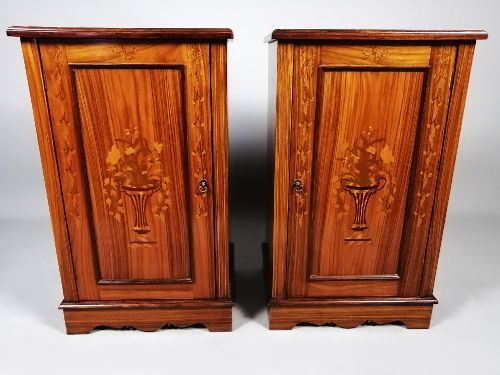
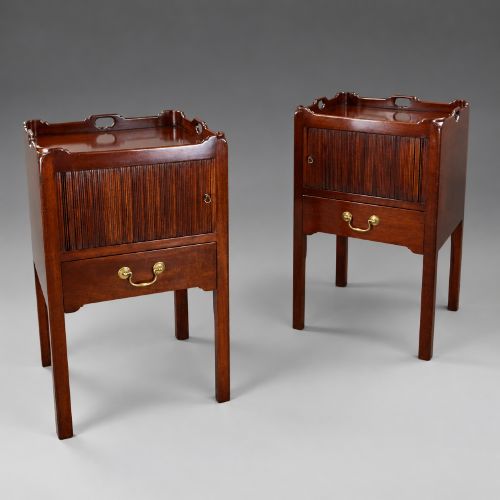
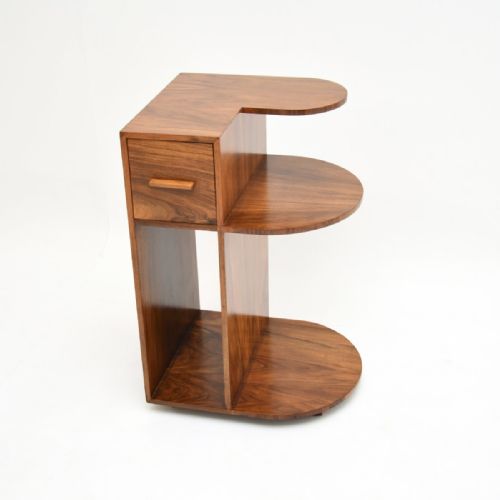
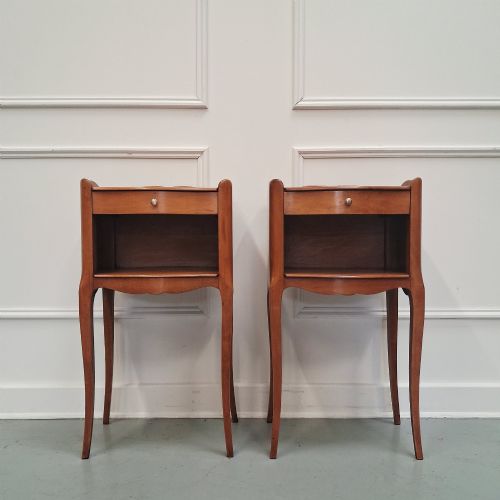
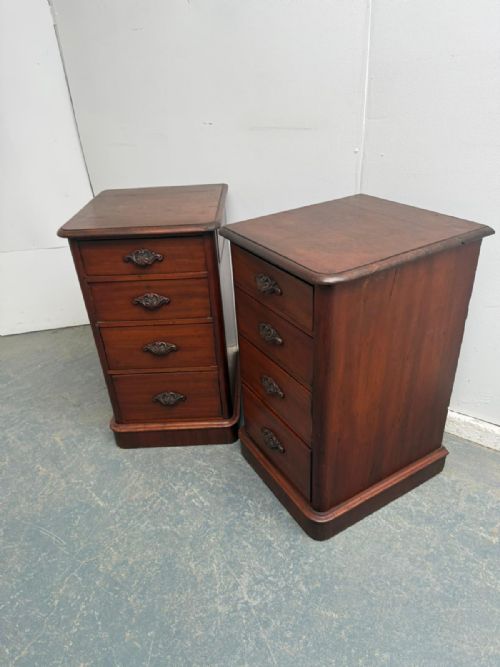
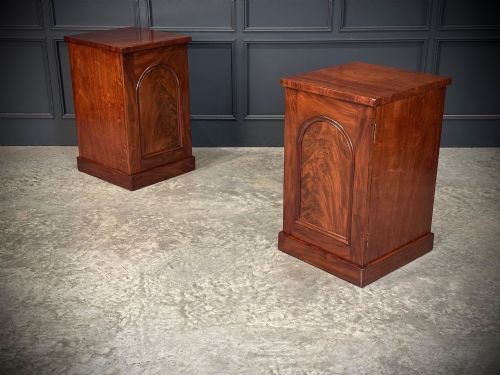
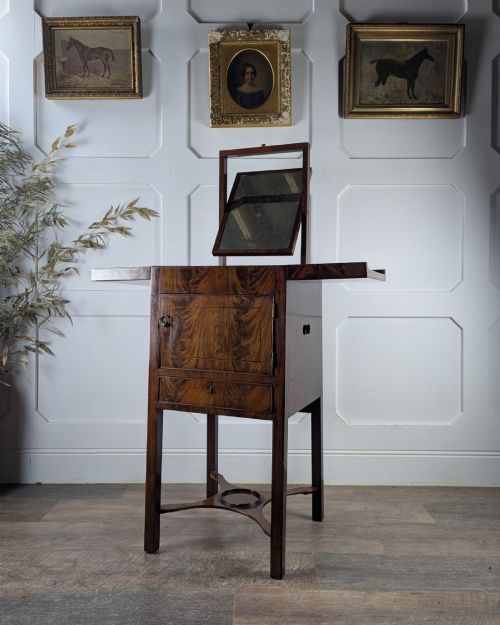
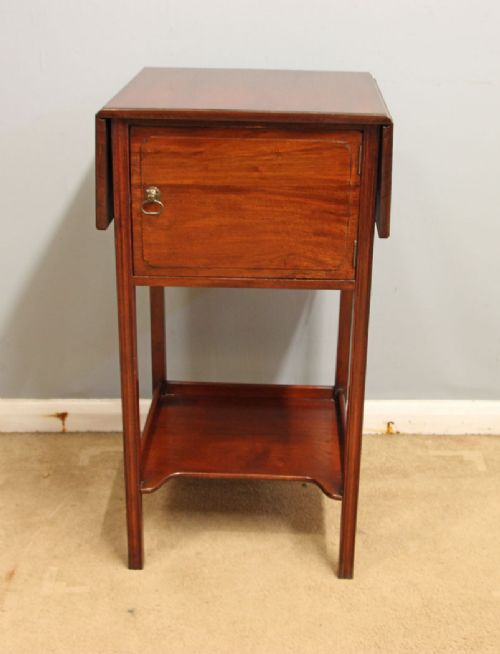
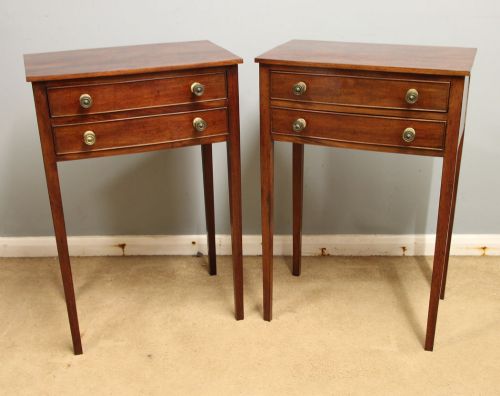
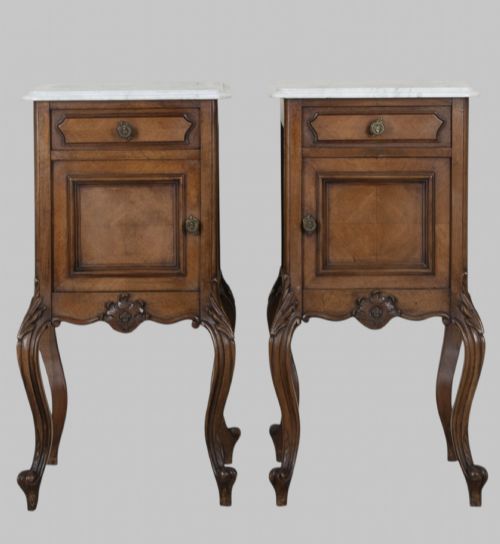
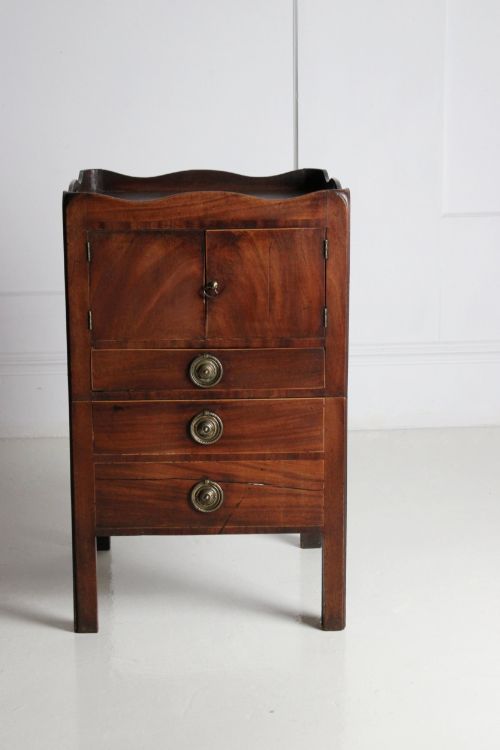
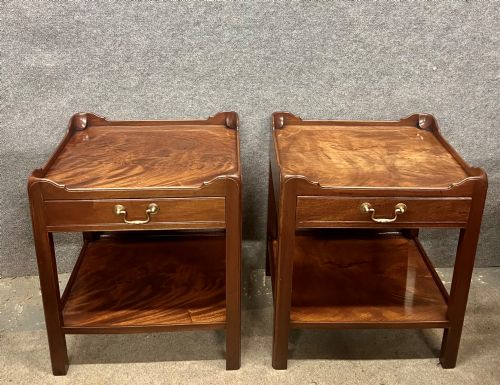
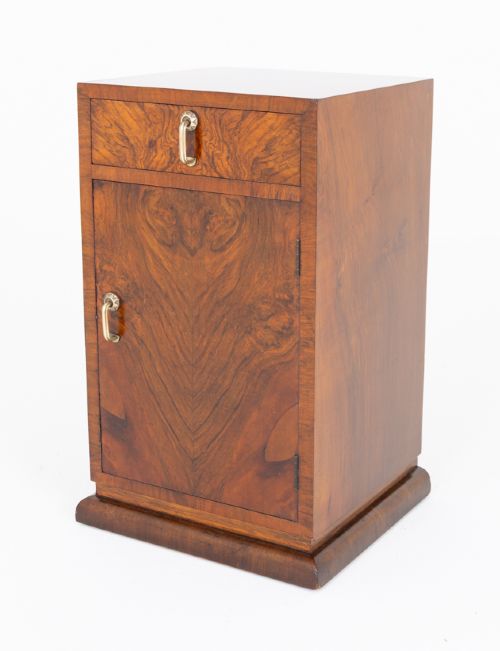
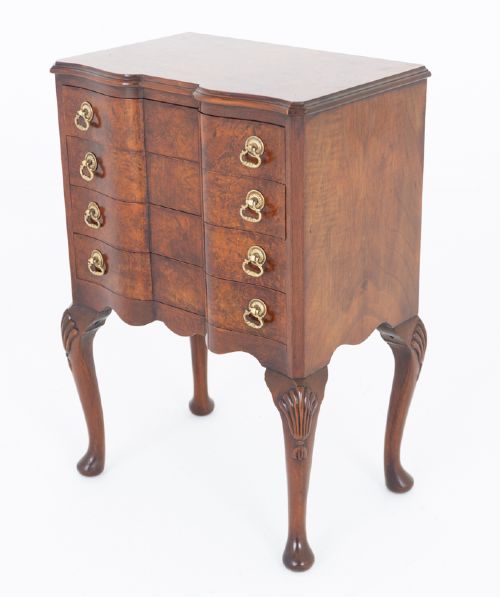
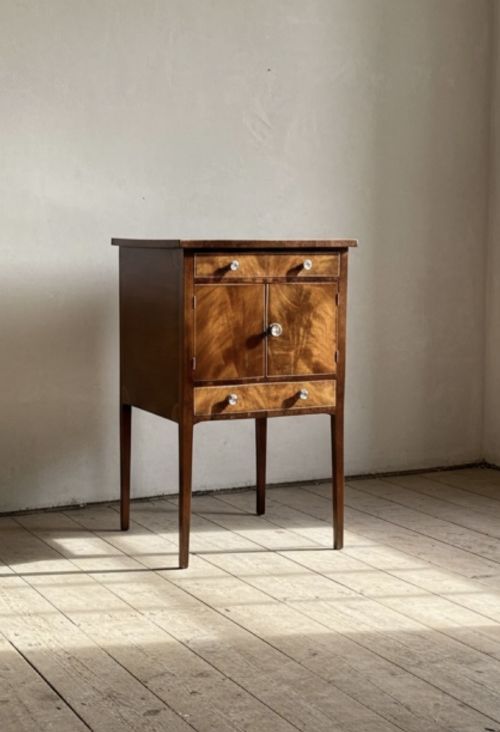
An antique night cabinet encompasses bedside tables, pot cupboards, washstands, and small chests designed for the bedroom. The pieces span periods from the Georgian era through the Victorian years and into the Art Deco epoch. Buyers encounter singular examples alongside matched pairs in various domestic timbers.
The primary forms serve as enclosed cupboards for a chamber pot, small drawer units for personal items, or open lamp tables. Many pieces reflect formal English and French cabinet making traditions, while others present painted or inlaid provincial designs. These items adapt easily to contemporary sleeping quarters as functional bedside furniture.
How They Were Made
Cabinet makers utilised dense hardwoods including mahogany, walnut, and rosewood, often selecting figured veneers and burr walnut for decorative surfaces. Secondary woods like pine provide structural framing within drawers and internal compartments. Joinery relied on traditional dovetailed drawer construction and framed panels to accommodate natural timber movement.
Surface decoration frequently incorporates intricate marquetry, brass fittings, and painted finishes. Selected continental and later examples feature fitted marble tops designed to resist moisture from washing jugs and bedroom accessories. Wax and polish finishes highlight the natural grain patterns of the primary timbers.
Some nineteenth-century cabinets disguised their practical domestic duties as innocent stacks of drawers or faux bamboo trunks.
What Varies in Quality
The distinction between tiers rests upon the selection of timber figures and the precision of the cabinet work. Superior examples display continuous grain matching across drawer fronts and tight, hand-cut dovetail joints that endure heavy daily use. Lesser items rely on simpler construction methods and plain, unfigured boards.
Originality of brass handles, locks, and internal shelves dictates the desirability of a piece. Finer examples retain their original marble slabs, intact marquetry, and undisturbed surface patination accumulated over generations. Altered heights or replaced timbers diminish the integrity of the antique.
Gill & Reigate·Gillow & Co·Maple & Co·Sormani
The Antique Night Cabinet Glossary
- Pot cupboard
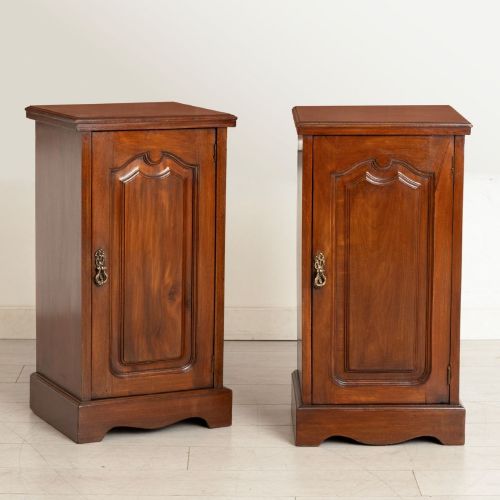
- A small bedside cabinet originally constructed to enclose a chamber pot behind a single door. These compact units typically feature a cupboard space below a small drawer or top surface.
- Marquetry
- The art of applying decorative pieces of veneer to a structure to form intricate geometrical patterns or pictures. Craftsmen utilise contrasting timbers to achieve visual depth.
- Flame mahogany
- Timber cut at the intersection where branches meet the main tree trunk, producing a distinctive rippled flame effect. Cabinet makers prized this figure for principal drawer fronts and doors.
- Commodino
- A small Italian bedside cabinet or chest, often featuring inlaid marquetry and delicate proportions. These pieces frequently date from the eighteenth and nineteenth centuries.
- Close stool
- An early form of enclosed seat or cabinet concealing a chamber utensil. Later adaptations influenced the development of the standard bedside cupboard.
Antique Night Cabinet: Frequently Asked Questions
How do I identify a Georgian night cabinet?
Georgian pieces typically feature solid mahogany construction, restrained classical proportions, and understated bracket feet or square legs. Many incorporate enclosed cupboards with panelled doors designed to hide a pot.
Cabinet makers of this period prioritised structural honesty and fine timber figures over heavy ornamentation. Their compact dimensions suit smaller bedroom layouts.
Were bedside cabinets made in pairs?
Bedside cabinets were frequently produced as single units rather than matching pairs, as historical sleeping arrangements often utilised one washstand or night table per room. Matched pairs do exist, particularly from the Victorian period onwards.
Finding a symmetrical pair from earlier centuries involves greater searching. Single pieces offer versatility as standalone lamp tables in various rooms.
How do I care for a mahogany night cabinet?
Preserve the finish of a mahogany night cabinet by keeping it away from direct sunlight and steady heat sources that dry out old timber. Apply a traditional beeswax polish sparingly to maintain the lustre of the wood.
Use coasters beneath drinking glasses or lamps to protect sensitive antique surfaces from moisture rings. Gentle dusting with a soft cloth prevents accumulation in carved details and joints.