

Walnut Pedestal Cabinet
A walnut pedestal cabinet offers compact storage with distinct timber grain, spanning Victorian and Art Deco forms.
Walnut Pedestal Cabinet
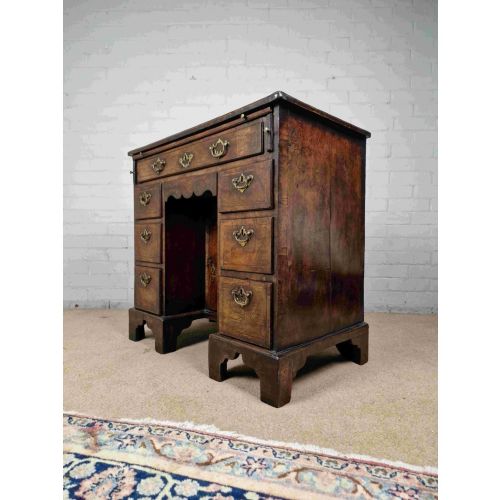
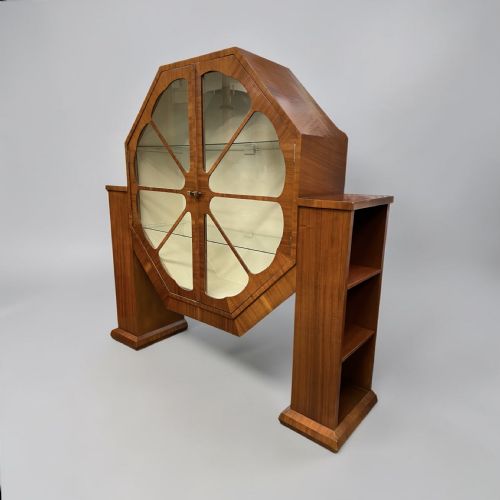
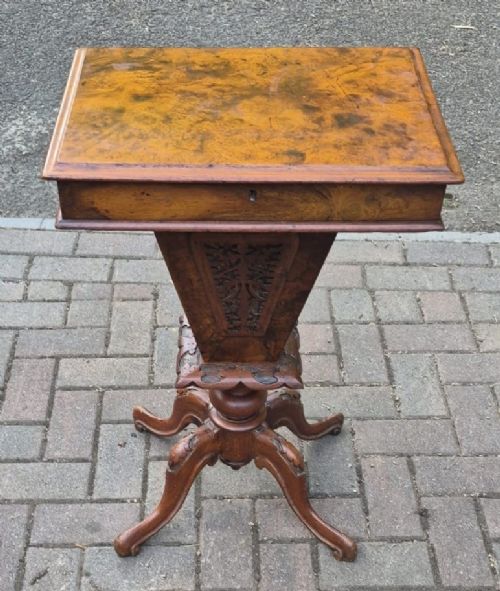
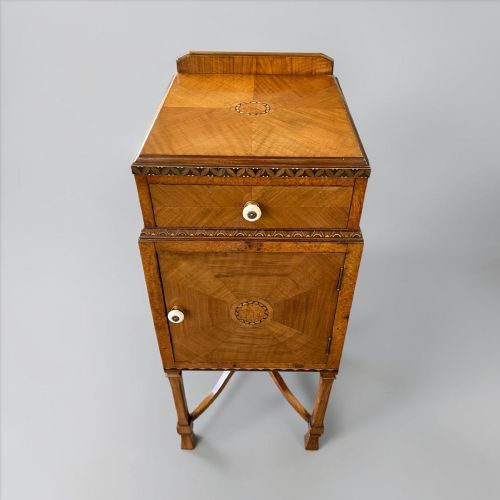
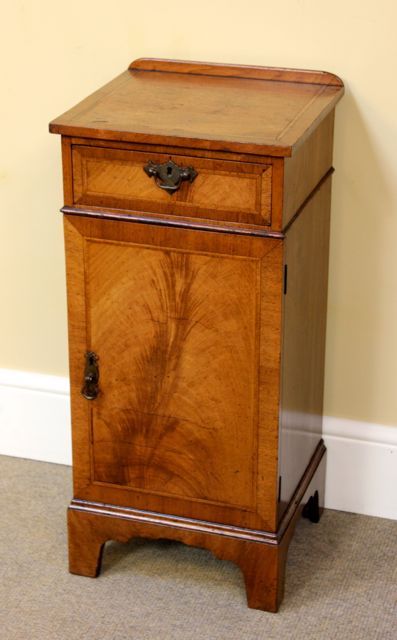
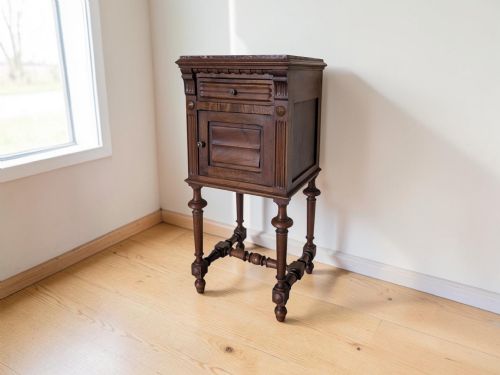
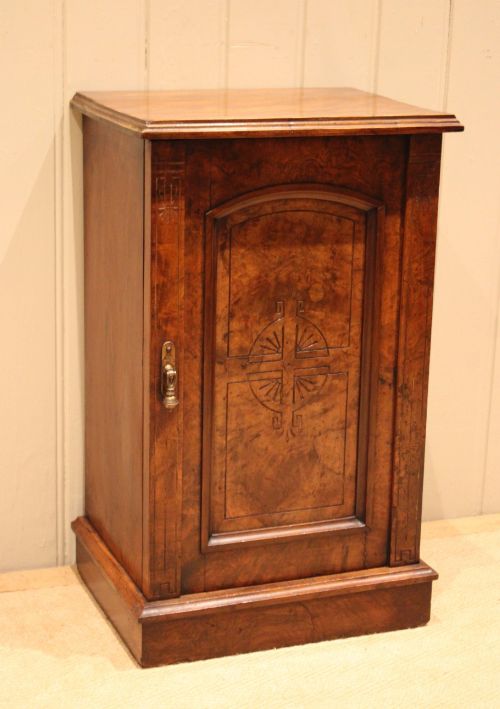
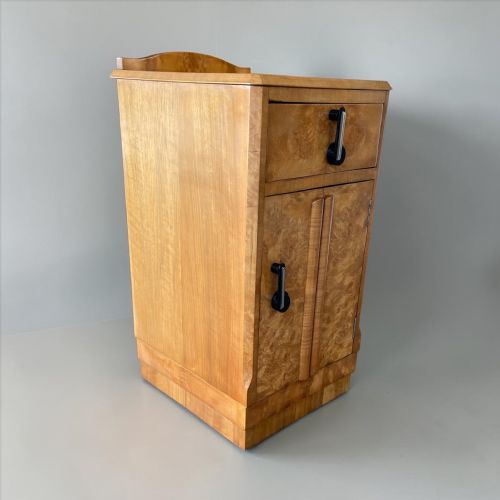
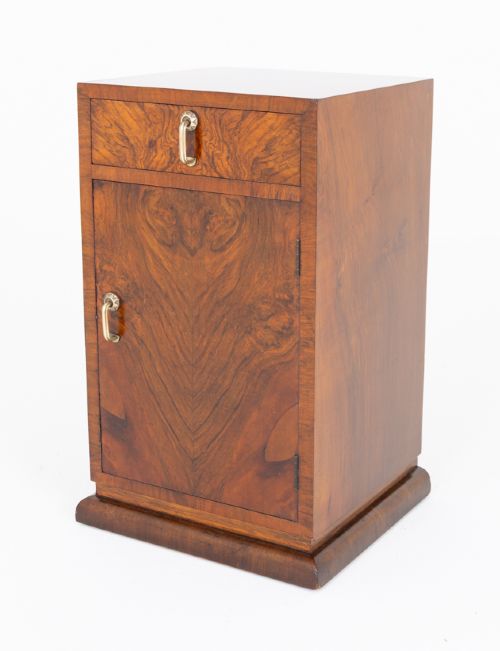
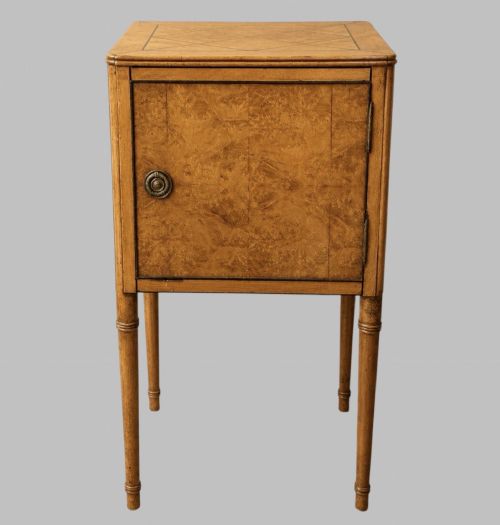
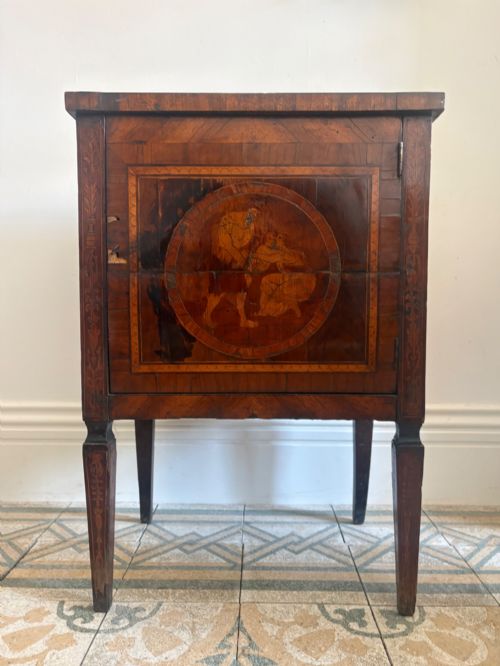
A walnut pedestal cabinet is primarily encountered on this page as a bedside cupboard, table, or locker dating from the nineteenth and early twentieth centuries. The selection ranges from Victorian examples with cylindrical bodies and marble tops to geometric Art Deco designs from the nineteen-thirties.
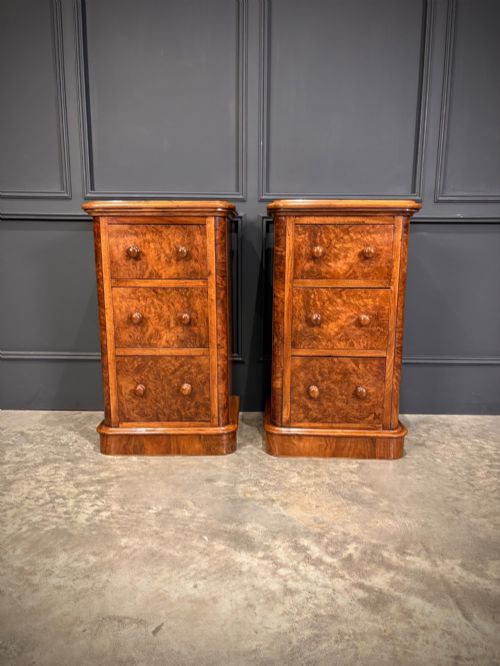
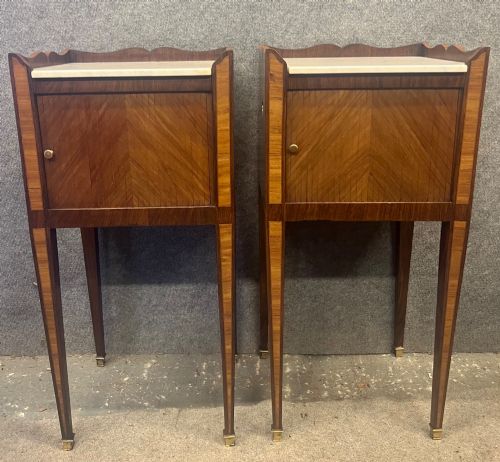
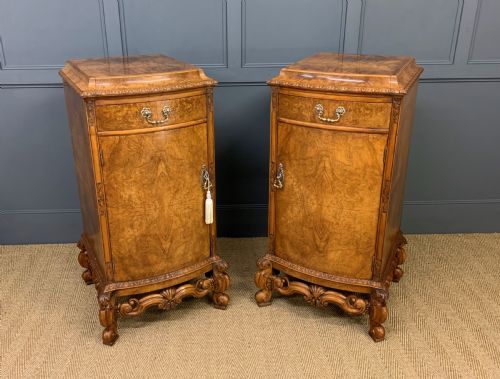
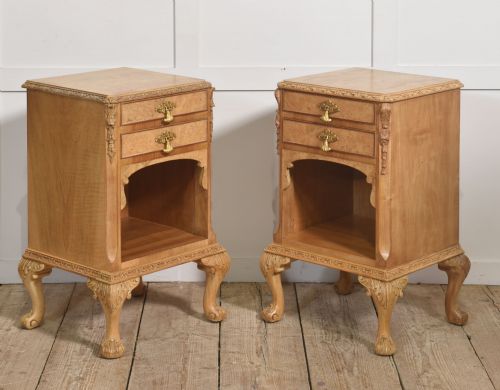
Makers and manufacturers utilised various forms, including single-door bedside cupboards, tall pairs of pedestal cabinets, and occasional lamp tables. These single-pedestal pieces served practical domestic functions in bedrooms and dressing rooms.
The prevailing styles stretch from plain nineteenth-century utility pieces to French inlaid models, Queen Anne revival items, and twentieth-century modernist creations. Buyers exploring this phrase encounter a robust mix of British, French, and Italian regional interpretations.
How they were made
Cabinet makers constructed these pieces using solid pine or secondary woods as carcasses, applying veneers of walnut and highly figured burr walnut across the visible surfaces. Crossbanding and inlaid marquetry frequently decorated the top surfaces and door panels.
Many nineteenth-century iterations incorporated inset marble slabs on top to provide a durable, wipe-clean surface next to a bed or washstand. Brass hardware, such as handles and hinges, together with glass elements in display variants, completed the construction.
Some nineteenth-century bedside cabinets included concealed compartments designed specifically for nineteenth-century chamber pots.
What varies in quality
Quality in a walnut pedestal cabinet rests on the selection and matching of the timber veneer, particularly the symmetry of burr walnut grain patterns across the door fronts. Superior examples demonstrate meticulous crossbanding and tight joinery that resists seasonal timber movement.
The integrity of original fitted interiors, such as shelving and drawer linings in secondary timbers, distinguishes standard production items from finer workshop pieces. Inclusion of original brass mounts and undamaged marble tops further elevates the standard of a given piece.
Walter Carter Harrods·Epstein·Maurice Adams·Harry and Lou Epstein
The Walnut Pedestal Cabinet Glossary
- Burr walnut
- A prized timber cut from growths on walnut trees, yielding intricate, swirling grain patterns. This decorative veneer defines the aesthetic of many nineteenth-century and Art Deco cabinets.
- Crossbanding
- A border technique where thin strips of veneer are laid perpendicular to the surrounding grain. This frames the main panel of a cabinet door or top.
- Marquetry
- The art of applying pieces of veneer to a structure to form decorative patterns or pictures. Italian and French makers frequently employed this method on cabinet doors.
- Pedestal cupboard
- A freestanding, single-column storage unit featuring an internal shelf or drawers enclosed by a door. These units form the core of the items listed under this search.
- Cylindrical
- Having the form of a cylinder, describing round bedside cabinets popular during the Victorian period. These often paired with fitted marble tops.
Walnut Pedestal Cabinet: Frequently Asked Questions
What rooms suit a walnut pedestal cabinet?
These compact cupboards fit readily beside a bed as a functional bedside table or lamp stand. Their enclosed shelving also provides useful storage in hallways or small reception rooms.
Because they occupy minimal floor space, they integrate easily alongside larger antique furniture without overcrowding a room layout.
How do I care for burr walnut veneer?
Keep walnut furniture away from direct heat sources and strong sunlight to prevent the timber veneer from drying out or fading. Routine dusting with a dry cloth is sufficient for maintenance.
Occasional application of appropriate wax polish helps preserve the lustre of the polished wooden surface without building up excessive residue.
Are marble top cabinets original?
Many Victorian bedside cabinets featured inset marble tops to provide a practical, stain-resistant surface for pitchers and glasses. These stone slabs were fitted during initial manufacture.
Checking the underside of the top reveals whether the marble sits within a rebated wooden frame consistent with nineteenth-century construction methods.
How do I distinguish Victorian from Art Deco?
Victorian walnut cabinets often display carved details, turned wooden feet, and applied mouldings reflecting historical revival styles. Burr walnut veneer on these pieces is typically framed by delicate crossbanding.
Art Deco cabinets from the nineteen-thirties favour streamlined geometric silhouettes, waterfall edges, and dramatic book-matched veneer patterns devoid of historic ornamentation.