

Antique Needlework Picture
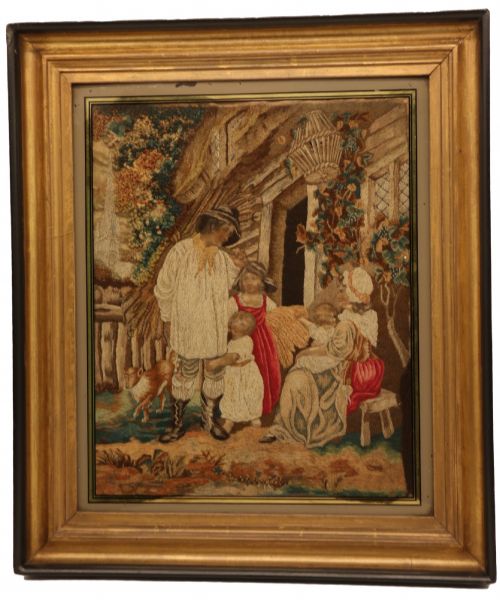
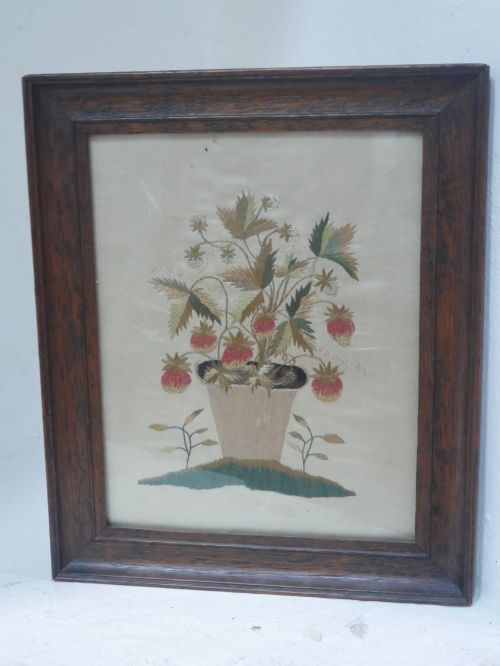
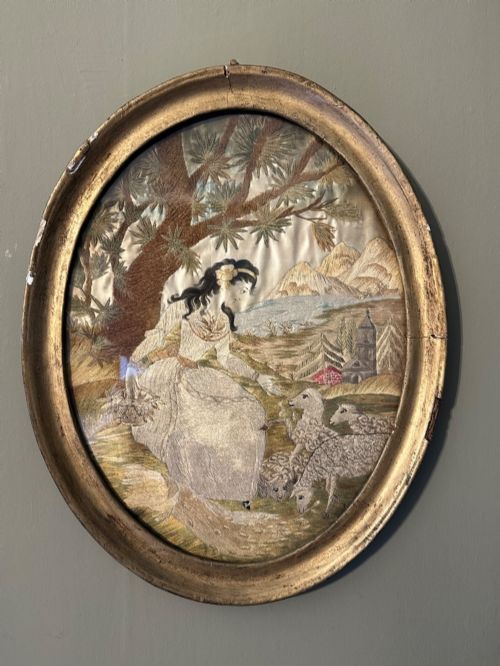
An antique needlework picture brings historic hand-stitched artistry into modern interiors through silk, wool, and canvas panels preserved behind glass.
Antique Needlework Picture
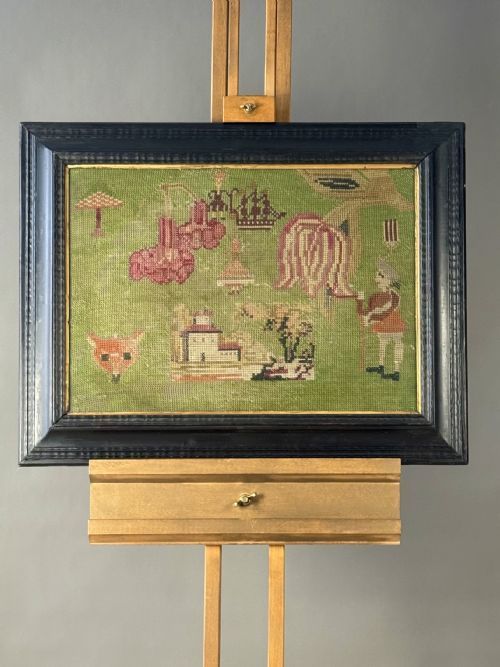
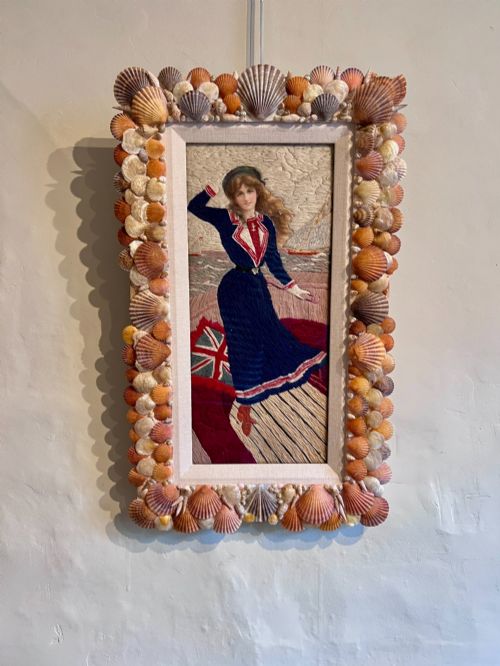
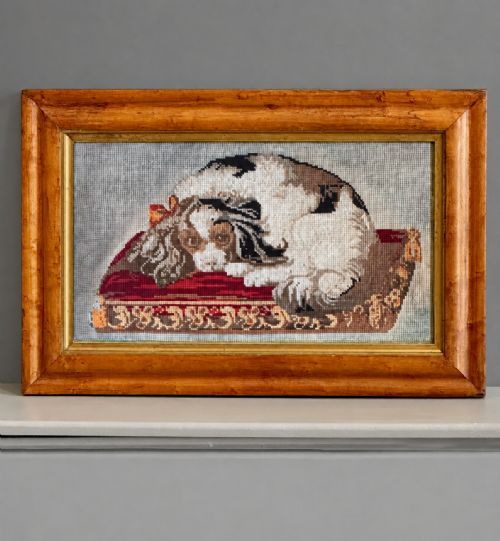
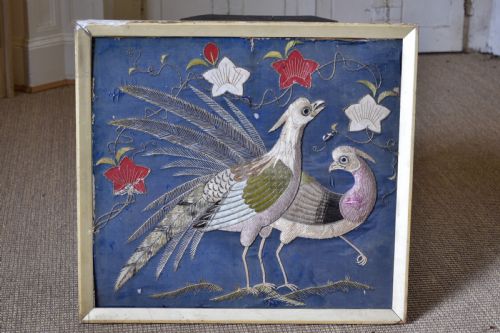
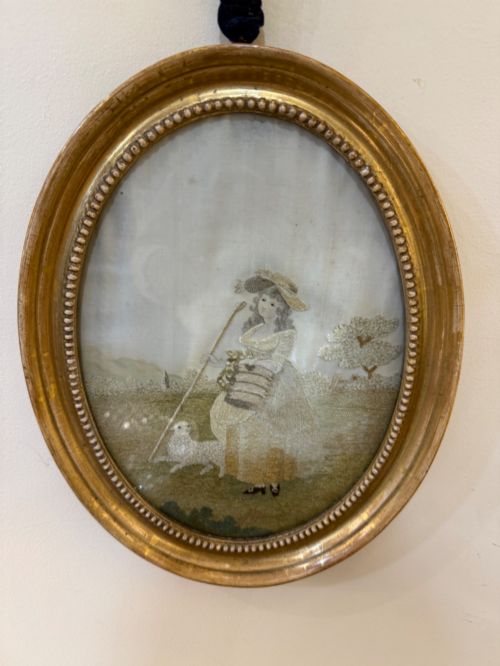
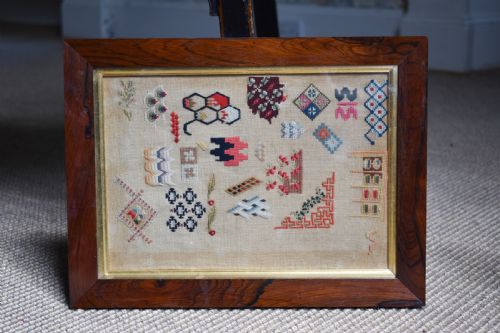
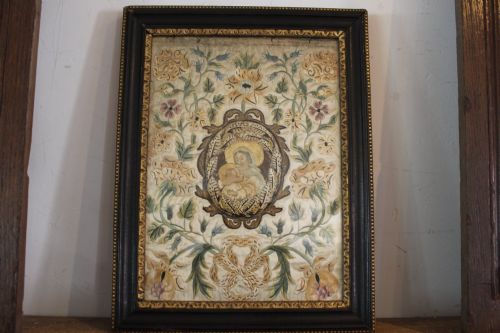
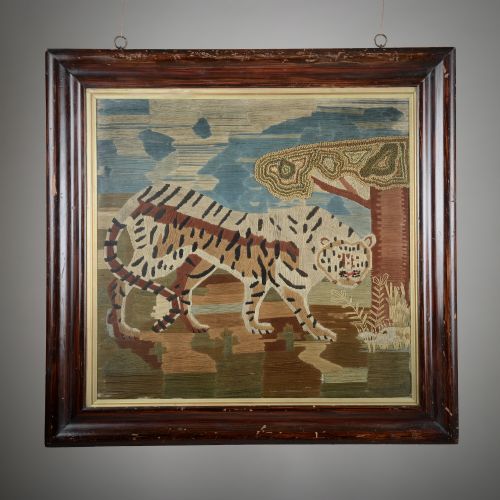
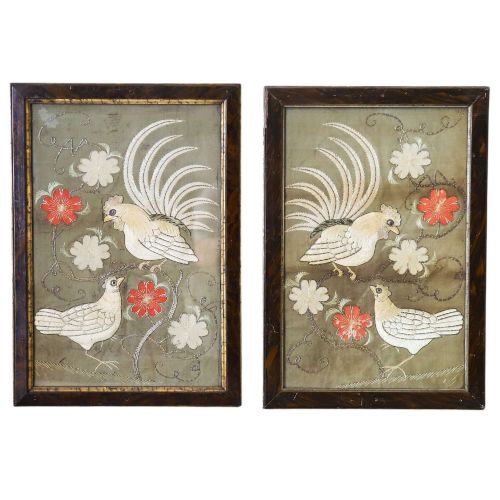
An antique needlework picture represents domestic and professional textile art created across several centuries, spanning the seventeenth through to the early twentieth century. When searching for this phrase, collectors encounter diverse forms including pastoral scenes, portraits, alphabetical exercises, and narrative subjects.
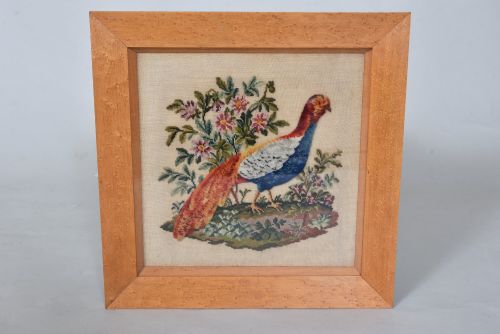
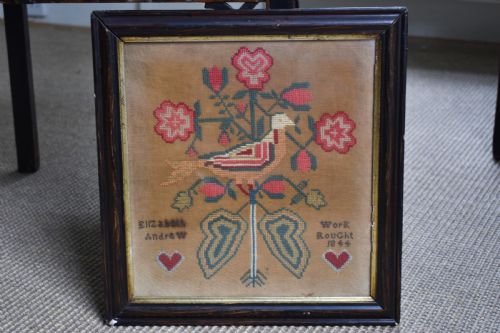
The versions most frequently met on this page date from the nineteenth century, including Victorian woolwork pieces, Berlin woolwork, and silk embroideries. Earlier examples from the eighteenth and seventeenth centuries, such as stumpwork panels and silk floss samplers, appear alongside later folk art and regency long stitch compositions.
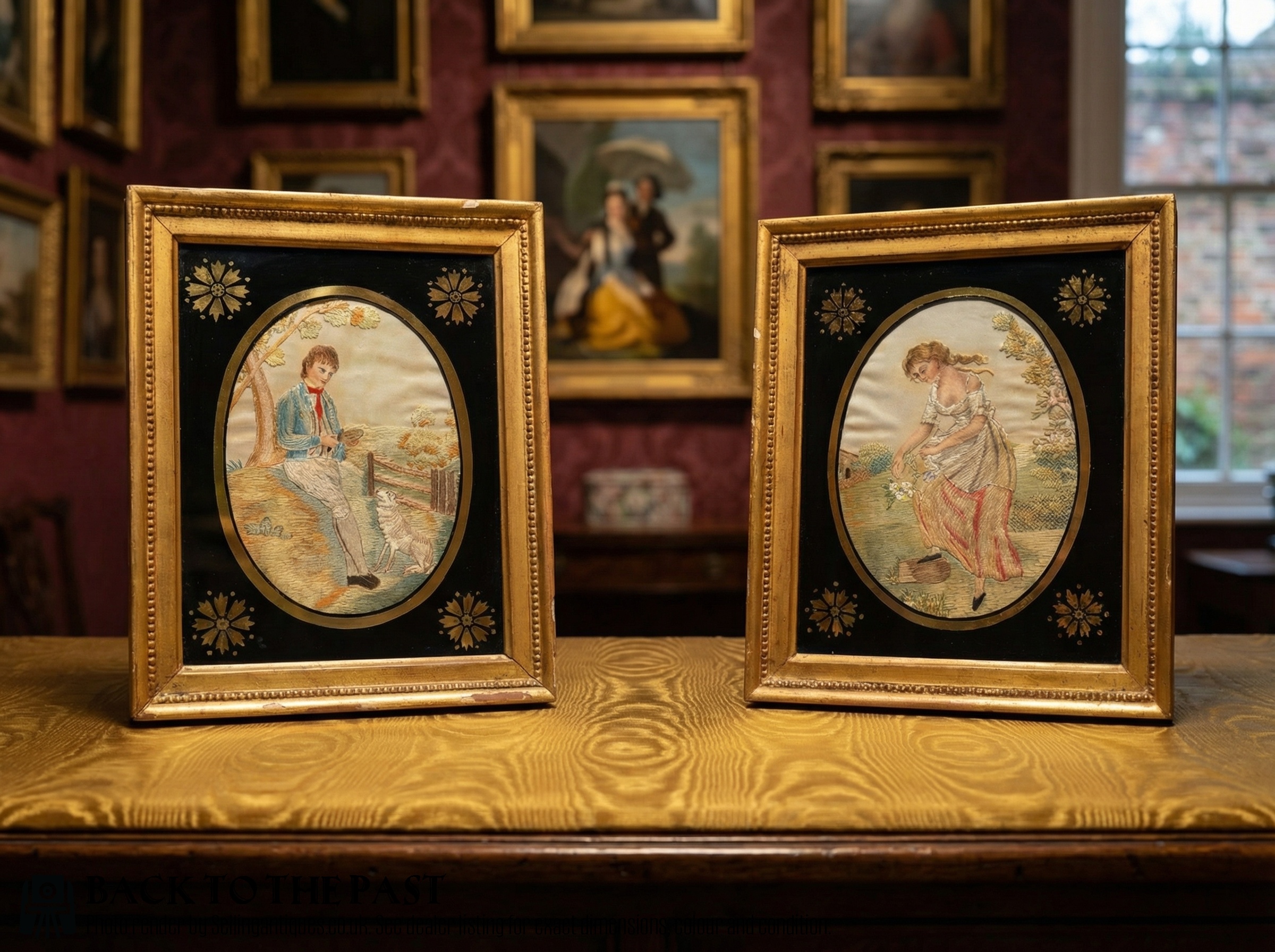
Materials and Technique
Maker execution relies upon natural fibres including silk, wool, and linen canvas, often combined with hand-painted elements on silk backgrounds. Stitches range from fine petit point and gros-point to raised stumpwork padding and long stitch.
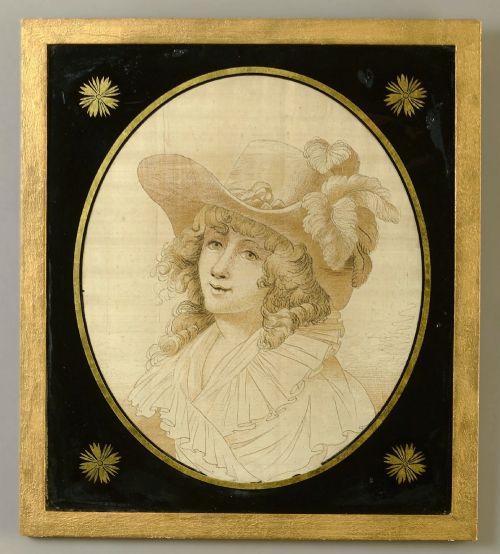
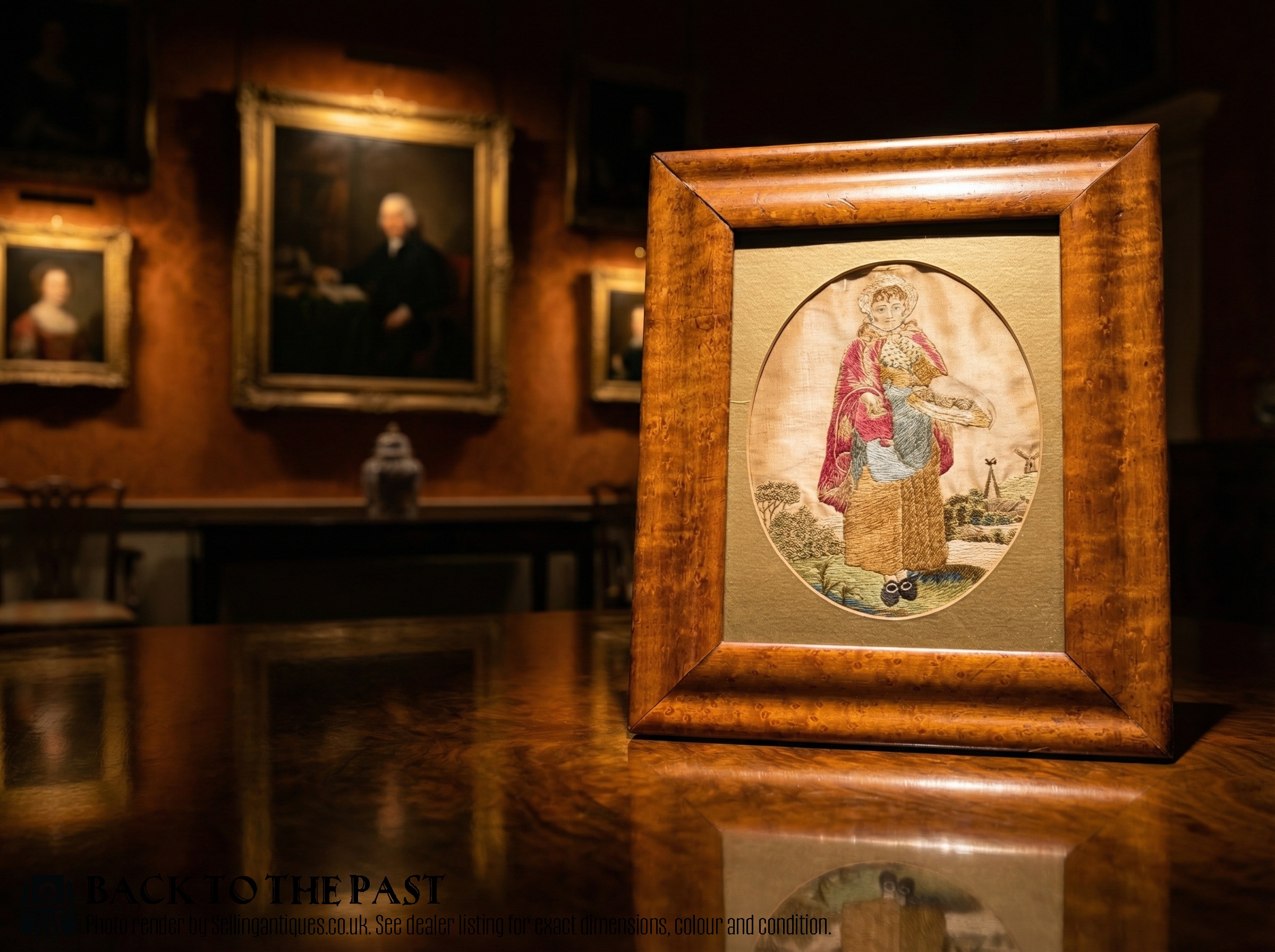
Framing forms an integral part of the physical object, utilising period materials such as burr maple, rosewood, carved giltwood gesso, and verre églomisé glass panels to protect the delicate textiles.
Antique Needlework Picture Retail Price Guide 2026
Typical asking prices for needlework picture among the pieces listed under this phrase on Sellingantiques today, from the lower quarter to the upper quarter. They describe what is for sale here now, not the wider market.
The listings span from the seventeenth century through to the early twentieth century, utilising silk, wool, and giltwood frames.
Distinctions in Quality
Quality rests upon the fineness of the stitch execution, the complexity of the pictorial composition, and the condition of the delicate threads. Superior examples demonstrate meticulous needle control and sophisticated shading, particularly in facial details and animal depictions.
The integrity of the original housing elevates a piece significantly. Retaining a period frame, such as burr maple or giltwood, preserves the historical context and visual harmony of the textile artwork.
The Antique Needlework Picture Glossary
- Berlin work
- A type of needlepoint embroidered in wool on canvas using charted patterns. This technique became immensely popular during the nineteenth century for producing brightly coloured pictorial panels.
- Stumpwork
- A raised embroidery style popular in the seventeenth century featuring padded elements, wire supports, and ornate threadwork. Figures and motifs stand in high relief from the background fabric.
- Sampler
- A piece of fabric embroidered to demonstrate various stitches and skill levels. Historic examples frequently incorporate alphabets, numerals, and moral verses.
- Petit point
- Needlepoint executed on fine mesh canvas using tent stitch. This method allows for intricate detail and subtle colour gradation in pictorial scenes.
- Verre églomisé
- A process of applying gold or silver leaf to glass and engraving designs before framing. It often provides a decorative border on nineteenth-century picture frames.
Antique Needlework Picture: Frequently Asked Questions
How should I hang an antique needlework picture?
Protect the textile from direct sunlight to prevent fading of the historic silk and wool threads. Position the piece away from moisture and heat sources to maintain the stability of the fabric and frame.
Ensure the wall fixing supports the weight securely, particularly for larger framed works incorporating glass and hardwood moulding.
What is the difference between a sampler and a picture?
A sampler focuses on demonstrating stitches, alphabets, and patterns as a record of practice. These pieces often feature rows of lettering and formal motifs.
A picture is designed primarily as a pictorial artwork, depicting landscapes, portraits, or narrative scenes intended for display from the outset.
How do I date an antique needlework piece?
Examine the materials, framing style, and subject matter for clues regarding the period of creation. Stitching techniques and canvas types evolved significantly between the seventeenth and nineteenth centuries.
Some samplers and pictorial works include explicit dates or refer to contemporary historical events, monarchs, or stories that narrow the timeframe.
Were these works made by amateurs or professionals?
Many nineteenth-century woolwork and Berlin work pieces were created by domestic makers following published patterns. These reflected contemporary tastes for home decoration and needlecraft education.
Earlier seventeenth-century and eighteenth-century examples often involved formal training, workshop collaboration, or professional execution, particularly for complex silk and stumpwork panels.