




Antique Needlepoint Artwork
Antique needlepoint artwork brings centuries of hand-stitched portraiture, pastoral scenes and samplers into modern rooms.
Antique Needlepoint Artwork
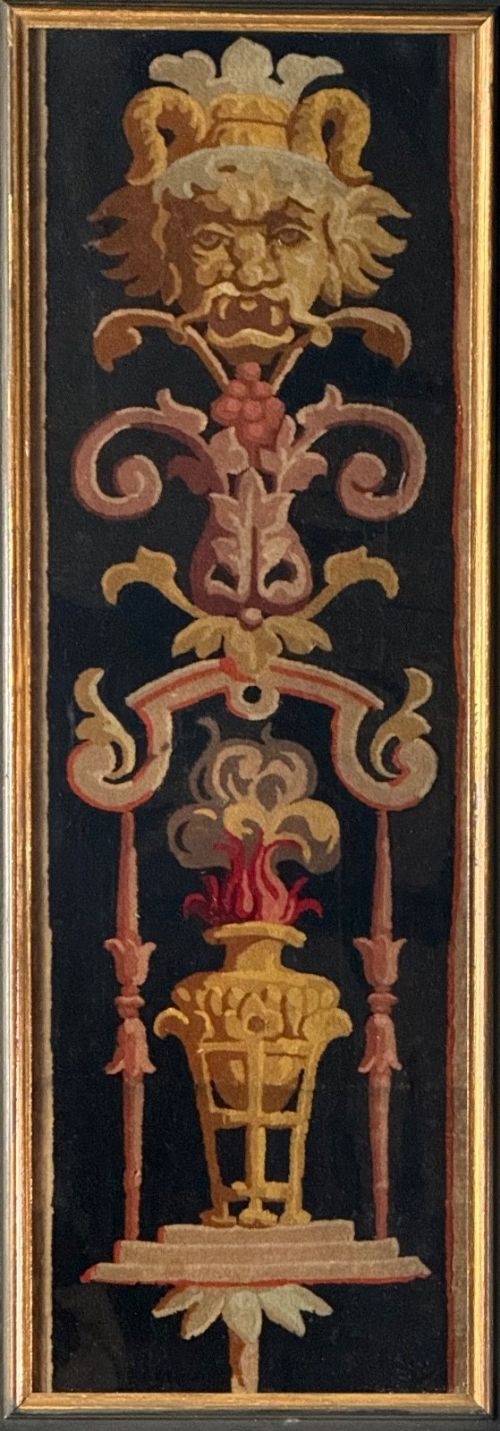
When you search for antique needlepoint artwork, you encounter textile pieces ranging from framed wall art and needlework samplers to tapestry cushions and embroidered picture panels. These works span the seventeenth, eighteenth, nineteenth and early twentieth centuries, reflecting diverse domestic and courtly subjects.
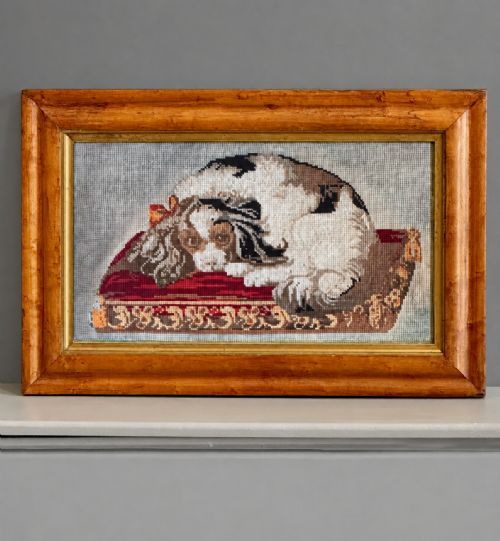
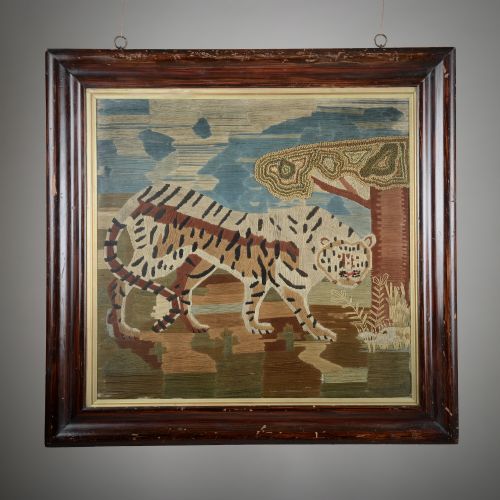
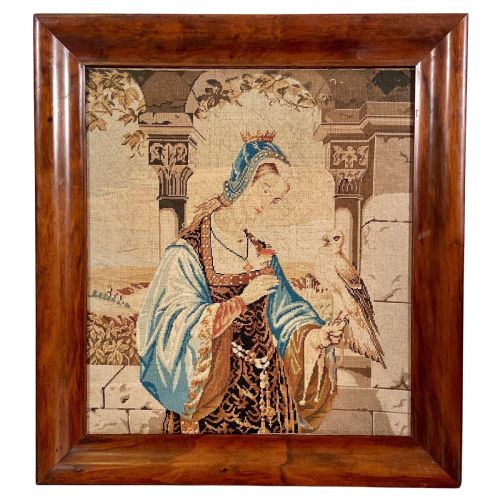
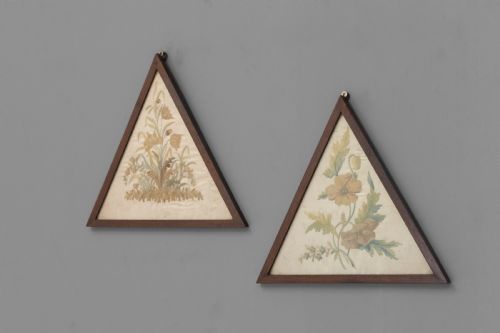
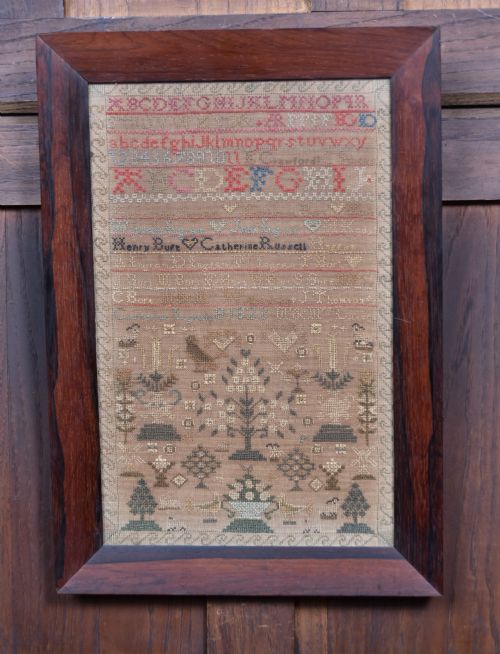
The version you are most likely to meet on this page is the nineteenth-century framed wool work picture or sampler, alongside eighteenth-century pastoral silk embroideries. Formats vary from oval woolwork portraits to large framed textile panels depicting animals, maps, religious figures and classical scenes.
Materials and construction
These pieces rely on natural fibres such as wool, silk and thread stitched across linen or canvas foundations. Makers utilised specialised techniques including crewel work, long stitch, gros point and Berlin work to build dense, textured surfaces.
Finished embroideries often reside within period surrounds like burr maple, oak, rosewood, giltwood or verre églomisé glass frames, protecting the delicate textile work beneath.
Antique Needlepoint Artwork Retail Price Guide 2026
Typical asking prices for needlepoint artwork among the pieces listed under this phrase on Sellingantiques today, from the lower quarter to the upper quarter. They describe what is for sale here now, not the wider market.
The listings span five centuries of textile art, using materials like glass, wool, silk, wood, linen, canvas, giltwood and thread across English, French, German, Italian and Chinese origins.
Evaluating needlepoint quality
Quality rests upon the fineness of the stitchery and the complexity of the design, where tightly worked silk and wool details yield sharper pictorial definition. The harmony of the remaining colour palette dictates visual success.
The originality and condition of the accompanying period frame contribute significantly to the piece, alongside the clarity and precision demonstrated in samplers and pictorial compositions.
The Antique Needlepoint Artwork Glossary
- Sampler
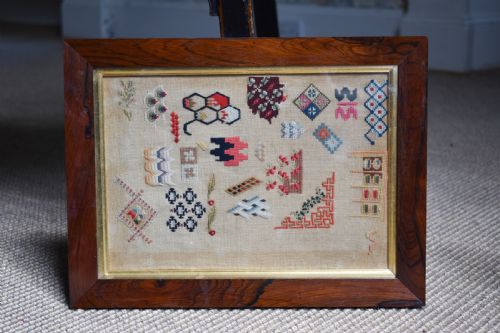
- A piece of textile work produced as a demonstration or test of skill in various stitches, frequently displaying alphabets, numbers or moral verses.
- Berlin Work
- A type of coloured needlepoint embroidery popular in the nineteenth century, typically worked in wool on canvas from printed grid patterns.
- Verre Églomisé
- A process of applying design and gilding to the reverse side of glass, frequently seen framing decorative pictures.
- Gros Point
- A coarse needlepoint stitch worked on canvas, used to create durable tapestry panels and cushion covers with pronounced texture.
- Crewel Work
- Embroidery executed with fine wool yarn on a linen or cotton twill fabric, traditional in early English decorative pieces.
Antique Needlepoint Artwork: Frequently Asked Questions
How should I hang antique needlework?
Keep framed textile pieces away from direct sunlight to prevent the silk and wool threads from fading over time.
Ensure rooms maintain stable humidity levels to protect both the antique canvas and the original wood frames.
What is the difference between a sampler and a picture?
Samplers focus on alphabets, numbers, names and instructional stitches, often created by younger makers as educational exercises.
Pictorial needleworks depict specific scenes such as landscapes, animals, portraits or religious subjects intended purely for decorative display.
How do I identify eighteenth-century silk work?
Eighteenth-century examples frequently combine silk and wool to render pastoral farming scenes, classical portraits or detailed maps with muted, aged palettes.
Look closely at the canvas weave and framing materials, as these often match the Georgian period of production.
Are tapestry cushions practical for daily use?
Seventeenth and nineteenth-century tapestry cushion covers were designed for functional domestic seating in country houses.
Gentle handling preserves the old wool and thread structure while allowing them to sit on armchairs or sofas.