


Antique Nautical Oil Painting
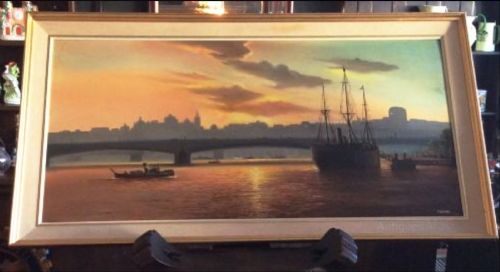
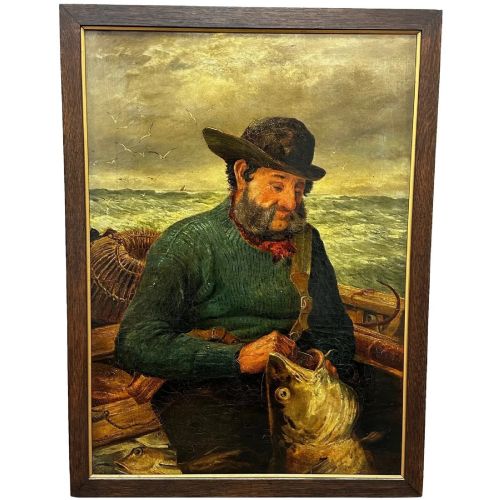
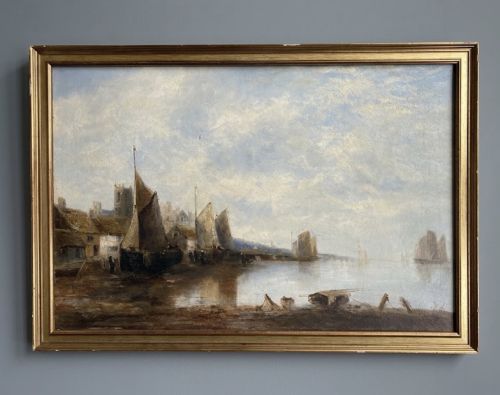
When you search for an antique nautical oil painting, you find centuries of maritime history captured on canvas and panel by artists recording ships, storms, and coastal harbours.
Antique Nautical Oil Painting
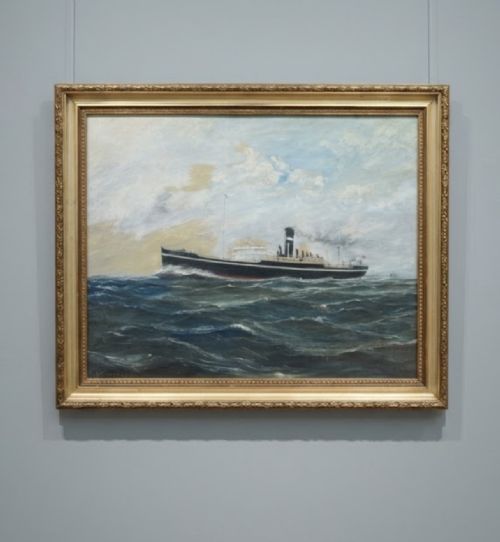
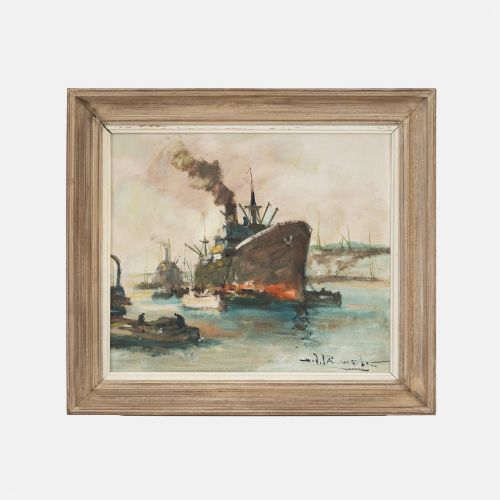
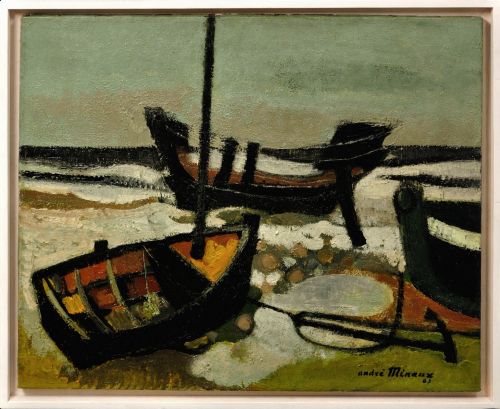
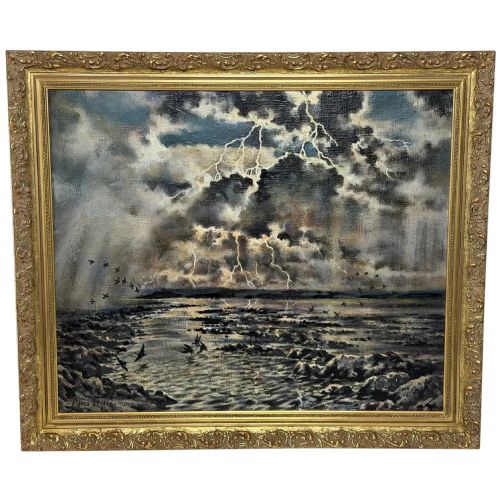
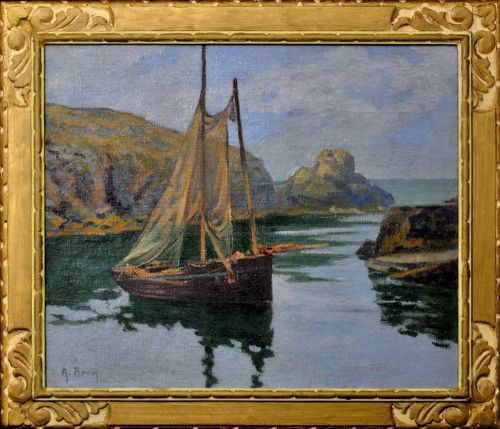
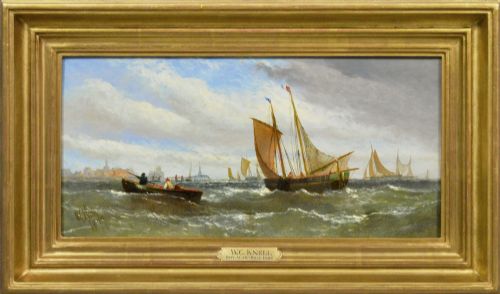
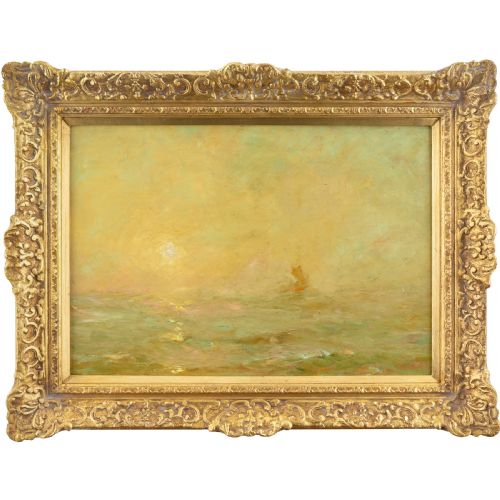
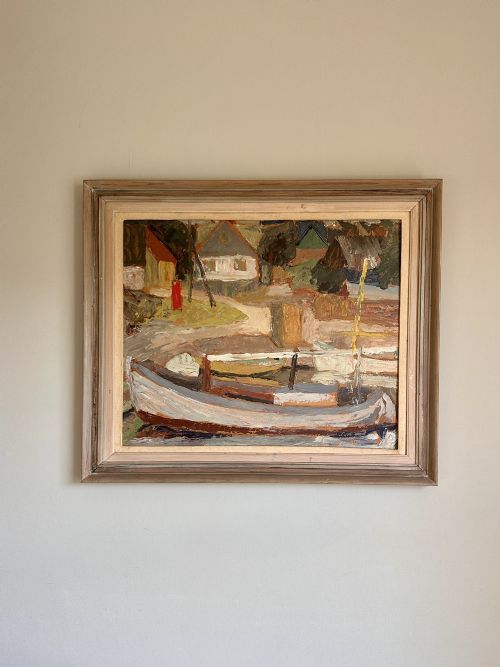
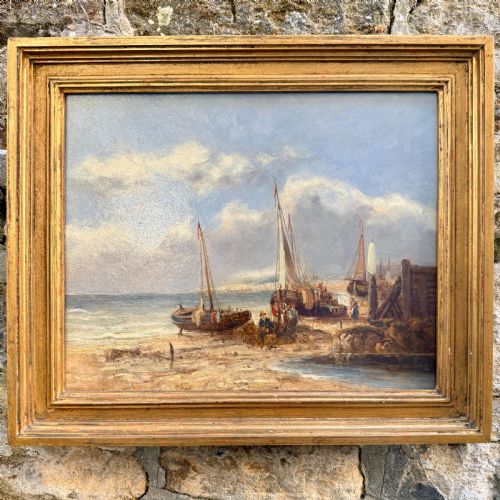
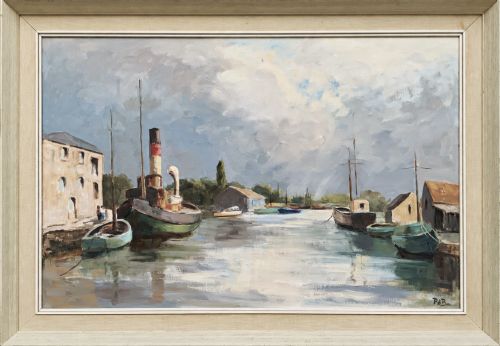
An antique nautical oil painting captures seafaring subjects, ranging from towering warships and merchant vessels to quiet harbour scenes and dramatic storms at sea. These works document specific vessels, historical naval engagements, and daily coastal life through the brush of marine artists.
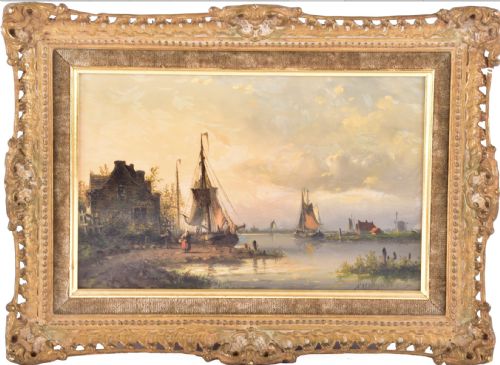
The selections available lean heavily towards Victorian and Edwardian interpretations, spanning the nineteenth and early twentieth centuries. You will encounter works executed on canvas, wooden panel, and board, often housed within their original gilt frames.
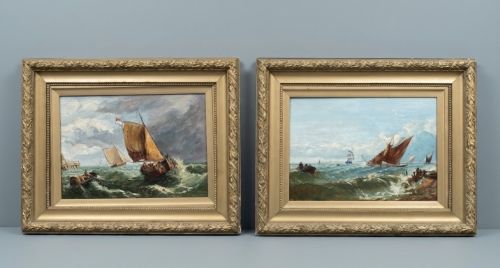
Subjects stretch from British merchant ships and steamships off foreign coasts to Dutch boats in gales and peaceful canalscapes. Each piece serves as a visual record of maritime heritage, reflecting the changing technology of shipping from wooden barques to steam-powered vessels.
How they were made
Artists painted primarily with oil paint on stretched canvas, wooden panels, or prepared board, utilising the rich consistency of oils to build depth in churning seas and darkening skies. Pigments were layered to capture the play of light on water and the heavy textures of billowing sails.
Presentation played a vital role in the creation of these works, with many paintings set within ornate gilt wood frames that enhanced the dramatic presence of the maritime scene.
Antique Nautical Oil Painting Retail Price Guide 2026
Typical asking prices for nautical oil painting among the pieces listed under this phrase on Sellingantiques today, from the lower quarter to the upper quarter. They describe what is for sale here now, not the wider market.
Listings feature works executed on canvas, wooden panel, and board, framed in gilt wood across Victorian and Edwardian periods.
What varies in quality
Quality rests upon the artist's command of maritime architecture, rigging accuracy, and the dynamic movement of water under varying atmospheric conditions. A superior canvas demonstrates precise handling of light reflecting off turbulent waves and accurate portrayal of nautical vessels.
The depth of historical context and the skill evident in brushwork separate standard decorative works from fine art pieces created by established marine painters of the period.
Eugène-Louis Gillot·William McAlpine·Reginald Arthur Borstel·Lemuel Francis Abbott·James Kay·William Broome·Bernard Gribble·Bonaventura Peeters·Willem Bos·John Wilson Carmichael·Lai Fong·John Moore of Ipswich·Nicholas Condy·Richard B. Spencer·William Henry Williamson·Bernard Benedict Hemy·Abraham Hulk I·Charles Napier Hemy·Gustave De Bréanski·Pieter Cornelis Dommersen
The Antique Nautical Oil Painting Glossary
- Giltwood
- Wood carved and covered with a thin layer of gold leaf or gold paint. These frames are frequently found enclosing nineteenth-century marine art.
- Panel
- A flat piece of wood used as a rigid support for painting instead of stretched canvas. Panels often yield finely detailed harbour and shipping scenes.
- Seascape
- A work of art depicting the sea, coastal views, or marine vessels in motion. These form the core subjects of maritime oil paintings.
- Barque
- A sailing ship with three or more masts having the fore-and-aft sail on the mizzenmast. They appear frequently in historical maritime paintings of the nineteenth century.
- Pierhead painting
- A specific genre of ship portraiture, often commissioned by sea captains, depicting a vessel outside a specific port. These works prioritize accurate details of rigging and hull.
Antique Nautical Oil Painting: Frequently Asked Questions
What periods do these maritime paintings cover?
The works span multiple centuries, with a heavy concentration of pieces originating from the nineteenth and early twentieth centuries. You will find examples stretching from the seventeenth century through to the Edwardian era and mid-twentieth century.
Artists during these periods recorded the evolution of maritime transport, capturing everything from traditional sailing ships to early steamships.
How do I identify a ship in a painting?
Ship identification relies on observing specific architectural details such as the number of masts, the arrangement of sails, and the presence of funnels on steamships. Many historical paintings include flags, pennants, or specific coastal landmarks that point to a vessel's nationality and route.
Signatures, inscriptions on the reverse, or historical records of the depicted ship often provide further confirmation of the subject.
Where were these marine paintings created?
These artworks were produced by European and international artists working in coastal towns, major trading ports, and urban studios. British, Dutch, French, and Australian painters all contributed to the genre, recording local waters and international shipping lanes.
Port cities such as Rotterdam, Valletta, and North Shields frequently served as subjects or bases of operation for marine artists.
How should I care for an oil painting?
Preserving an oil painting requires keeping it away from direct sunlight, high humidity, and extreme temperature fluctuations that can cause the canvas or panel to warp. Display the piece on a stable wall in a room with a consistent climate.
Dust the surface gently with a soft, dry brush and avoid using liquid cleaners on the paint or the gilt frame.