







Antique Nautical Artwork
Antique nautical artwork captures the power of the sea through historical paintings, watercolours and etchings.
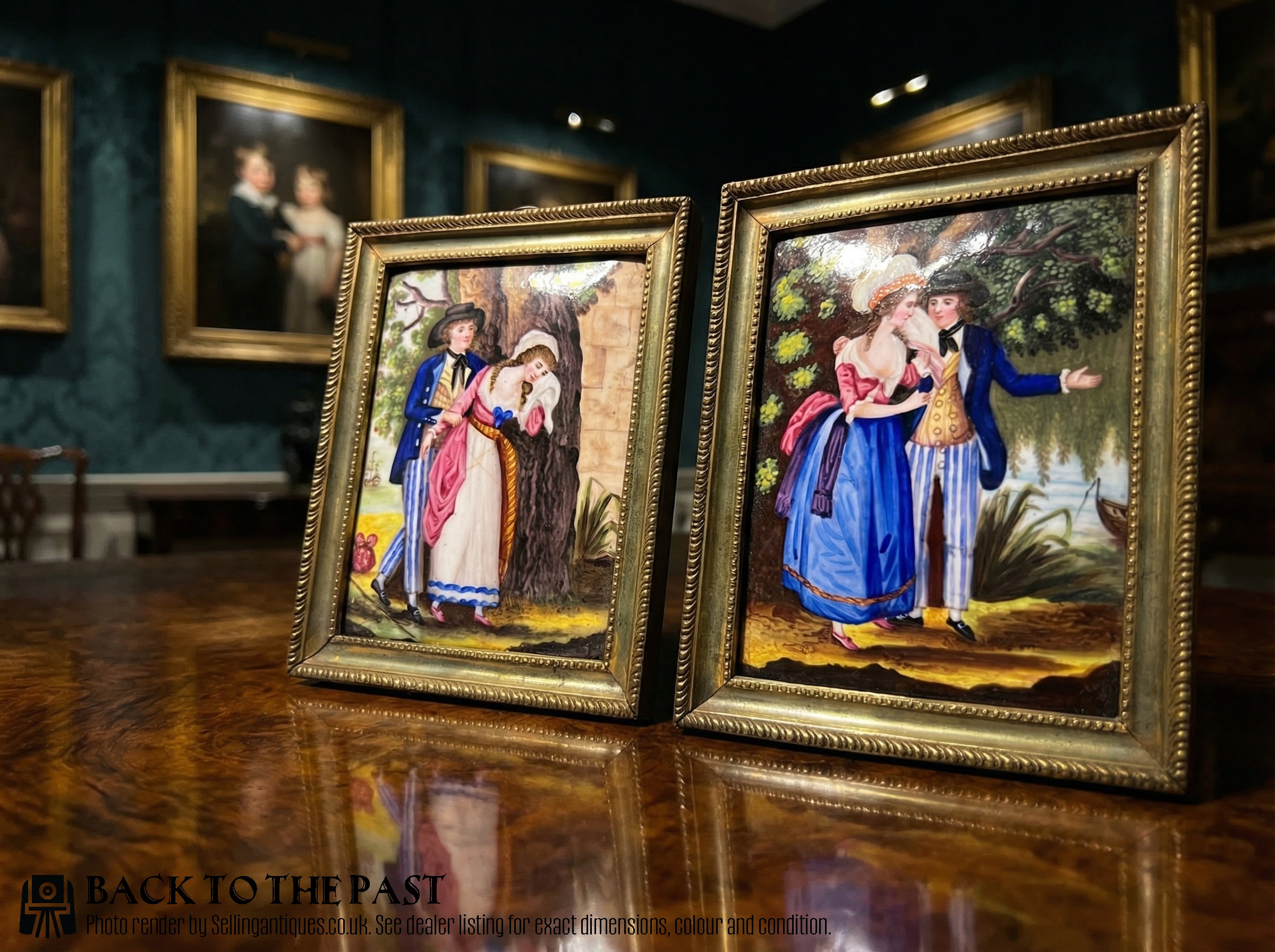
Antique Nautical Artwork
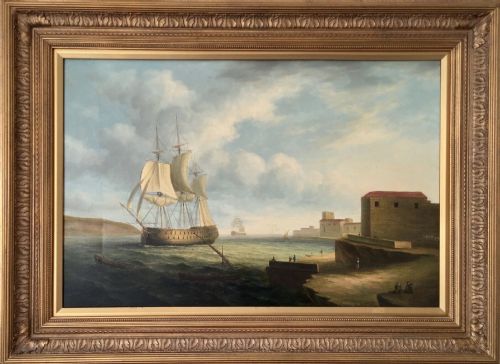
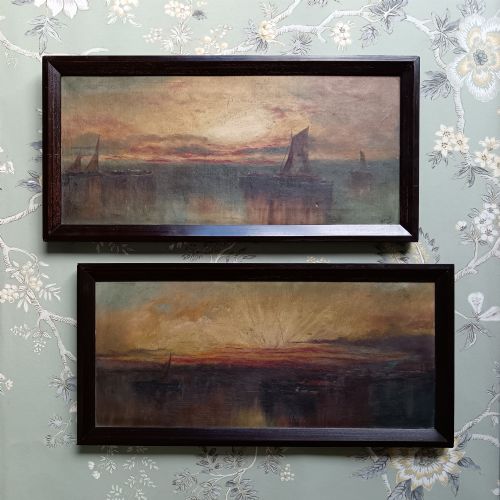
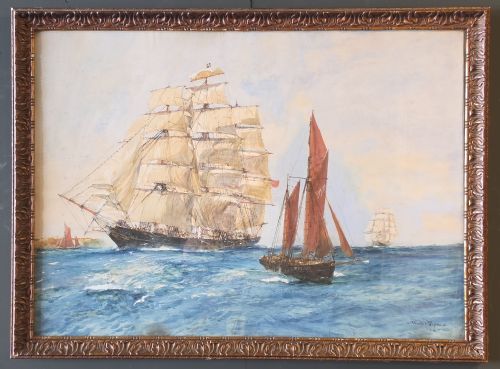
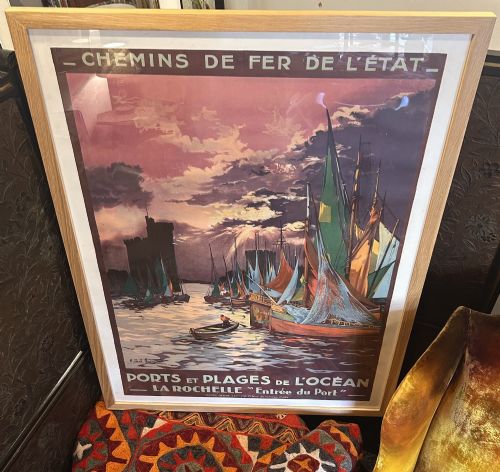
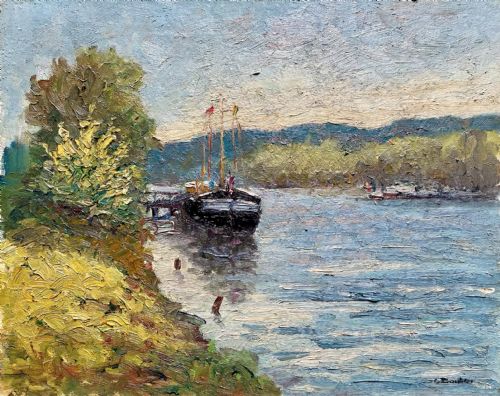
When you search for antique nautical artwork, you encounter paintings, watercolours, drawings and etchings recording maritime life from the nineteenth and early twentieth centuries. These pieces depict warships, merchant vessels, fishing boats and coastal scenes rendered by British and European artists.
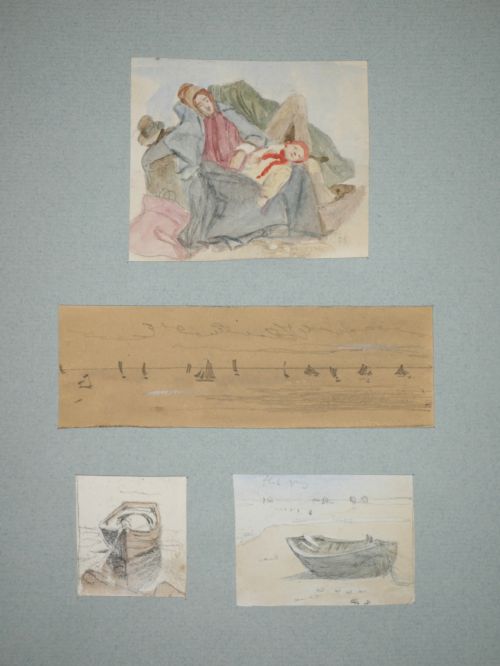
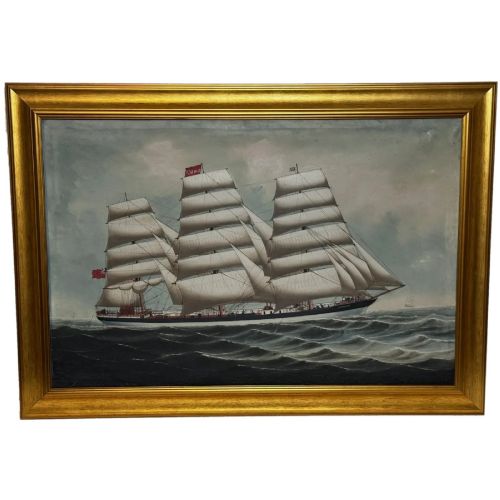
The selections available here range from intimate watercolours of harbour beaches to large oil paintings of ships in rough seas and stormy gales. You will find works spanning the Victorian and Edwardian eras, documenting everything from tranquil river estuaries to dramatic naval engagements.
Many of these works focus on specific historical vessels, steamships and coastal landmarks, offering a direct window into past maritime trades and naval history. They appear on canvas, paper and board, frequently framed in period wood and gilt settings.
Materials and methods
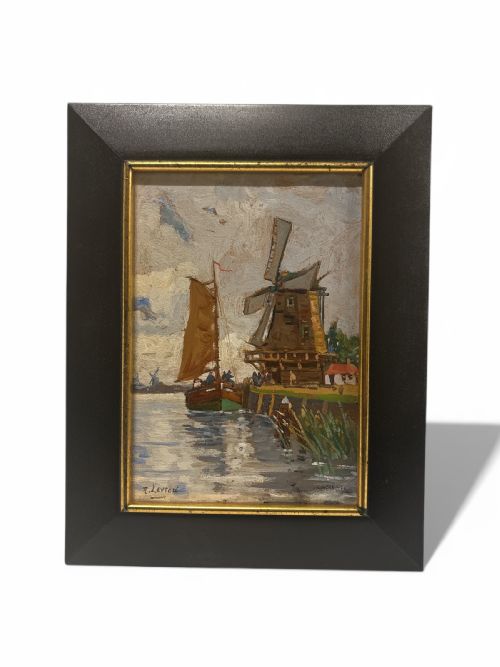
Artists created these maritime scenes using oil on canvas or board, watercolour on paper, and gouache, often mounting works within gilt wood frames under glass. The physical construction relies on traditional stretched canvas, heavy paper supports and wooden panels that have survived from the nineteenth and early twentieth centuries.
Techniques range from fluid watercolour washes capturing coastal light to heavy impasto oil applications describing churning waves and dark storm clouds. Etchings on paper provide fine linear detail for depictions of river reaches and shipping traffic.
Antique Nautical Artwork Retail Price Guide 2026
Typical asking prices for nautical artwork among the pieces listed under this phrase on Sellingantiques today, from the lower quarter to the upper quarter. They describe what is for sale here now, not the wider market.
One industrious Victorian artist painted twelve separate Chinese export views of junks, proving that marine nostalgia truly knows no borders.
Distinctions in quality
The standard of a maritime work rests upon the artist's command of atmospheric light, water movement and the accurate rigging of vessels. Superior examples demonstrate a deep understanding of marine architecture and natural forces, whereas lesser pieces rely on formulaic waves and rigid ship placement.
Condition and originality also dictate the standing of a piece, particularly the preservation of paper or canvas without excessive restoration. Hand-carved or well-preserved gilt wood frames that complement the age of the artwork add to the integrity of the piece.
James Hardy·James Orrock·Eugène-Louis Gillot·William McAlpine·Reginald Arthur Borstel·Charles Edward Dixon·John E. Aitken·James Smetham·John Rose Miles·James Kay·William Broome·Bernard Gribble·William Lionel Wyllie·Bonaventura Peeters·Frank William Scarbrough·F. Corpuz·Willem Bos·TB Hardy·John Wilson Carmichael·John Moore of Ipswich·Nicholas Condy
The Antique Nautical Artwork Glossary
- Watercolour
- A painting method where fine pigment is suspended in water-soluble liquid, applied to paper to create translucent washes of coastal light and sea spray.
- Oil on Canvas
- A technique using pigments bound in drying oil applied to stretched fabric, allowing artists to build rich texture and deep tones for stormy seas.
- Gouache
- An opaque water-based medium that provides solid blocks of colour and sharp highlights, frequently used for detailed depictions of ships and harbour flags.
- Etching
- A printmaking process where an artist scratches a design through a protective ground on a metal plate, which is then acid-bitten and printed on paper.
- Gilt Wood
- Timber framing coated with a thin layer of gold leaf or metallic paint, commonly utilised to edge and elevate nineteenth-century paintings.
Antique Nautical Artwork: Frequently Asked Questions
How do I identify the period of a maritime painting?
Examine the riggings, vessel types, and clothing styles depicted within the scene, as steamships, three-masted schooners, and wooden barques correspond to specific decades. The materials of the backing, stretcher bars, and framing methods also offer clear chronological indicators.
Signatures and biographical dates of the artist further anchor the work within the nineteenth or early twentieth century. Comparing the subject matter to documented historical events often narrows the date of execution.
Where were these maritime artworks originally displayed?
These pieces traditionally hung in the parlours and studies of maritime merchants, shipowners, naval officers, and coastal residents who felt a direct connection to the sea. They commemorated specific vessels, voyages, or hometown harbours.
Today, they suit similar private spaces, libraries, and hallways where traditional interiors benefit from historical focal points. Their subject matter complements wood-panelled rooms and neutral heritage wall colours.
What is the difference between an oil and a watercolour?
Oil paintings utilise pigment suspended in drying oil on canvas or board, creating rich, textured surfaces capable of capturing deep shadows and dramatic storm light. They generally require protective framing without glass.
Watercolours employ water-soluble pigments on paper, producing lighter, more luminous atmospheric effects of mist and coastal air. These works require glazing under glass to protect the paper surface from environmental damage.
How should I care for antique marine watercolours?
Keep works on paper away from direct sunlight to prevent the fading of delicate watercolours and gouache pigments. Maintaining stable room humidity protects the paper and prevents foxing spots.
Ensure that framing utilises acid-free mounts and backing materials to preserve the paper over time. Professional framing checks help safeguard the condition of older watercolours.