


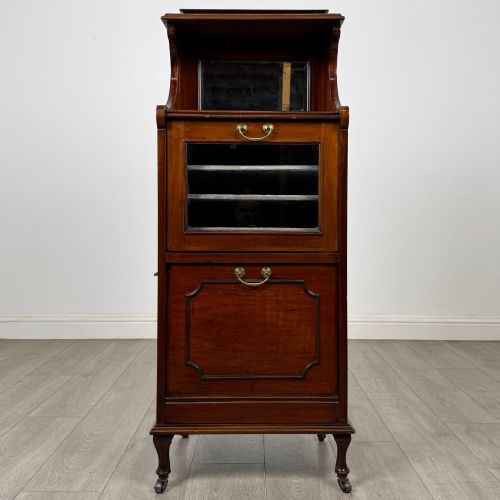
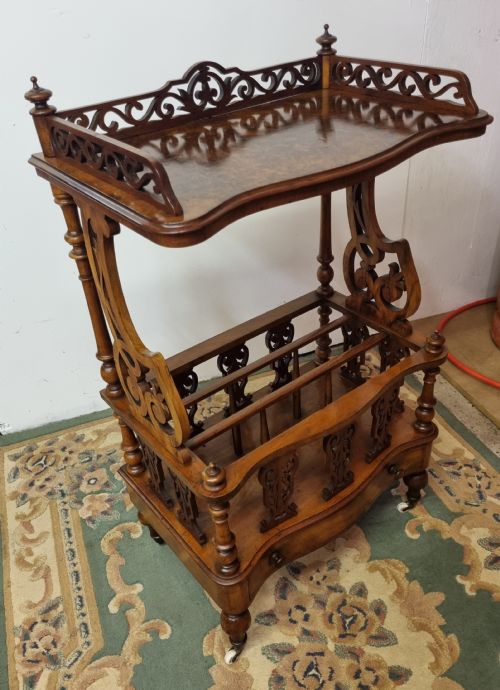
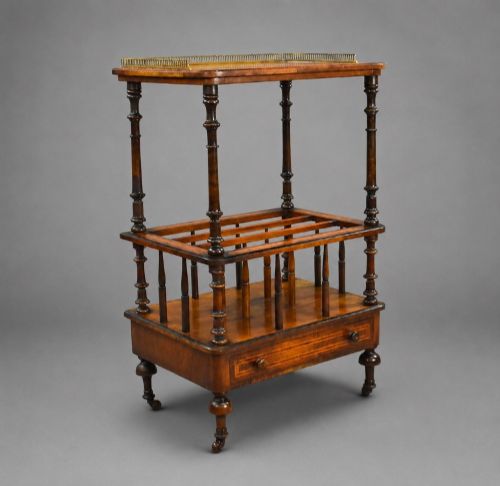
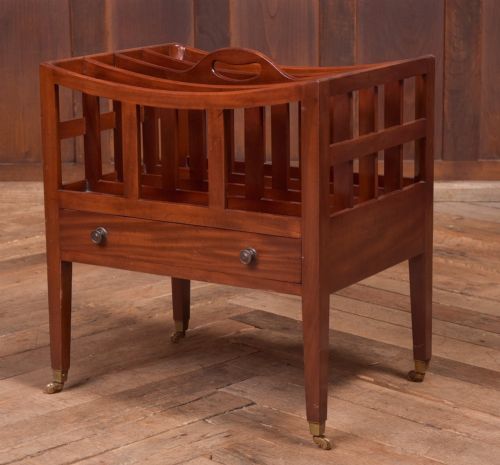
Antique Music Stand Cabinet
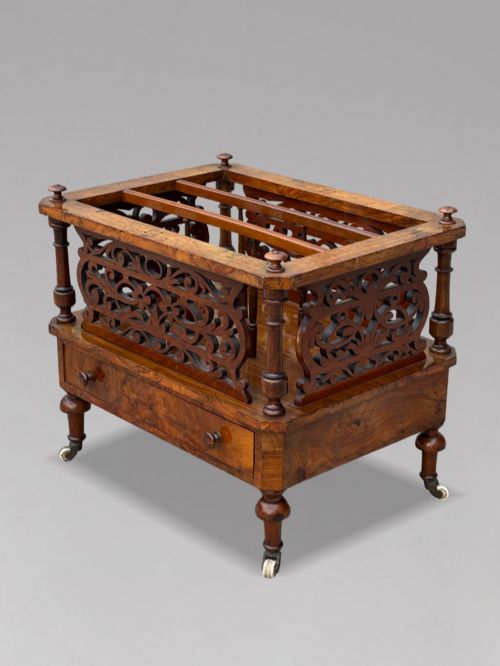
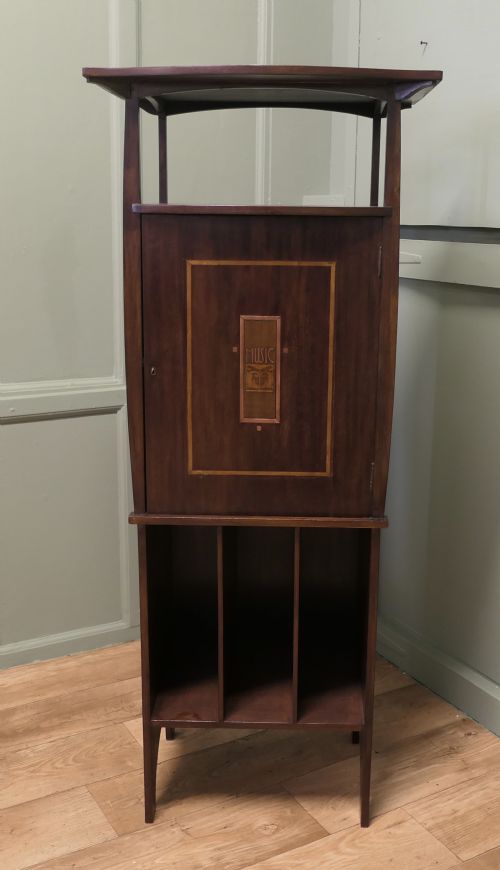
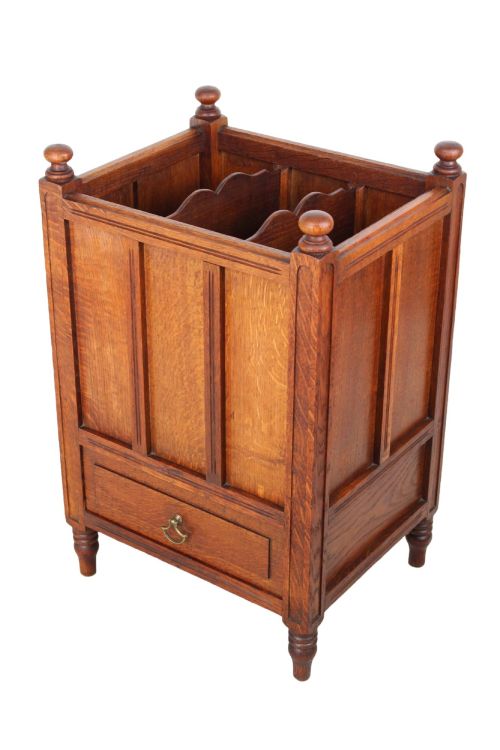
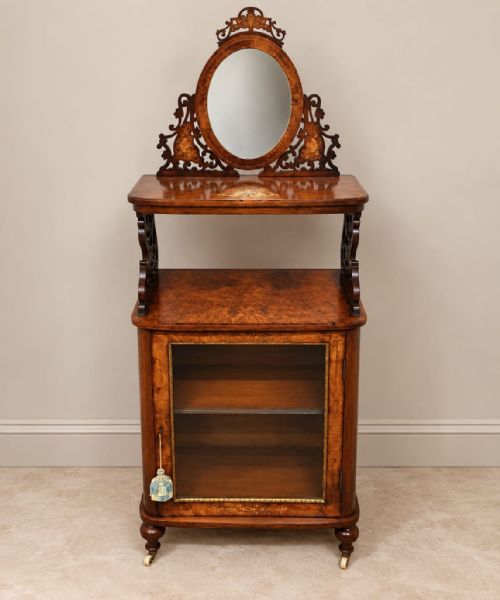
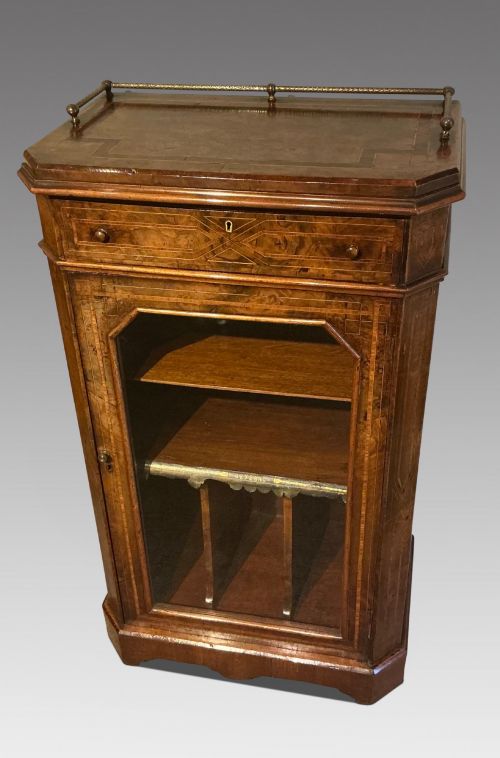
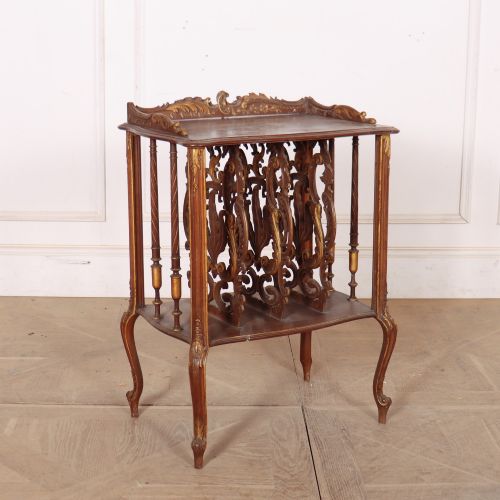
These antique music stand cabinets are purposeful furniture pieces designed to house sheet music and folios.
What an antique music stand cabinet is
An antique music stand cabinet combines storage compartments for scores with a surface or stand element. These pieces emerge from the Victorian, Edwardian, and Regency eras.
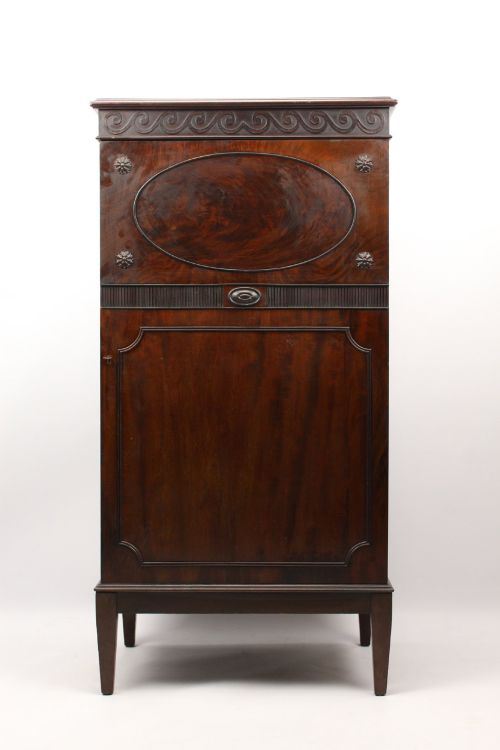
The evidence shows forms ranging from dedicated music cabinets to music filing cabinets and pieces incorporating folio or hall stands. Walnut, mahogany, rosewood, oak, amboina, and satinwood define the structural woods.
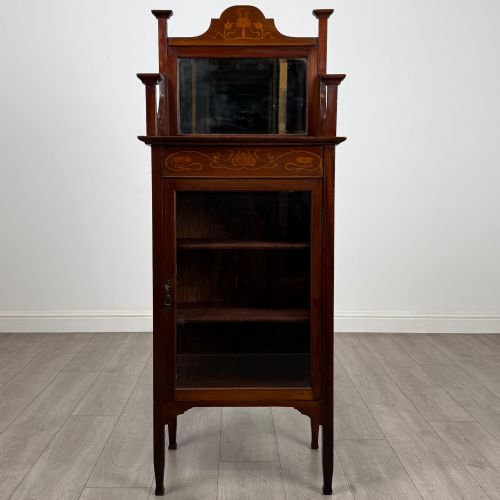
Victorian and Edwardian examples dominate the selection. French Art Nouveau styling and marquetry introduce continental design influences alongside English craftsmanship.
How they were made
Cabinetmakers utilised cabinet timbers including walnut, mahogany, oak, rosewood, amboina, and satinwood. Inlaid surface decoration and marquetry panels add decorative detail to the facades.
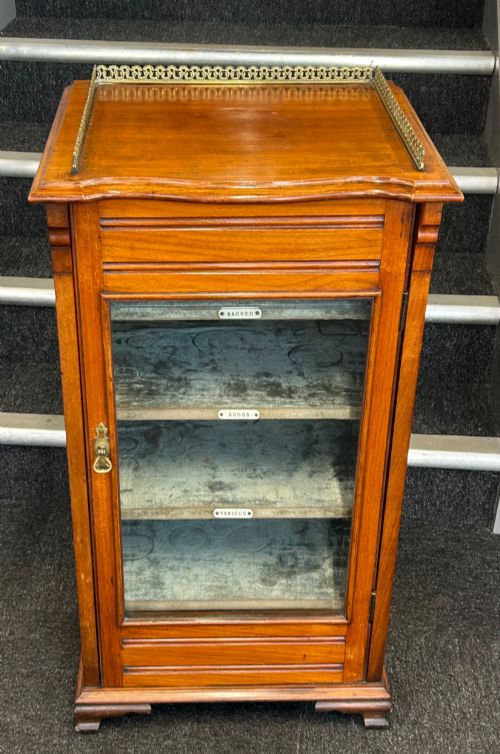
Fitted interiors accommodate sheet music, whilst brass hardware and glass elements appear across various examples. Metal components serve structural and functional roles in supporting the music storage mechanisms.
Retail Price Guide 2026
Typical UK retail prices for music stand cabinet, calculated from the Sellingantiques database of over a million retail prices indexed since 2003. This retail price guide relies exclusively on Sellingantiques data; no external sources or auction records are used, so the figures do not describe the wider market.
Musicians once relied on these petite timber chests to keep their sprawling concertos from sliding into the fireplace.
What varies in quality
The choice of cabinet wood sets the tier of the piece, with exotic veneers like amboina and satinwood sitting alongside solid walnut and oak. Intricate marquetry and elaborate inlay work elevate the visual sophistication above plain timber surfaces.
Stylistic execution distinguishes standard production from refined design, particularly in French Art Nouveau and Regency examples. The presence of specialised filing interiors or integrated stand functions adds complexity to the construction.
The Antique Music Stand Cabinet Glossary
- Folio
- A large format for holding unbound sheets of music or paper. Cabinets often incorporated specific spaces to store these large items flat or upright.
- Marquetry
- The art of applying decorative veneer pieces to a structure to form designs. This technique appears on cabinet doors and panels using contrasting woods.
- Satinwood
- A durable timber with a characteristic golden sheen and satin-like lustre. Cabinetmakers used it for contrasting stringing and detailed inlay.
- Regency
- An English design period spanning the early nineteenth century. Pieces from this era exhibit classical proportions and refined use of rosewood.
Frequently Asked Questions
How do I date an antique music cabinet?
Dating relies on stylistic markers and timber choices associated with periods like the Victorian and Edwardian eras. Regency and Art Nouveau pieces display distinct decorative vocabularies specific to their times.
Construction methods and secondary woods also offer clues to the approximate decade of manufacture.
Were these cabinets used only for music?
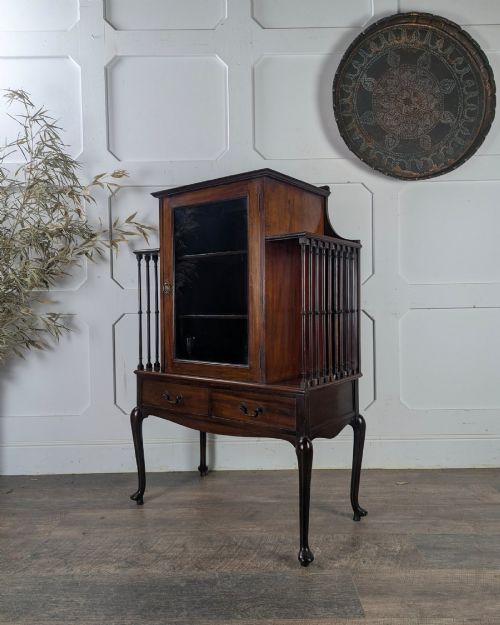
Whilst primarily designed for sheet music, variations served literary and hall functions. Some examples double as folio stands or gentleman's literary cabinets.
Internal filing systems adapted easily to hold papers, letters, and books alongside musical scores.
What woods were used for music cabinets?
Cabinetmakers employed a variety of domestic and exotic timbers depending on the desired finish. Walnut, mahogany, and oak form the foundation of many pieces.
More decorative examples incorporate rosewood, satinwood, and amboina veneers, often enhanced with marquetry inlay.