
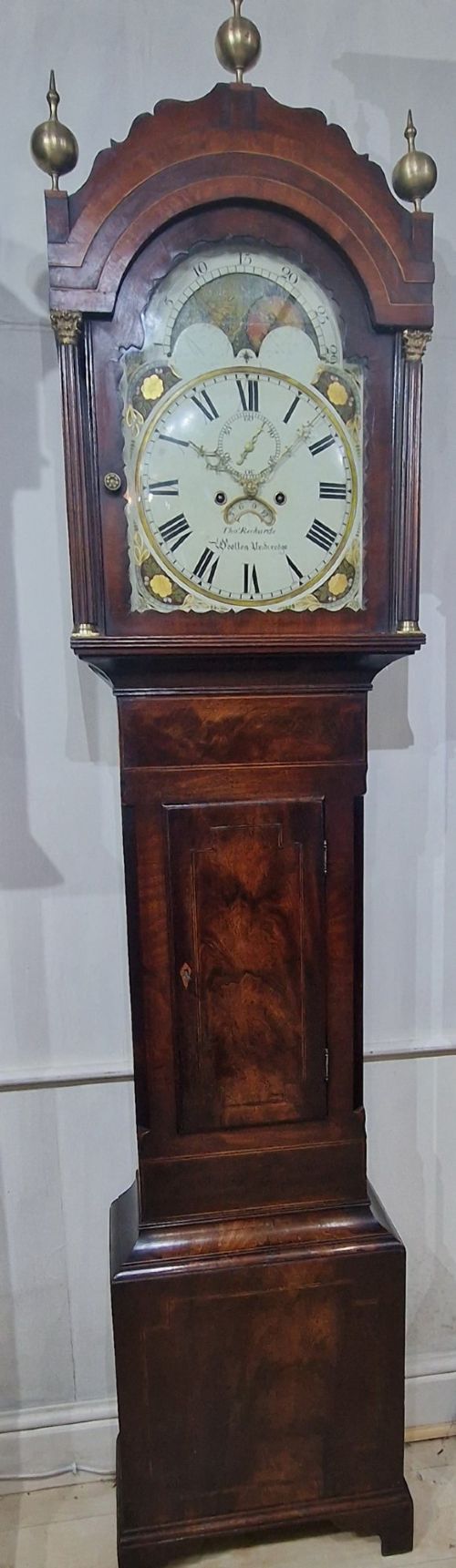
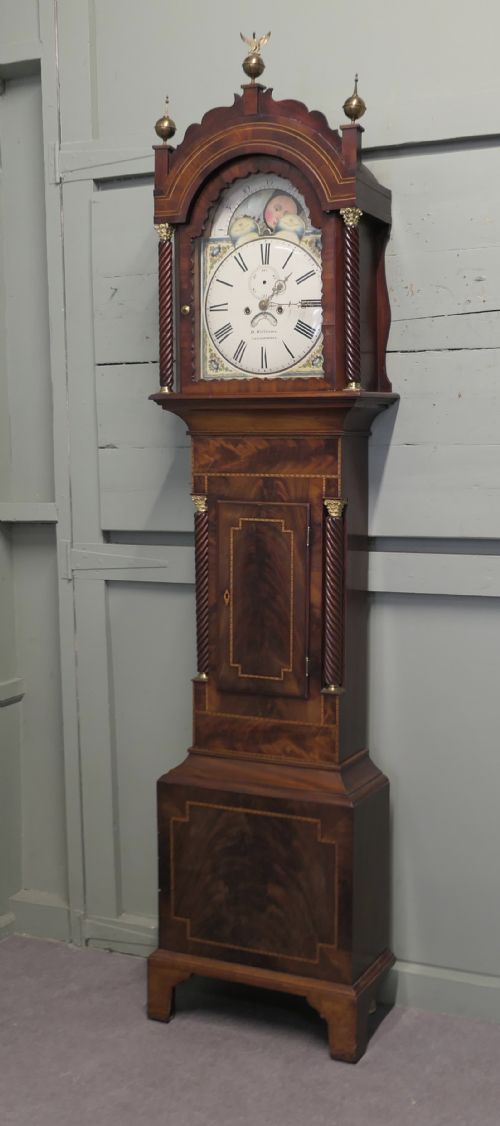


Antique Moonphase Clock
These heavy floor-standing timepieces track the lunar cycle alongside the hour, offering both mechanical precision and a traditional domestic focal point.
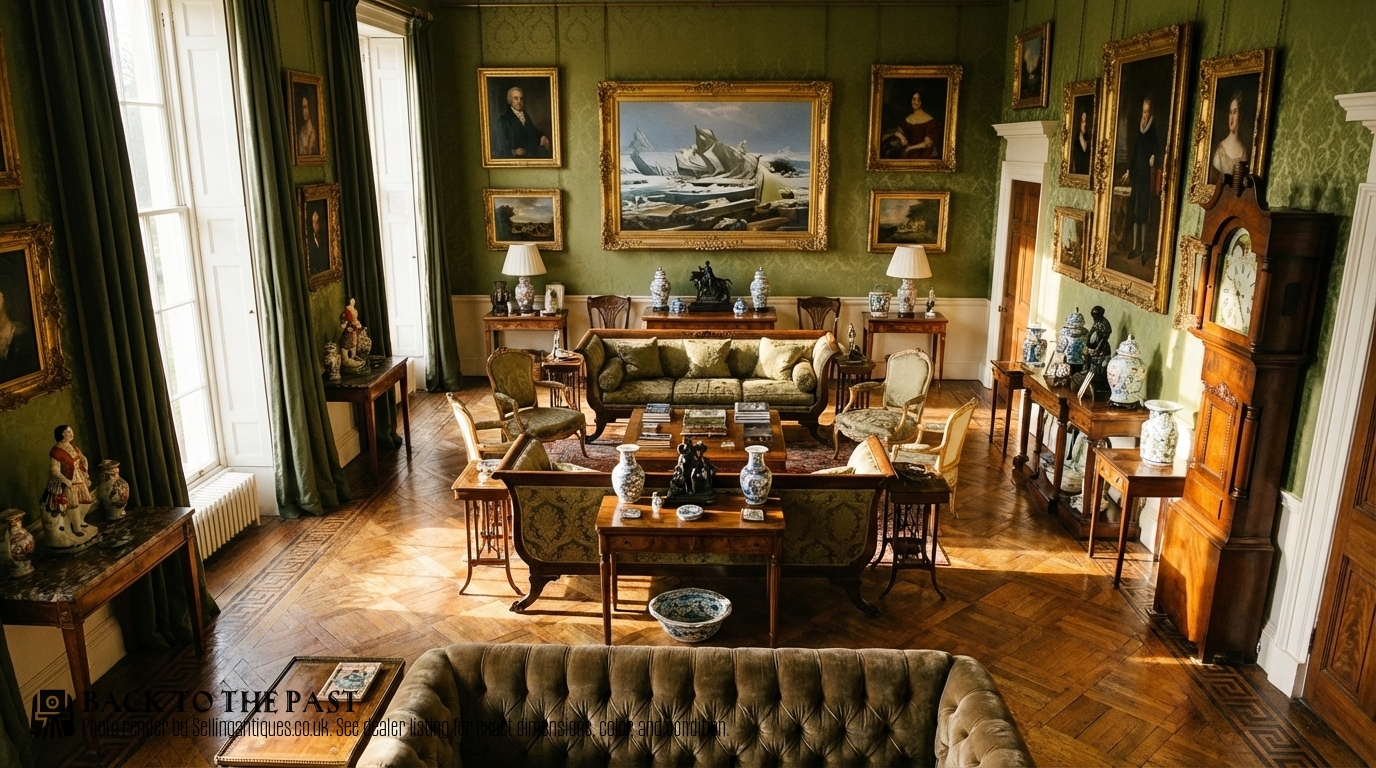
Antique Moonphase Clock
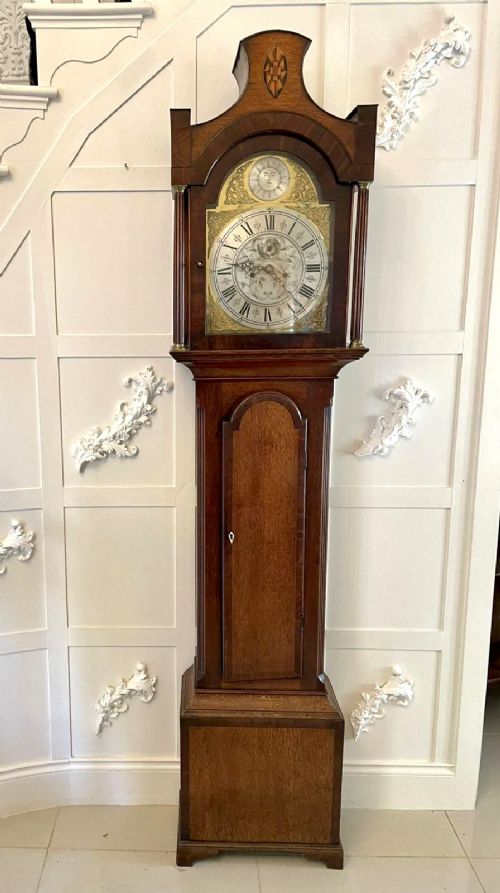
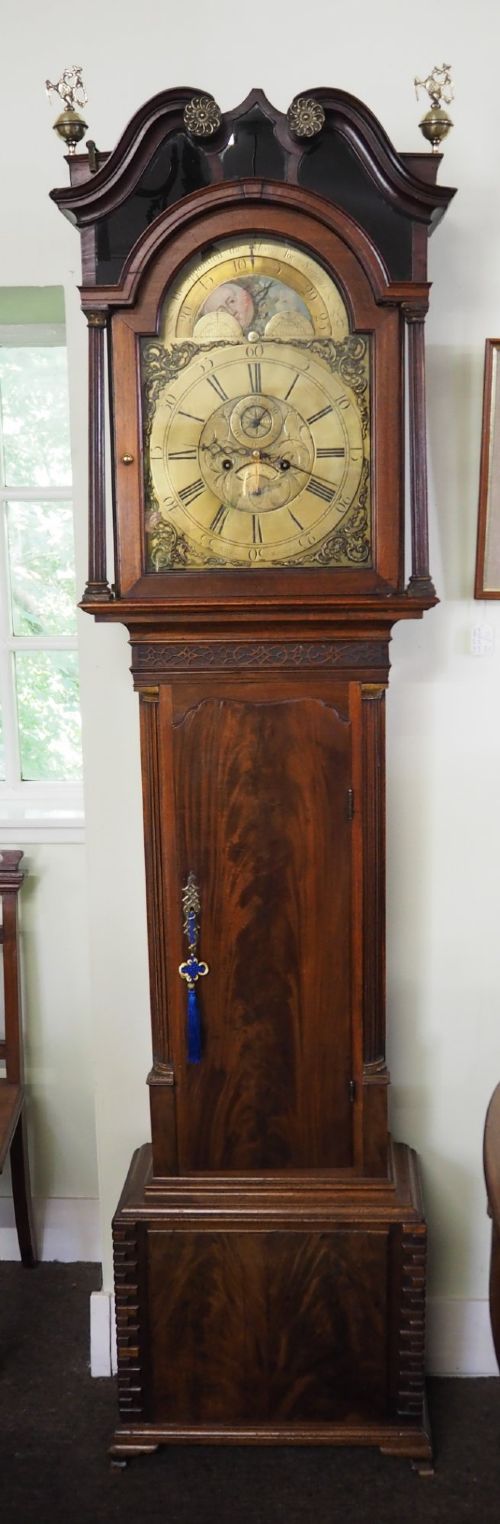
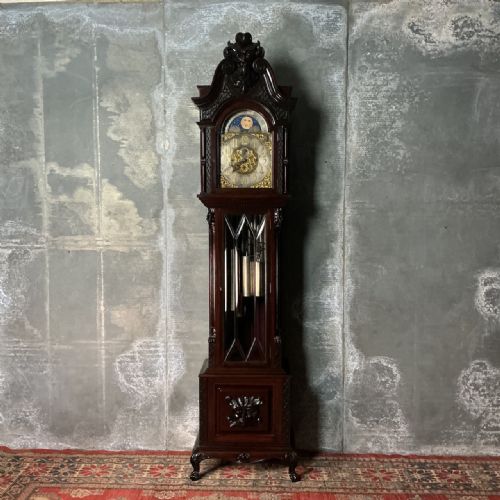
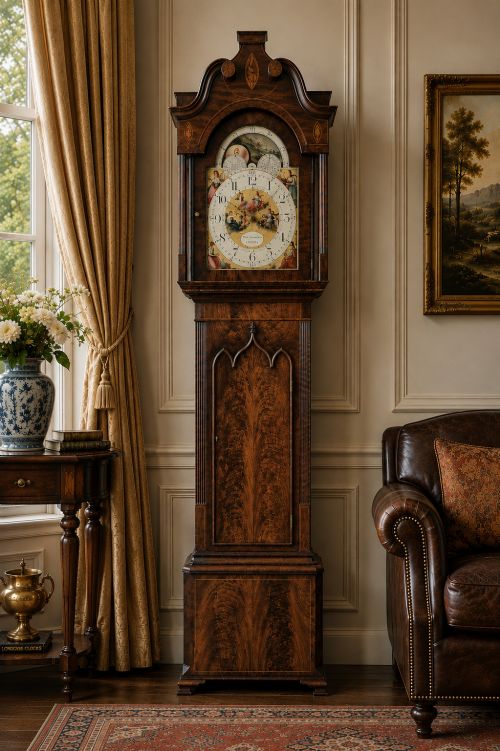
An antique moonphase clock displays the waxing and waning phases of the moon on a painted or brass dial, sitting above the main time circle. These mechanical instruments emerge predominantly within tall longcase formats from the eighteenth and nineteenth centuries, housed in timber floor cases.
The version most commonly met on this page is the British longcase clock from the Georgian era, constructed in oak or mahogany. These floor-standing pieces often incorporate eight-day movements alongside their rotating lunar discs, indicating regional clockmaking traditions across England and Wales.
Materials and construction
Clockmakers housed these movements in tall timber cases built from mahogany, oak, walnut, or inlaid veneers. Cabinetmakers joined these woods using traditional dovetail and framing methods to protect the delicate brass and steel gear trains within.
Dial construction combines brass backplates with silvered chapter rings or iron sheets painted with detailed lunar landscapes and maritime scenes. Hand-cut brass wheels, steel pinions, and glass face covers complete the mechanical assembly.
Several dials include tidal calculations alongside the moonphase, keeping coastal owners informed of local high water times.
Gradations in quality
Quality rests in the precision of the dial artwork and the complexity of the internal movement. Hand-painted lunar discs with intricate celestial detail distinguish superior dials from simpler printed or mass-produced alternatives.
Cabinetwork standards also divide the range, separating plain functional housings from cases featuring rich flame mahogany veneers, fine string inlay, and well-proportioned architectural hoods.
Samuel Kellett of Bredbury·Charles Dowsett Of Canterbury·Thomas Vernon·John Banks Oldham·Thomas Dean of Leigh·James Rayner of Hull·Barber of Stratford London·William Radford of Shelton
The Antique Moonphase Clock Glossary
- Longcase clock
- A tall, weight-driven pendulum clock housed in a protective wooden floor case. These tall pieces protect the long pendulum and heavy driving weights.
- Moonphase
- A rotating dial mechanism that tracks the lunar cycle over twenty-nine and a half days. This complication shows the visual phase of the moon through a curved aperture.
- Eight day
- A clock movement requiring winding once a week. This train uses heavier falling weights suspended by cords or chains.
- Chapter ring
- The circular ring on the clock face bearing the hour numerals. These rings are often made of silvered brass mounted onto a larger dial plate.
Antique Moonphase Clock: Frequently Asked Questions
How do I set the moonphase dial?
The rotating lunar disc advances independently via a small pusher or directly through the dial aperture using your fingers very carefully. Consult a current lunar calendar to match the exact phase visible in the sky before setting the hands.
Avoid forcing the mechanism past the catch points if resistance occurs. Most antique movements require gentle manual indexing to align the painted moon with the correct day in the cycle.
Where should I place a longcase clock?
Position the piece against a sturdy interior wall away from direct sunlight, heating vents, and damp exterior stone. Timber cases react poorly to sharp fluctuations in household temperature and humidity.
Ensure the floor surface is entirely level so the long pendulum swings with an even beat. Securing the tall case to the wall using hidden brackets prevents accidental toppling.
What powers an antique moonphase clock?
Heavy lead or cast iron weights suspended on cords or chains drive the gear train and strike mechanism inside the case. These weights descend slowly down the trunk over the course of an eight-day running cycle.
Gravity pulls the weights downward to store kinetic energy within the brass wheels. Pulling the cords raises the weights back to the top during the weekly winding process.
How do I identify a Georgian clock?
Examine the timber patination, dial layout, and architectural proportions of the hood and trunk door. Georgian pieces typically display hand-engraved brass plates or early painted iron dials framed by swan-neck pediments.
Makers from this period often signed their names directly onto the brass dial face between the numerical markers. Case construction during this era relied heavily on solid mahogany or figured oak.