
Antique Monochrome Drawing
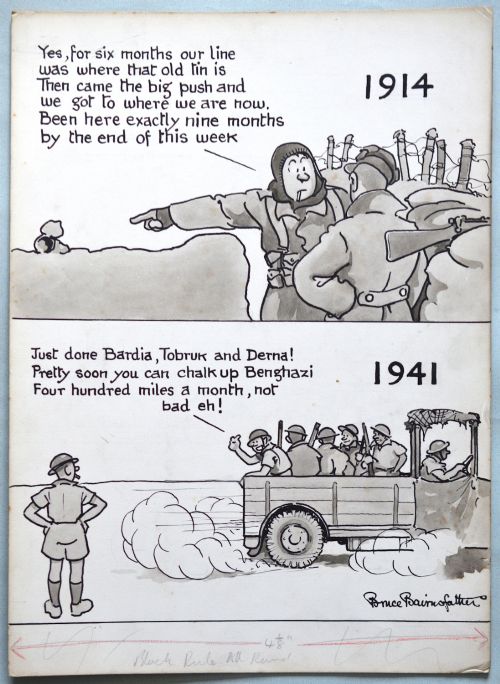
An antique monochrome drawing captures form and light through ink, charcoal, graphite, or chalk without the distraction of colour.
Antique Monochrome Drawing
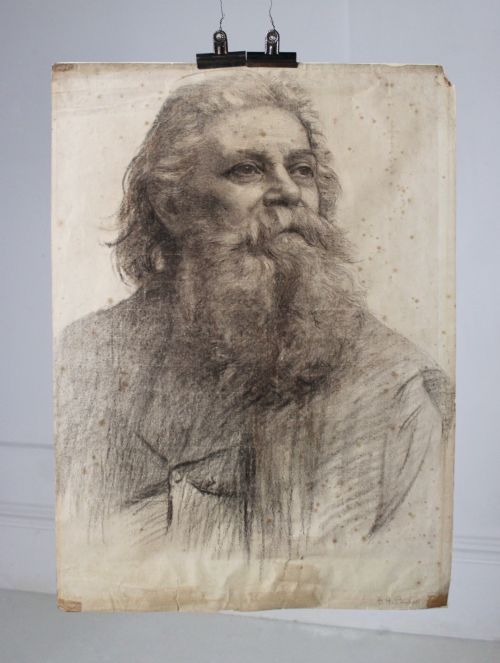
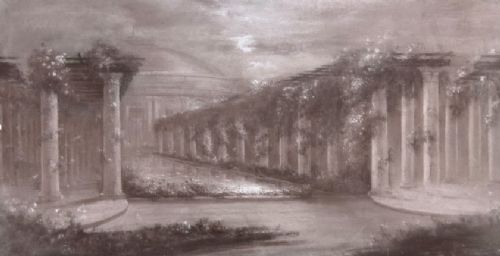
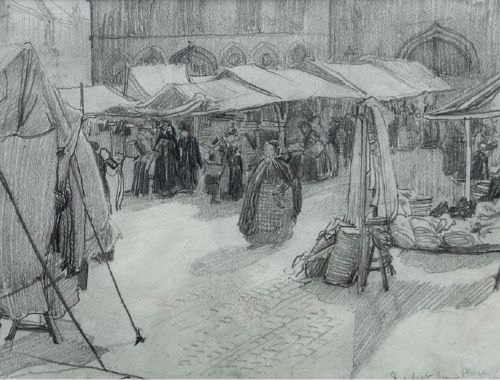
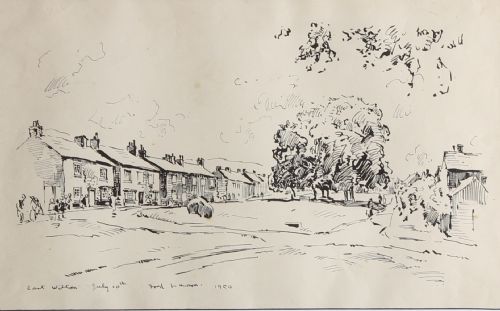
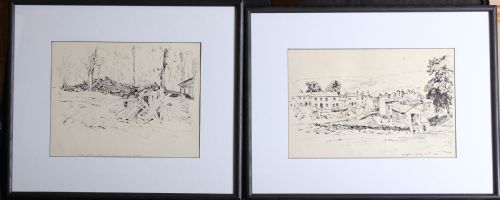
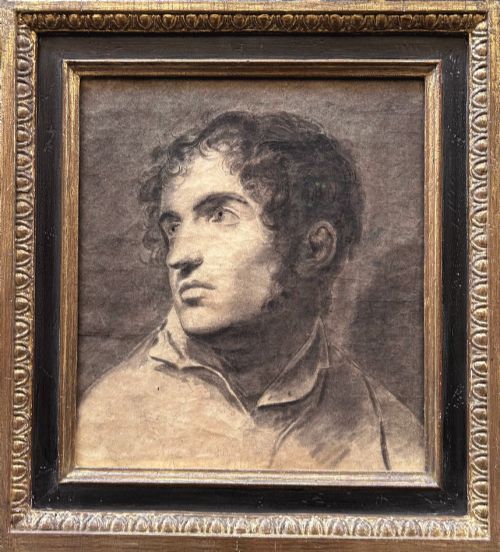
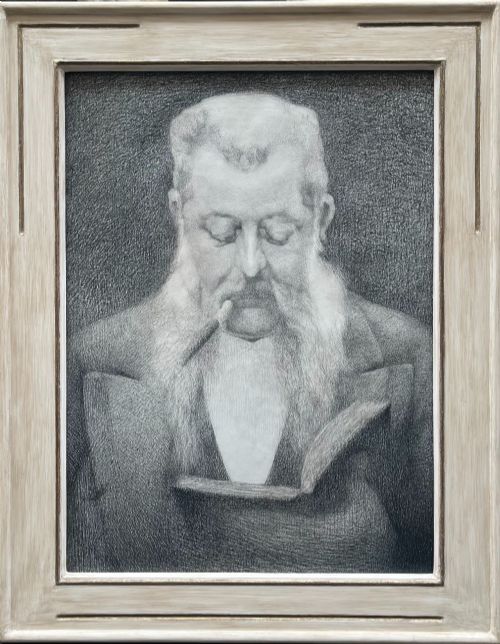
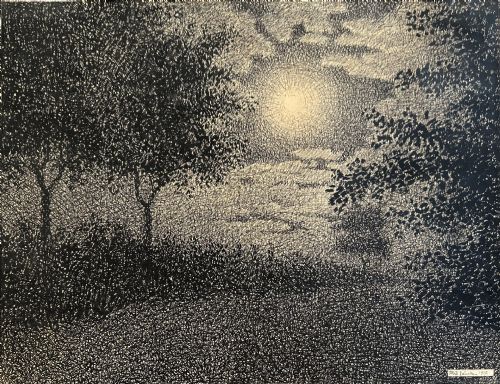
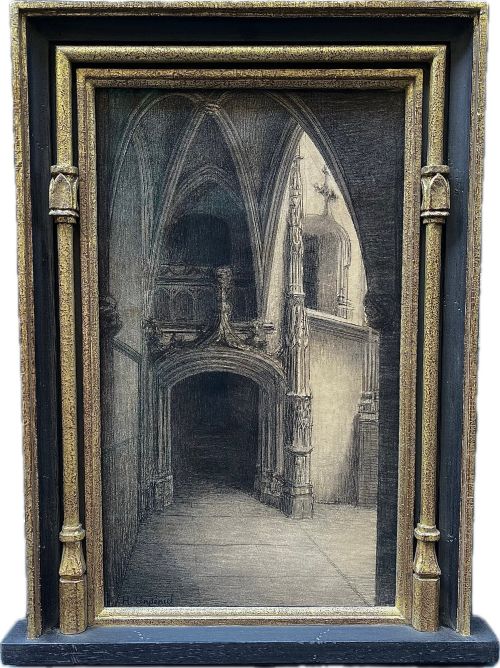
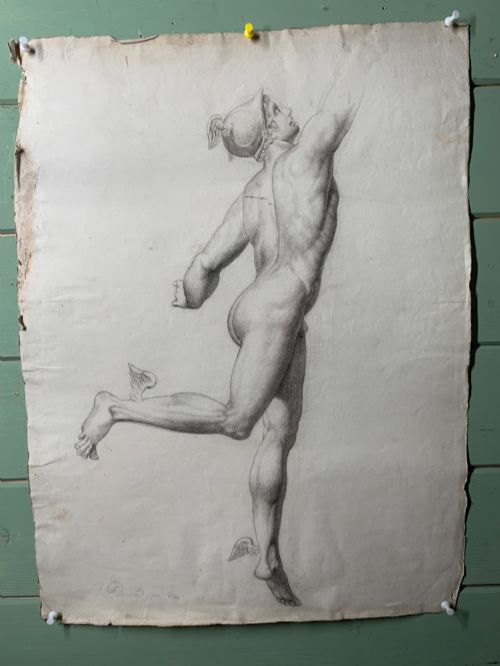
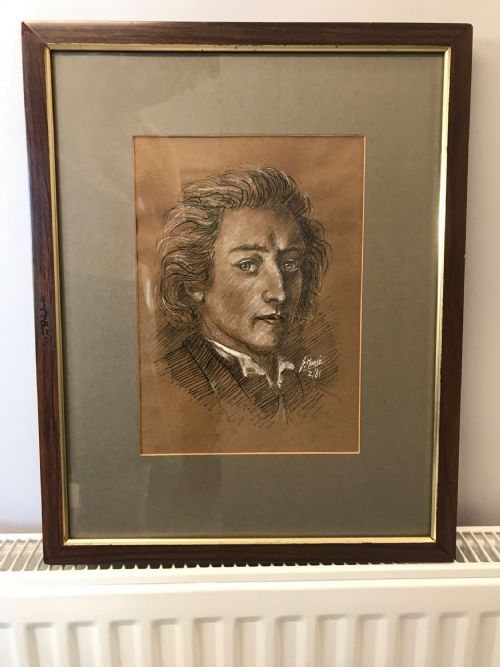
An antique monochrome drawing relies on single-colour media applied to paper, canvas, or board to record portraits, landscapes, and architectural studies. Pieces range from rapid studio sketches and academic life studies to finished exhibition works created across the eighteenth, nineteenth, and early twentieth centuries.
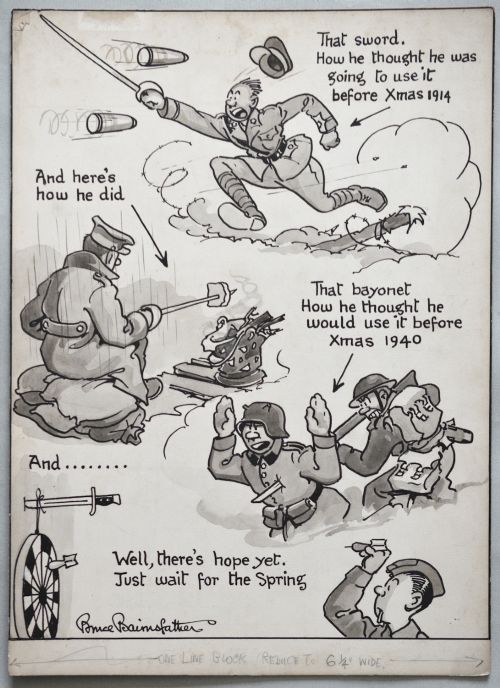
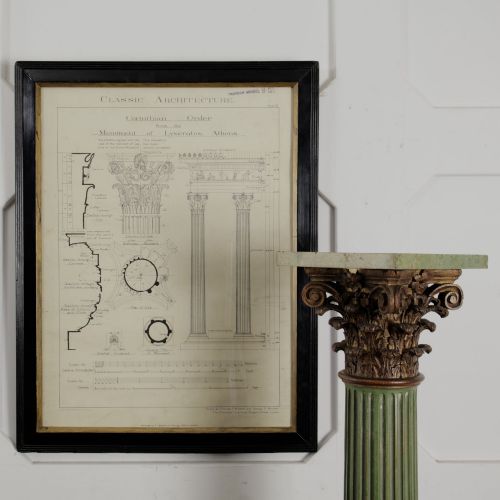
The selections available span diverse British and continental European schools, featuring Georgian academic exercises, Victorian character portraits, and early twentieth-century landscapes. Buyers encounter framed works alongside loose sheets, each demonstrating the direct hand of an artist working in graphite, charcoal, ink, or chalk.
How they were made
Artists utilised traditional supports including laid paper, heavy watercolour paper, and canvas, frequently framed behind glass in period wood or giltwood mouldings. The drawing implements combined carbon-based materials such as compressed charcoal and graphite with fluid media like pen and ink, wash, and plumbago.
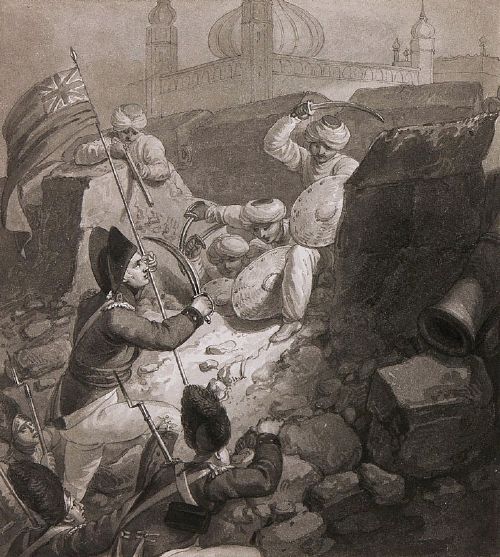
Techniques varied from precise hatchings and academic plumbago portraits to broad charcoal strokes and mixed-media gouache highlights. Draftsmen built tone through layered application, sometimes executing preparatory studies for larger paintings or finished independent works of art.
Listings feature works spanning the 18th Century, 19th Century, and early 20th Century, executed on paper and canvas.
What varies in quality
The distinction between standard academic exercises and superior works lies in the sureness of line, anatomical precision, and tonal depth. Master draftsmen achieved complex spatial relationships and psychological intensity with minimal strokes, whereas lesser examples rely on laboured shading or stiff proportions.
Preservation of the delicate drawing surface heavily influences standing. Works retaining crisp contrast without excessive foxing, fading, or paper degradation command greater attention from collectors than compromised sheets.
William Marshall Craig·Henri Charles Angéniol·Frédéric Chopin·Ludwig van Beethoven·John Taylor·Sir Edwin Landseer RA·Pierre-Paul Prud'hon·Edward Dayes·J D Fergusson·Winifred Eugene Ballard
The Antique Monochrome Drawing Glossary
- Plumbago
- A fine drawing executed in graphite, taking its name from the Latin for lead ore. These detailed works gained popularity in the seventeenth and eighteenth centuries for miniature portraits.
- Grisaille
- A painting or drawing executed entirely in shades of grey or neutral monochrome, often designed to imitate sculpture or serve as an underpainting. The technique emphasises form and shadow over chromatic value.
- Wash
- A thin, transparent layer of diluted ink, watercolour, or bistre applied with a brush. Artists utilised washes to establish rapid tonal backgrounds and deep shadows beneath ink or pencil lines.
- Academic life study
- A drawing of a human model produced within an art academy or school setting. These pieces focus on accurate anatomical rendering and mastery of light and shade.
- Foxing
- Brown spots and discolouration caused by chemical reactions within ageing paper, often accelerated by humidity. The presence and extent of foxing affect the visual clarity of works on paper.
Antique Monochrome Drawing: Frequently Asked Questions
How do I identify the period of a monochrome drawing?
Dating relies on examining the paper watermark, framing style, costume details, and the handwriting of signatures or inscriptions. Stylistic indicators, such as Georgian neoclassical stiffness versus early twentieth-century loose modernist mark-making, provide further chronological context.
Material analysis also assists, as machine-made wood-pulp papers appear later in the nineteenth century, whereas earlier works typically utilise handmade laid or wove papers.
Are these works original or printed reproductions?
The selections consist of original, unique works drawn directly by hand onto the paper or canvas surface. Close inspection under magnification reveals individual pencil strokes, ink pooling, and indentations in the paper rather than dot matrices or printing screens.
Drawings frequently carry artist signatures, studio stamps, or contemporary ink annotations confirming their status as one-off primary works.
How should I frame and display works on paper?
Drawings executed on paper require mounting behind acid-free window mats to prevent the surface from touching the protective glass. Archival framing materials and UV-filtering glazing protect fragile charcoal, graphite, and ink media from fading.
Placement away from direct sunlight and damp environments ensures the long-term preservation of organic drawing materials.
What is the difference between charcoal and graphite?
Charcoal produces deep, velvety blacks with a matte finish that can be easily smudged or manipulated for atmospheric shadows. Graphite offers a reflective metallic sheen capable of holding sharp, precise lines and subtle tonal gradations.
Artists selected these media based on the desired texture, ranging from bold landscape sketches to refined academic portraits.