

Antique Mirrored Dresser
An antique mirrored dresser combines practical storage with reflective glass, bringing light and depth into a room through Victorian and Edwardian craftsmanship.
Antique Mirrored Dresser
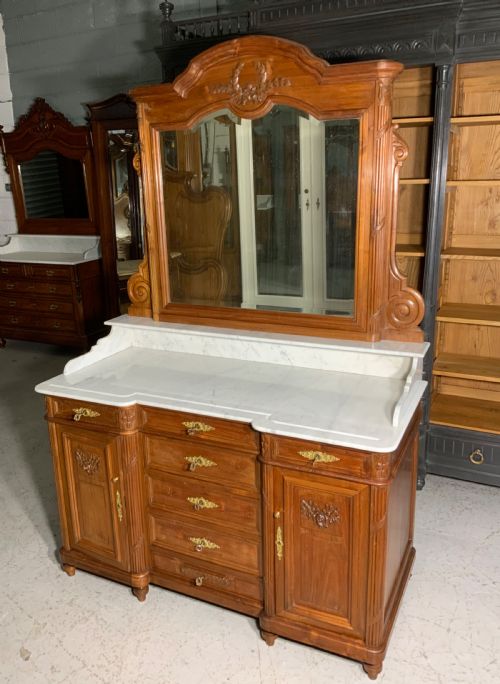
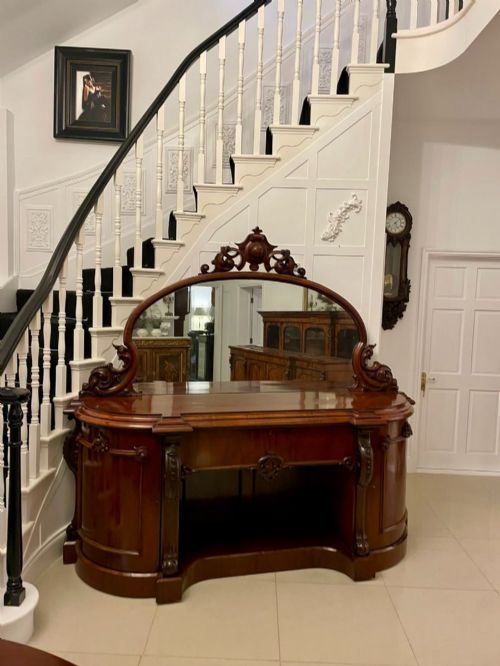
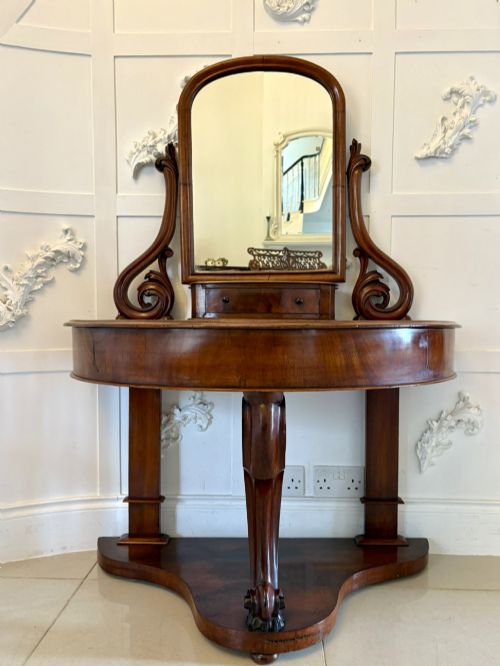
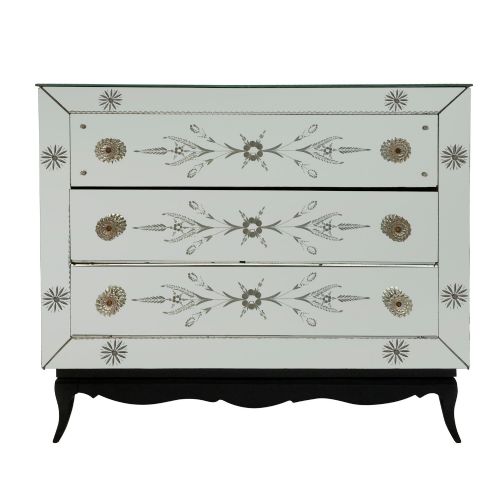
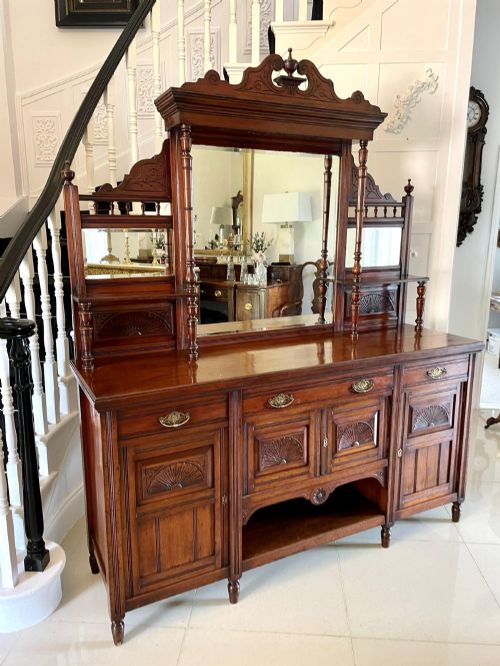
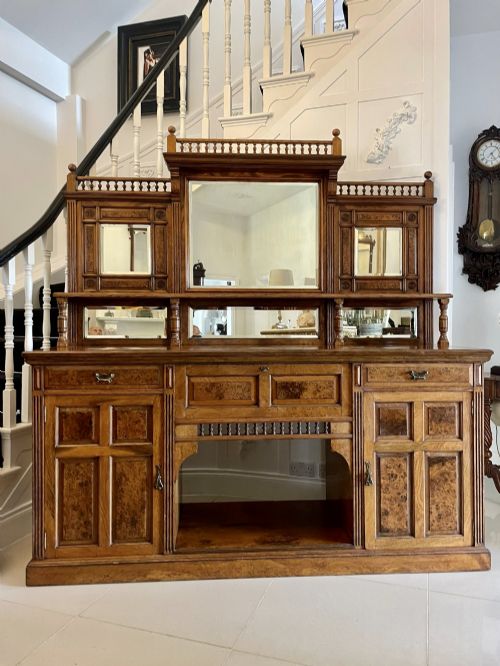
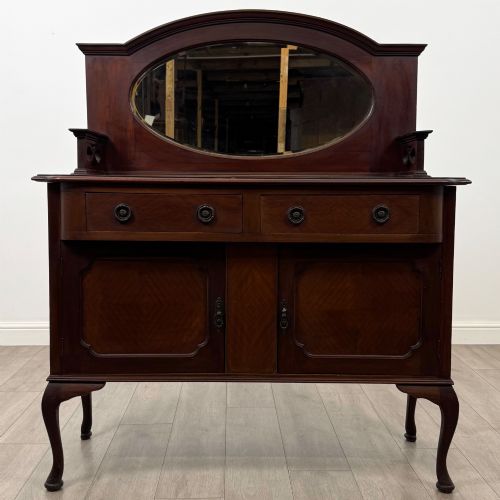
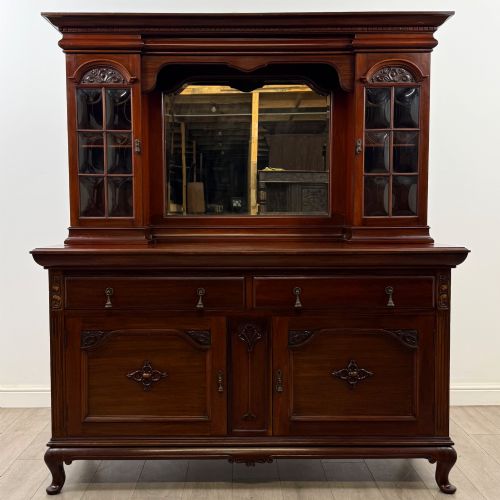
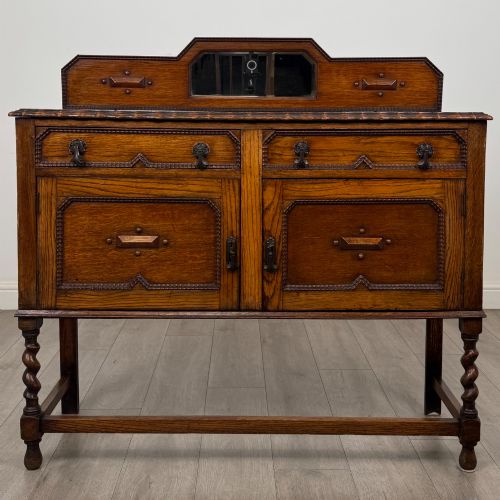
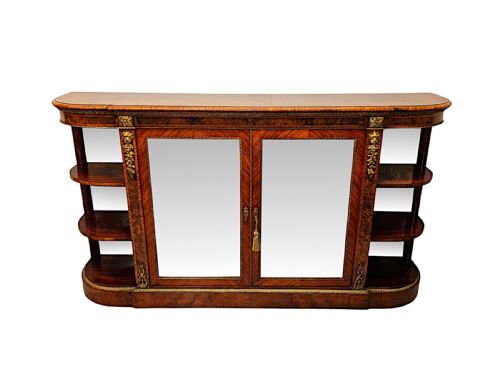
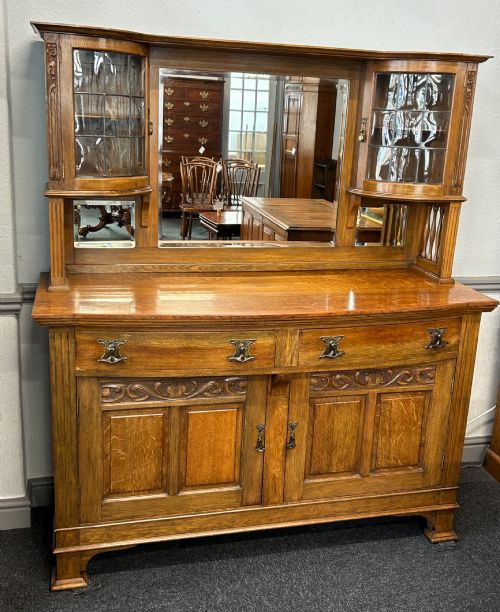
An antique mirrored dresser encompasses pieces designed for storage and display, frequently appearing on this page as sideboards, dressing tables, and side cabinets dating from the Victorian and Edwardian periods. Buyers search for this phrase to find functional furniture that incorporates integrated mirror glass into its upper structure or back panel.
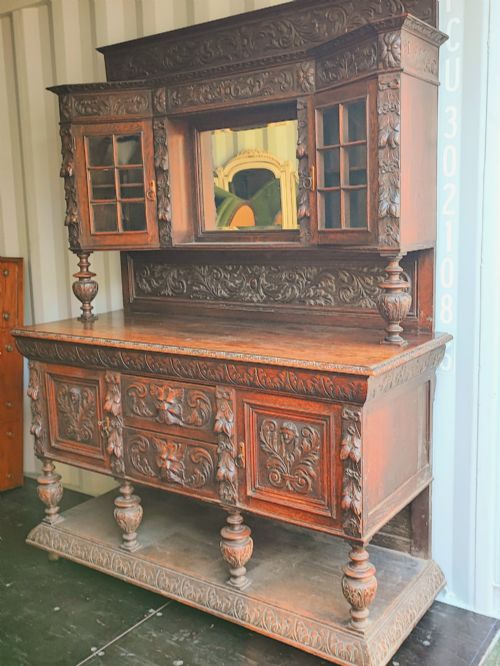
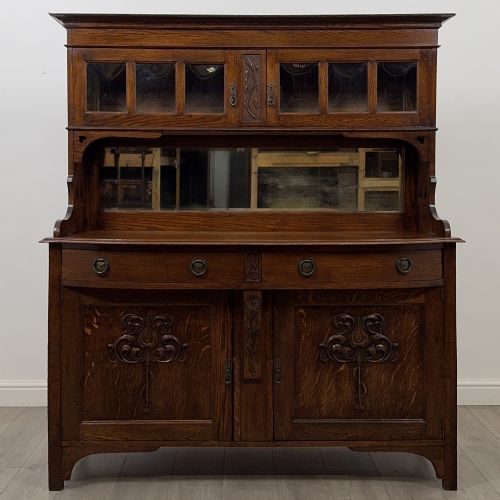
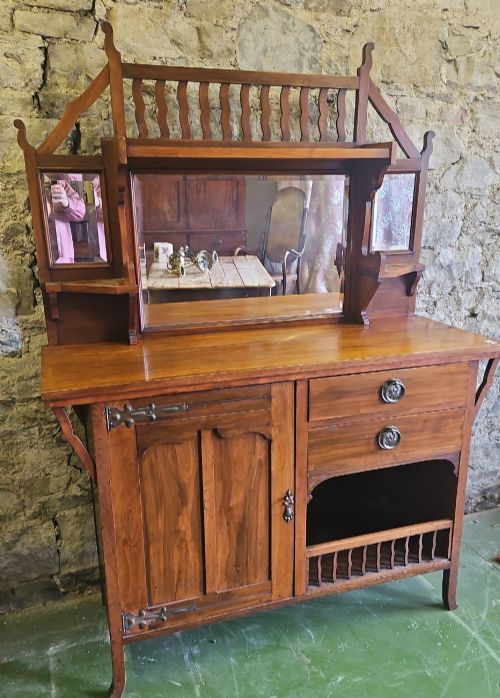
The selection ranges from robust oak and mahogany sideboard formats featuring carved mirror backs to lighter dressing tables and chests of drawers from the late nineteenth and early twentieth centuries. These forms reflect the domestic requirements of their eras, balancing enclosed storage with display surfaces and reflective glass.
Materials and construction
Cabinet makers utilised a variety of durable timbers, predominantly oak, mahogany, walnut, and pollard oak, often combining solid construction with figured veneers. Brass hardware, iron fixtures, and ormolu mounts frequently accent the timber framework.
Mirror glass is integrated directly into carved wooden frames or tall back panels, sometimes accompanied by marble tops or decorative inlay work. The construction relies on traditional joinery methods suited to large case pieces and pedestal formats.
Some Victorian oak sideboards feature carved Green Man motifs hiding quietly amongst the foliage.
Judging quality
Quality in these pieces is dictated by the depth and crispness of the carved details, the choice of timber figure such as pollard oak or burr walnut, and the integrity of the mirror glass. Superior examples display harmonious proportions between the heavy base cabinets and their mirrored superstructures.
The refinement of maker attribution and the quality of secondary woods also separate standard production items from exceptional workshop pieces. Structural stability in large mirror back frames remains essential to the overall standard of the object.
Gillows
The Antique Mirrored Dresser Glossary
- Mirror back sideboard
- A large dining room base cabinet surmounted by a tall wooden frame holding a mirror and often display shelves. This form dominates the Victorian listings.
- Pollard oak
- Timber taken from trees that have been pollarded, producing a knotty, highly decorative grain pattern prized in nineteenth century cabinet making.
- Pedestal dressing table
- A vanity unit featuring banks of drawers flanking a central kneehole space, frequently topped with a pivoting mirror glass.
- Arts and Crafts
- A design movement prioritising honest construction, plain surfaces, and local craft traditions over mass produced revival styles.
- Ormolu
- Gilt bronze mounts applied to furniture edges and mounts for decorative effect, common on finer nineteenth century pieces.
Antique Mirrored Dresser: Frequently Asked Questions
What is an antique mirrored dresser?
An antique mirrored dresser is a large wooden furniture piece incorporating integrated mirror glass, typically functioning as a sideboard with a mirrored back or a dressing table with a pivoting mirror.
These items were produced primarily during the Victorian and Edwardian eras to serve dining rooms and bedrooms, providing both surface storage and reflected light.
How do I style one at home?
Position your piece against a solid wall in a dining room, hallway, or bedroom where the integrated mirror can bounce natural light across the space. Keep the surface uncluttered to highlight the timber grain and decorative carvings.
Pair the furniture with neutral wall colours to let the darker oak or mahogany tones anchor the room. Ensure the piece has sufficient clearance from foot traffic due to its substantial proportions.
How do I date a mirrored sideboard?
Examine the timber species, carving style, and construction methods to determine the period. Heavy walnut and carved oak with ornate Victorian pediments usually indicate mid to late nineteenth century origin.
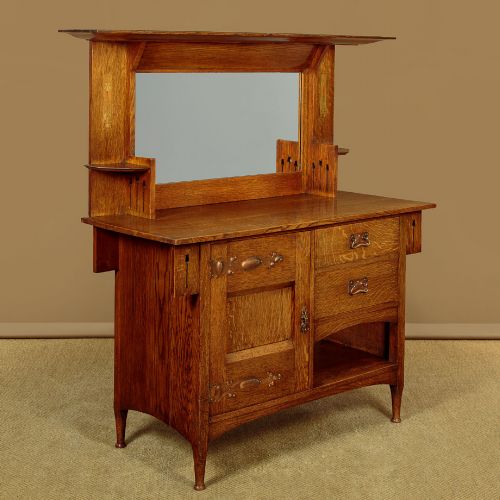
Lighter oak finishes, simpler geometric lines, and minimalist hardware often point towards later Edwardian or Arts and Crafts production around nineteen hundred.
Are dressing tables and sideboards the same?
Dressing tables and sideboards serve entirely different domestic functions despite sharing mirrored components. Sideboards are deeper storage units built for dining rooms, featuring cupboards and drawers for tableware.
Dressing tables are lighter bedroom pieces designed for personal grooming, typically featuring kneeholes and smaller tabletop mirror assemblies.