

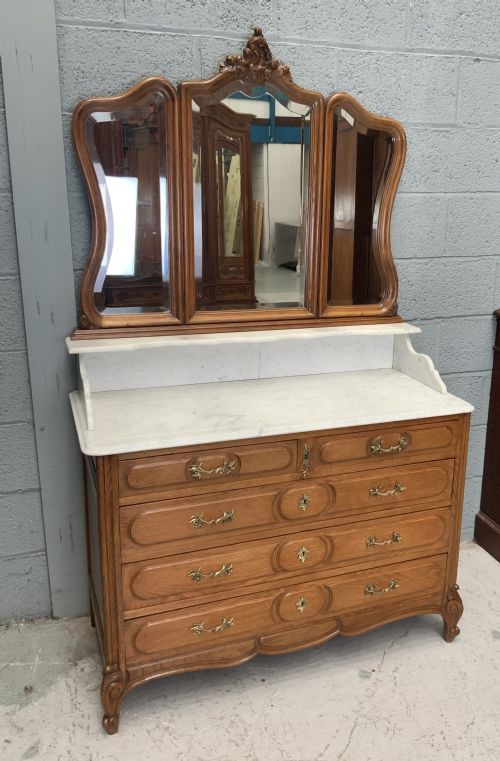


Antique Mirror Washstand
An antique mirror washstand combines a practical basin surface with an adjustable looking glass, bringing period craftsmanship directly into a bedroom.
Antique Mirror Washstand
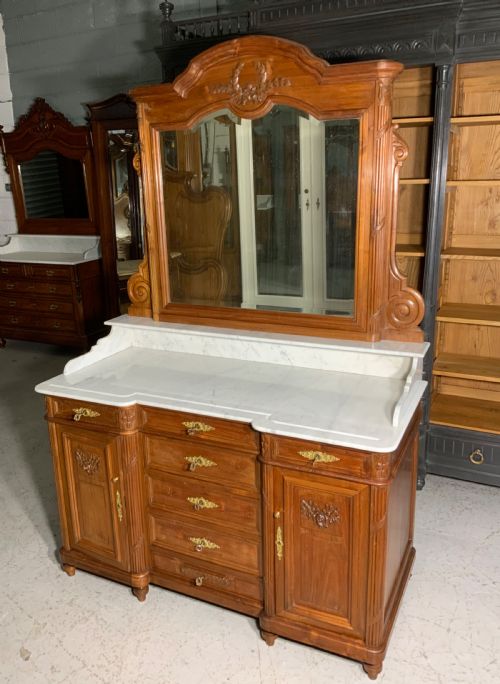
An antique mirror washstand serves as a dual-purpose dressing and washing station, merging the utility of a washstand with the vanity of a dressing table. When searching this phrase, buyers encounter forms ranging from compact Georgian campaign pieces to substantial Edwardian marble-topped examples and French walnut designs.
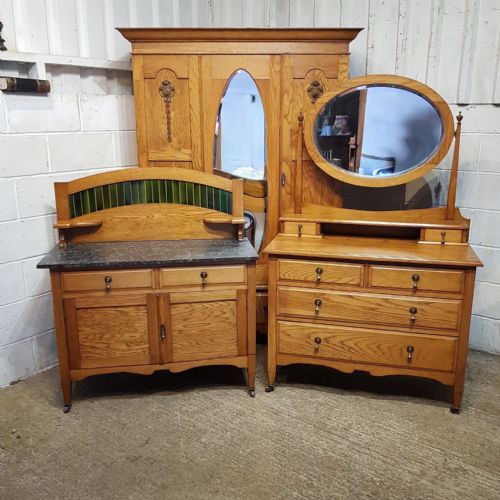
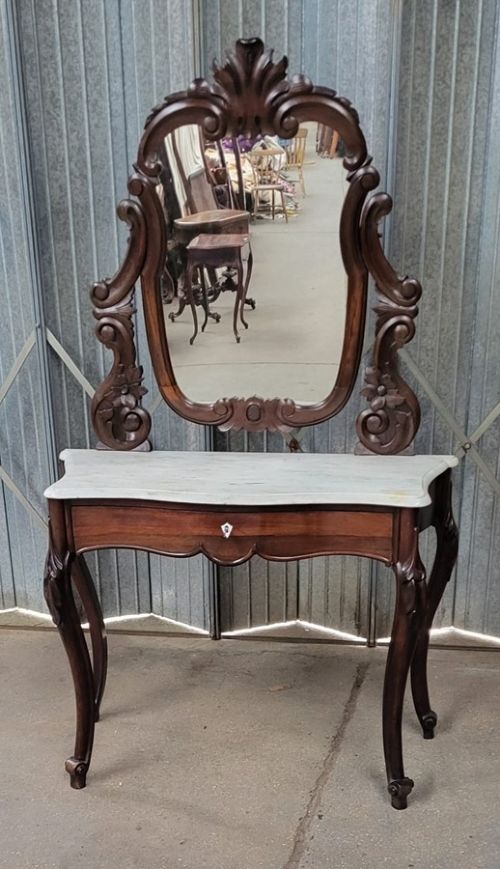
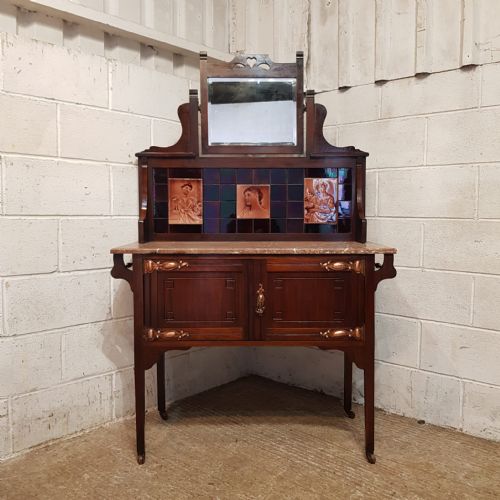
The objects span multiple eras, including Georgian, Victorian, Edwardian and the early twentieth century, alongside styles such as Arts and Crafts, Art Nouveau and French Rococo Revival. Most examples integrate a pivoting or fixed mirror directly into the timber frame, often accompanied by tile backs or marble splashbacks.
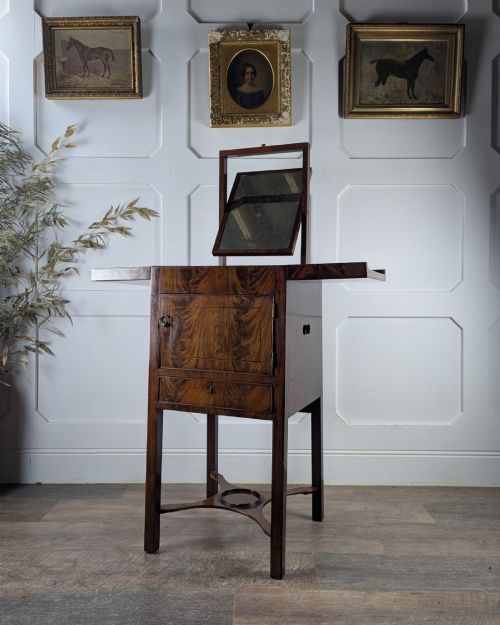
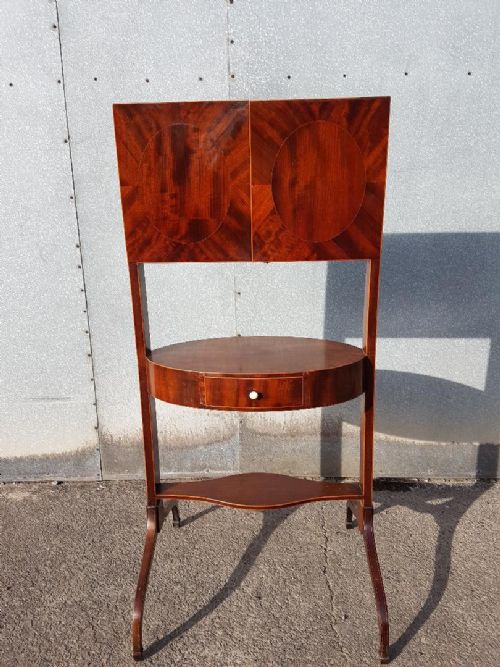
Associated forms appearing alongside these stands include shaving stands, dressing chests, and complete bedroom suites in mahogany, oak, walnut and satinwood. Buyers most frequently meet Edwardian marble-topped washstands and Georgian mahogany variants equipped with concealed mirrors or folding tops.
Materials and construction methods
Cabinetmakers utilised hardwoods such as mahogany, oak, walnut, rosewood and satinwood, frequently employing fine veneers and string inlay to ornament the surfaces. Structural integrity depended on traditional joinery techniques, dovetailed drawers and sturdy framing suited to daily domestic ablutions.
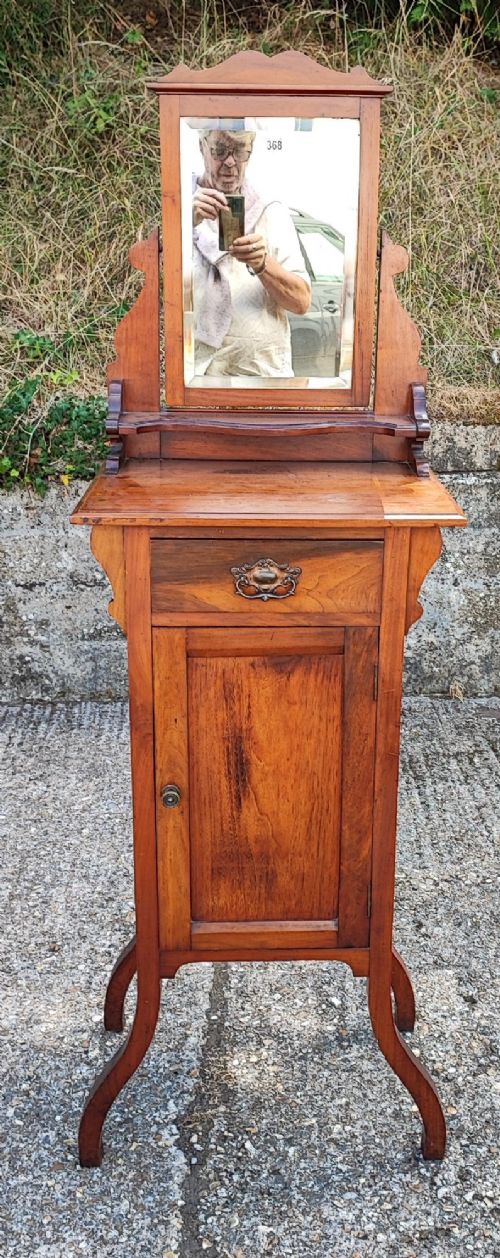
To protect timber from water damage, makers fitted slabs of white or grey marble, inset ceramic tiles, or glazed earthenware surfaces around the basin recesses. Swing mirrors were mounted on brass brackets or held securely within carved wooden uprights attached to the main body of the stand.
Specialised variations incorporated forged iron, brass fittings, faux bamboo turnings, and clever fold-away mechanisms designed to conceal basins and mirrors when not in use.
Several gentleman's variants include secretive compartments designed specifically to keep shaving mugs and razors safely hidden from curious morning visitors.
Distinctions in craftsmanship and grade
Quality reveals itself in the selection of timber figures, such as Cuban mahogany or bird's-eye maple, and the precision of the cabinet joinery. Finer pieces display crisp hand-carved details, well-fitted marble slabs, and original brass hardware rather than later replacements.
The integration of the mirror mechanism distinguishes standard utility pieces from high-end commissions. Superior examples feature robust brass pivots, silvered glass with minimal degradation, and secondary timbers like oak used consistently throughout the interior drawer construction.
James Shoolbred
The Antique Mirror Washstand Glossary
- Washstand
- A piece of bedroom furniture designed to hold a wash basin, jug and related washing apparatus. Many period variants incorporated raised backs, marble tops and integrated mirrors.
- Campaign washstand
- A portable, collapsible piece of furniture used by officers on military campaigns during the Georgian and Regency periods. These often featured clever folding compartments and hidden mirrors.
- Marble top
- A solid slab of polished stone fitted to the upper surface of a washstand to resist water and staining. This feature became particularly common during the Victorian and Edwardian eras.
- Triplate dressing table
- A vanity or washstand featuring a central mirror flanked by two smaller adjustable side mirrors. This arrangement allowed the user to view themselves from multiple angles.
- Shaving stand
- A specialist piece of furniture equipped with an adjustable mirror and small surfaces for razors, soap and water. They date predominantly from the Georgian, Victorian and Edwardian periods.
- Faux bamboo
- A decorative treatment where hardwood is turned and carved to imitate the jointed texture of natural bamboo. It gained popularity during the Regency and late Victorian periods.
Antique Mirror Washstand: Frequently Asked Questions
How were antique mirror washstands used?
These pieces served as the primary washing and grooming station in bedrooms before modern indoor plumbing became standard. Users placed a ceramic basin and water jug on the surface to wash hands and face while utilising the attached mirror for shaving or styling hair.
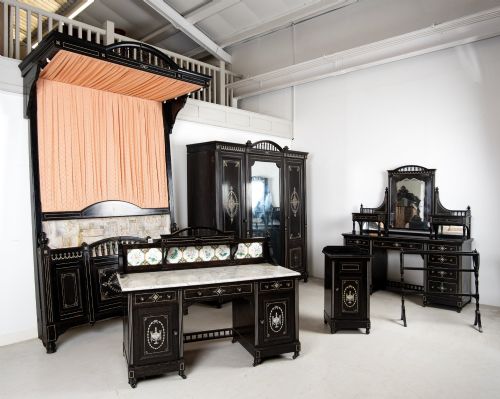
In grander houses, they formed part of a matched bedroom suite alongside wardrobes and dressing chests. Wealthier owners kept them in guest chambers or dressing rooms for morning ablutions.
Where can I place a washstand today?
An antique mirror washstand works effectively as a distinctive vanity unit in a modern bathroom or cloakroom. The marble or wood tops easily accommodate modern basins with appropriate plumbing adaptations.
Alternatively, they function well in hallways or bedrooms as feature furniture with practical surface space and storage. The integrated mirror brightens smaller rooms by reflecting natural light.
How do I identify the period of a washstand?
Georgian and Regency washstands tend to feature lighter frames, campaign folding designs, and satinwood or mahogany timbers. They often prioritise clean architectural lines and functional discretion.
Victorian and Edwardian iterations are generally heavier, frequently introducing marble splashbacks, ceramic tiles, and larger pivoting mirrors. Art Nouveau and Arts and Crafts examples display characteristic stylistic motifs, hammered copper hardware, or handcrafted oak structures.
Are the mirrors original to the stands?
Many period washstands retain their original silvered glass, which can exhibit light foxing or small dark spots due to age. The presence of old wooden backboards and original brass mounting brackets usually confirms authenticity.
If a mirror glass appears exceptionally bright and lacks any signs of oxidation, it has likely been replaced during restoration. Both original and replaced mirrors remain entirely functional for daily use.