



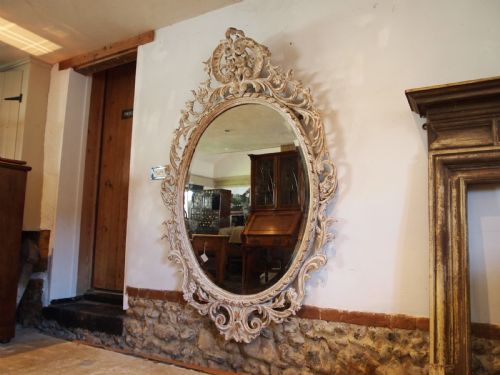


Antique Mirror Original Plate
An antique mirror original plate carries the unmistakable depth and soft distortion of historical glass that has survived centuries.
Antique Mirror Original Plate
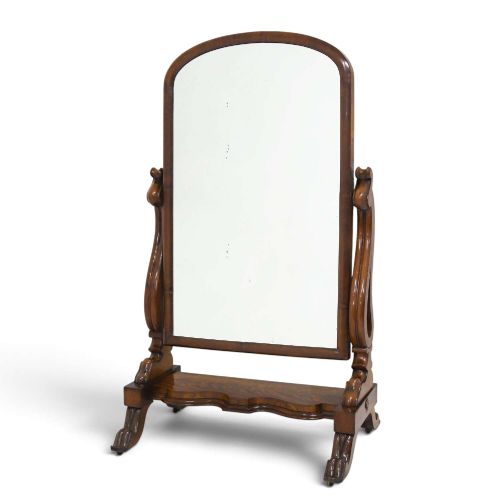
When you search for an antique mirror original plate, you are looking for looking glasses that retain their earliest glass sheets rather than modern replacements. The pieces listed across this page span from the early eighteenth century through to the art deco era, taking forms such as wall mirrors, pier mirrors, overmantel mirrors, hand mirrors, and portmanteaus.
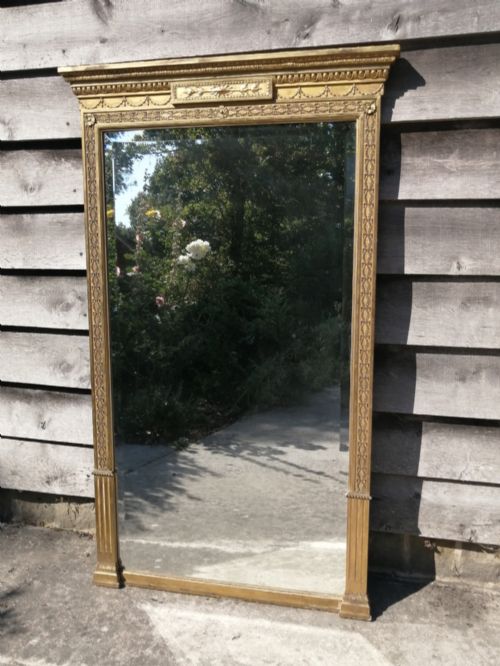
The most common formats you will encounter include substantial giltwood frames from the Georgian and Victorian periods alongside French bistro and brasserie mirrors framed in brass or carved wood. These items serve both as functional household objects and as decorative focal points that reflect light through time-softened silvering.
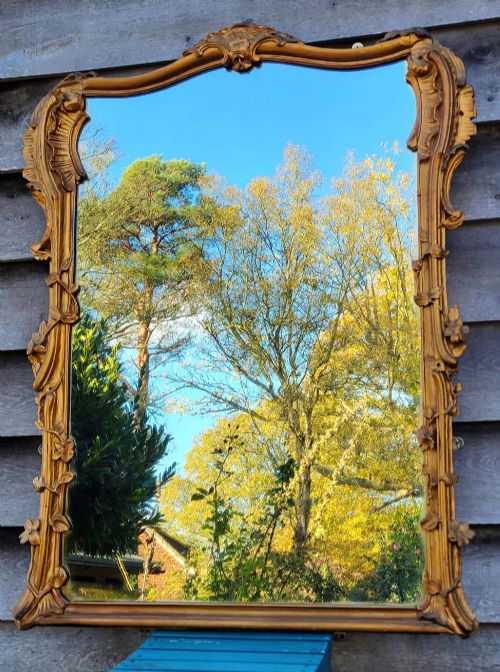
Originating across British, French, and Italian workshops, these items demonstrate a vast range of regional design idioms from rococo cartouches to clean art nouveau lines. A buyer seeking this specific category values the historical integrity of the glass above the clinical perfection found in modern alternatives.
Materials and construction
The physical construction of these pieces relies heavily on traditional framing materials such as giltwood, carved wood, gesso, and solid brass, often built over robust wooden carcases like walnut or oak. Artisans applied gold leaf by hand to intricate gesso mouldings, creating rich decorative surfaces that age gracefully alongside the glass they enclose.
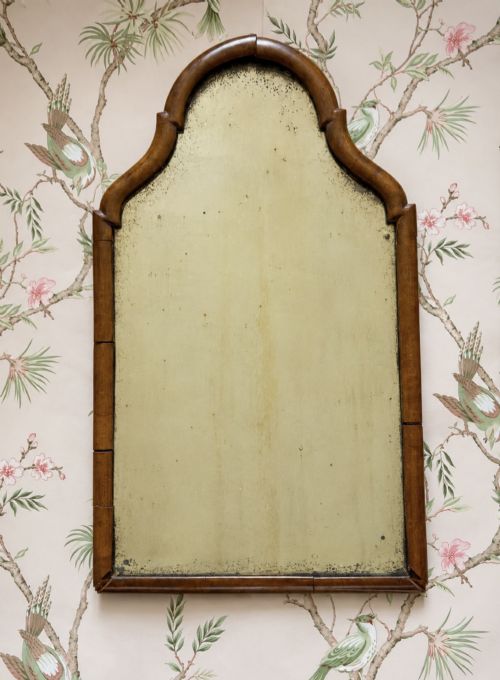
The glass plates themselves were manufactured using older techniques, including early mercury silvering methods that result in distinct foxing, dark speckles, and characteristic surface clouds. Frames frequently feature hand-carved details, half columns, or applied crests secured with period fixings and original backing boards.
Antique Mirror Original Plate Retail Price Guide 2026
Typical asking prices for mirror original plate among the pieces listed under this phrase on Sellingantiques today, from the lower quarter to the upper quarter. They describe what is for sale here now, not the wider market.
The listings on this site encompass periods from the early 18th century through the 1920s, utilising materials such as glass, gesso, brass, giltwood, gold leaf, carved wood, and walnut.
Distinctions in quality
Quality in these items rests upon the harmony between the original frame and its glass plate, where master-carved giltwood or finely chased brass elevates a piece far above simpler utilitarian designs. The depth of the hand-carving and the preservation of the original gilding or parcel-gilt finish signal the original workshop standard.
The character of the glass plate itself plays a major role in the overall stature of the mirror, with authentic mercury plates showing even, atmospheric degradation rather than disruptive damage. Proportion, weight, and the retention of original structural components like backboards and securing pins further distinguish superior examples.
The Antique Mirror Original Plate Glossary
- Original plate
- The historic glass sheet supplied with the frame when first manufactured, untouched by modern reglazing.
- Mercury plate
- An early type of mirror glass backed with a tin and mercury amalgam, noted for its deep reflection and speckled foxing.
- Foxing
- Small dark spots and chemical oxidation within the mirror plate that develop over long periods.
- Giltwood
- Timber carved and coated with gold leaf or metallic powder, frequently seen on formal eighteenth and nineteenth-century frames.
- Pier mirror
- A tall, narrow looking glass specifically designed to hang on the wall space between windows.
- Cartouche
- An ornamental frame design resembling a rolled-up scroll or shield, prominent in rococo pieces.
Antique Mirror Original Plate: Frequently Asked Questions
How do I know if the mirror plate is truly original?
An original plate typically exhibits natural foxing, slight distortions, and signs of age that match the period of the frame.
Examining the rear of the piece often reveals historic backing boards, old fixings, and putty that have remained undisturbed for generations.
What causes the dark spots on old mirrors?
The dark spots, known as foxing, occur when moisture and air interact slowly over decades with the metallic backing behind the glass.
This chemical process is entirely natural and is widely appreciated by collectors as proof of genuine antique age.
Can these heavy mirrors be hung on any wall?
Many of these pieces, particularly large overmantel and giltwood mirrors, carry substantial weight due to their dense wooden frames and thick glass.
Secure installation requires fixing directly into wall studs or using heavy-duty masonry anchors suited to the specific load.
How should I clean an antique mirror plate?
Cleaning requires extreme caution to avoid damaging fragile aged silvering or delicate giltwood frame finishes.
Use a dry or barely damp microfiber cloth gently, avoiding standard chemical glass cleaners that can seep behind the edges and worsen foxing.