


Antique Metal Vessel
An antique metal vessel brings centuries of utilitarian craftsmanship straight into a modern interior.
Antique Metal Vessel
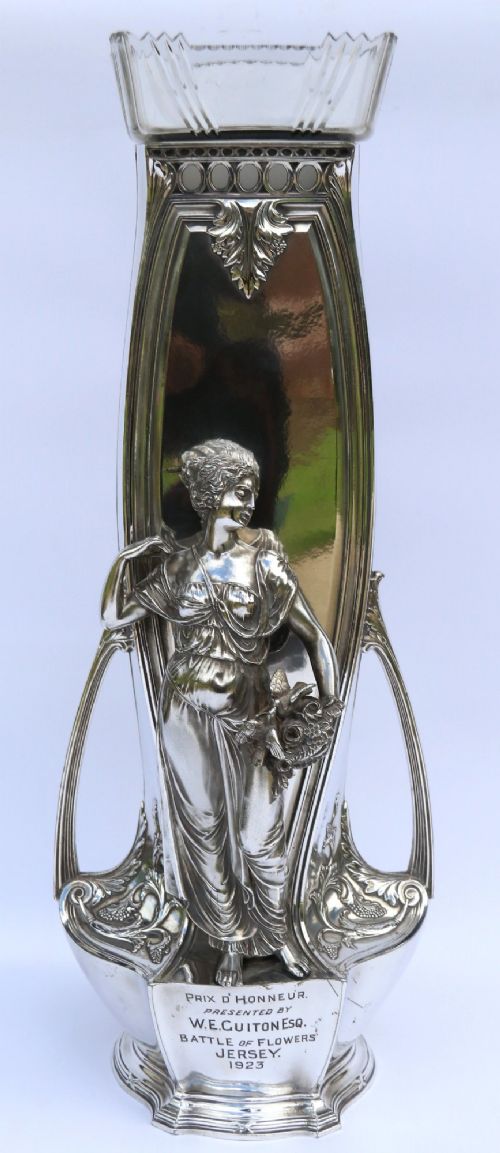
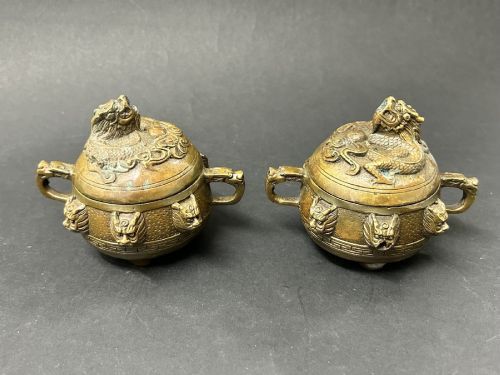
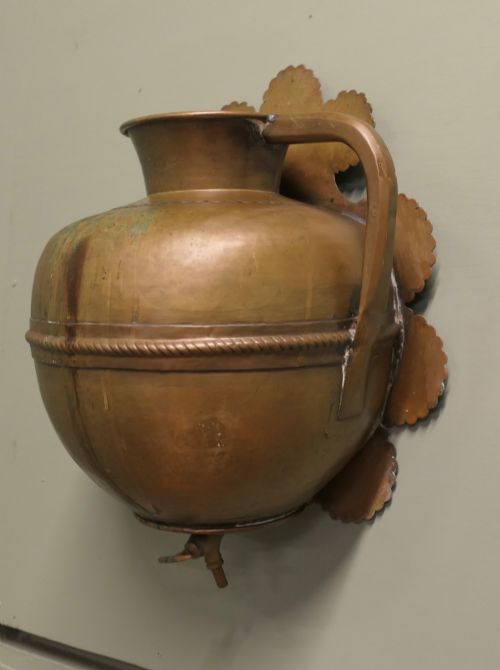
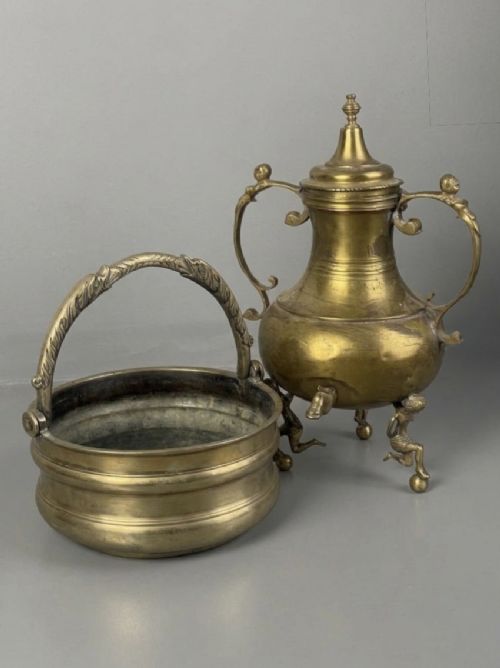
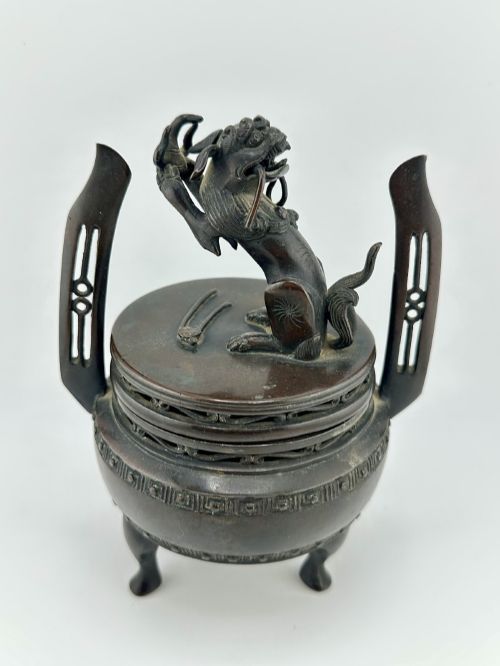
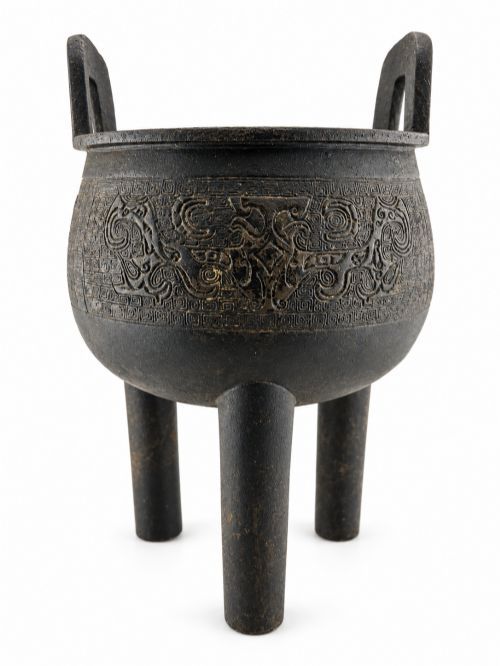
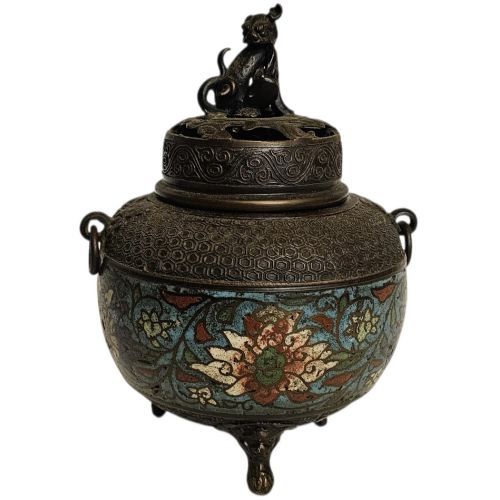
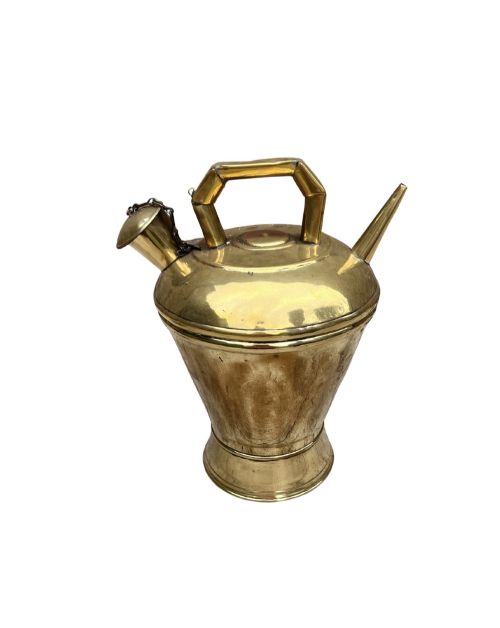
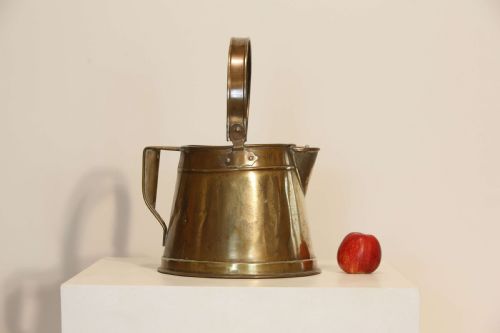
An antique metal vessel encompasses a diverse array of utilitarian and decorative objects spanning the eighteenth and nineteenth centuries. You are most likely to encounter practical domestic items such as measuring standards, apothecary mortars with pestles, and water jugs.
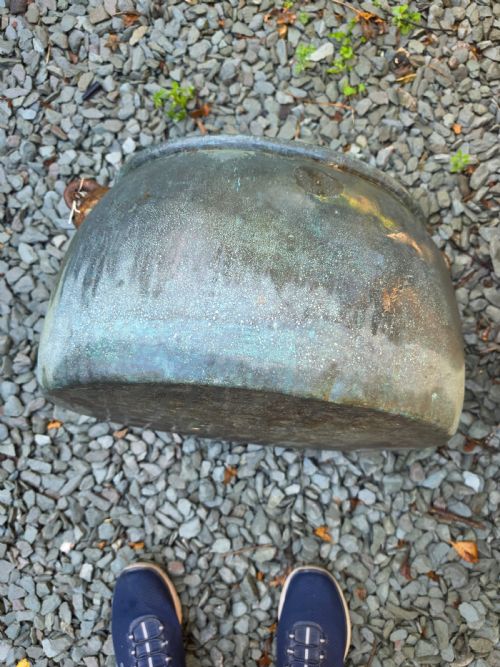
The materials range from robust brass and warm copper to heavy bronze, durable pewter, and lead. Stylistic influences draw upon Georgian, Victorian, Arts and Crafts, William III, and Qing Dynasty aesthetics.
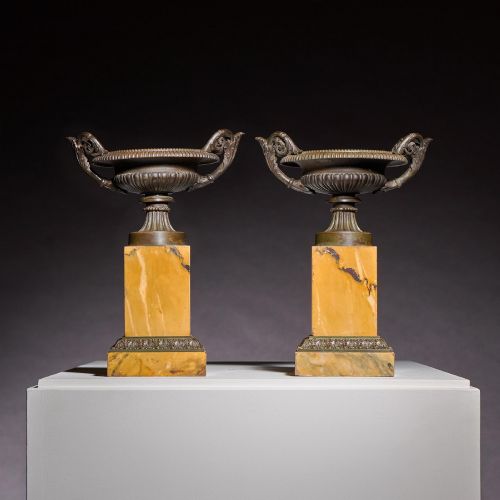
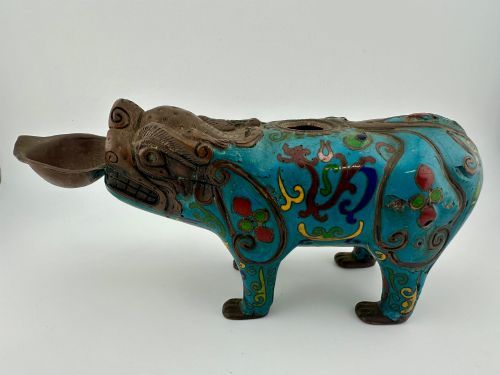
Forms vary significantly, extending from indoor planters and spouted spire flagons to large dragon vases. These diverse pieces reflect both English domestic utility and wider international craftsmanship.
How They Were Made
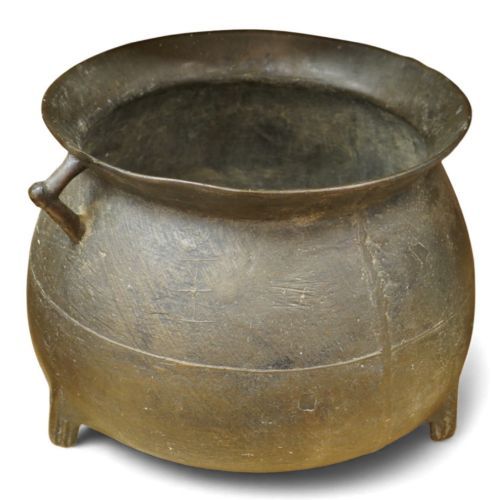
These vessels utilise foundational metalworking techniques, relying heavily on casting and hammering. Bronze and brass objects often show the characteristic marks of traditional foundry work.
Copper and pewter items demonstrate skilled sheet shaping and joining methods suited to holding liquids and dry goods. Surface finishes are achieved through natural patination and polishing rather than modern chemical treatments.
Antique Metal Vessel Retail Price Guide 2026
Typical asking prices for metal vessel among the pieces listed under this phrase on Sellingantiques today, from the lower quarter to the upper quarter. They describe what is for sale here now, not the wider market.
Some bronze mortars have survived centuries of vigorous grinding without losing their stout dignity.
What Varies in Quality
Quality rests in the weight of the metal and the integrity of the original form. Heavy gauge copper and thick cast bronze indicate robust manufacture built for enduring daily use.
Refinement of detail distinguishes everyday utility from superior output. Crisp casting lines on mortars and well-proportioned spouts on flagons elevate the visual merit of the piece.
Potter of London
The Antique Metal Vessel Glossary
- Flagon
- A large drinking vessel with a handle and often a lid, typically used for ale or wine. Spouted spire flagons feature tall, tapered profiles.
- Mortar and pestle
- A heavy bowl and club-like tool used in apothecary and kitchen settings to grind substances. Bronze and brass examples are common in early medicine.
- Jardiniere
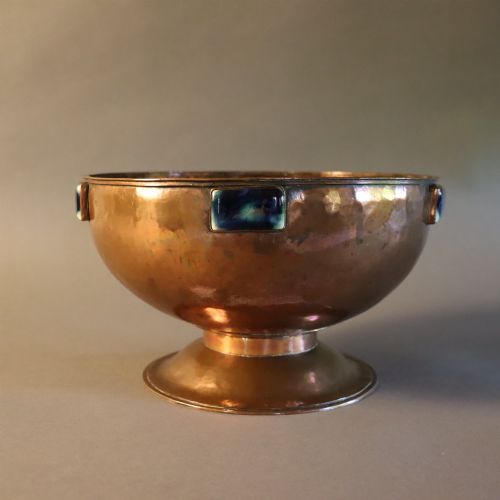
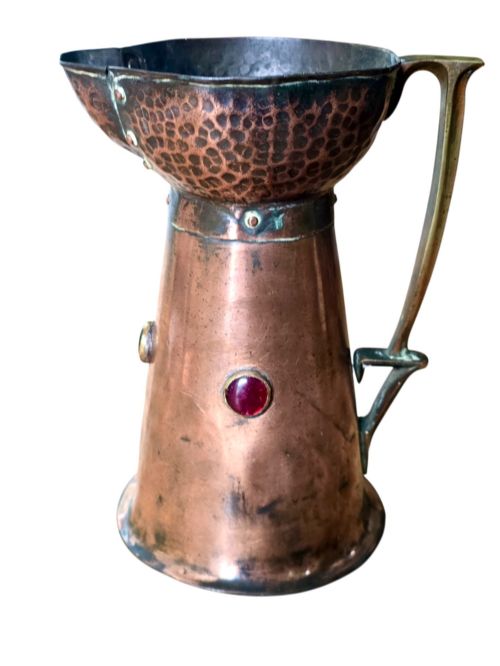
- An ornamental pot or stand for holding plants or flowers. Arts and Crafts examples often utilise solid hammered copper.
- Imperial Pint Measure
- A regulated governmental standard used for liquid volume. These brass and bronze objects carry official verification marks.
Antique Metal Vessel: Frequently Asked Questions
What were antique metal vessels used for?
These metal objects served practical daily functions in homes, shops, and laboratories. They measured liquids, ground medicinal powders, stored water, and held plants.
Over time, items originally created for mundane tasks transitioned into decorative display pieces. Their heavy materials ensured survival across multiple centuries of active use.
How do I care for antique metal?
Keep metal vessels in stable indoor environments away from excessive moisture and direct sunlight. Dust them gently with a soft dry cloth.
Avoid aggressive metal polishes that strip away historical surface patination. Allowing the metal to age naturally preserves its character and visual depth.
Are these pieces made of solid metal?
The selection consists of solid materials including bronze, brass, copper, pewter, and lead. Items are cast or beaten from substantial metal stock rather than plated.
This solid construction accounts for the heavy weight characteristic of these items. It also explains their structural durability over hundreds of years.
How are different periods identified?
Dating relies on manufacturing techniques, stylistic markers, and sometimes stamped official marks. Georgian and Victorian items display specific design proportions and regulatory stamps.
Earlier pieces from the seventeenth and eighteenth centuries show simpler, heavier forms with distinct foundry characteristics. Comparing construction methods helps place an object within its era.