



Antique Metal Tea Urn
An antique metal tea urn brings substance and weight to a room, functioning as a commanding centrepiece of hospitality from earlier centuries.

Antique Metal Tea Urn
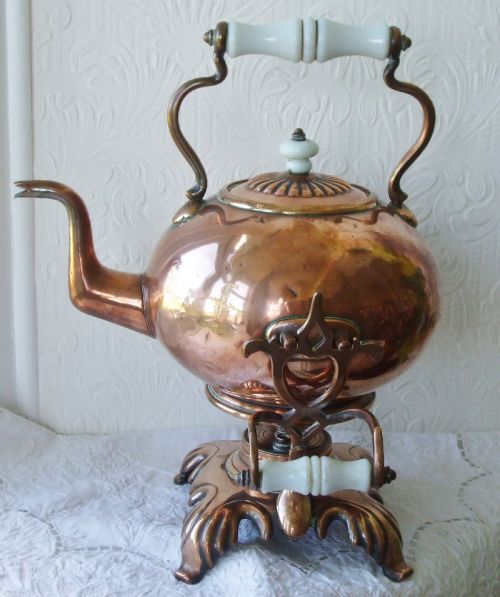
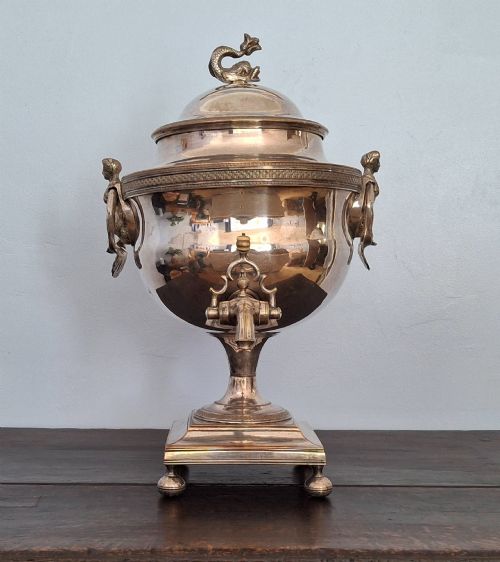
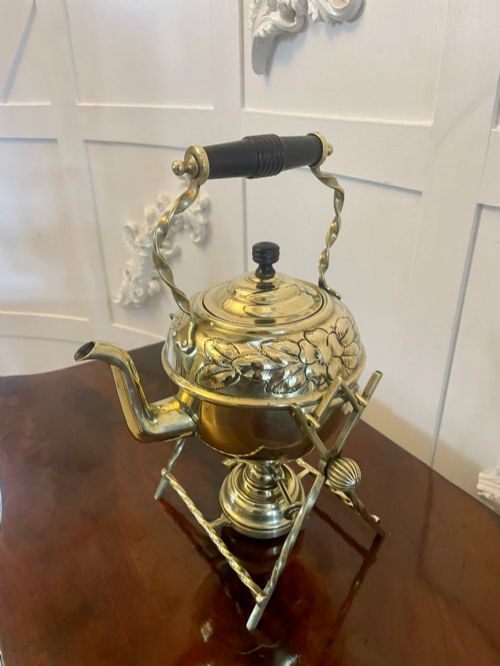
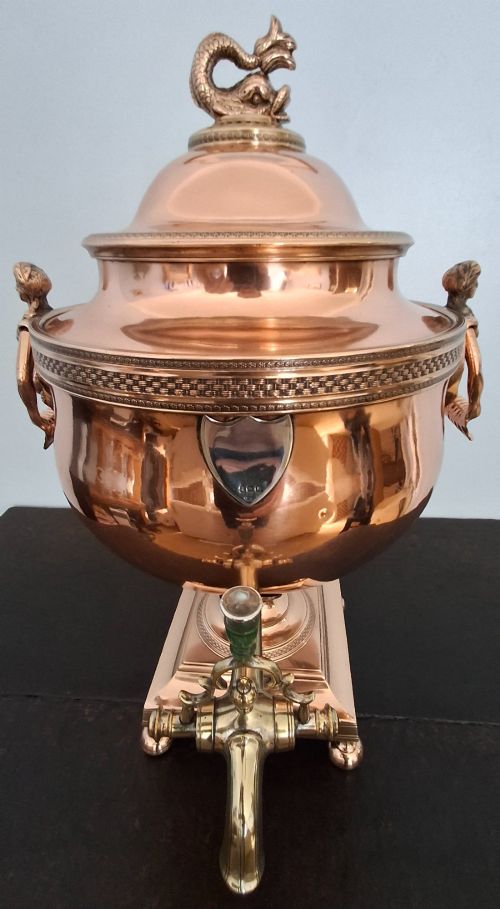
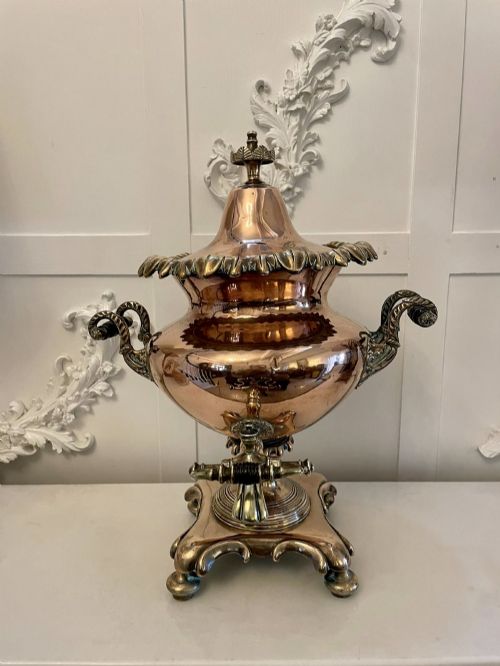
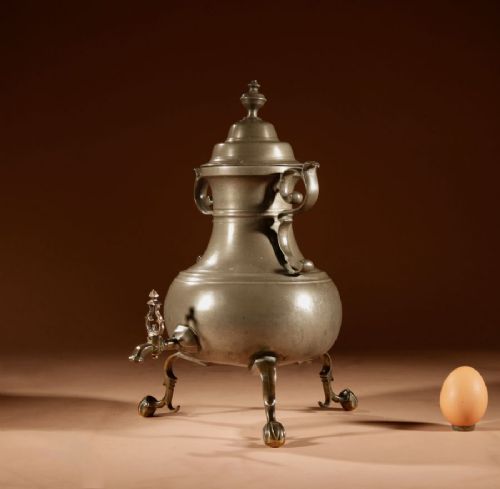
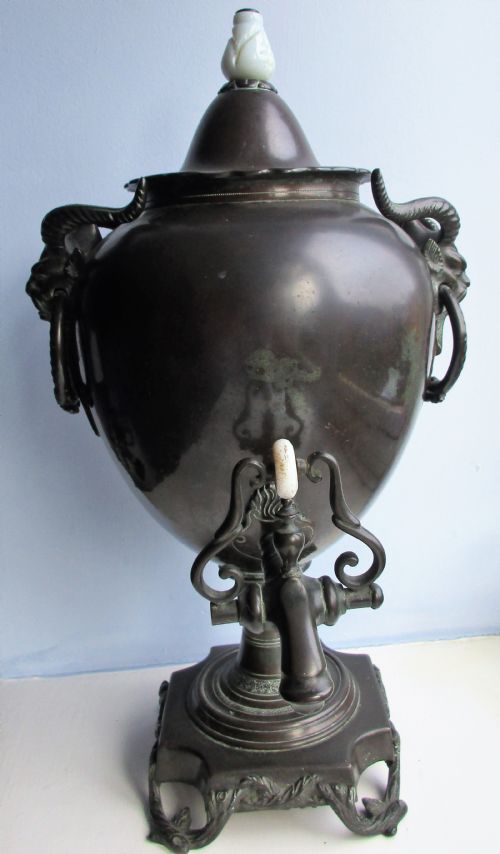
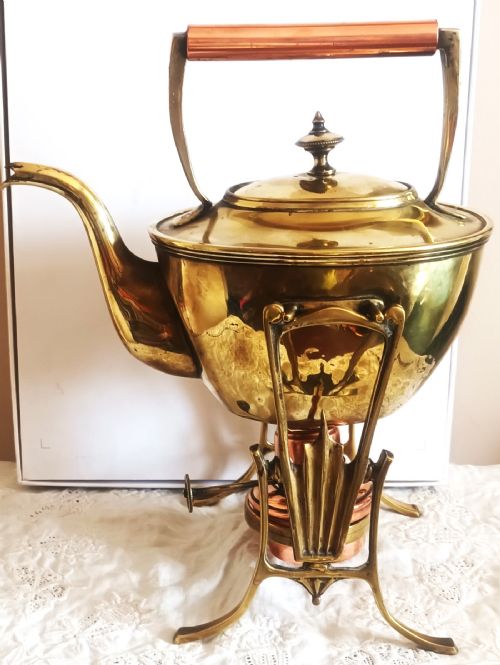
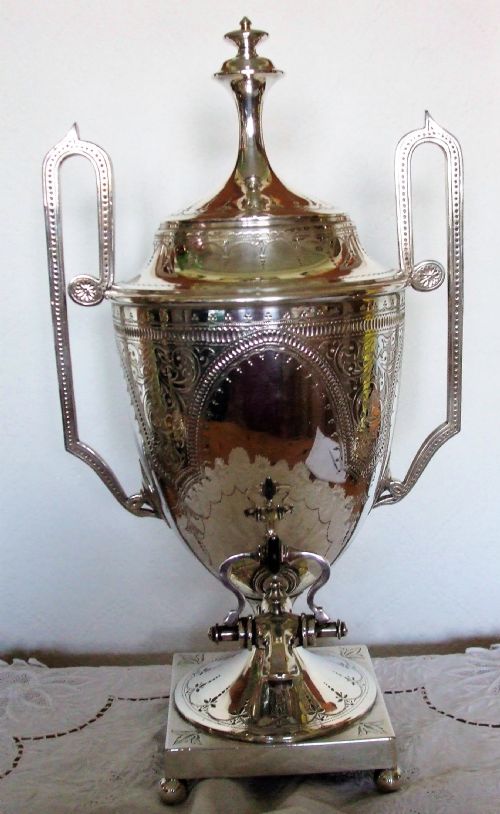
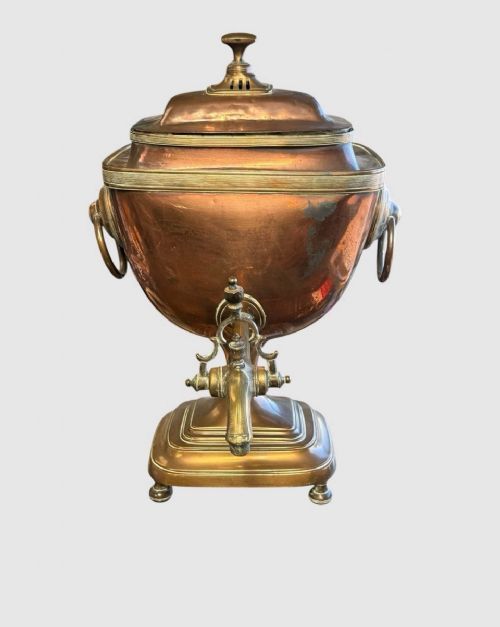
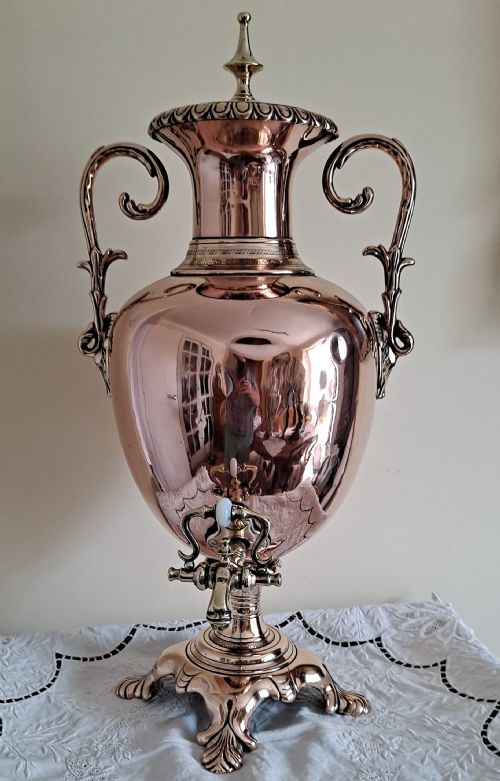
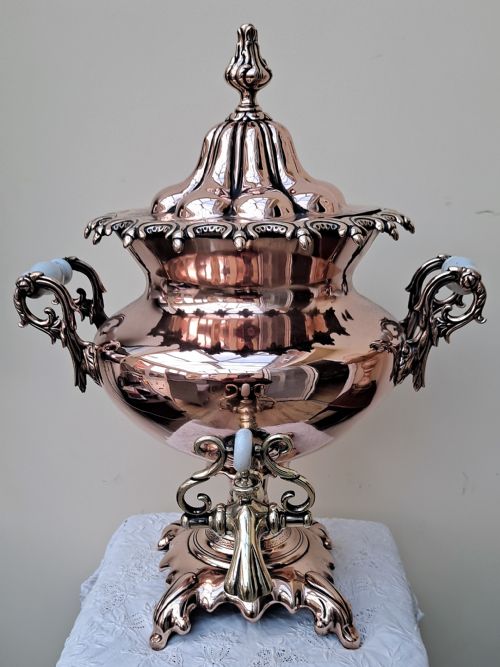
An antique metal tea urn stands as a substantial vessel designed for heating and dispensing water during social gatherings. Buyers encounter various forms on this page, ranging from Georgian copper examples to ornate Victorian samovars and spirit kettles on stands.
The selections span the eighteenth, nineteenth, and early twentieth centuries, encompassing Georgian, Regency, and Victorian styles alongside Arts and Crafts and Aesthetic Movement designs. Dutch and English origins dominate the available pieces, reflecting historical brewing traditions.
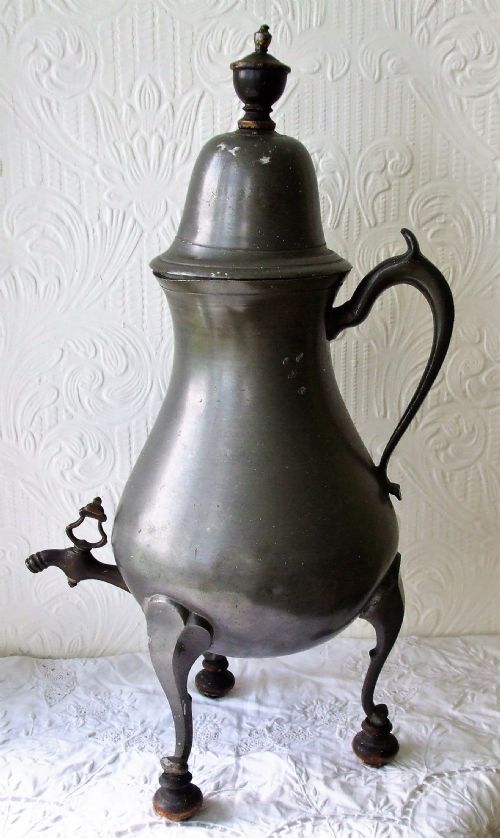
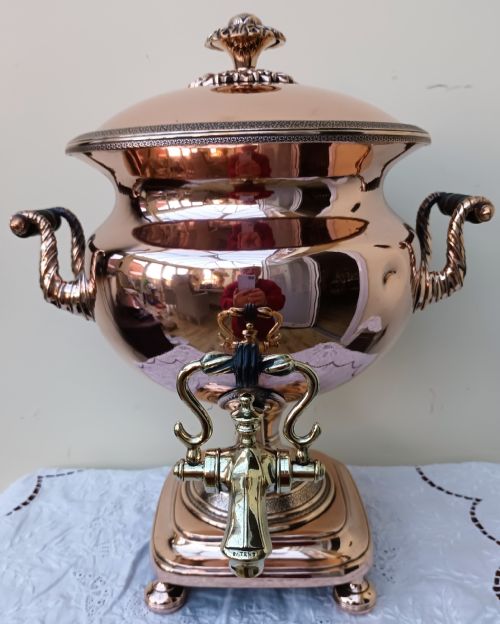
Vessels take the form of traditional tea urns, coffee urns, and samovars equipped with taps, as well as hanging kettles and spirit kettles complete with their original stands. Copper and brass pieces dominate the selection, often accompanied by silver plate, pewter, and bronze elements.
Materials and construction methods
Makers utilised heavy gauge copper and brass sheets, hammering and joining the metal to withstand the heat of internal heating elements or charcoal cores. Many pieces incorporate turned wood or bone handles and finials to insulate against boiling temperatures.
Finishes range from polished copper and warm brass to silver plating over base metals and japanned surfaces seen in Pontypool ware. Bronze and ebonised wood details provide contrast on specific Regency and Dutch items.
Antique Metal Tea Urn Retail Price Guide 2026
Typical asking prices for metal tea urn among the pieces listed under this phrase on Sellingantiques today, from the lower quarter to the upper quarter. They describe what is for sale here now, not the wider market.
Listings feature copper and brass as the primary materials, alongside silver plate, pewter, bronze, and ebonised wood across the eighteenth and nineteenth centuries.
Distinguishing grades of craftsmanship
Quality rests in the weight of the metal and the precision of the hand-beaten or cast components. Superior examples display crisp chasing, well-fitted taps, and intact original stands rather than later replacements.
The refinement of cast brass handles, intricately shaped spigots, and balanced proportions separate standard utilitarian vessels from highly ornate display pieces commissioned for wealthy households.
William Soutter And Sons·Walker And Hall·Benetfink And Co
The Antique Metal Tea Urn Glossary
- Samovar
- A heated metal container traditionally used to heat and boil water in Russian and European tea culture. These vessels usually feature a central internal tube containing fuel.
- Spirit Kettle
- A small water kettle mounted upon a metal stand above a small spirit burner. This setup maintained water temperature at the tea table.
- Pontypool Ware
- Japanned metalware produced in Wales known for its glossy lacquered finishes. Pieces often imitate Asian lacquer techniques on iron or copper bases.
- Kraantjeskan
- A traditional Dutch metal water urn featuring a small tap and three legs. These vessels often combine pewter and bronze elements.
- Aesthetic Movement
- A late nineteenth-century design style emphasising visual and compositional beauty over narrative or moral function. Objects from this movement often display simplified forms with refined surface decoration.
Antique Metal Tea Urn: Frequently Asked Questions
What is the difference between a tea urn and a spirit kettle?
A tea urn is a large, static vessel designed to hold substantial volumes of water with a tap near the base for dispensing. They often sat on sideboards or tables during large gatherings.
By contrast, a spirit kettle is smaller and rests upon a dedicated stand housing a burner to keep the water hot throughout tea service.
How do I distinguish a Georgian urn from a Victorian one?
Georgian examples, including George III and Regency pieces, generally exhibit classical neoclassical lines with urn shapes, delicate handles, and restrained ornamentation.
Victorian pieces tend to be heavier, highly ornate, and frequently combine copper and brass materials with more elaborate tap designs and varied surface finishes.
Were these vessels used to brew tea directly?
Most of these metal vessels were designed specifically to boil and dispense water rather than steep loose leaves inside the main chamber. The hot water was poured over tea leaves contained within a separate teapot.
Some variants, particularly samovars, heated water via internal cylinders, keeping the liquid at the ready for continuous service.
How do I care for antique copper and brass?
Maintaining these metals requires gentle dusting and occasional cleaning with appropriate non-abrasive metal polishes if the preservation of a bright shine is desired. Many collectors prefer to leave a natural, undisturbed aged patina.
Harsh chemical cleaners strip away historical surface oxidation and diminish the visual character accumulated over centuries.