

Antique Metal Single Bed
An antique metal single bed brings character and sturdy craftsmanship to a guest room, combining iron, brass and nickel with enduring Victorian and Edwardian design.
Antique Metal Single Bed
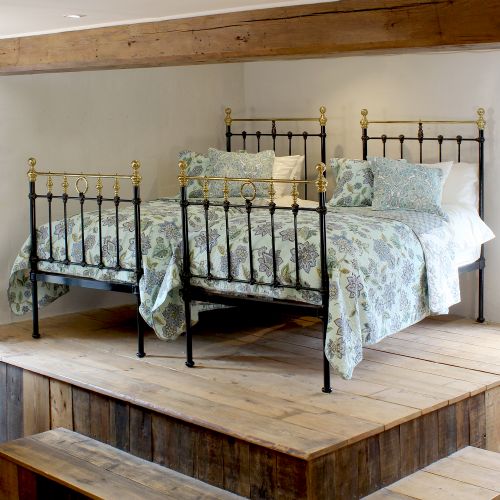
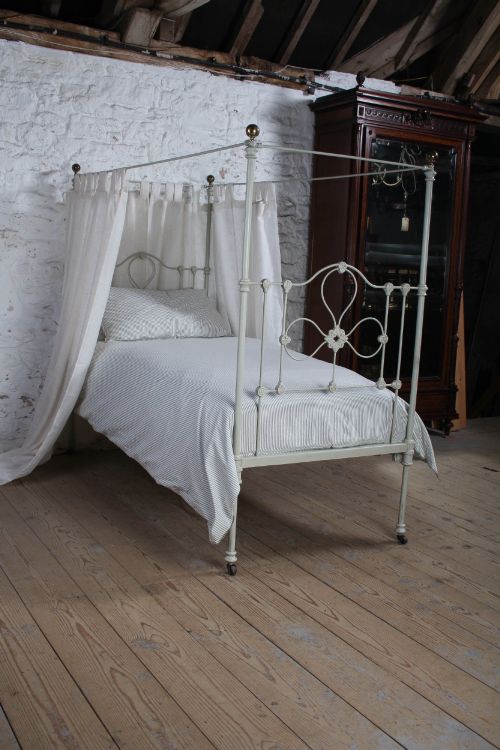
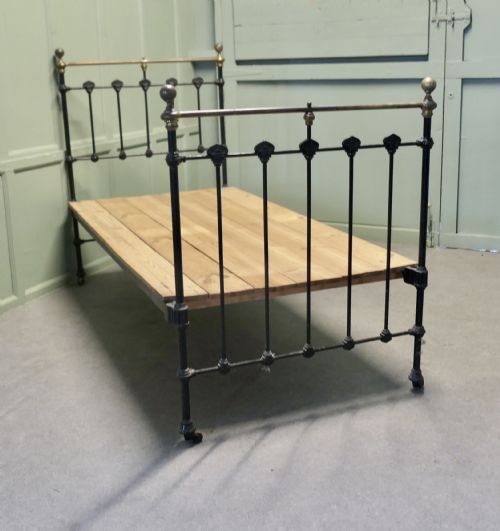
When searching for an antique metal single bed, buyers encounter a variety of nineteenth and early twentieth-century sleeping frames, ranging from robust cast iron to gleaming all-brass models. These single beds and bedsteads often appear from Victorian and Edwardian periods, including specific regional examples like French, Austrian and Portuguese designs.
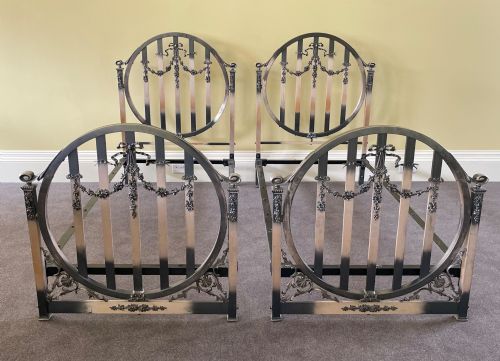
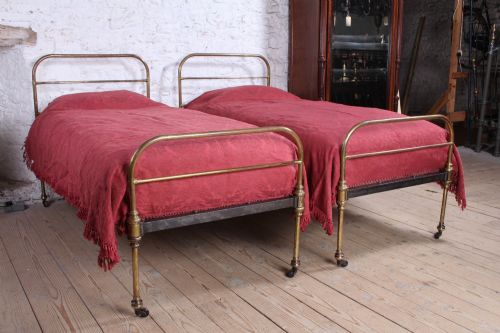
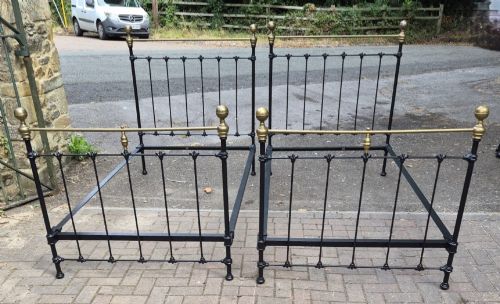
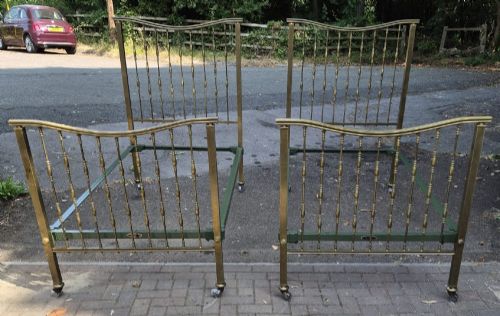
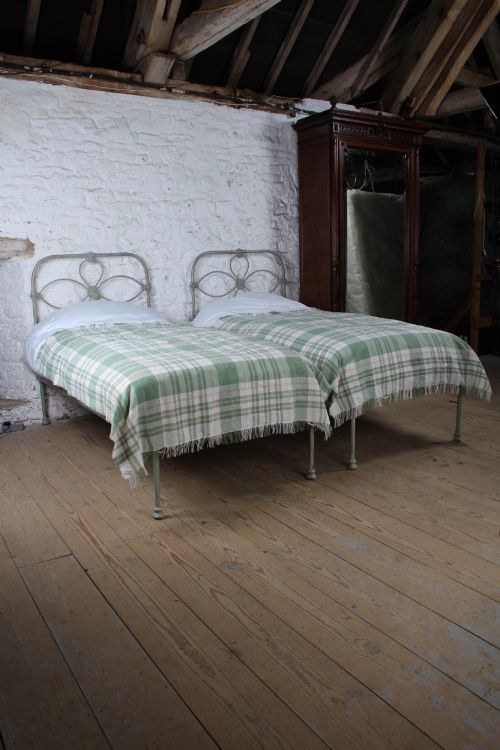
The selection frequently includes pairs that can be joined together to form a larger sleeping arrangement, alongside single platform styles and frames with no end panels. Materials span from simple black or cream painted iron to ornate combinations of brass and nickel plating.
Originating across Britain, France, Portugal and Austria, these pieces reflect the diverse domestic requirements of the nineteenth century. Whether styled with simple lines or decorative hoop details, each bedstead offers a practical footprint for modern smaller rooms.
Materials and construction methods
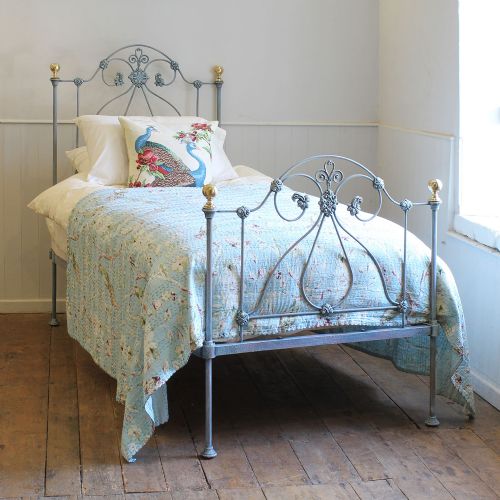
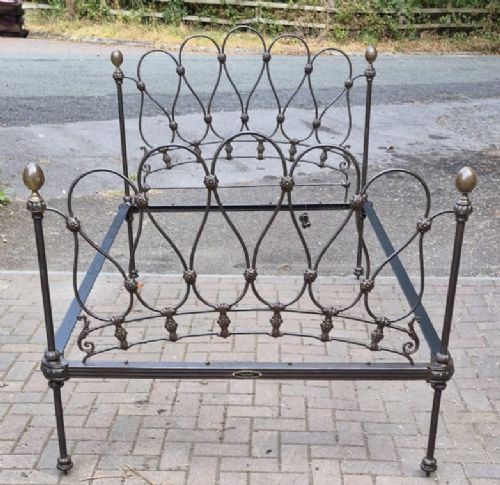
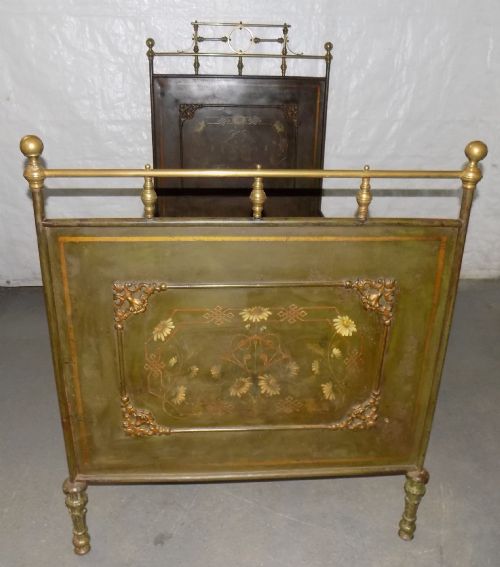
Makers utilised durable cast iron and hand-forged wrought iron for the structural framework, ensuring longevity and strength. Iron components were frequently painted in finishes such as black, cream or charcoal, or treated with toleware techniques.
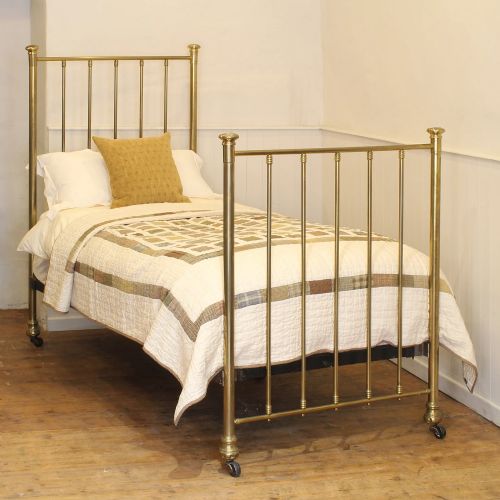
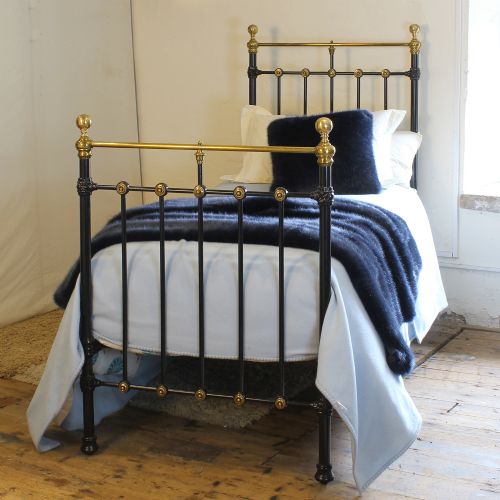
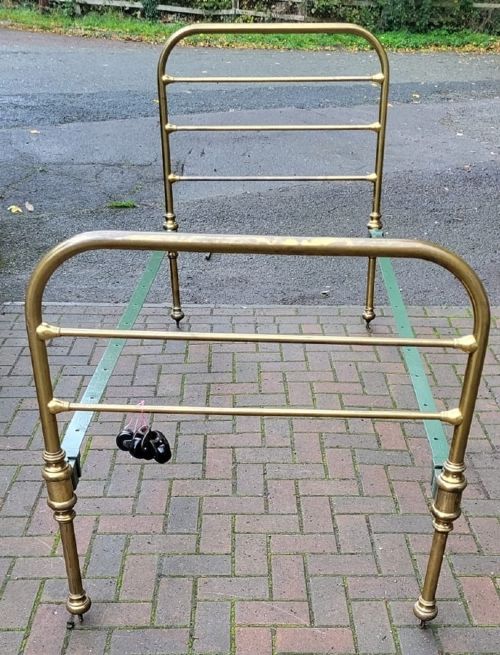
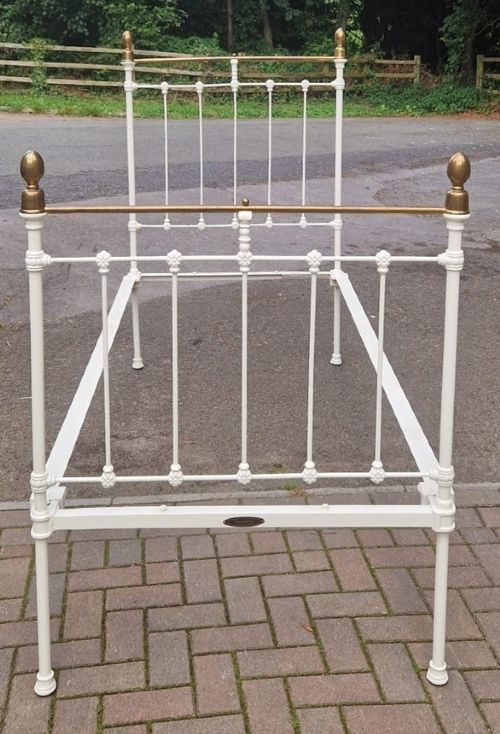
Brass featured prominently for decorative tubing, finials and corner mounts, often paired directly with iron uprights to create a contrasting two-tone aesthetic. Nickel plating also emerged on frames to provide a bright, corrosion-resistant silver surface.
Ceramic elements occasionally decorated the junctions and castors, while specialised metal casting allowed for intricate joint designs that permitted some models to be securely joined together as pairs.
Listings feature beds from the Victorian and Edwardian eras, incorporating materials such as brass, cast iron, steel, nickel plating and painted wood.
Assessing quality in metal bed frames
The distinction between standard and superior pieces rests on the weight and integrity of the metalwork, where heavier cast iron and substantial brass tubing indicate higher production standards. Makers who invested in detailed brass casting, decorative hoop work and robust joint mechanisms produced frames that survived decades of daily use without structural compromise.
The finish also determines grade, with original painted surfaces, careful nickel plating and well-preserved brass showing superior initial craftsmanship. Maker attribution, such as pieces stamped by recognised workshops, elevates a bedstead above unbranded utilitarian sleeping frames.
Hoskins and Sewell·R W Winfield·Shoolbred
The Antique Metal Single Bed Glossary
- Bedstead
- The complete framework of a bed, including the headboard, footboard and side rails, designed to support a mattress and base.
- Toleware
- Metalware painted or enamelled in decorative colours, often seen on nineteenth-century Austrian frames.
- Platform bed
- A style of bed frame featuring a base designed to support a mattress directly without traditional transverse slats or ropes.
- Nickel plating
- A thin layer of nickel applied to iron components to provide a bright, protective metallic finish.
- Cast iron
- Molten iron poured into a mould to create solid structural and decorative bed parts.
Antique Metal Single Bed: Frequently Asked Questions
Can these single beds be joined together?
Many listings specifically note that pairs of single beds can be linked together to form a larger sleeping configuration. This makes them versatile for guest rooms where flexibility in room layout is required.
Buyers should check the specific description of each pair to confirm whether joining brackets or matching side rails are included in the sale.
What mattress size fits these antique beds?
These historical single beds generally accommodate standard narrow or three-foot single mattresses, though older dimensions can occasionally vary slightly from modern standard sizes. It is advisable to measure the interior frame width and length before ordering a new mattress.
Modern slatted bases or custom mattress makers can easily accommodate slight variations in nineteenth-century internal dimensions.
How do I care for brass and iron frames?
Regular dusting with a soft cloth keeps painted iron and nickel surfaces clean and prevents the accumulation of grime. Brass components can be gently polished if a bright finish is desired, though many owners prefer to leave a natural mellow patina.
Avoid abrasive cleaners or harsh chemical solvents that can strip original paint or vintage protective lacquers from the metal.
How do I date a Victorian iron bed?
Dating relies on stylistic clues such as the presence of Art Nouveau motifs, heavy brass ornamentation or simpler early Victorian cast iron construction. The form of the joints and the presence of maker stamps or registry marks also help pinpoint the decade of manufacture.
Comparing the complexity of the brass decoration and the framing style against documented nineteenth-century periods provides a reliable timeline.