





Antique Meiji Porcelain Urn
These antique meiji porcelain urn and vase pieces bring complex cobalt, iron-red enamel, and gold leaf from late nineteenth-century kiln traditions directly into your room.
Antique Meiji Porcelain Urn
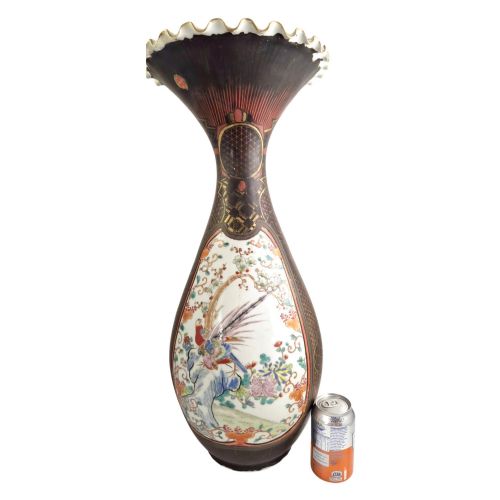
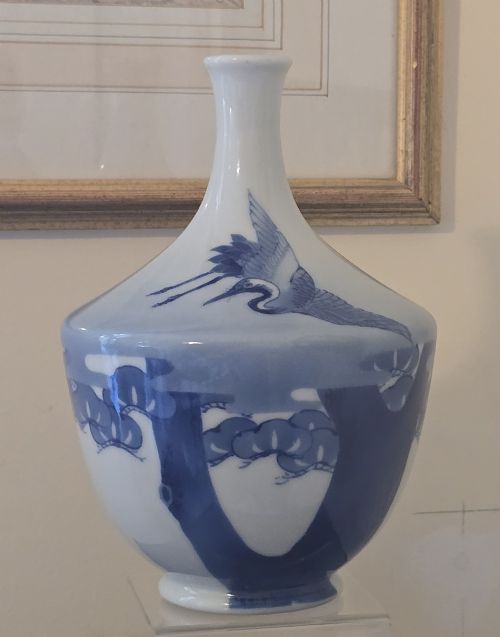
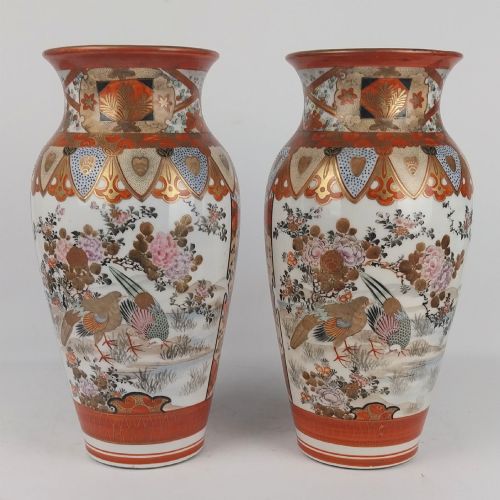
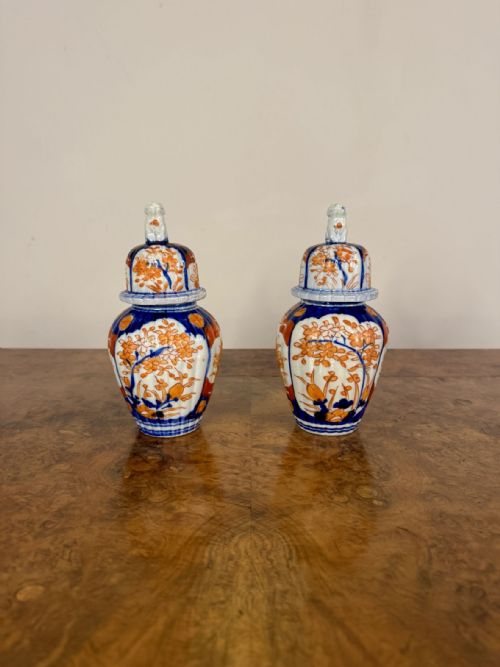
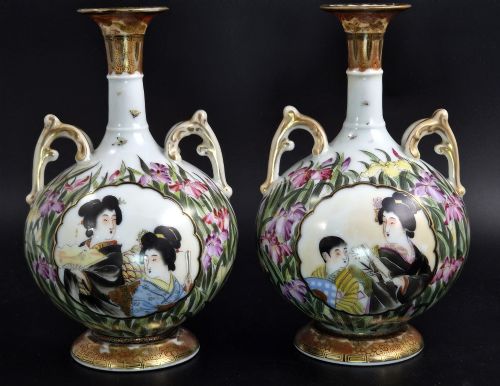
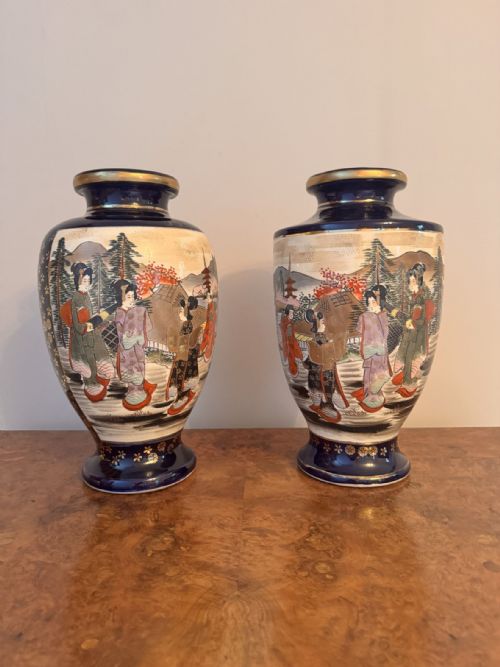
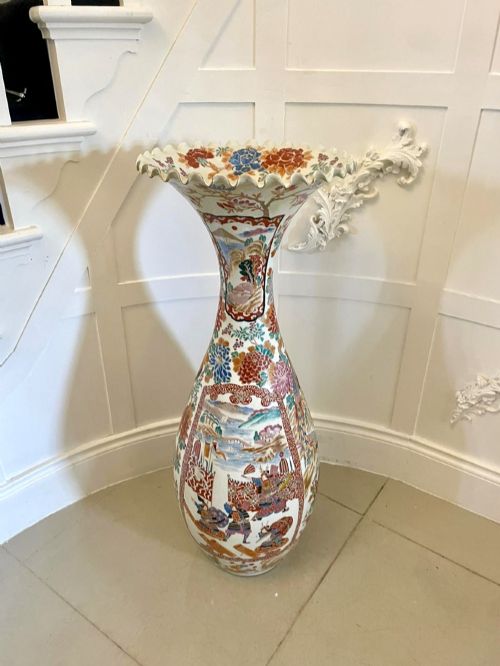
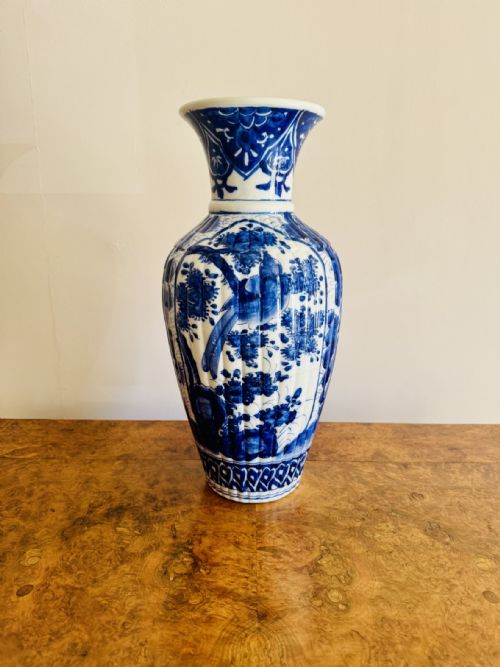
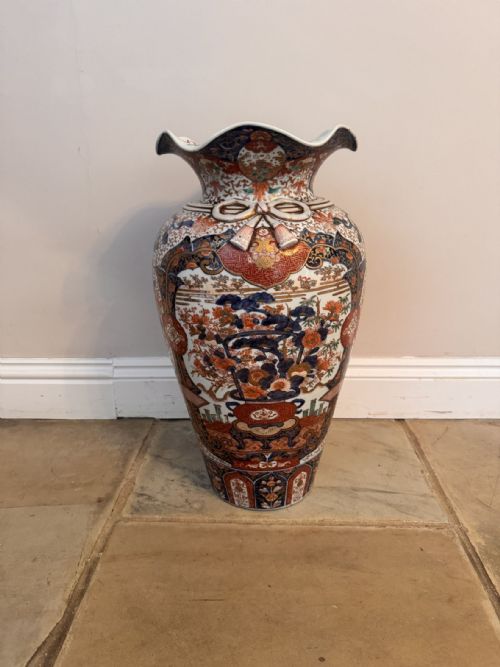
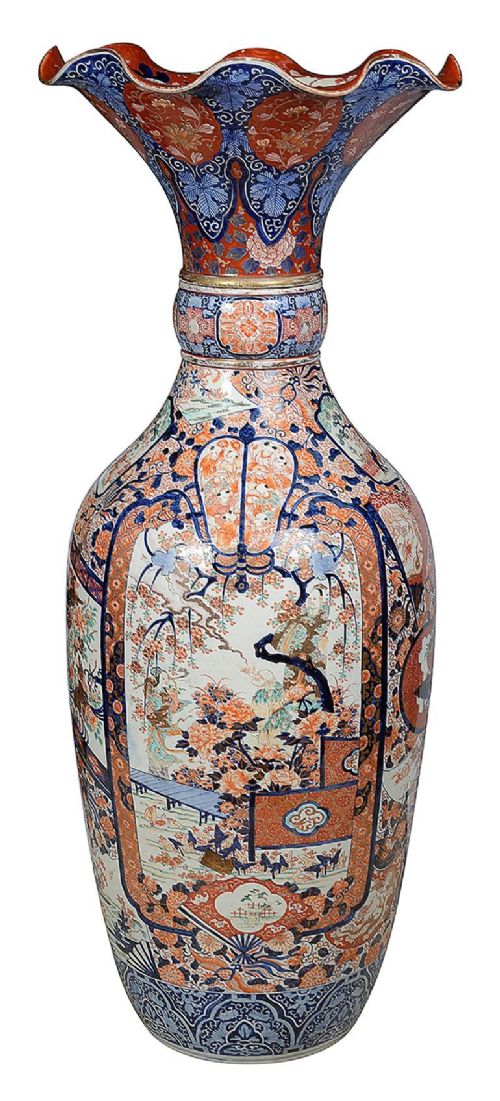
When you search for an antique meiji porcelain urn, you encounter heavy floor-standing vessels, lidded jars, and baluster shapes made during the Japanese Meiji period and associated Victorian decades. The selection centres heavily on Japanese Imari and Satsuma styles alongside Kutani, Seto, and Arita wares.
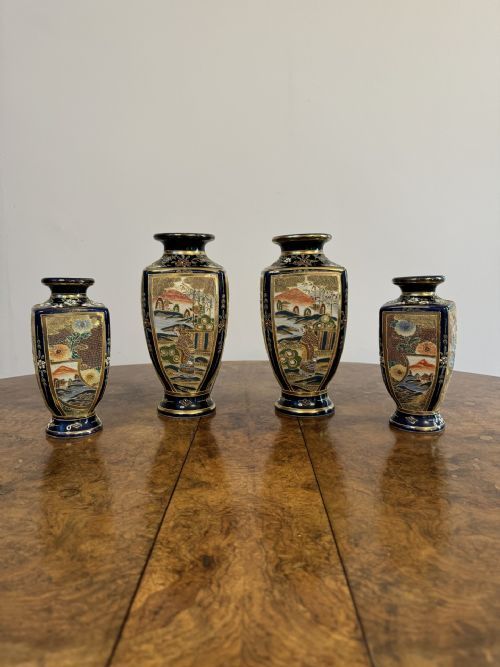
The objects take the form of monumental floor vases, ginger jars, garnitures, and occasionally converted table lamps. Most examples arrive as matched pairs or single large display pieces intended for prominent placement in a room.
Materials and construction methods
The makers formed these bodies from local ceramic materials, applying dense glaze and porcelain pastes before firing at high temperatures. Artisans then layered polychrome enamel, intricate gold leaf, and gold gilt over the fired surfaces.
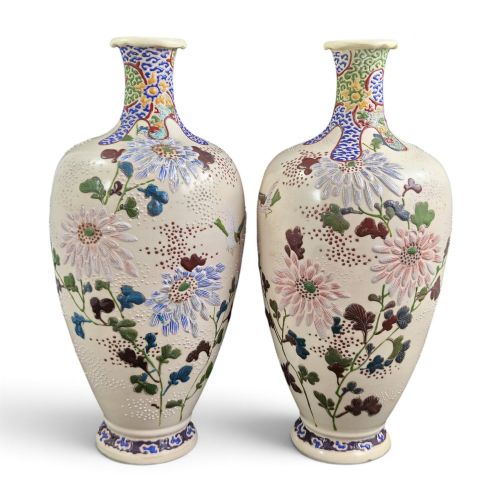
Specific workshops integrated lacquer and specialised base stands alongside traditional ceramic bodies. Decoration often relied on moriage relief work to build up raised decorative chrysanthemum petals and dense figurative scenes.
Antique Meiji Porcelain Urn Retail Price Guide 2026
Typical asking prices for meiji porcelain urn among the pieces listed under this phrase on Sellingantiques today, from the lower quarter to the upper quarter. They describe what is for sale here now, not the wider market.
Listings feature porcelain, earthenware, and wood alongside gold leaf and enamel finishes across nineteenth-century forms.
Distinctions in quality and execution
The distinction between standard commercial output and superior craftsmanship rests on the density and precision of the enamel work and gold leaf application. Finer pieces demonstrate meticulous control over cobalt underglaze details and delicate hand-painted panel scenes.
Scale and ambition also divide the range, separating modest ginger jars from monumental floor-standing vases and signed workshop pieces. The clarity of the glaze and the structural integrity of large baluster bodies determine the standing of each vessel.
Yamaka and Tomomae·Katō Keiichi·Seishōen Kiln·Takasaka Toemon·Chikusai·Kinkōzan·Hotoda·Makuzu Kozan·Kato Sanhei
The Antique Meiji Porcelain Urn Glossary
- Imari
- A traditional Japanese porcelain style featuring underglaze blue combined with iron-red, gold, and secondary enamel colours. The palette creates a rich, patterned surface across vases and lidded urns.
- Satsuma
- An earthenware ceramic type characterised by a crackle-glaze finish and intricate hand-painted polychrome and gold decorations. It frequently depicts figures, flora, and detailed geometric borders.
- Moriage
- A decorative technique using piped clay slip to build up raised patterns and textures on the surface of pottery before glazing and firing. This method adds tangible depth to floral and animal motifs.
- Garniture
- A set of matching vases or jars designed to be displayed together on a mantelpiece or sideboard. These matched groupings usually consist of three or five graduated pieces.
- Baluster
- A vertical vase form featuring a rounded lower body that tapers inward toward the neck. This classic shape provides a stable foundation for complex painted panels.
Antique Meiji Porcelain Urn: Frequently Asked Questions
How do I spot Satsuma ware?
Satsuma pieces display a distinct creamy, ivory-coloured crackle glaze underneath detailed hand-painted designs enriched with gold. You will often find figurative scenes or dense chrysanthemum motifs rendered in a distinct palette.
Unlike blue-and-white porcelain, Satsuma relies on an earthenware body and raised moriage enamel work. The finish feels slightly textured to the touch due to the layered pigment and gold leaf.
Are these pieces waterproof?
These historical ceramic vessels were created primarily for ornamental display as decorative vases, floor standing urns, and garniture sets. Using them to hold water and fresh flowers can risk damaging the aged glazes and delicate gold leaf.
It is safer to keep them dry and dust them gently with a soft brush. If you wish to use a large floor vase for botanicals, place a concealed waterproof liner inside rather than pouring water directly into the antique body.
What defines Imari porcelain?
Imari porcelain relies on a strict tripartite colour scheme of underglaze cobalt blue, iron-red, and supplementary gold gilt overglaze. The patterns typically feature crowded floral panels and geometric borders that cover the entire ceramic surface.
This aesthetic developed from historic export wares produced in Japan. The heavy use of gold against deep blue creates a rich, shimmering effect under natural light.
How should I display a large floor vase?
Monumental floor vases and tall baluster urns require a stable, level surface away from high-traffic walkways to prevent accidental knocks. Placing them directly on wooden flooring or a sturdy base ensures the heavy porcelain body remains secure.
Consider pairing single statement pieces with matching architectural surroundings or placing them in corners where the painted panels catch ambient light. Avoid direct, intense sunlight that might fade delicate enamel colours over decades.