


Antique Meiji Earthenware
Antique meiji earthenware brings together the intricate painted vessels and heavy sculpted wares produced during the Japanese Meiji and subsequent transitional periods.
Antique Meiji Earthenware
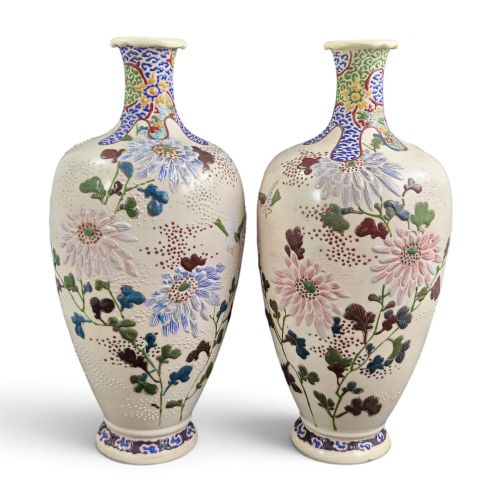
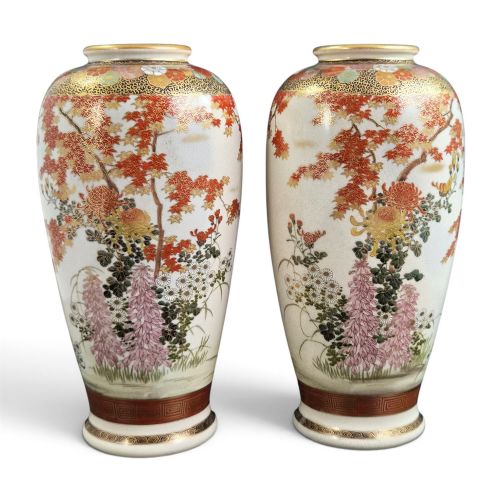
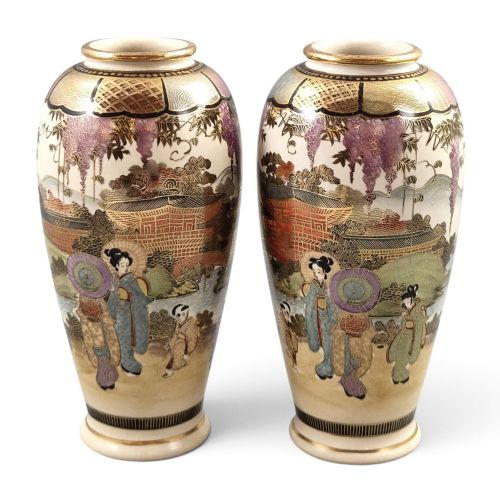
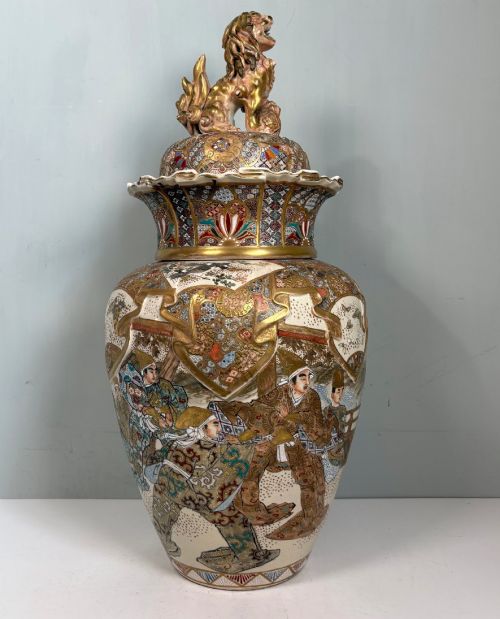
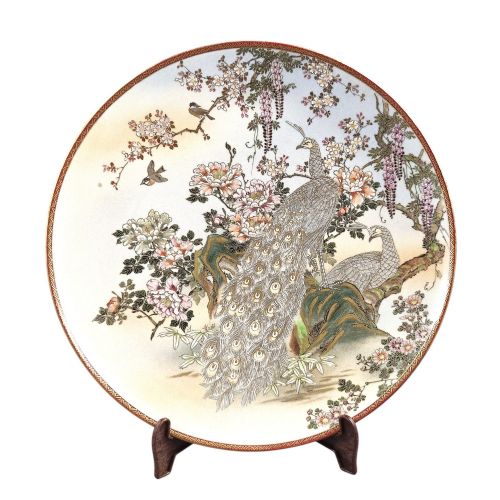
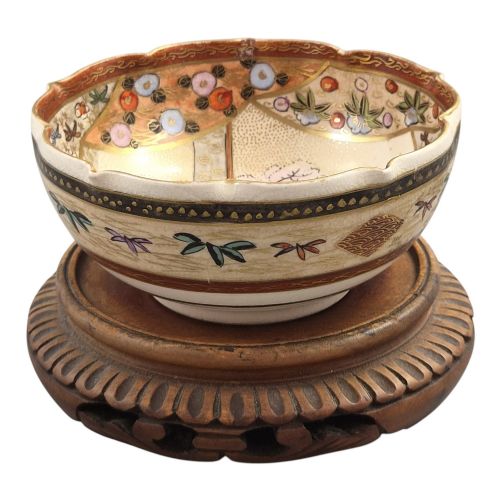
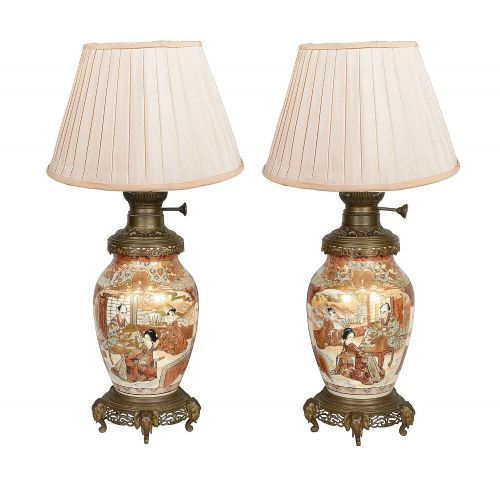
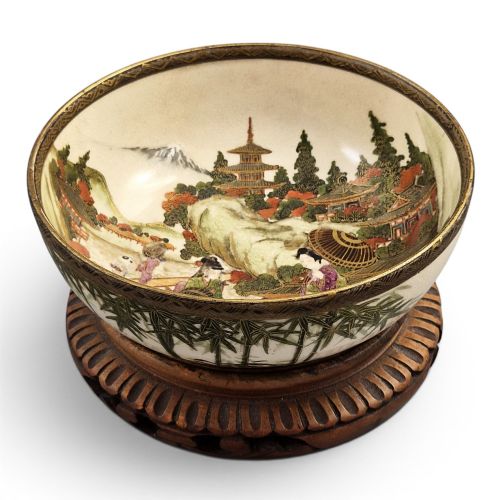
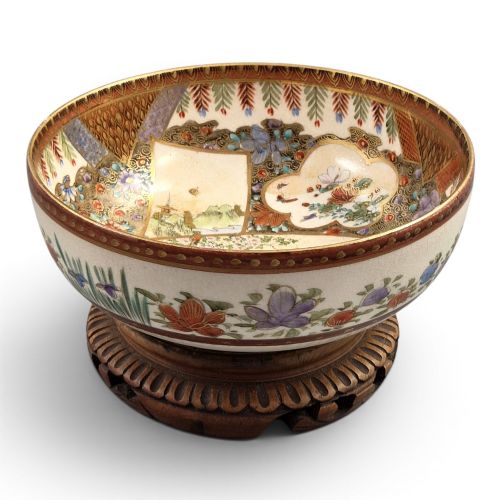
When searching for antique meiji earthenware, collectors encounter a focused range of ceramic forms originating from Japan during the nineteenth and early twentieth centuries. The selection centres primarily on Satsuma ware vessels, including elaborately decorated vases, bowls, jars and plates alongside sculptural Sumida Gawa pieces.
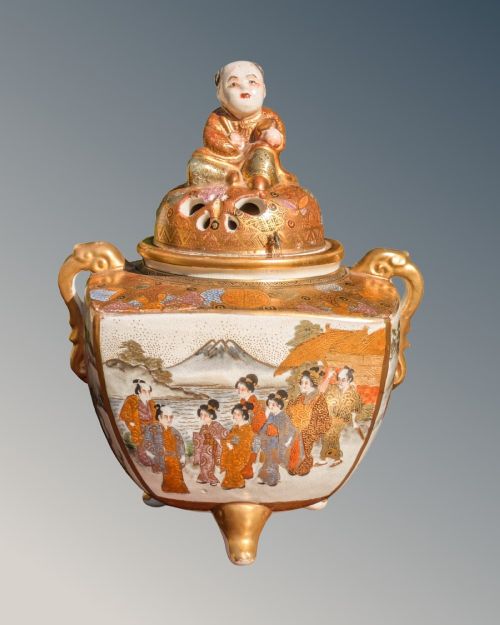
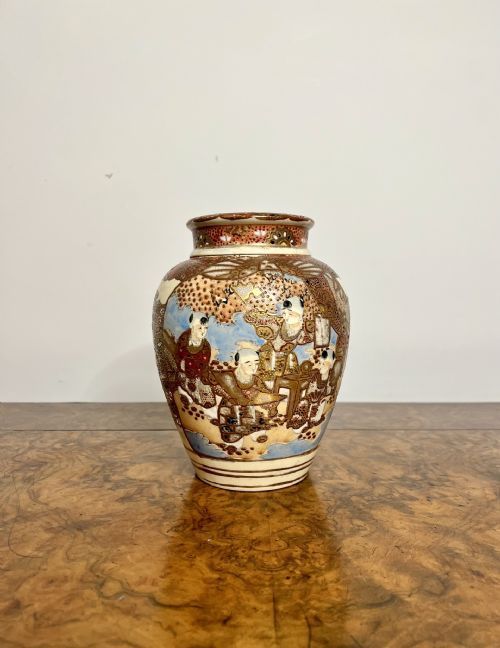
Most examples date from the Meiji period through to the early Taishō era, often overlapping chronologically with Victorian and Edwardian periods in Britain. Buyers regularly find baluster vases, koro incense burners, small bowls and ginger jars adorned with dense figural scenes or floral patterns.
The objects span from delicate miniatures painted with microscopic precision to large chargers and floor vases designed for display. These pieces represent a distinct convergence of traditional Japanese ceramic techniques and Western export tastes of the late nineteenth century.
How they were made
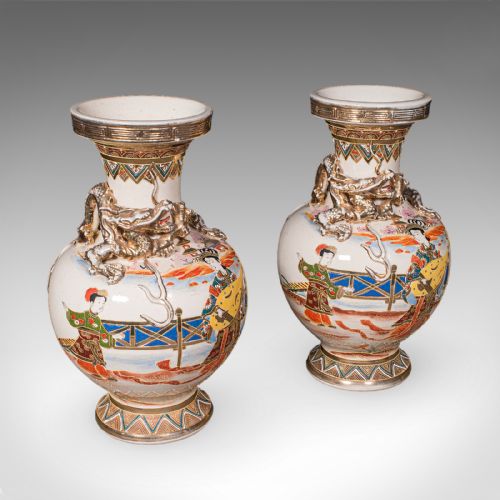
Makers utilised earthenware and terracotta bodies, which were subsequently finished with complex layers of glaze, enamel and gold leaf. The distinct Satsuma aesthetic relies upon an ivory-coloured, finely crackled glaze that acts as a canvas for detailed polychrome painting.
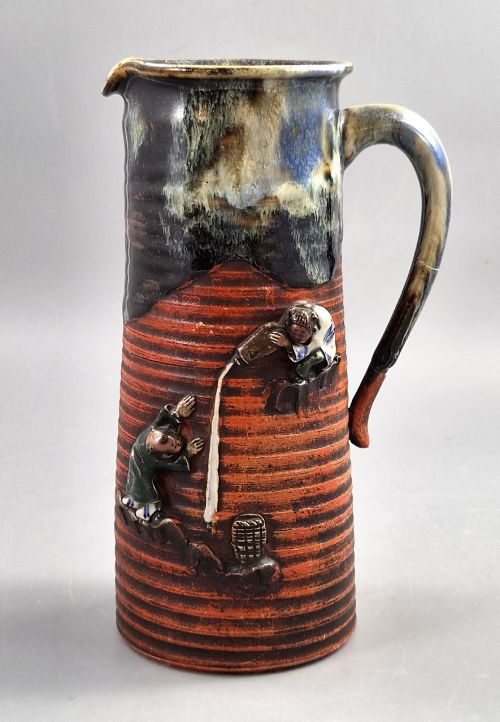
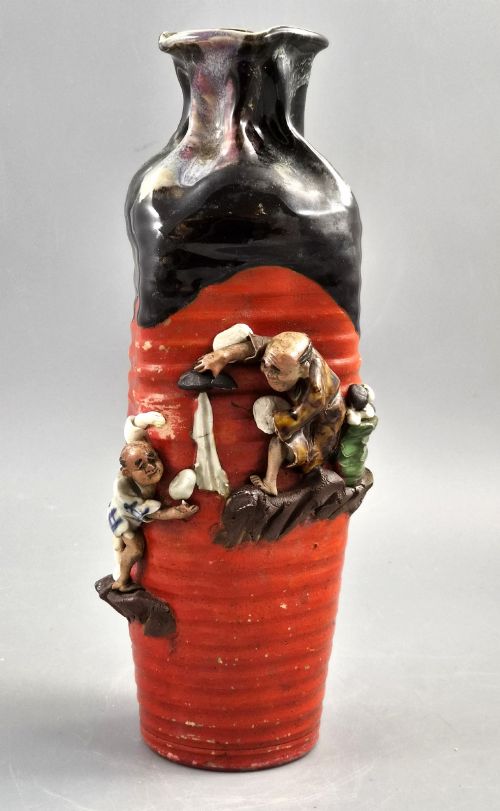
Many vessels incorporate moriage, a technique of building up thick trails of slip or enamel to create raised, three-dimensional decorative effects. Sumida Gawa pieces employ a very different method, featuring heavily textured surfaces and distinct applied figures sculpted separately before being fixed to the main body.
Several pieces feature tiny, startled sages clinging to the sides of vases as if trying to escape the glaze.
What varies in quality
Quality in antique meiji earthenware is defined by the precision of the brushwork and the complexity of the composition. Master painters working for prominent workshops achieved remarkable fineness in facial expressions, textile patterns and narrative detail.
The application of gilding and moriage further distinguishes exceptional works from standard export goods. Finer pieces demonstrate a disciplined balance between dense decoration and negative space, whereas lesser examples crowd the surface without clear artistic structure.
Koshida·Maruni Kobe·Shozan·Inoue Ryōsai·Gyokkō·Kozan·Kinkōzan·Hotoda·Shizan·Kōko·Toshozan·Makuzu Kozan II·Chosei·Nanzan
The Antique Meiji Earthenware Glossary
- Satsuma ware
- A type of Japanese earthenware originating from Satsuma Province, traditionally characterised by an ivory body and a network of fine glaze crackles.
- Moriage
- A ceramic technique where slip or enamel is piped onto the surface in raised dots or lines to create a tactile, three-dimensional decoration.
- Sumida Gawa
- A distinctive style of Japanese pottery featuring heavy, dripping glazes and applied figures, often associated with workshops near Tokyo.
- Koro
- A traditional Japanese incense burner typically supported on three feet and fitted with a pierced cover.
- Arhat
- An enlightened Buddhist sage, frequently depicted in groups on nineteenth-century decorative vessels and vases.
Antique Meiji Earthenware: Frequently Asked Questions
How do I identify Satsuma ware?
Satsuma ware is generally recognised by its cream-coloured earthenware body covered in a fine, web-like network of microscopic glaze cracks. Over this cracked surface, artists applied elaborate polychrome enamel designs enhanced with heavy gilding.
Most pieces display traditional Japanese figural scenes, court processions or dense floral arrangements. Examining the base often reveals a workshop signature or artist seal painted in gold or red.
What is Sumida Gawa pottery?
Sumida Gawa pottery stands apart from conventional export wares through its visibly rough, sculptural construction and unusual glazing methods. These pieces often feature dark, uneven glazes that drip thickly down the sides of mugs, pitchers and vases.
Another defining characteristic is the presence of modelled human figures, such as sages or children, applied directly to the exterior. These three-dimensional additions are hand-modelled and painted in contrasting naturalistic tones.
How should I clean antique earthenware?
Antique earthenware requires gentle maintenance due to the delicate nature of exterior enamels and gold leaf. Dusting should be performed with a soft, dry brush rather than a cloth that might catch on raised moriage details.
Water and liquid cleaners must be avoided entirely because moisture can penetrate the porous earthenware body and underlying crackle glaze. Keeping pieces away from direct sunlight preserves the vibrant colours of the original hand-painted pigments.
Are these pieces functional or decorative?
The vast majority of these items were created strictly for ornamental display in Western drawing rooms during the late nineteenth century. Vases, chargers and decorative bowls served as conversation pieces that showcased Japanese craftsmanship to European and American collectors.
While some forms like small bowls or koro incense burners had practical origins, their delicate painted surfaces mean modern owners generally use them for display. Placing them securely on stable surfaces protects the intricate handles, covers and applied figures from accidental knocks.