




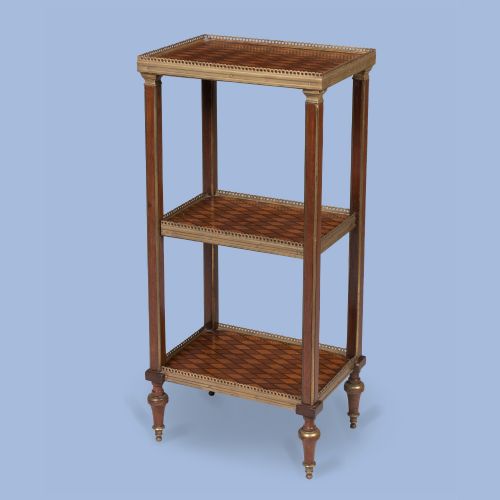


Antique Marquetry Etagere
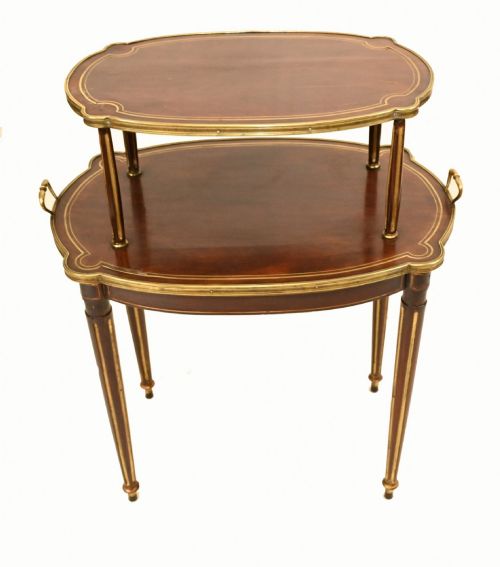
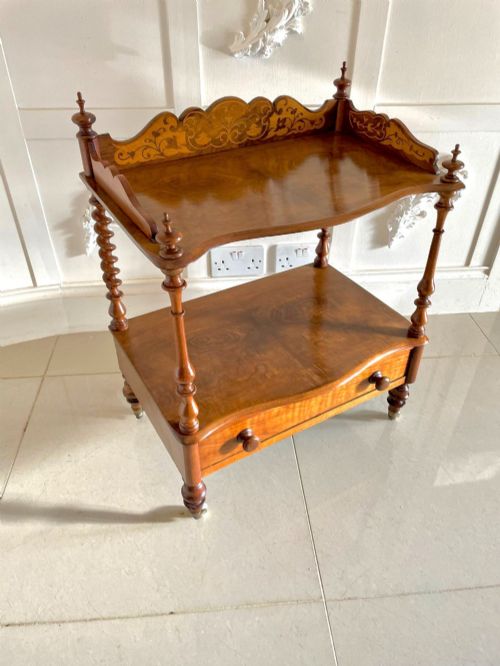
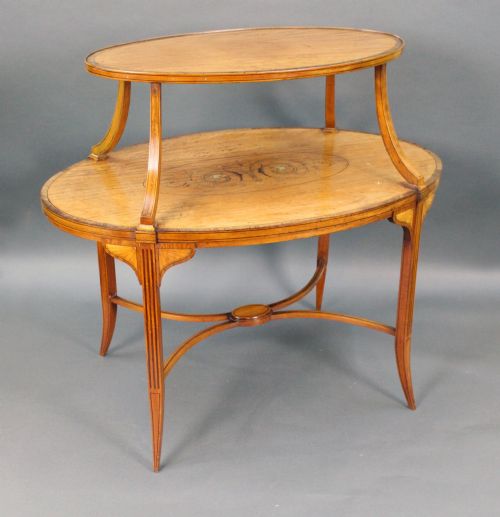
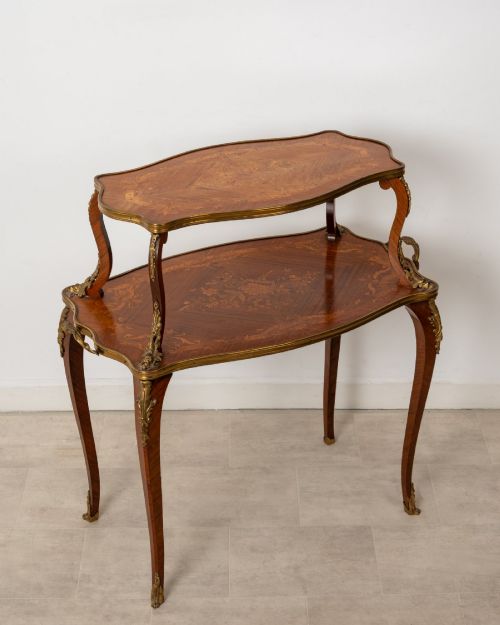
An antique marquetry etagere offers multi-tiered display space set with detailed wood inlays that catch the light.
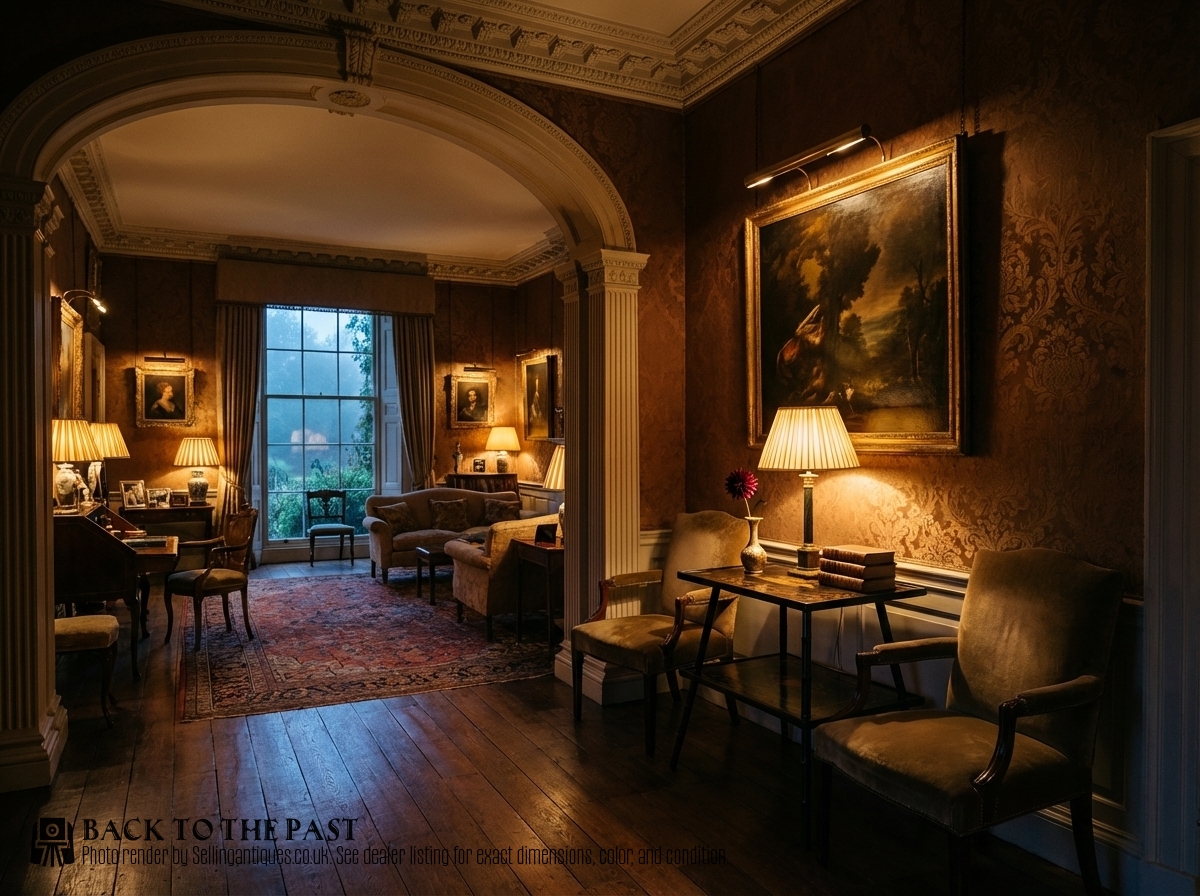
Antique Marquetry Etagere
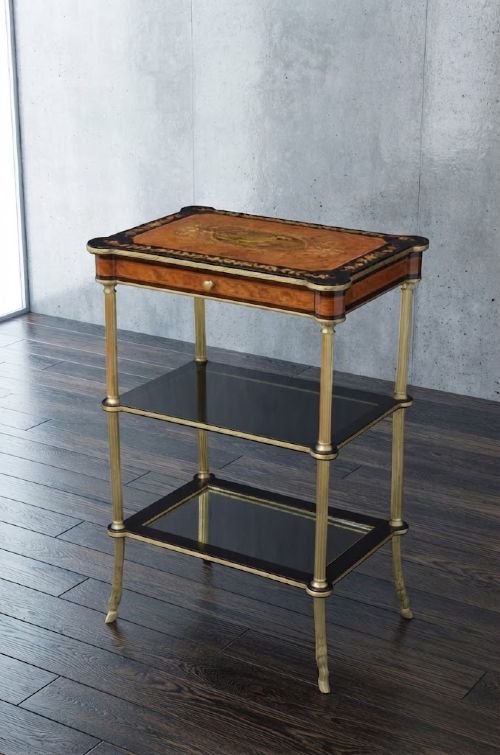
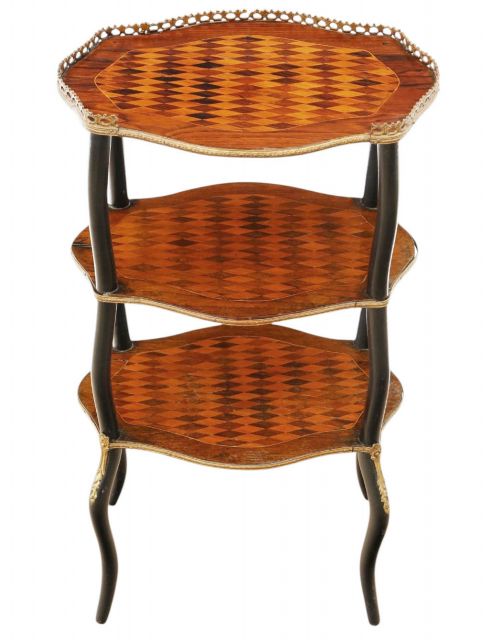
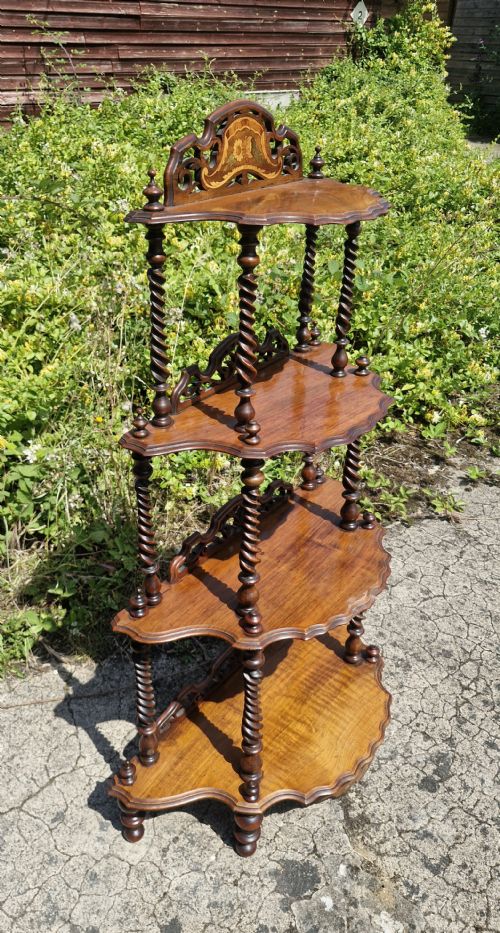
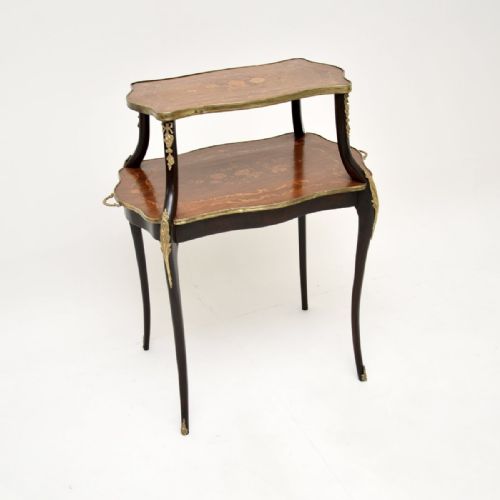
An antique marquetry etagere is an open tiered stand or table designed for display, featuring multiple shelves supported by slender uprights. These pieces serve to exhibit small decorative objects across two, three, or four distinct levels.
The versions met most often on this page combine Victorian or Edwardian periods with French styling, particularly Louis XV and Louis XVI revivals. Walnut, mahogany, and rosewood form the primary carcasses for these multi-tiered display pieces.
Makers integrated marquetry inlay into the shelves and tabletops, often pairing the patterned wood surfaces with glass trays or brass galleries. Surviving examples range from corner stands and wall shelves to freestanding occasional and tea tables.
How they were made
Cabinet makers built the carcasses using timber frames of walnut, mahogany, satinwood, and rosewood, frequently applying burr walnut or kingwood veneers to the principal surfaces. Marquetry inlay was meticulously sawn and fitted into the top veneers to create floral or geometric patterns.
Makers mounted brass galleries, ormolu mounts, and glass trays onto the tiered wooden structures to secure displayed items and add metallic contrast. Ebonised details and bone inlays occasionally punctuate the darker wood grounds on Edwardian and late Victorian pieces.
Antique Marquetry Etagere Retail Price Guide 2026
Typical asking prices for marquetry etagere among the pieces listed under this phrase on Sellingantiques today, from the lower quarter to the upper quarter. They describe what is for sale here now, not the wider market.
Some Edwardian tables incorporate hidden bone and ebony stringing alongside standard marquetry flowers.
What varies in quality
The refinement of the marquetry cutting and the choice of underlying timber determine the upper tier of execution, where dense burr walnut or finely figured satinwood commands attention. Precision in the joinery of the tiered shelves and the crispness of the ormolu mounts separate standard production from finer workshop output.
Design complexity also marks the division between basic models and superior pieces, seen in multi-tiered corner units, galleried tray tables, and works bearing documented maker attributions.
Edwards & Roberts·Donald Ross·Linke
The Antique Marquetry Etagere Glossary
- Etagere
- A piece of furniture consisting of open shelves for displaying small objects. These tiered stands developed in France during the eighteenth century.
- Marquetry
- Decorative woodwork where pieces of veneer are fitted into a ground to form floral or geometric designs. Craftsmen select different coloured woods to achieve tonal shading.
- Ormolu
- Gilded bronze mounts applied to furniture edges and feet. This decorative technique appears frequently on French revival pieces.
- Whatnot
- A nineteenth-century multi-shelved standing cabinet or etagere used for ornaments. Victorian examples often feature turned supports and burr walnut construction.
- Parquetry
- Geometric wood inlay laid in repeating patterns such as cubes or chequers. It differs from marquetry through its reliance on strict angular geometry rather than pictorial motifs.
Antique Marquetry Etagere: Frequently Asked Questions
What is an etagere used for?
An etagere provides open tiers for displaying porcelain, small silver, and decorative ornaments within a room.
The multiple levels allow collectors to arrange objects vertically without cluttering surface tables.
How do I identify French style furniture?
French style pieces from the nineteenth century display curved cabriole legs, asymmetrical floral marquetry, and gilt bronze mounts.
Designers of this era drew inspiration from Louis XV and Louis XVI court furniture.
Where should I place an etagere?
Free-standing etageres and tea tables suit principal reception rooms where their display shelves remain visible from multiple angles.
Corner etageres fit into unused wall junctions to maximise display space in compact rooms.
What is the difference between an etagere and a whatnot?
Both terms describe tiered shelving units, though whatnot is more commonly applied to heavy Victorian walnut standing cabinets.
Etagere often denotes lighter French tables or multi-tier stands featuring marquetry and ormolu mounts.