


Antique Marquetry Collector Cabinet
An antique marquetry collector cabinet is a fitted case designed to hold specimens, medals, or miniatures, finished in patterned wood veneers.
Antique Marquetry Collector Cabinet
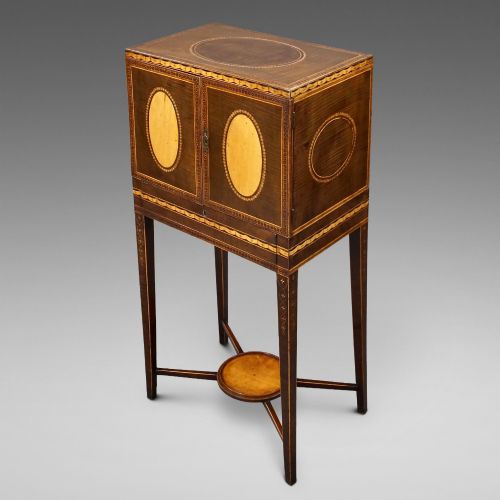
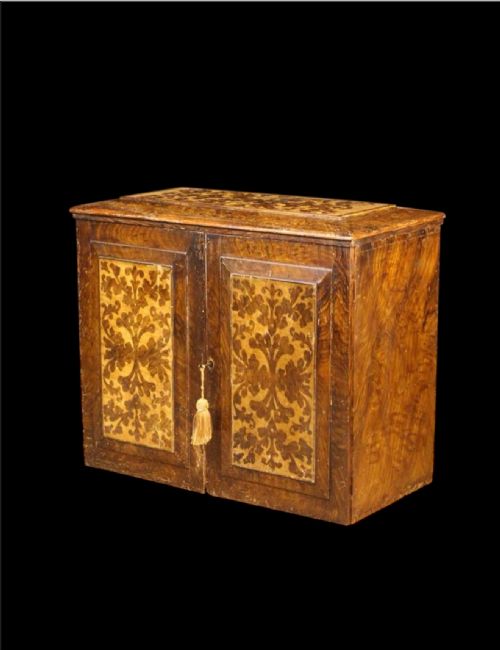
An antique marquetry collector cabinet is a specialised piece of furniture built to house small treasures, featuring intricate wood-inlaid patterns across its exterior surfaces. The pieces gathered here span from the seventeenth century through to the early twentieth century, showing forms as varied as table cabinets, tall cabinets on stands, and pier cabinets.
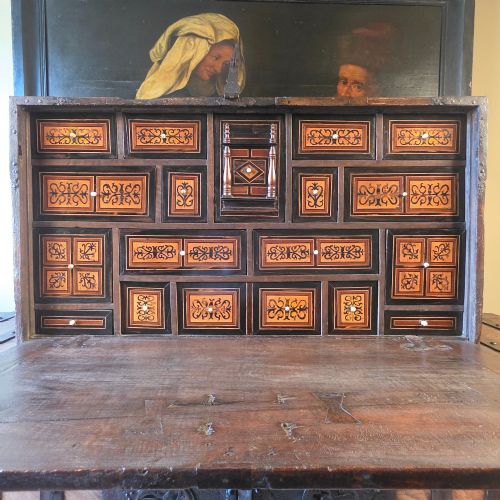
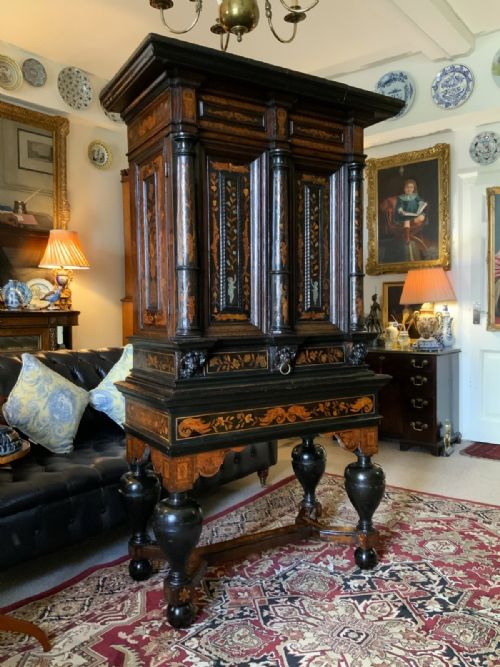
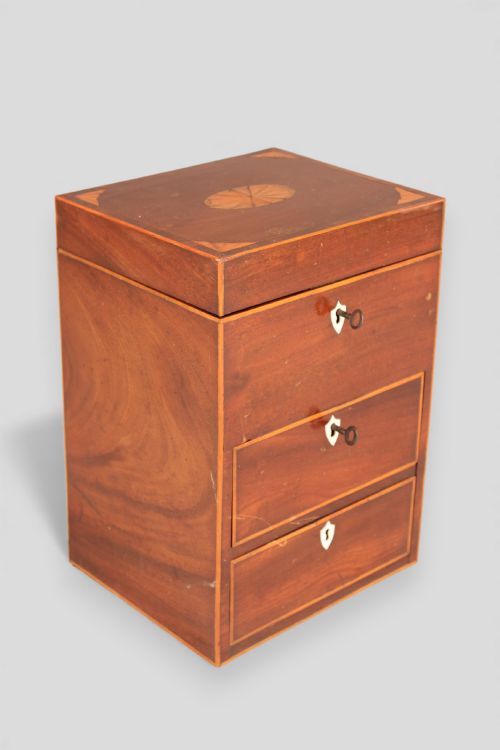
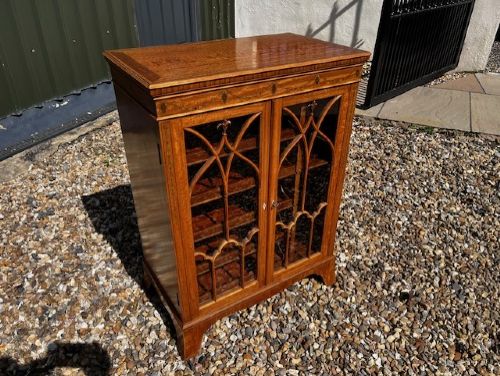
Most examples you encounter on this page date from the seventeenth and nineteenth centuries, taking the shape of table-top boxes, cabinets on stands, or glazed display vitrines. They employ timber veneers arranged to form floral, geometric, or architectural designs, often fitted with internal drawers designed specifically for orderly storage.
The materials and styles reflect centuries of cabinet-making traditions, drawing upon walnut, mahogany, satinwood, and exotic fruitwoods alongside Baroque and Victorian aesthetic influences. Whether built as a miniature architectural case or a glazed display surface, each piece serves the dual purpose of secure storage and visual display.
How they were made
The construction relies on solid timber carcases overlaid with fine veneers of walnut, mahogany, satinwood, kingwood, or olive wood. Craftsmen cut contrasting timbers such as boxwood, fruitwoods, bone, and pewter into precise pictorial or geometric motifs, embedding them directly into the surface veneer.
Oyster veneering, a technique prominent in seventeenth-century pieces, involves slicing small branches across the grain to produce concentric circular patterns resembling oyster shells. These decorative veneers are painstakingly applied to the carcase and polished to highlight the natural grain and colour variations of the timber.
Cabinets on stands combine substantial supporting bases with intricate upper boxes, frequently incorporating brass hardware, locks, and internal banks of small drawers. The precision of the inlay work dictates the structural harmony between the decorated exterior and the functional storage within.
Listings span from the 17th century to the early 20th century, encompassing walnut, mahogany, satinwood, and fruitwood.
What varies in quality
Quality rests upon the crispness of the marquetry cutting and the choice of timbers used to create contrast and depth. Finer cabinets employ rarer woods like kingwood and satinwood alongside meticulous bone or pewter inlay, whereas simpler versions rely on standard mahogany or walnut with basic geometric banding.
The sophistication of the internal arrangement and the structural integrity of the stand or carcase separate standard items from superior works. Cabinets attributed to established workshops exhibit tighter joints, thicker and more varied veneer selections, and hardware that integrates seamlessly into the original design.
Whytock and Reid·Edwards and Roberts
The Antique Marquetry Collector Cabinet Glossary
- Marquetry
- Decorative veneer work forming pictures or patterns using various woods, metals, or bone. It differs from simple inlay by covering the entire surface in an assembled jigsaw of materials.
- Oyster veneer
- Circular pieces of wood cut transversely from small branches to show the annual growth rings. This technique creates a distinctive repeating pattern across seventeenth-century cabinet surfaces.
- Vitrine
- A glass-fronted cabinet or display case designed to showcase delicate objects and curiosities. Many nineteenth-century versions incorporate glazed panels on the top and sides to maximise light exposure.
- Escritoire
- A small writing cabinet featuring a fall-front desk flap concealing internal pigeonholes and drawers. These pieces often combine storage for documents with compartments for small valuables.
- Cabinet on stand
- A raised storage case supported by a distinct framework of legs connected by stretchers. This form elevates the decorated cabinet to a comfortable viewing height.
Antique Marquetry Collector Cabinet: Frequently Asked Questions
What were collector cabinets used for?
Collector cabinets were designed to hold delicate treasures such as coins, medals, shells, minerals, and miniatures. The shallow internal drawers kept fragile specimens organised and protected from dust and light.
Over time, these pieces transitioned from private scientific storage into fashionable drawing-room display furniture. Their compartmentalised interiors reflect an era when gentlemen and scholars catalogued the natural and manufactured world.
How do I tell a seventeenth-century cabinet from a nineteenth-century one?
Seventeenth-century pieces frequently employ oyster veneer, heavy walnut carcases, and geometric or floral marquetry with Pewter or bone highlights. They often take the form of cabinets on stands or robust table boxes.
Nineteenth-century revivals tend to utilise lighter satinwood, mahogany, or figured walnut, often featuring glazed vitrine doors or elaborate French Empire and Victorian styling. The internal drawer construction and finishing techniques also differ significantly between these distinct eras.
Where should I place a table top cabinet?
Table top cabinets require a sturdy surface such as a chest of drawers, side table, or desk where their detailed marquetry can be viewed at close quarters. Placing them away from direct sunlight protects the delicate veneers and antique polishes from fading.
Because many examples feature fitted drawers or drop-front writing surfaces, ensure there is enough surrounding clearance to open doors or lids safely. They function well as focal points in studies, libraries, or drawing rooms.
What is the difference between marquetry and inlay?
Marquetry involves assembling a complete picture or pattern from various veneers on a backing sheet before applying it to the furniture carcase. It covers the entire surface in a mosaic of contrasting woods, metals, or bone.
Inlay, by contrast, refers to sinking decorative materials into pre-carved recesses within a solid wood surface. While both techniques create ornamented finishes, marquetry produces a more pictorial and sweeping surface design.