





Antique Marine Canvas
When buying antique marine canvas works, collectors secure historical oil paintings depicting ships, harbours and coastal scenes across nineteenth and twentieth century periods.
Antique Marine Canvas
When searching for antique marine canvas, collectors encounter oil paintings on woven fabric support depicting maritime subjects, coastal towns, and river scenes. These works capture naval vessels, merchant shipping, and stormy seas from the nineteenth century onwards.
The pieces on this page span Victorian maritime art, Edwardian coastal views, and early twentieth century impressionist or post-impressionist interpretations. Buyers most frequently meet nineteenth century British and European school oil paintings framed in giltwood.
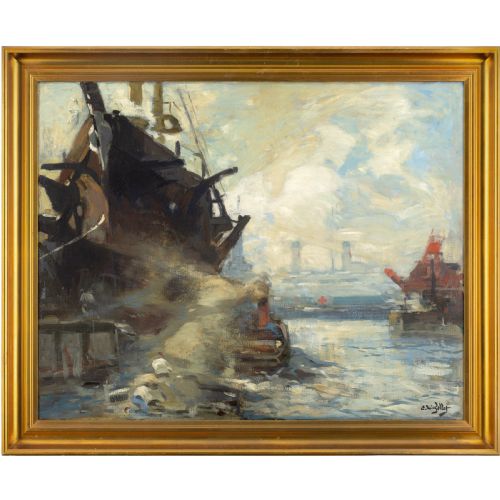
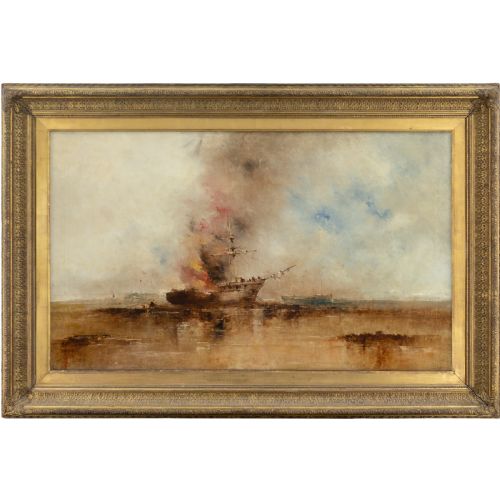
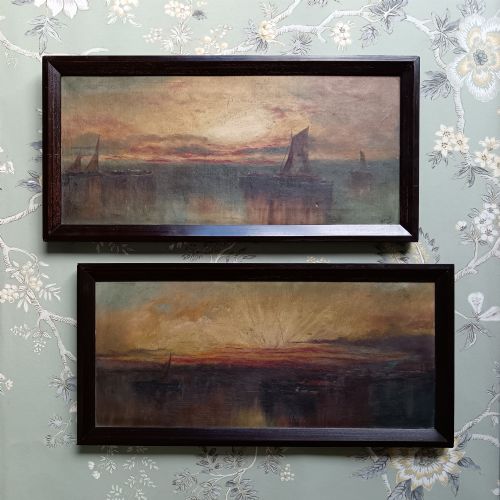
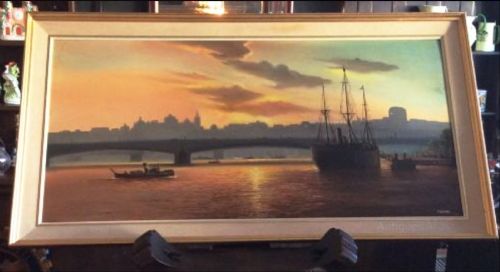
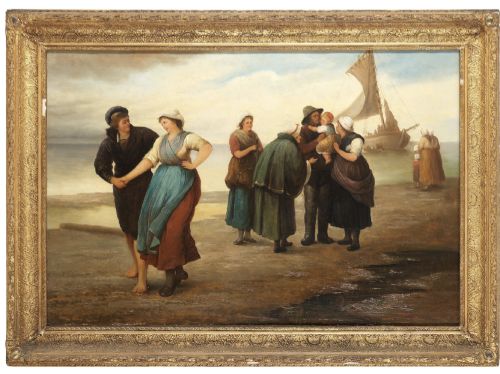
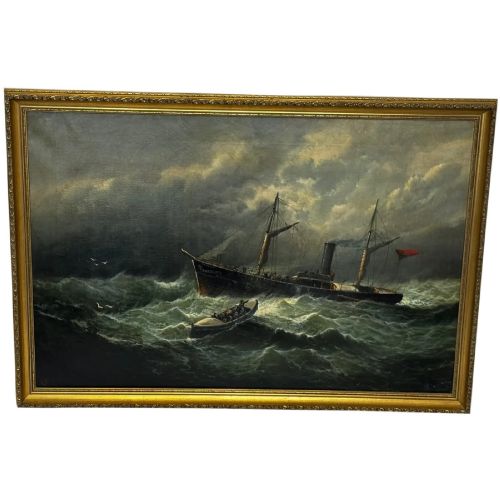
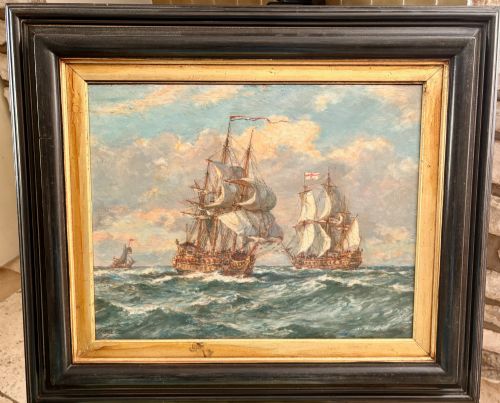
Subjects range from turbulent open ocean rescues and bustling river trade on the Thames to quiet French harbours and rocky shorelines. Each canvas records specific historical vessels, coastal geography, or domestic shipping operations.
How they were made
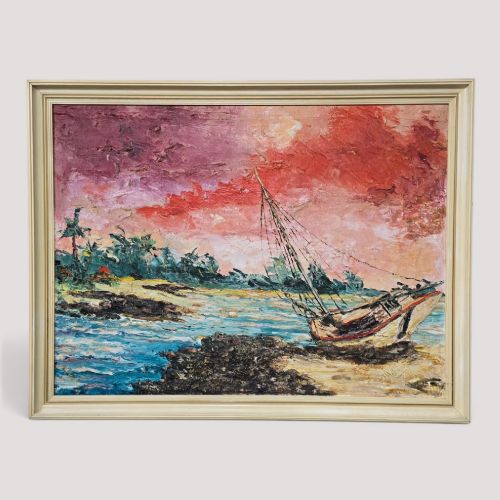
Artists painted these marine subjects using oil paint applied directly onto stretched canvas, often mounted on wooden stretcher frames. Painters built up texture through layered brushwork and impasto techniques to render the movement of waves and clouds.
Many surviving works retain their original giltwood or gilt frames, which were constructed from wood and finished with gold leaf or gilding. These frames protect the edges of the canvas and complement the maritime subject matter.
Historic canvases occasionally trap stray studio dust and tiny brush hairs, leaving accidental signatures from the artist's cat.
What varies in quality
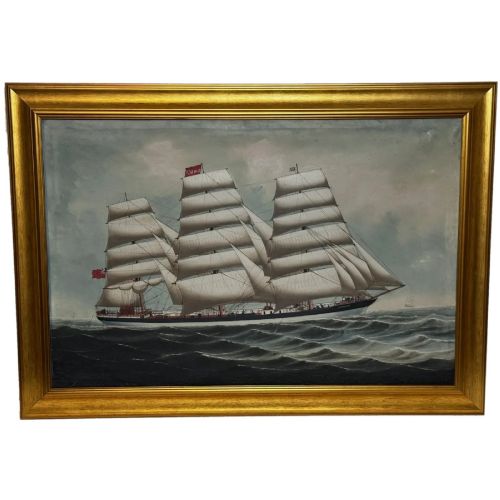
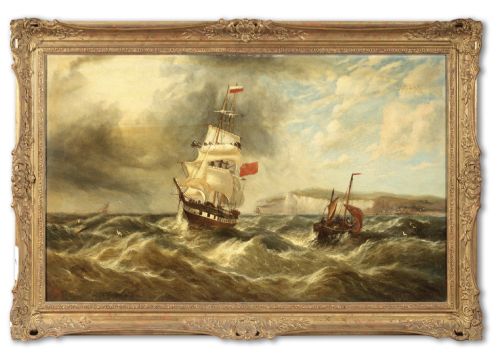
Quality in these paintings rests upon the artist's command of atmospheric perspective, accurate rendering of rigging and hull architecture, and handling of light over water. Master hands capture the weight of heavy seas and the specific rigging of three-masted schooners with convincing precision.
The integrity of the canvas support and the preservation of the original oil paint layer distinguish superior examples from heavily restored pieces. Original giltwood frames matching the period of the painting elevate the overall historical character.
Eugène-Louis Gillot·William McAlpine·Reginald Arthur Borstel·B. Nash·John Rose Miles·William Broome·Bernard Gribble·Bonaventura Peeters·Francis Moltino·Bernard Benedict Hemy·Thomas Creswick·Willem Bos·Charles Euphraisie Kuasseg·John Wilson Carmichael·Lai Fong·Joseph Farquharson·Dubovsky·Nicholas Condy·Richard B. Spencer·William Henry Williamson·John Holland·Abraham Hulk I·Charles William Wyllie·William Edward Webb·Charles Napier Hemy
The Antique Marine Canvas Glossary
- Canvas
- A heavy woven fabric typically made from flax or hemp that served as the primary support surface for oil paintings. Painters stretched this material tightly across wooden frames before applying their ground and pigments.
- Impasto
- A painting technique where oil paint is laid thickly onto the canvas, standing out in relief from the surface. Artists utilised this method to give texture to crashing waves, foam, and clouds.
- Giltwood
- Wood that has been decorated with a thin layer of gold leaf or gold paint. Frames constructed from this material were common for fine nineteenth century marine art.
- Barque
- A sailing vessel with three or more masts having the fore- and mainmasts square-rigged and the mizzenmast fore-and-aft rigged. This specific rig appears frequently in nineteenth century shipping art.
Antique Marine Canvas: Frequently Asked Questions
How do I identify a nineteenth century marine oil painting?
Examine the preparation of the canvas, the pigments used, and the style of the wooden stretcher frame behind the work. Nineteenth century pieces often display specific rigging details of historic vessels and distinct artist signatures.
Look for framing materials and canvas stamps that correspond to nineteenth century suppliers. School attributions and biographical records of listed painters help confirm the era.
What subjects appear in antique marine art?
These works portray naval battles, merchant sailing ships, rescue operations in rough seas, and quiet river traffic near bridges. Coastal scenes feature fishing boats, ports, and harbours across Britain and Europe.
Artists also recorded specific historical events, such as troop transports and wartime hospital ships. Each subject reflects the maritime dominance and coastal life of the Victorian and Edwardian eras.
How should I care for an antique oil painting on canvas?
Keep the canvas away from direct sunlight, damp environments, and sudden temperature fluctuations that cause the fabric and paint to expand or contract. Display the work in a stable indoor climate to protect the oil paint layer.
Dust the surface gently with a soft, dry brush and avoid using liquid cleaners on the paint or giltwood frame. Professional conservators should handle any structural repairs to the canvas or stretcher.
Are these marine paintings signed by the artists?
Many works bear legible signatures, monograms, or dates applied by the painter, while others remain attributed to specific schools or circles based on style. Signed pieces often link directly to recorded marine artists of the period.
Undated or indistinctly signed canvases are attributed through stylistic comparisons with documented works by contemporary painters. Dealers record these attributions using surviving exhibition records and stylistic evidence.