

Antique Marble Head
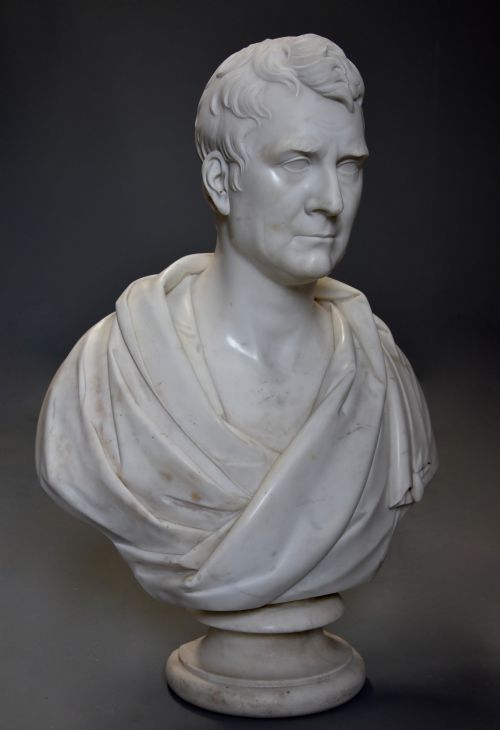
An antique marble head captures classical form in carved stone, offering a tangible link to 19th-century portraiture and Grand Tour taste.
Antique Marble Head
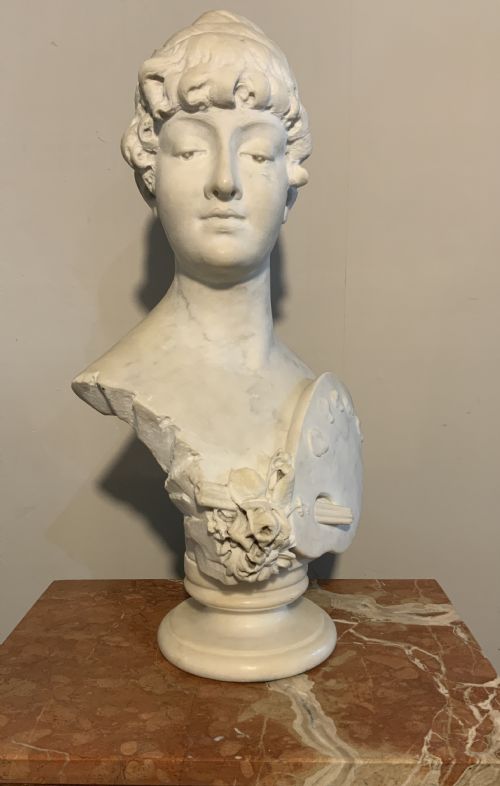
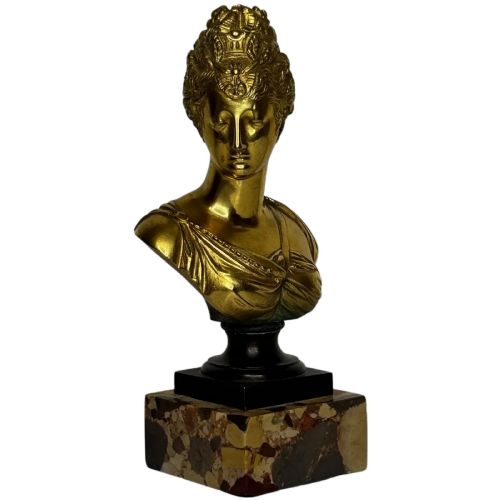
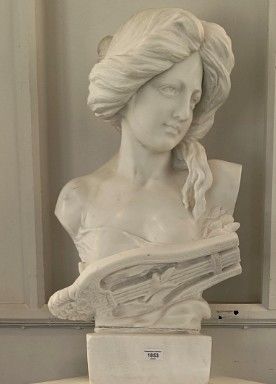
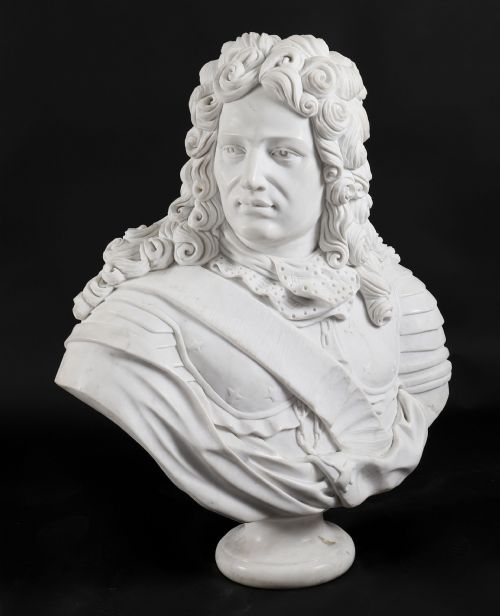
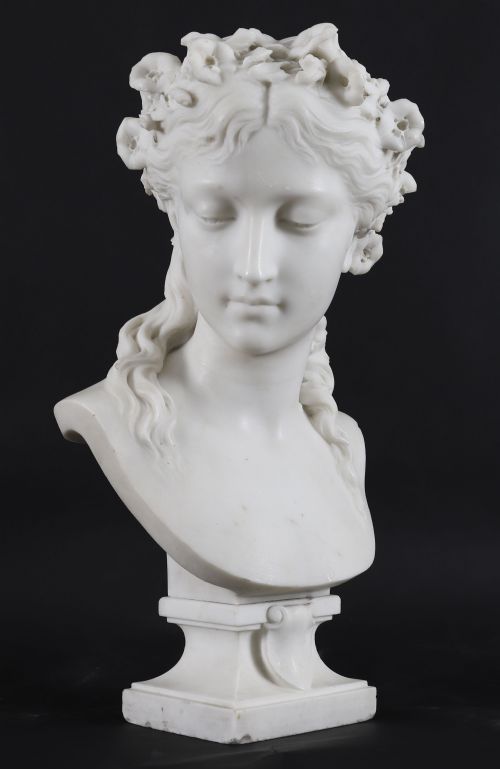
When you search for an antique marble head, you encounter sculptural works that primarily take the form of portrait busts and library figures. The material ranges from bright white stone to variegated types used for architectural bases and specific geological colouration.
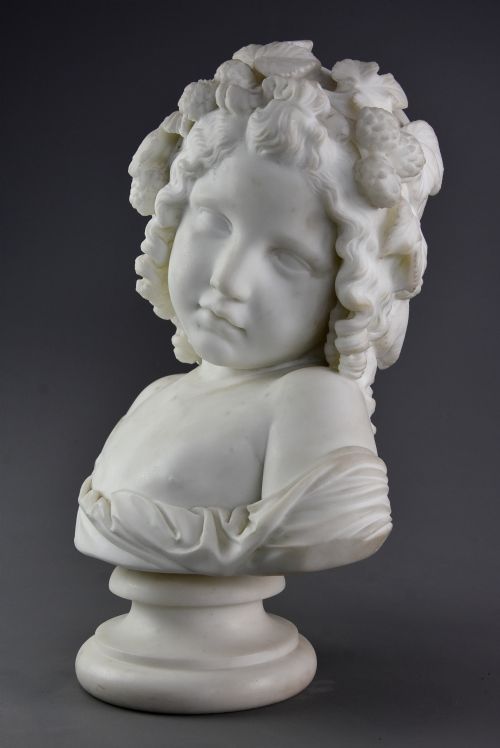
Most examples date from the nineteenth century, reflecting periods such as the Victorian era, the Neoclassical movement, and the cultural appetite of the Grand Tour. Alongside direct portraits of historical figures and private sitters, you find depictions of mythological subjects and classical deities.
Italian workshops and French studios produced many of these sculptures, ranging from monumental civic tributes to smaller library pieces meant for domestic display. While standalone heads and busts dominate, related stone and bronze studies also appear across the selection.
What varies in quality
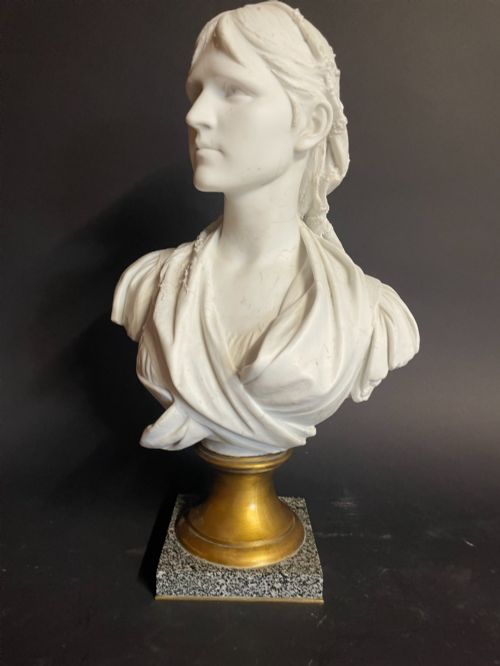
The standard of carving dictates the overall success of the piece, particularly in the rendering of facial expression, hair texture, and the delicate folds of carved garments. Master carvers captured lifelike presence and anatomical subtlety that distinguish fine studio work from standard commercial production.
The choice of stone heavily influences the character of the object, with pure white Carrara and richly figured coloured marbles commanding distinct visual weight. Signed works and documented attributions to known sculptors elevate the historical interest of the carving.
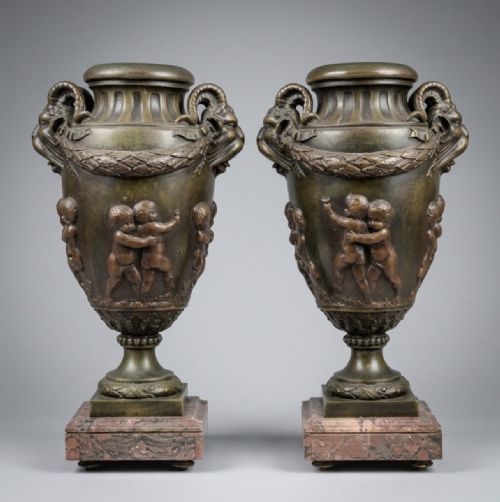
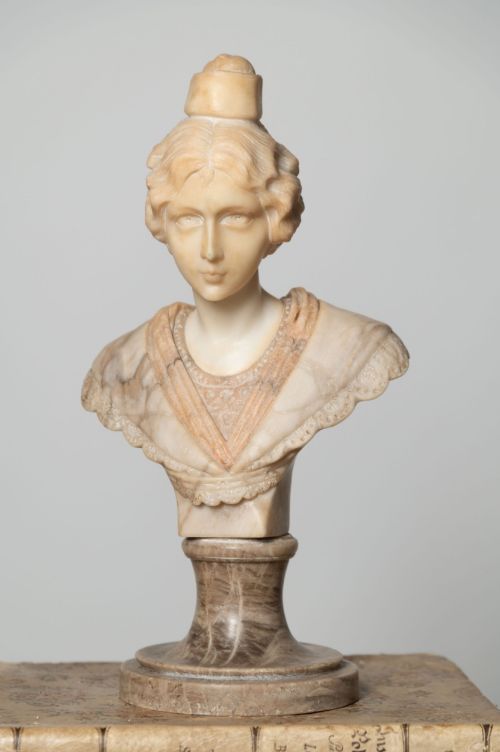
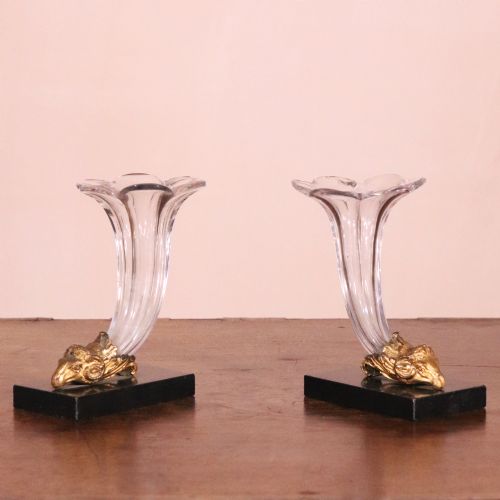
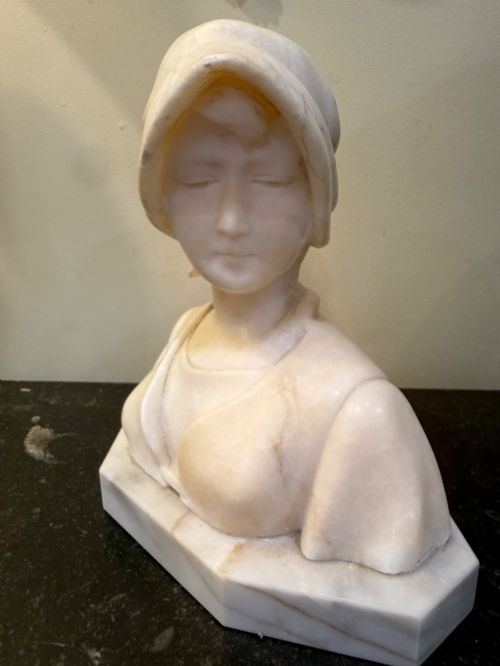
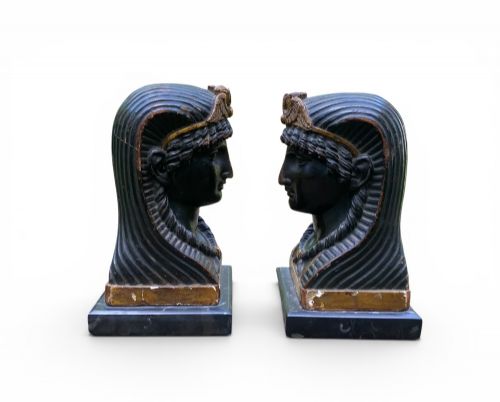
The listings combine nineteenth-century neoclassical portraits with turn-of-the-century alabaster busts and bronze-mounted stone works.
Eugene Aizelin·Auguste Henri Carli·J Francis·George Minne·John Wenlock Rollins·Alajos Strobl·Mieczyslaw Leon Zawiejski
The Antique Marble Head Glossary
- Grand Tour
- A traditional trip of Europe undertaken by upper-class European young men of means in the 18th and 19th centuries to absorb classical art and culture. Travellers frequently returned home with carved stone heads and architectural fragments.
- Bust
- A sculpted or cast representation of a person from the chest up. In stone portraiture, this format focuses attention entirely on the facial expression and likeness of the sitter.
- Alabaster
- A fine-grained stone that is softer than marble and possesses a natural translucency. It was frequently selected by Victorian and turn-of-the-century sculptors for delicate female portraits.
- Patination
- The surface finish or colour achieved on bronze elements through age or chemical treatment. It adds depth and tone to metal components mounted alongside stone sculptures.
Antique Marble Head: Frequently Asked Questions
Where were antique marble heads displayed?
These sculptures were traditionally placed in libraries, studies, and drawing rooms of grand houses as symbols of classical learning and refined taste. Collectors during the nineteenth century positioned them on pedestals, mantelpieces, or specialised library tables.
Today, they suit similar interior settings, functioning as focal points on sideboards, desks, or architectural brackets where adequate light can catch the carved contours.
How do I clean marble sculptures safely?
Dust accumulation on carved stone is best managed using a soft, dry brush or a clean microfibre cloth to prevent abrasive particles from scratching the polished surface. Avoid using household chemical cleaners, detergents, or excess water, which can penetrate porous stone or damage historic patination.
Professional conservation advice should be sought for stubborn marks or unsealed alabaster pieces, as moisture can permanently alter softer stones.
What is the difference between marble and alabaster?
Marble is a hard metamorphic rock formed from recrystallised carbonate minerals, capable of taking a high, durable polish. Alabaster is a softer mineral composed of gypsum or calcite, prized historically for its warm, slightly translucent quality.
Because alabaster is significantly softer than marble, pieces carved from it show greater vulnerability to surface scratching and moisture damage.
How can I identify a Grand Tour piece?
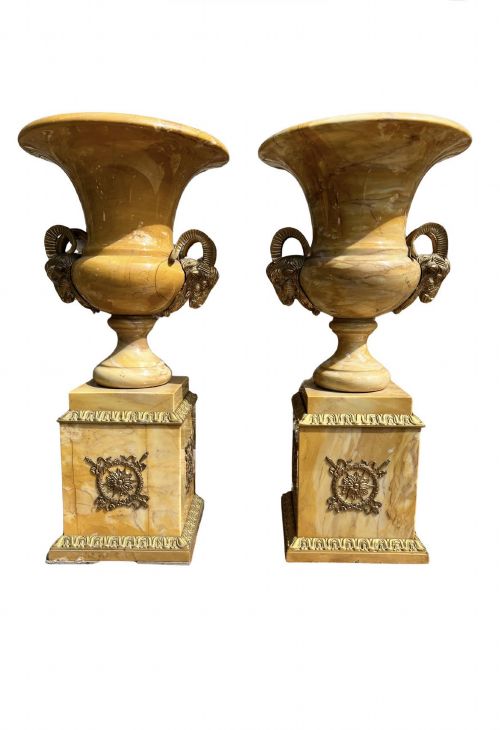
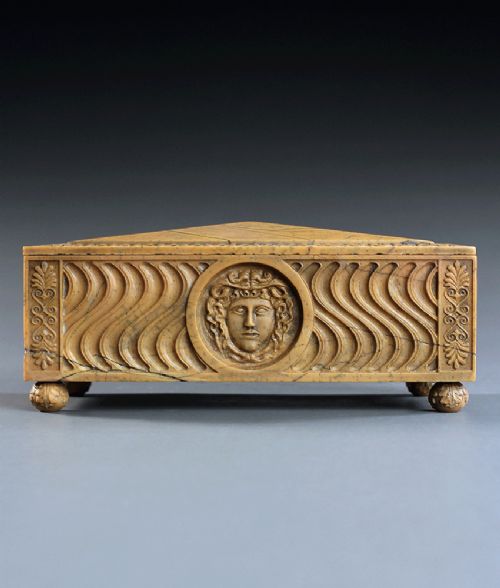
Grand Tour pieces typically replicate famous classical antiquities seen in Italian museums and archaeological sites during nineteenth-century European travel. They often utilise regional Italian stones such as Siena or Vert de Mer marble for bases and architectural framing.
Documentation, old collection labels, or stylistic markers linking the sculpture to Roman or Florentine workshops of the period help confirm this origin.