

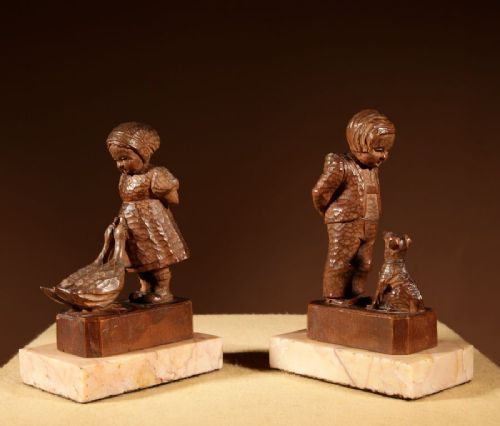


Antique Marble Girl Figure
An antique marble girl figure brings classical grace into a room, offering tactile presence and quiet character through carved stone.
Antique Marble Girl Figure
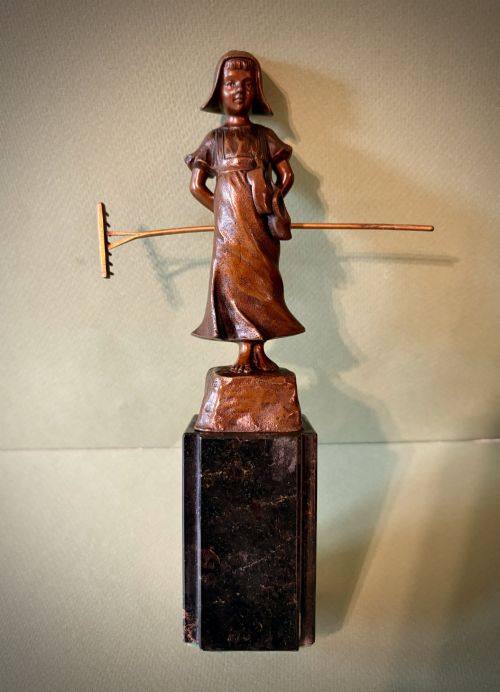
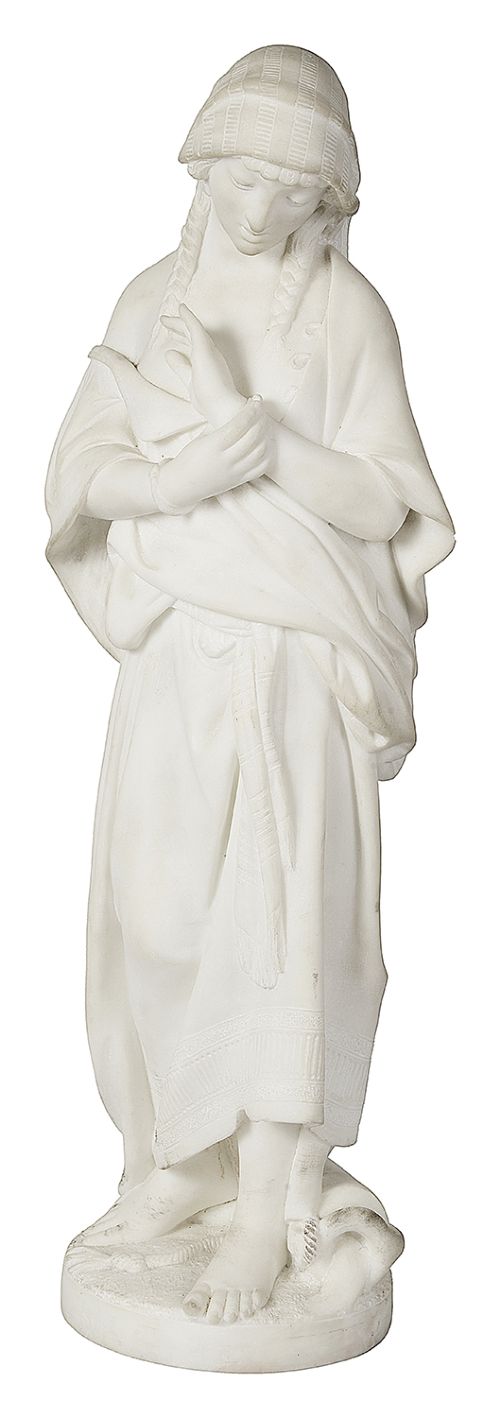
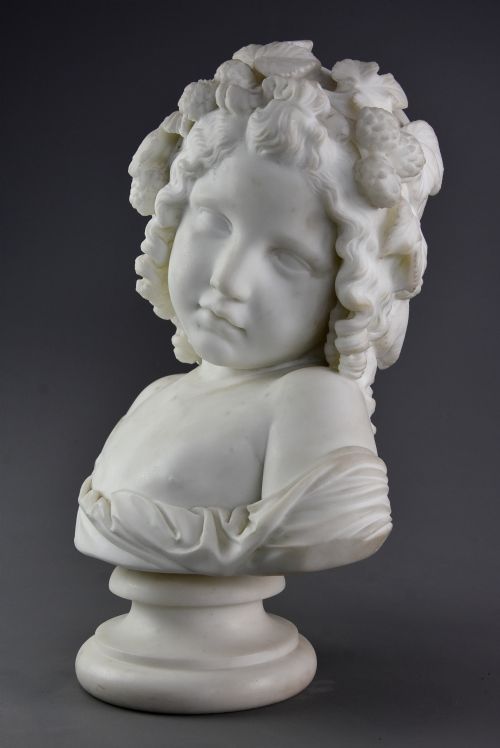
An antique marble girl figure captures youth in carved stone, ranging from nineteenth-century Italian school busts to early twentieth-century depictions. You find subjects holding flowers, mandolins, or resting as simple studies.
The material shifts from brilliant carrara marble to softer alabaster and onyx bases. Sculptors of the nineteenth century and the art deco period rendered these young figures in varying scales, from cabinet busts to substantial statues.
Works appear alongside bronze and spelter variants, yet the pure stone and mixed-media pieces dominate. Makers sign many of these figures, anchoring them to specific European workshops and named artists.
How they were made
Carvers shaped white marble and carrara marble using chisels, rasps, and abrasive sands to achieve smooth flesh and detailed drapery. Alabaster offered a translucent alternative that caught the light differently across the surface.
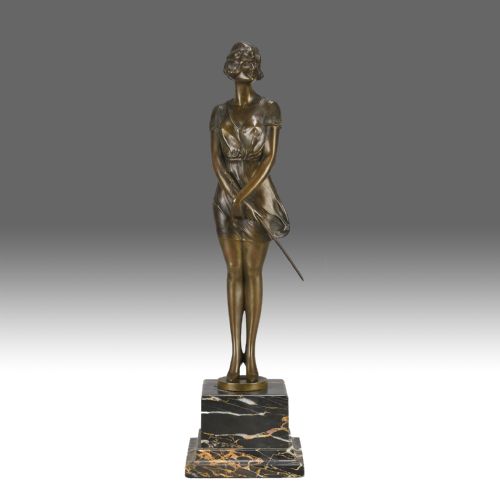
Bronze and patinated bronze figures frequently joined carved marble or onyx bases, combining cast metal with stone plinths. Guilders and patinators applied finishes by hand to bring warmth to the metals.
Listings feature works from the nineteenth century through the nineteen-thirties, spanning Victorian, art nouveau, and art deco styles in marble, bronze, and alabaster.
What varies in quality
Carving depth and anatomical precision separate the workshop output from master works. A finely articulated hand or subtle facial expression demonstrates the sculptor's command over the stone.
The choice of medium dictates the piece's weight and light-retaining properties, with dense carrara holding crisp lines better than softer alabaster. Signed bases and distinct patination on accompanying bronzes elevate the piece further.
Bruno Zach·H. Chiparus·Pierre Laurel·Alexandre Kelety·Geo Maxim
The Antique Marble Girl Figure Glossary
- Carrara marble
- A fine-grained, white or blue-grey stone quarried in Tuscany, prized for classical sculpture. It takes a smooth polish that imitates human skin.
- Alabaster
- A soft, translucent mineral often carved into portrait busts. Its porous nature allows light to penetrate just beneath the surface.
- Patinated bronze
- Metal treated with chemical solutions to produce a coloured surface layer. This process protects the bronze and adds visual depth.
- Spelter
- A zinc alloy used as an economical substitute for bronze. It accepts metallic paints and patinas to mimic more expensive materials.
- Ormolu
- Gilded bronze mounted onto marble sculptures and busts. The gold wash adds a contrasting metallic sheen to the stone.
Antique Marble Girl Figure: Frequently Asked Questions
How do I clean marble?
Dust the surface gently with a dry, soft cloth to remove everyday particles. Avoid household detergents and water, which can stain or dull the stone over time.
Consult a restorer if the piece requires deeper attention. Traditional stone benefits from minimal interference to preserve its historic finish.
How do I spot a signature?
Examine the lower edge of the marble base, the rear shoulder, or the bronze plinth for inscribed names and foundry stamps. Signatures often appear in script, cut directly into the material during creation.
Use a low-angled light source to help read faint incisions on worn stone surfaces.
Are these figures heavy?
Solid stone and marble compositions carry substantial weight relative to their size. Ensure your display surface supports the load securely before placing the sculpture.
Mixed-media pieces with bronze elements and stone bases require careful lifting from the base rather than the figure itself.