


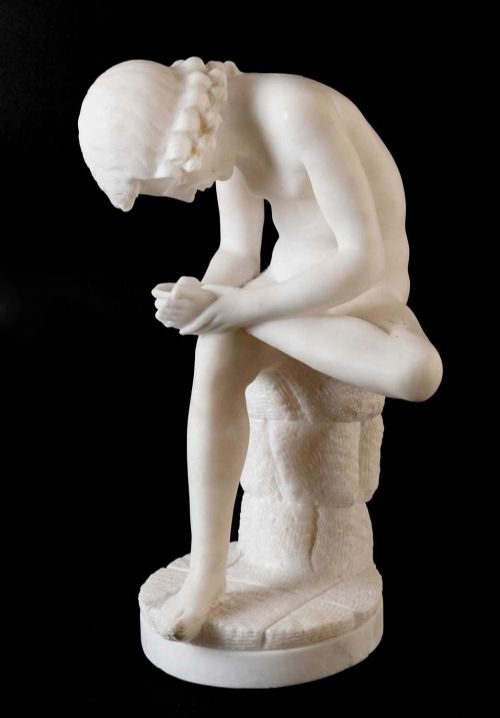

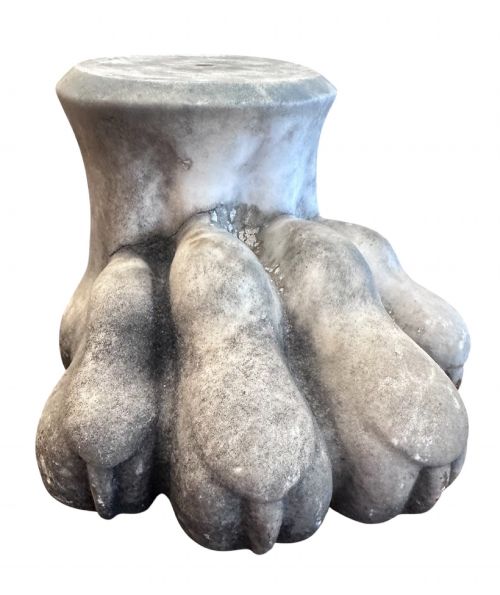
Italian Carved Stone Sculpture
Italian carved stone sculpture brings classical antiquity and neoclassical mastery directly into your interior, offering tangible art history through carved marble, alabaster, and serpentine.
Italian Carved Stone Sculpture
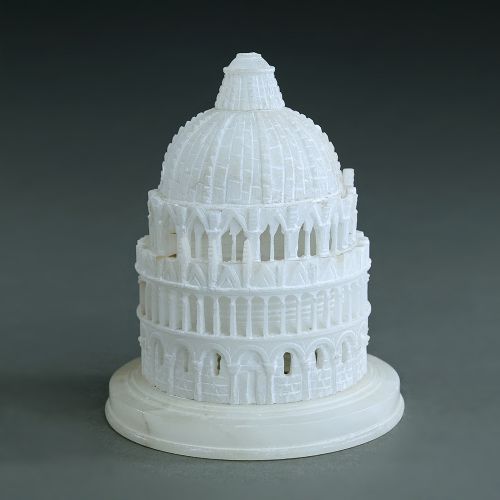
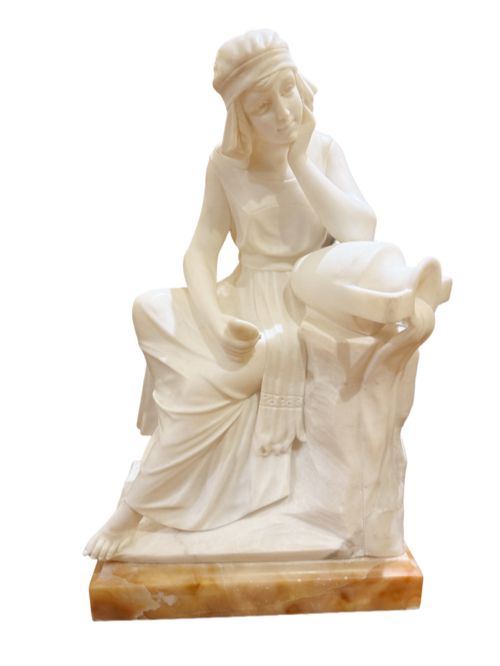
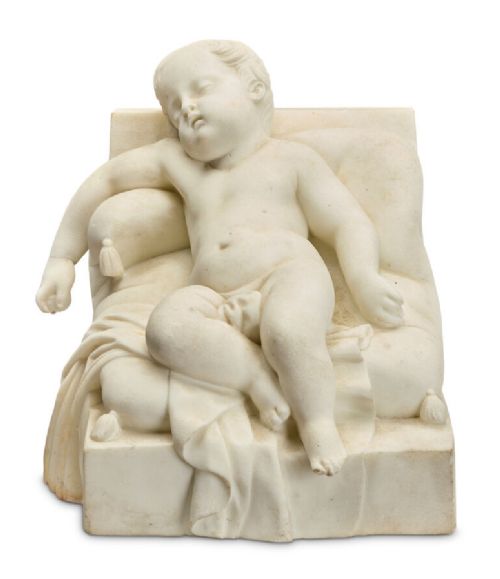
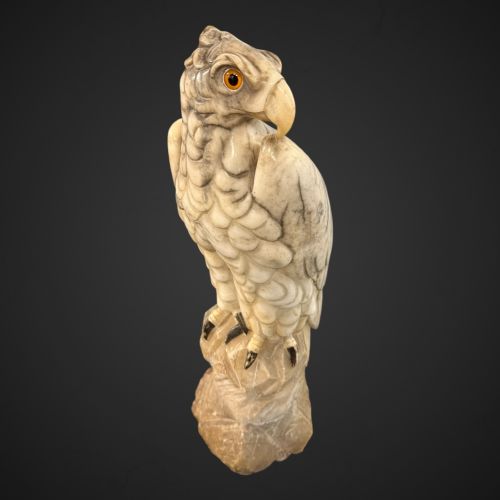
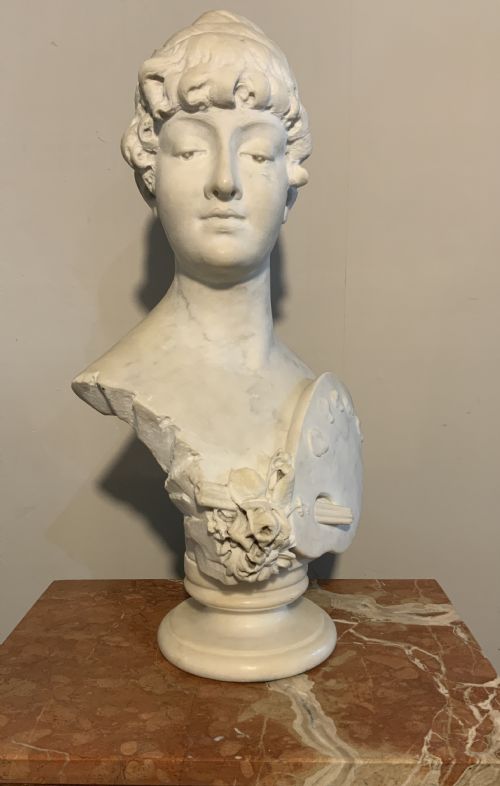
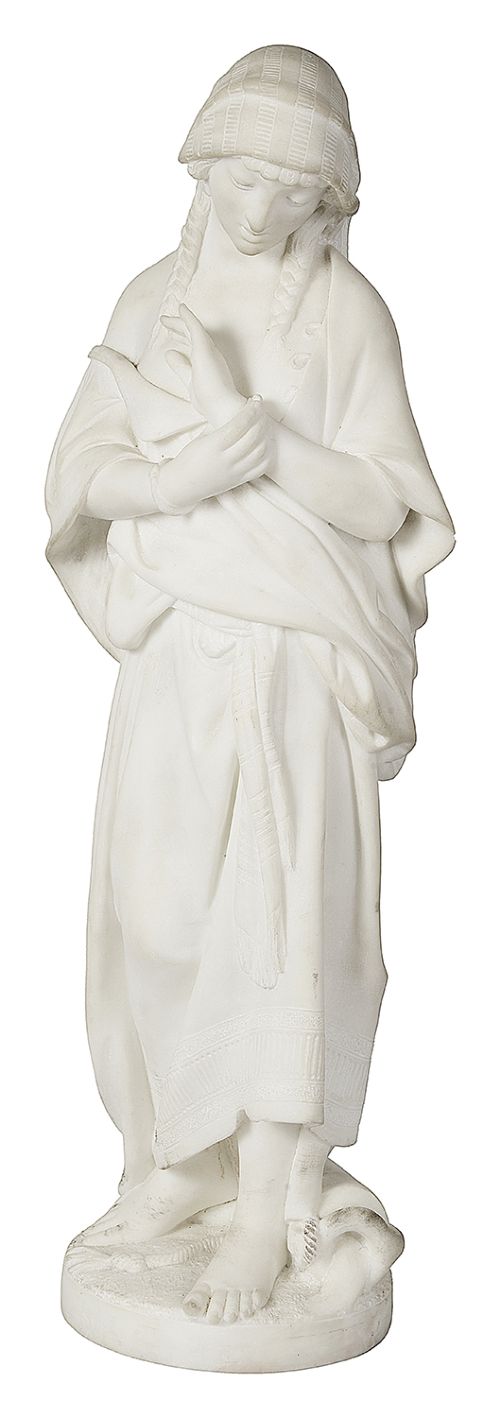
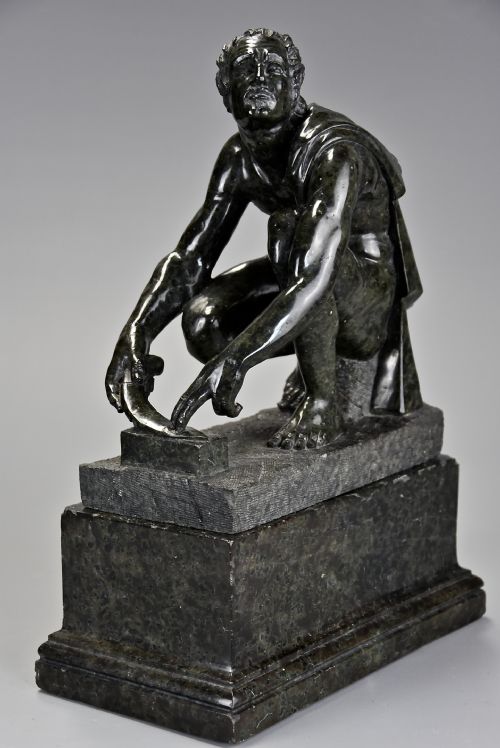
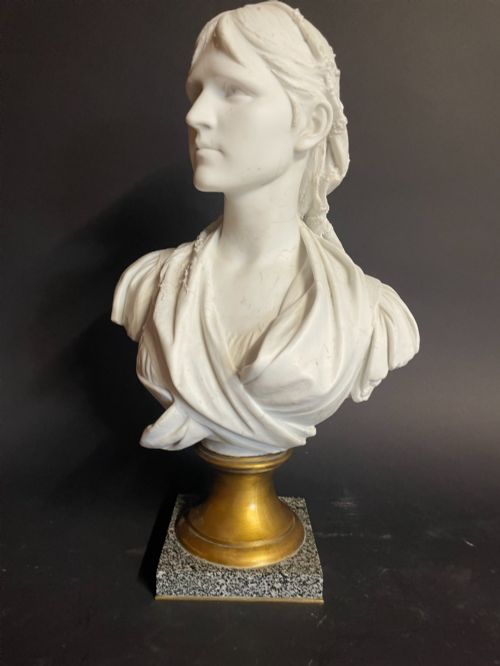
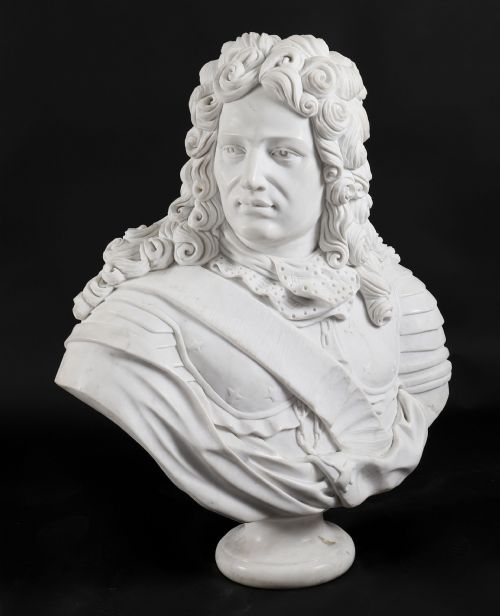
When you search for italian carved stone sculpture, you encounter diverse physical forms ranging from small Grand Tour souvenirs and library busts to life-sized garden statuary and architectural fragments. The nineteenth century yields the highest volume of surviving pieces, particularly items tied to classical revival movements, mythological subjects, and historical figures.
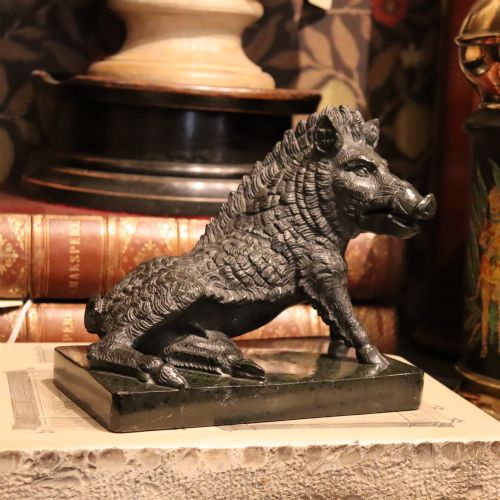
The objects span specialised categories such as animal figures after the antique, portrait busts, columns, and pedestals. Works draw heavily upon Italian artistic traditions from seventeenth-century crests and heads to nineteenth-century interpretations by named sculptors.
Grand Tour pieces dominate the material record, reflecting European travel culture. These smaller works replicate famous museum antiquities for collectors, while larger garden lions and architectural elements served grand estates.
Materials and Technique
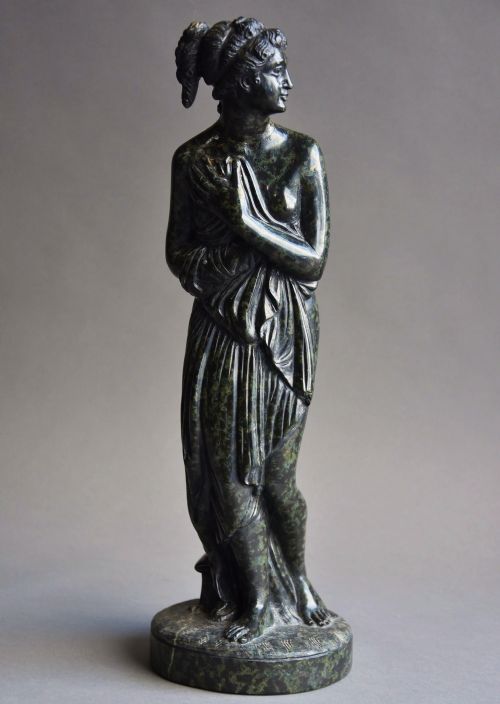
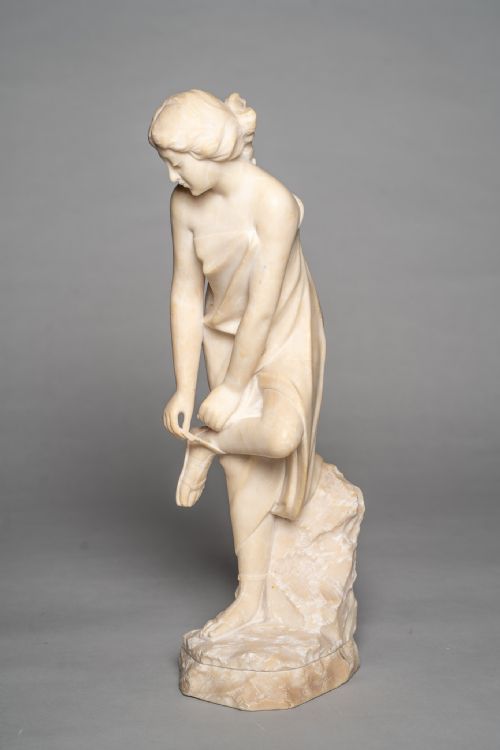
Makers shaped these pieces primarily from varieties of marble, including Carrara, serpentine, verde antico, and veined dark stones. Alabaster appears frequently for softer, translucent figures, while scagliola provided alternative surfaces for pedestals.
Artisans employed traditional hand-carving techniques, utilising chisels and rasps to refine anatomical details, drapery, and textures. Many surviving pieces bear signatures or attribution to notable workshops, indicating skilled studio production.
Canine subjects include the muscular Florentine boar and the classical Dogs of Alcibiades, proving stone carvers loved dogs as much as heroes.
Evaluating Execution
Quality rests upon the sensitivity of the carving, distinguishing mechanical reproductions from works displaying acute anatomical precision and textural contrast. Master carvers captured subtle shifts in muscle, expression, and fabric fold.
The choice and inherent grain of the raw stone dictate the visual impact, with select veined marbles and unblemished alabasters elevating a piece. Signatures from established sculptors distinguish workshop output from anonymous studio output.
Barranti Florence·Antonio Canova·R Mattei·A Gamay·Pugi·Eduardo Giolli·P Della Vedova·Ferdinando Vichi·Gugielmo Pugi
The Italian Carved Stone Sculpture Glossary
- Grand Tour
- A traditional trip of Europe undertaken by upper-class young European men of means in the 18th and 19th centuries. Pieces brought back from these travels often replicated classical antiquities.
- Carrara Marble
- A type of white or blue-grey marble quarried in the city of Carrara in Tuscany. It is widely used in Italian sculpture for its fine, uniform grain.
- Serpentine Marble
- A green, mottled stone resembling snakeskin used by Italian sculptors. It provides distinct coloration in Grand Tour animal and figure studies.
- Scagliola
- A composite material made from selenite, glue, and pigments used to imitate marble and other stonework. It appears on pedestals and architectural supports.
- Verde Antico
- A dark green serpentine breccia marble historically quarried in Greece and utilised in Italy. It yields rich tonal contrast in columns and architectural elements.
Italian Carved Stone Sculpture: Frequently Asked Questions
What is a Grand Tour sculpture?
These are smaller-scale replicas of famous classical statues produced in Italy during the nineteenth century. Wealthy travellers purchased them as souvenirs of their cultural education.
They allowed collectors to bring museum-quality antiquities into private libraries and drawing rooms. The subjects usually drew from ancient Roman and Greek mythology.
How do I care for marble sculpture?
Keep stone pieces away from direct heat sources and sudden temperature shifts to prevent micro-fracturing. Dust them regularly with a dry, soft cloth.
Avoid commercial chemical cleaners, which can strip polished finishes. Professional conservation wax can be applied very sparingly to protect the stone surface.
What is the difference between marble and alabaster?
Marble is a hard metamorphic rock formed from limestone, capable of taking a high gloss polish and withstanding outdoor elements. Alabaster is a softer mineral stone known for its translucent quality.
Alabaster is generally unsuited for exterior garden placement due to its sensitivity to moisture. Its softness allows for intricate undercutting in interior portrait busts.
How were these sculptures displayed?
Period pieces stood upon dedicated marble columns, carved stone pedestals, or scagliola plant stands to elevate them for viewing. They anchored domestic interiors, grand hallways, and landscaped gardens.
Pairing sculptures with matching pedestals or torcheres was common practice in nineteenth-century drawing rooms. Garden statuary required heavy plinths to support their substantial weight.