




Carved Stone Maiden Figure
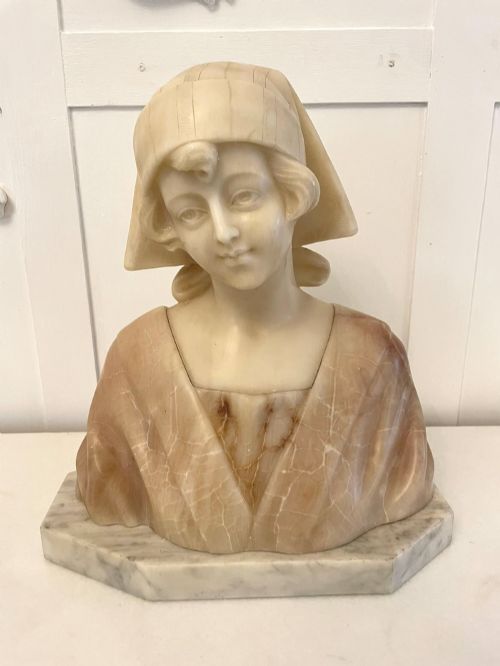
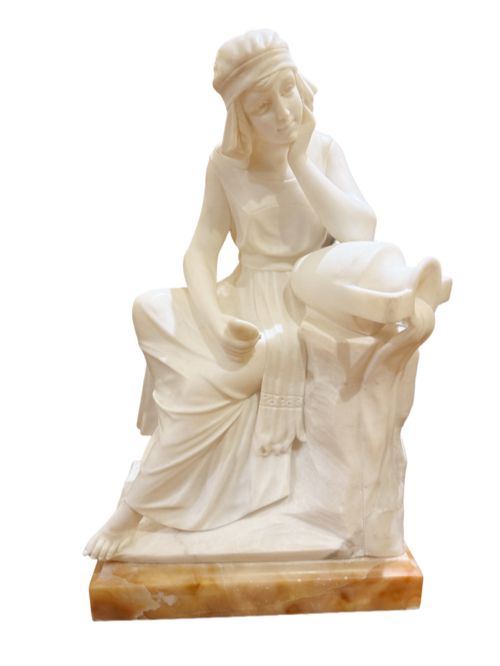
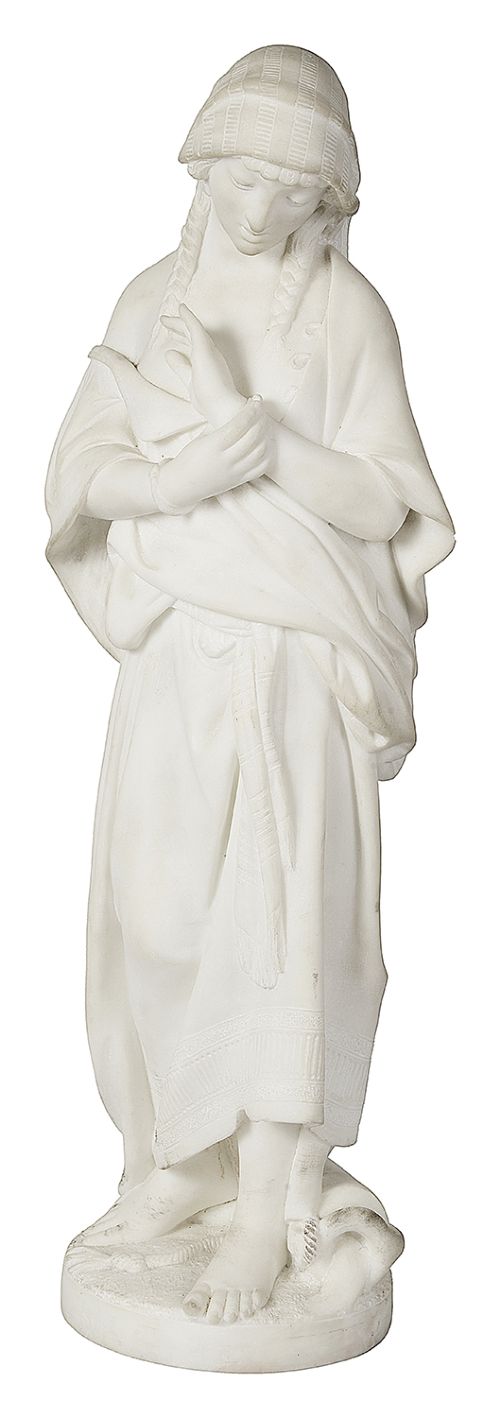
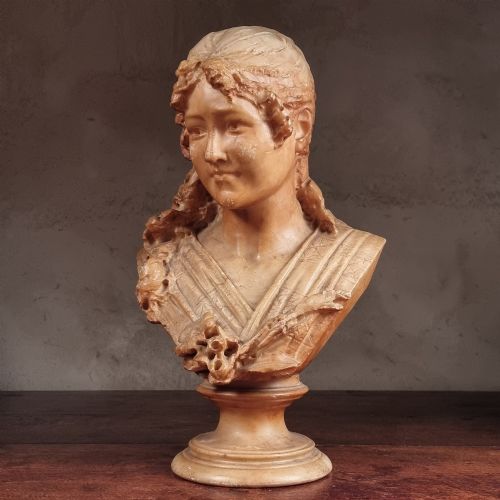
These carved stone maiden figure works are expressive sculptural portraits and figures that bring classical elegance into any interior.
Carved Stone Maiden Figure
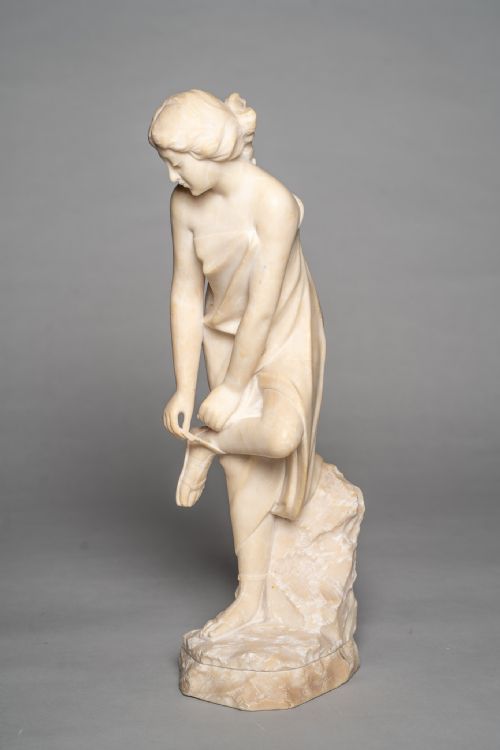
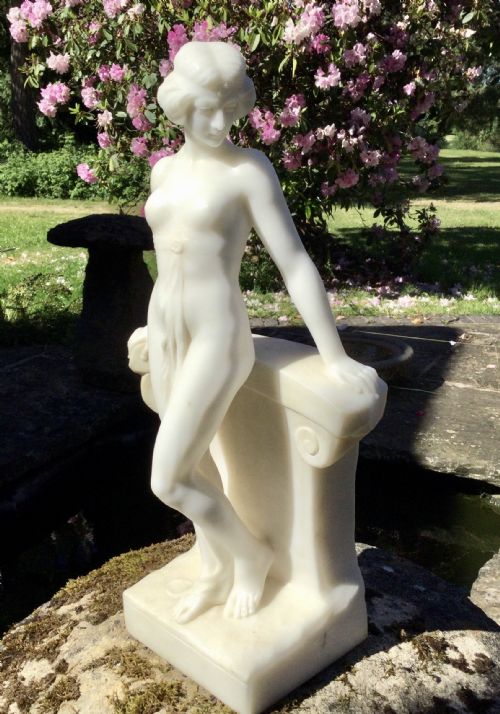
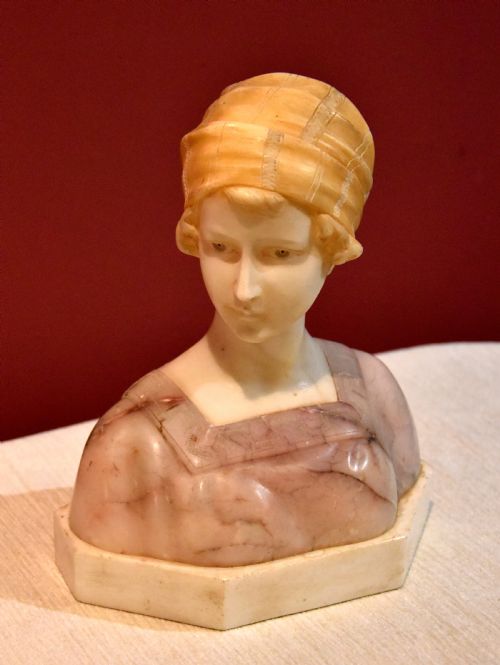
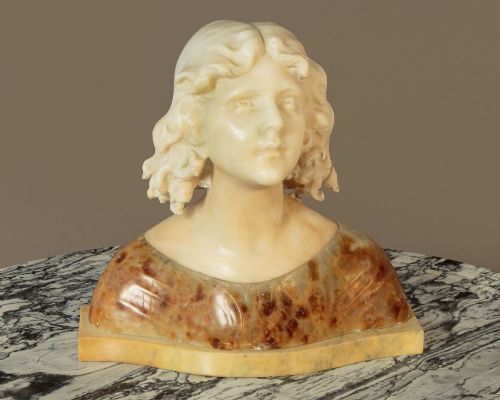
A carved stone maiden figure represents a sculptural depiction of a woman, frequently rendered as a bust or a full statue. You will encounter various portrayals ranging from classical maidens and young girls to specific allegorical subjects holding items like flowers, mandolins, or wheatsheaves.
The pieces available originate primarily from nineteenth-century European traditions, particularly Italian and French workshops, alongside Victorian interpretations and occasional Chinese carved stone figures. Marble and alabaster dominate the selection, offering smooth surfaces and intricate detailing that capture drapery and expression.
Forms vary from grand portrait busts on integral plinths to full-length statues depicting young women standing in pools or classical attire. Most examples reflect revivalist movements such as Neoclassical, Victorian, and Art Nouveau aesthetics.
Assessing quality and execution
The choice of medium dictates much of the visual impact, with flawless white Carrara marble and translucent alabaster commanding greater regard than coarser stone variants. Signatures by recorded sculptors add an authenticated layer of craftsmanship that elevates the standing of the work.
Several figures hold wheatsheaves or mandolins, ensuring these stone maidens are perpetually prepared for an impromptu harvest or musical recital.
Barranti Florence·A Gamay·Auguste Henri Carli·Eduardo Giolli·Gugielmo Pugi·Auguste Moreau
The Carved Stone Maiden Figure Glossary
- Alabaster
- A fine-grained, soft stone often used for detailed portrait busts and sculptures due to its translucency. It permits subtle effects of light beneath the polished surface.
- Carrara Marble
- A type of white or blue-grey marble from the mountains of Carrara in Italy, prized by sculptors for its purity and uniform texture.
- Portrait Bust
- A sculpted representation of a person from the chest or shoulders up. This format focuses attention on facial expression and hairstyle.
- Art Nouveau
- A stylistic movement from around nineteen hundred characterised by flowing, organic lines and natural forms. Statues from this period often depict women with long, cascading hair.
- Grand Tour
- A traditional trip through Europe undertaken by upper-class young men in the eighteenth and nineteenth centuries. Travellers frequently purchased small marble and alabaster sculptures as souvenirs.
Carved Stone Maiden Figure: Frequently Asked Questions
Where should I display a marble bust?
Place your bust on a sturdy pedestal, console table, or heavy sideboard where it can be viewed from multiple angles. Ensure the supporting furniture matches the weight and classical proportion of the stone.
Keep the sculpture away from direct sunlight and high-traffic areas where accidental knocks might chip the delicate edges of the stone.
How do I clean alabaster sculptures?
Dust alabaster gently using a soft, dry brush or a clean microfiber cloth to prevent surface scratching. Avoid using water or liquid cleaners, as alabaster is porous and dissolves slightly in moisture.
Professional conservation is recommended for removal of deep grime or stubborn marks to protect the original polished finish.
What is the difference between marble and alabaster?
Marble is a hard metamorphic rock formed from limestone, capable of taking a high gloss and resisting most minor impacts. Alabaster is a softer mineral that offers a distinctive waxy translucency.
You can often test relative hardness by noting how easily the stone accepts fine detail or responds to environmental wear.
How can I date a stone maiden figure?
Examine the style of the hair, drapery, and signature formatting to establish the historical period of the carving. Neoclassical and Victorian pieces often show formal restraint, while Art Nouveau examples embrace asymmetric flowing lines.
Base construction and the presence of artist signatures or foundry marks further clarify the era of production.