

Antique Mantle Urns
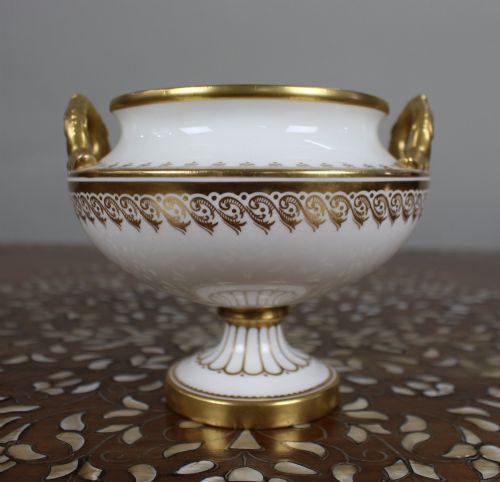
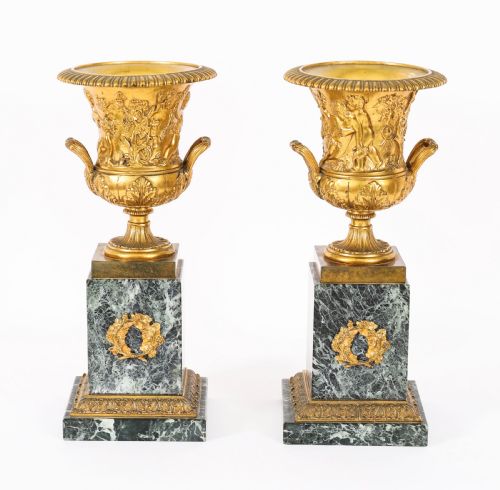
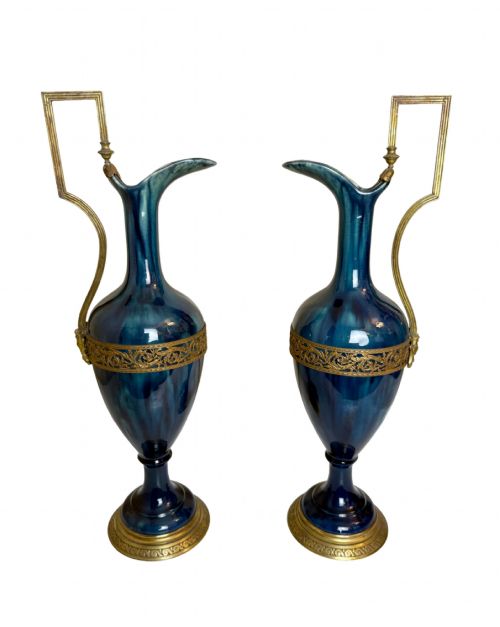
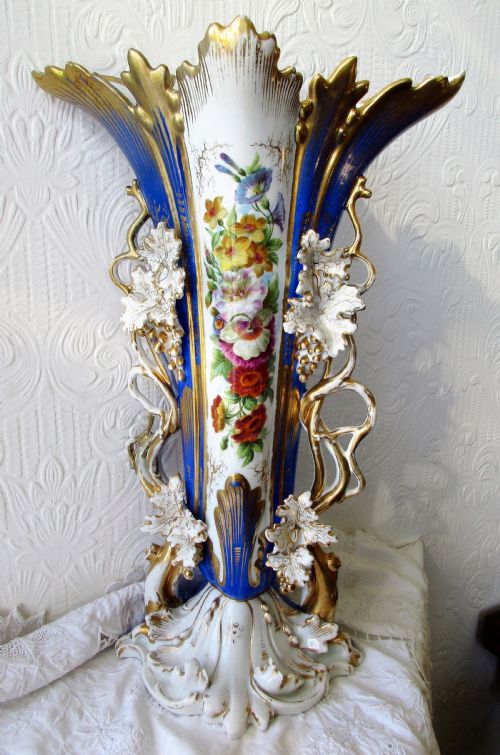
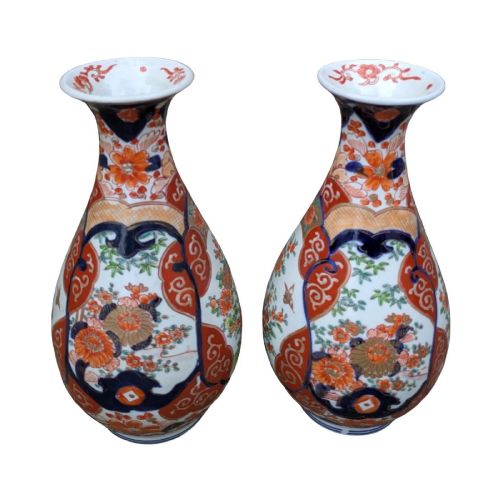
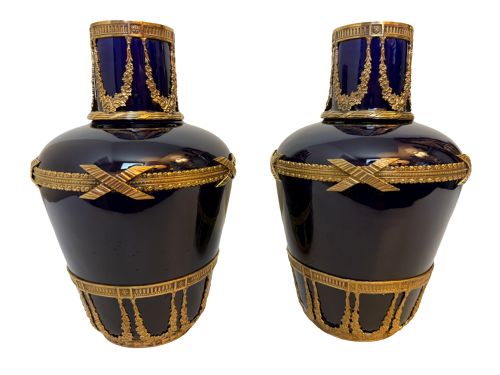
These antique mantle urns bring formal symmetry to a room, combining painted porcelain, marble and gilt bronze in balanced pairs.
Antique Mantle Urns
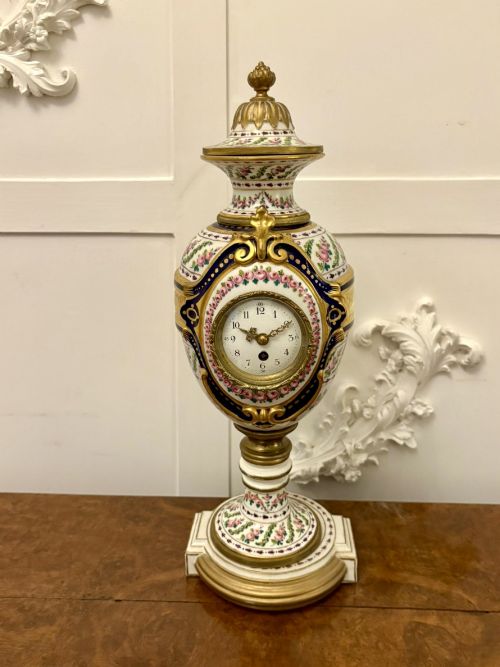
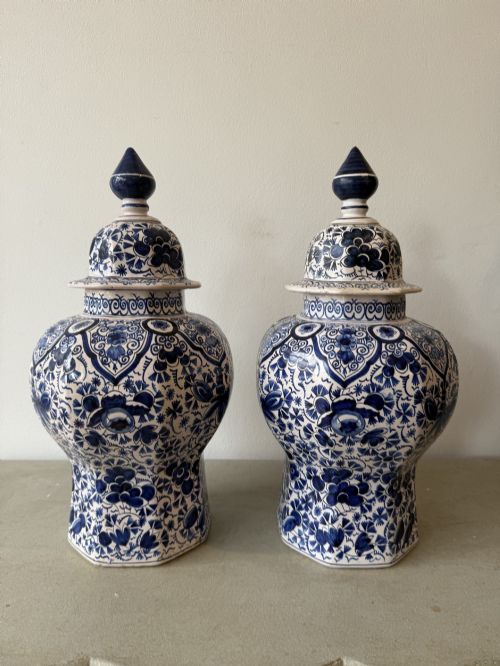
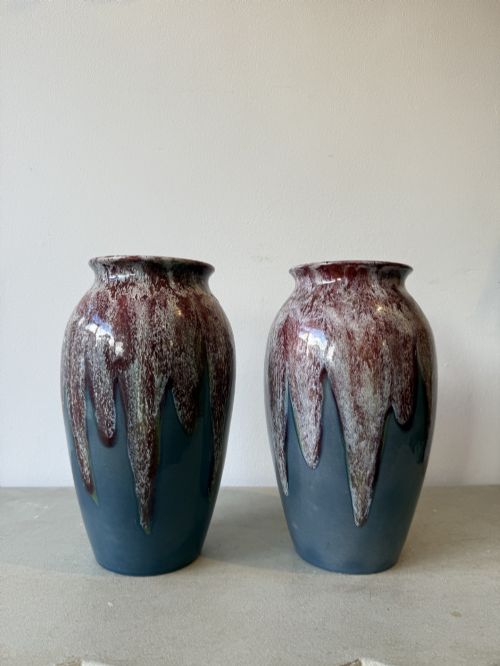
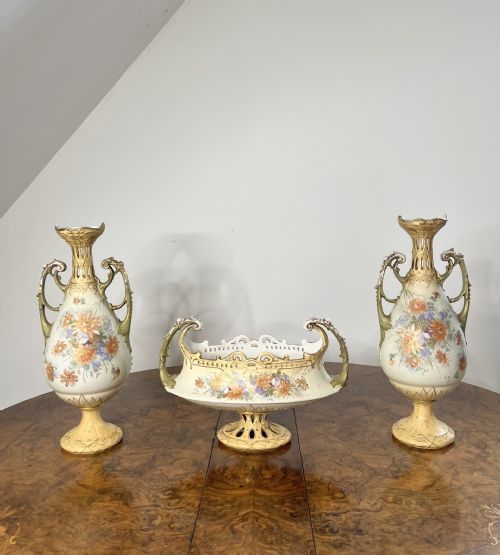
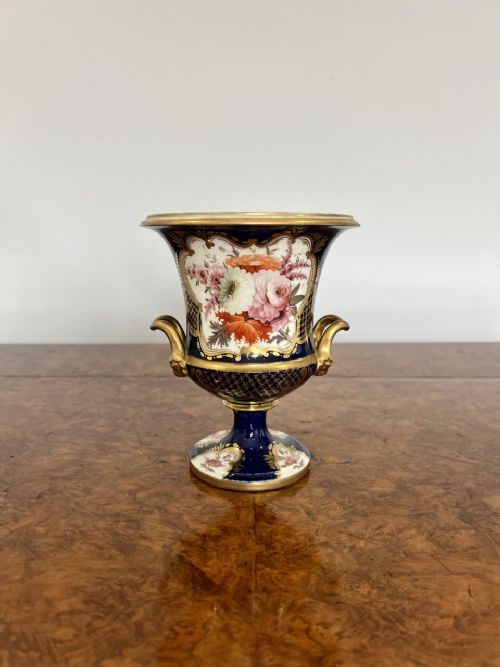
When you search for antique mantle urns, you encounter decorative vessels and garniture sets designed to sit upon a fireplace shelf or console. The selection consists largely of nineteenth-century porcelain, glass and earthenware pieces, often found as matched pairs or three-piece clock garnitures.
The forms originate from French Rococo Revival, Neoclassical and Victorian design traditions. Many incorporate handles, lids or wide rims, drawing on classical shapes adapted for nineteenth-century domestic display.
Makers and factories across England, France, Germany and Japan contributed to these styles, producing hand-painted porcelain and glazed ceramics that reflect the decorative tastes of the Victorian and Edwardian periods.
How they were made
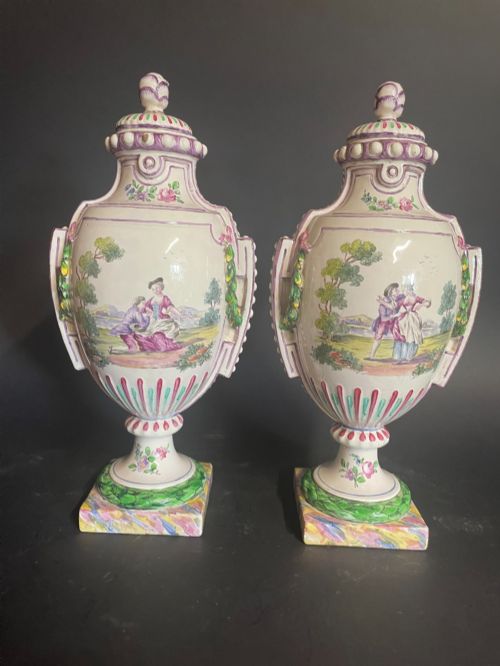
Potters shaped porcelain, earthenware and glass bodies on the wheel or in moulds before applying enamel paints, gilding and hand-painted scenes. Factories like Royal Worcester and various Continental works utilised intricate hand-finishing techniques.
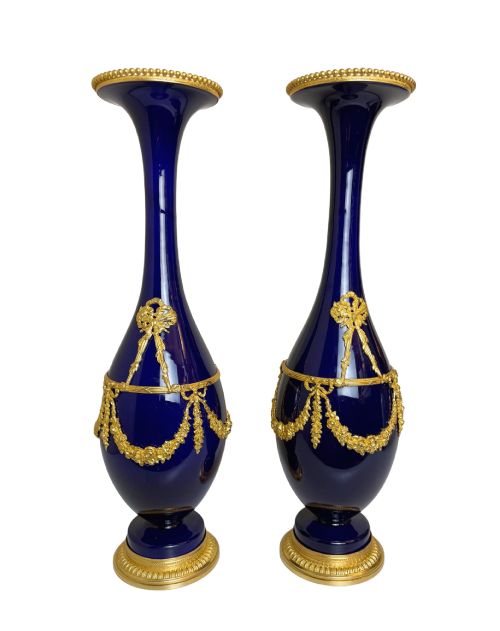
Metal mounts in gilt bronze, ormolu and brass provide structural framing and decorative trim. These metal elements were cast, chased and fire-gilded before being fitted to marble bases and ceramic bodies.
Listings feature nineteenth-century porcelain, glass and earthenware, spanning Victorian, Edwardian and Neoclassical styles.
What varies in quality
The fineness of the hand-painted detail and the crispness of the gilding separate standard production from exceptional pieces. Superior examples display subtle colour shading and precise brushwork on floral or figural subjects.
The weight and finish of the metal mounts dictate the overall calibre of a garniture. Heavy, finely chased gilt bronze or ormolu mounts indicate a higher standard of manufacture than lightweight brass pressings.
Royal Worcester·Royal Vienna·Spode·Doulton Lambeth·Royal Crown Derby·Vion et Baury
The Antique Mantle Urns Glossary
- Garniture
- A set of matching decorative vessels, usually comprising a central clock or large urn flanked by smaller matching vases. These sets were designed to sit symmetrically on a mantelpiece.
- Ormolu
- Finely chopped high-karat gold applied to a bronze base using a mercury amalgamation process. This technique gives the metal mount a warm, durable golden lustre.
- Bisque
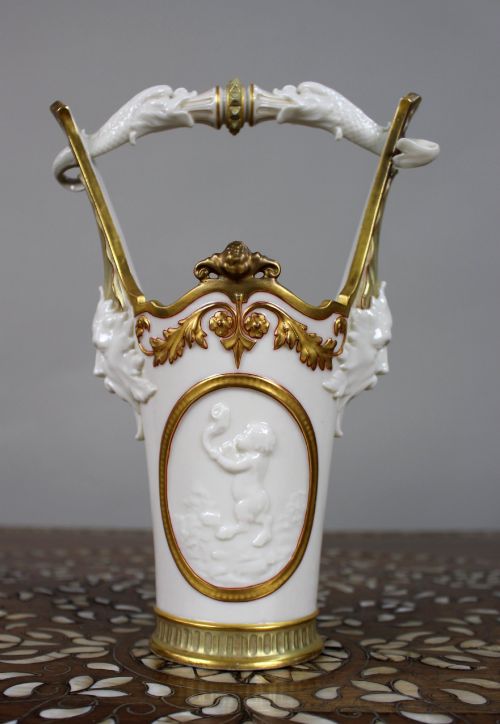
- Unglazed porcelain that has been fired once, possessing a matte, stone-like texture similar to marble. It was frequently used for nineteenth-century figurative vases and decorative figures.
Antique Mantle Urns: Frequently Asked Questions
What is a clock garniture?
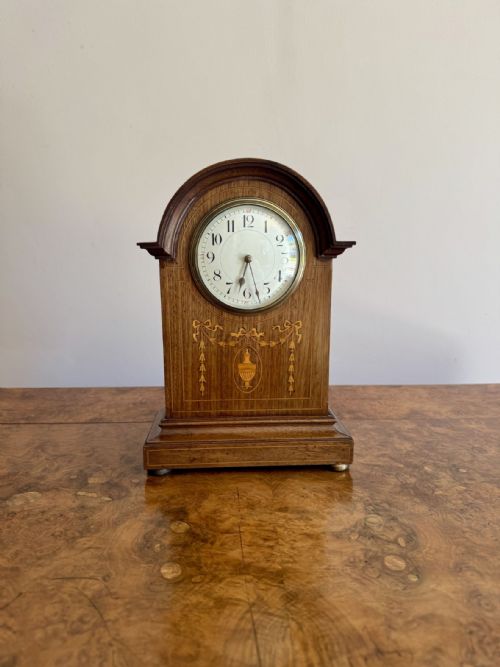
A clock garniture is a matching set of three pieces placed together on a mantelpiece. It consists of a central clock accompanied by two matching side urns or vases.
These sets were arranged symmetrically to create a formal decorative display in nineteenth-century interiors.
How do I style mantle urns?
Mantle urns are traditionally placed on a fireplace mantel, sideboard or console table. Pairs look best when arranged symmetrically on either side of a central object like a mirror or clock.
Ensure the scale of the urns matches the width of the mantel shelf so they do not crowd the space.
What materials are common?
These decorative pieces frequently combine porcelain, glass and earthenware with metal mounts. Ormolu, gilt bronze and brass provide structural trims around ceramic bodies.
Many examples also incorporate marble bases, particularly in nineteenth-century French garnitures and clock sets.
How do I identify the period?
Dating relies on stylistic clues such as the revival style, glaze types and manufacturing marks. Nineteenth-century pieces often reflect French Empire, Louis XVI or Victorian aesthetic preferences.
Factory stamps, painted signatures and registration marks on the underside help narrow down the specific decade of production.