
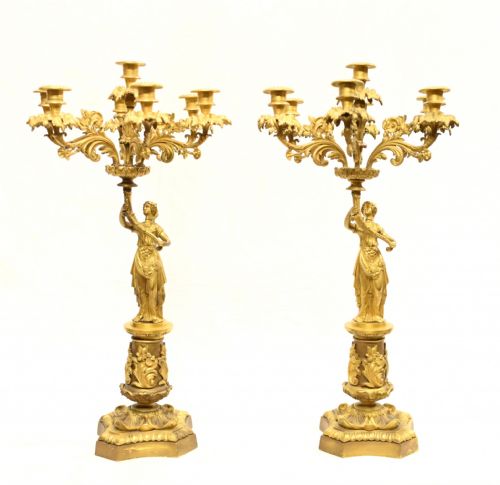


Antique Mantelpiece Candlesticks
Antique mantelpiece candlesticks bring sculptural metalwork and glowing crystal to a hearth, offering period illumination for a traditional interior.
Antique Mantelpiece Candlesticks
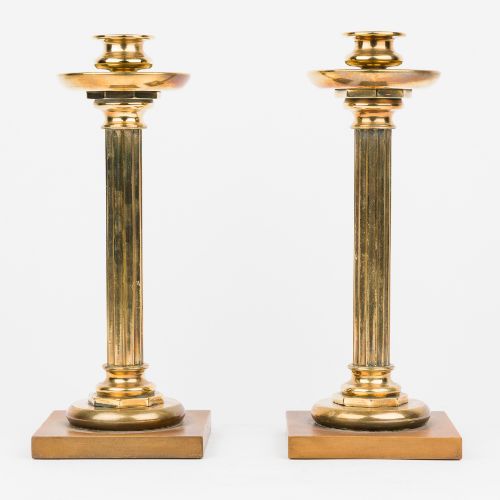
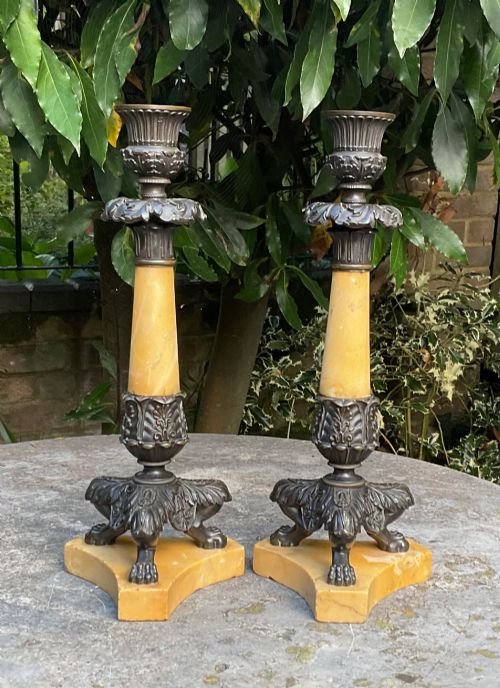
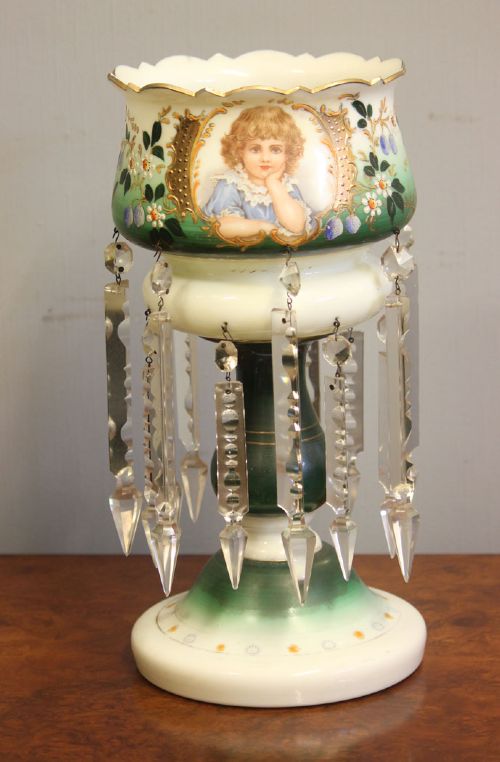
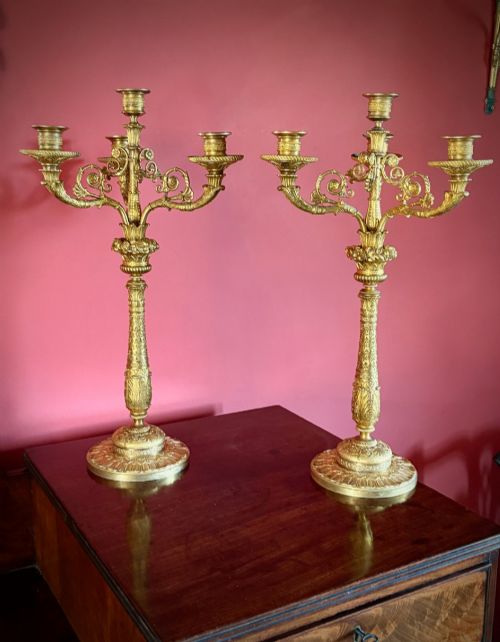
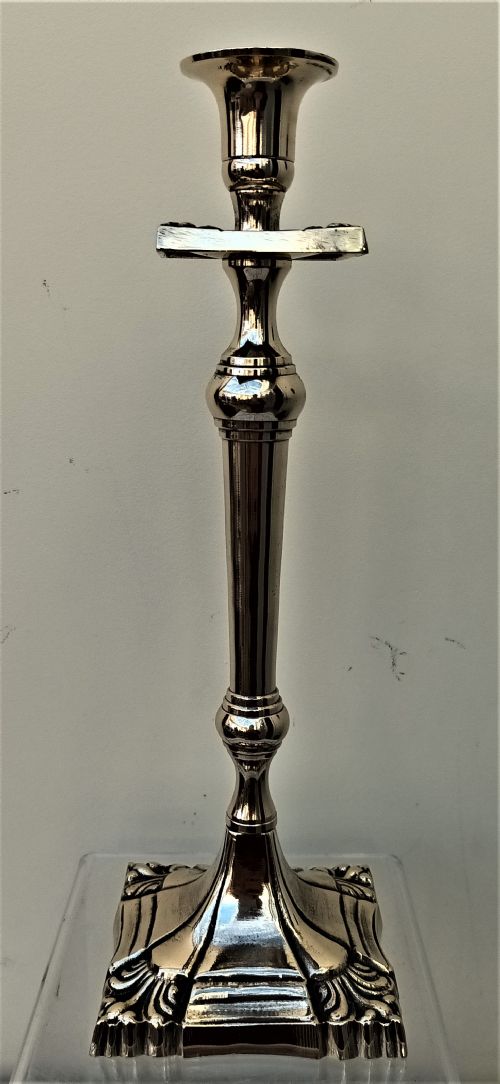
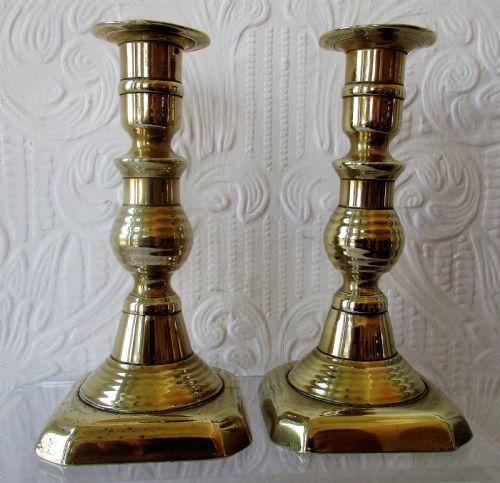
These antique mantelpiece candlesticks span the Regency, Victorian, and late nineteenth-century periods, taking the form of pairs designed to balance each end of a fireplace shelf. The selection includes simple brass columns alongside elaborate figural bronzes, multibranch candelabra, and glass-hung lustres.
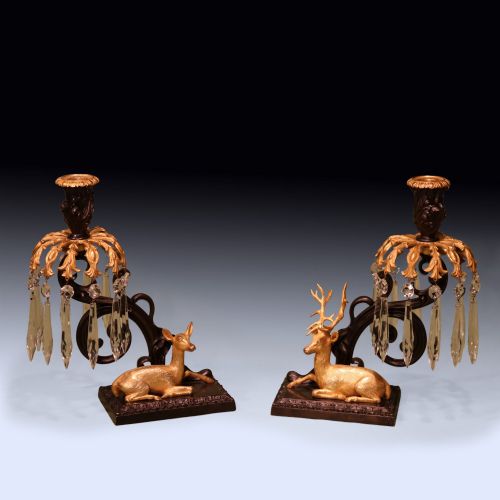
Makers drew on French Rococo Revival, Louis XVI, and Neoclassical styles, resulting in symmetrical pairs incorporating stags, griffins, cherubs, and soldiers. Buyers frequently encounter nineteenth-century English brass alongside heavier French gilt bronze and marble combinations.
Many examples double as table garnitures, sitting alongside matching clocks or serving as standalone decorative objects on sideboards. The dominant format is the paired set, intended to create visual symmetry within formal nineteenth-century room schemes.
Materials and construction methods
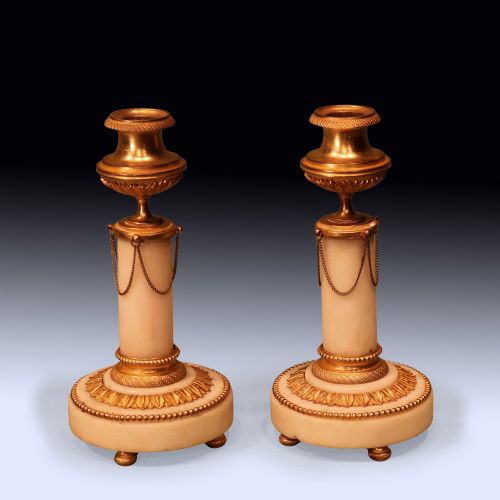
Foundry workers utilised lost-wax and sand-casting techniques to shape bronze, brass, and ormolu into complex figures and scrolling arms, finishing the metal surfaces with fire-gilding or patination. Heavier bases often incorporated turned white marble, onyx, or mahogany to anchor the upright composition.
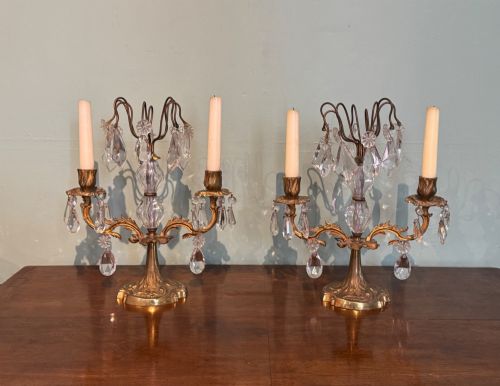
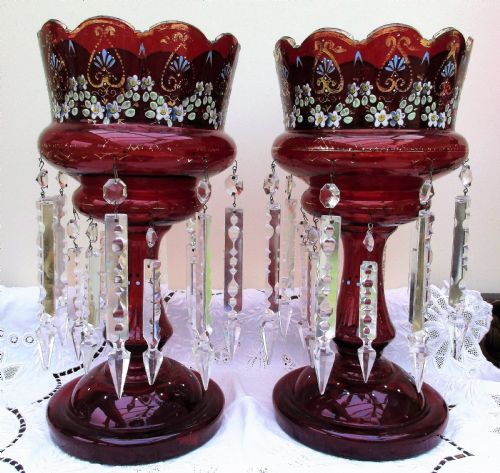
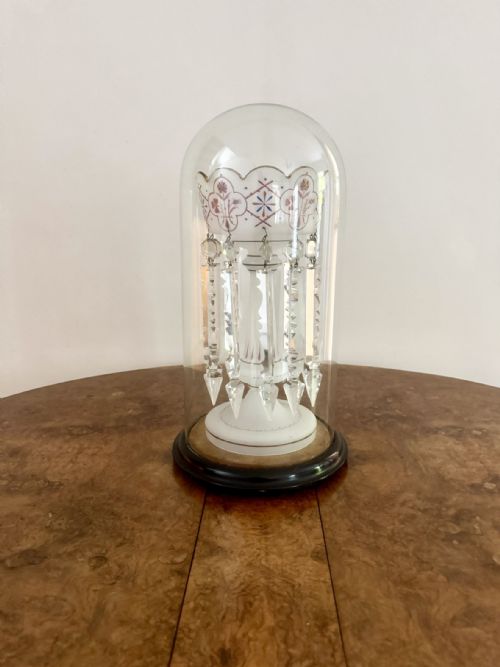
Glass components, including ruby glass, opaline, and clear cut glass, were blown and hand-faceted before being hung with crystal pendants on wire loops. Silver plate and copper also appear, demonstrating the range of metallic finishes applied over cast metal cores.
Stags, does, griffins, and Renaissance soldiers stand guard over these candleholders, turning a simple hearth into a theatrical menagerie.
The spectrum of execution
The integrity of the construction depends on how securely the nozzles, drip pans, and stem sections screw or pin together. Superior examples retain their original mercury gilding and complete sets of matched crystal lustres without replacement drops.
Claude Clodion·Finnigan Manchester
The Antique Mantelpiece Candlesticks Glossary
- Ormolu
- Gilt bronze produced by applying a mercury and gold amalgam to a bronze base and firing it in a kiln. This technique creates a rich, durable golden surface seen on French and English decorative metalwork.
- Lustre
- A type of candlestick or candelabrum hung with cut glass pendants designed to reflect candle flame. They frequently incorporate glass domes or coloured glass bodies.
- Candelabra
- A branched candlestick holding multiple candles on separate arms. They often share stylistic traits with single candlesticks from the same period.
- Garniture
- A set of ornamental objects designed to be displayed together on a mantelpiece, commonly comprising a central clock flanked by matching candlesticks or candelabra.
- Spelter
- An alloy of zinc and lead used as a less expensive alternative to bronze for cast sculptural figures. It takes paint and patination well to simulate heavier metals.
Antique Mantelpiece Candlesticks: Frequently Asked Questions
How do I clean antique brass and bronze candlesticks?
Dust metal surfaces gently with a soft dry cloth to remove surface particles without disturbing the underlying patination. Avoid harsh chemical polishes that strip historical finishes and reduce the visual depth of the metal.
For glass lustres, detach any crystal pendants and wash them in lukewarm soapy water before drying them thoroughly with a lint-free cloth. Reattach the drops carefully using their original wire loops to maintain the piece's integrity.
Were these pairs originally meant for lighting?
Candlesticks and candelabra served as primary sources of domestic illumination before the widespread adoption of gas and electric lighting. They were positioned on mantelpieces to cast flickering light across the room and reflect off mirrors.
Over time, many of these metal and glass pieces transitioned into purely decorative objects for the hearth. Some examples have later been adapted to house electrical fittings while retaining their antique bases.
How can I distinguish Regency from Victorian pieces?
Regency items typically display restrained Neoclassical lines, clean column forms, and severe bronze or brass styling influenced by ancient Roman design. They tend to emphasise architectural geometry over heavy ornamentation.
Victorian pieces embrace more exuberant revival styles, incorporating French Rococo curves, figural animals, and colourful glass bodies. The casting on Victorian examples is often heavier and more florid in its decorative program.