

Antique Mantel Sculptures
Antique mantel sculptures bring architectural grace and figurative character to a room, ranging from 19th-century bronze casts to Art Deco dancers.
Antique Mantel Sculptures
When searching for antique mantel sculptures, collectors encounter a diverse array of decorative objects designed to sit upon fireplace ledges, sideboards and consoles. These pieces span several centuries, with a strong representation of 19th-century European foundry work and early 20th-century modern designs.
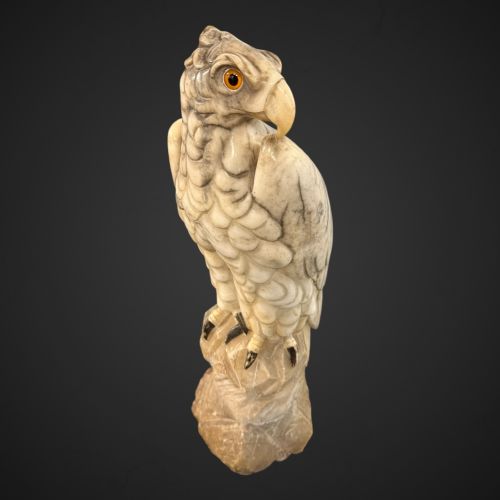
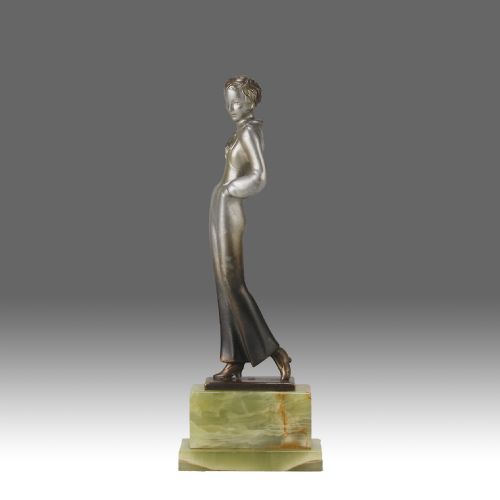
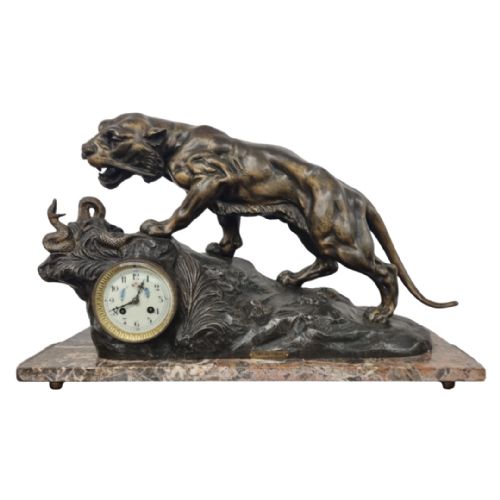
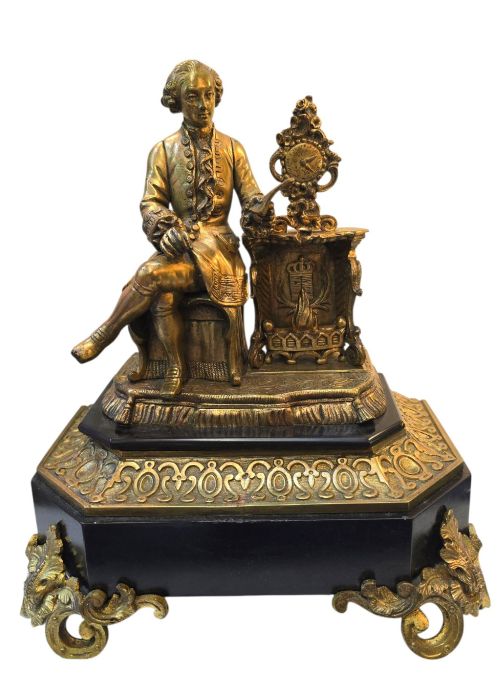
Most frequent among these are cabinet bronzes set on marble plinths, spelter dancers from the 1930s, and carved marble or stone ornaments. Buyers will find works originating from French, English, Italian and Japanese makers, reflecting varied regional aesthetics from the Victorian and Art Deco periods.
Materials and methods of construction
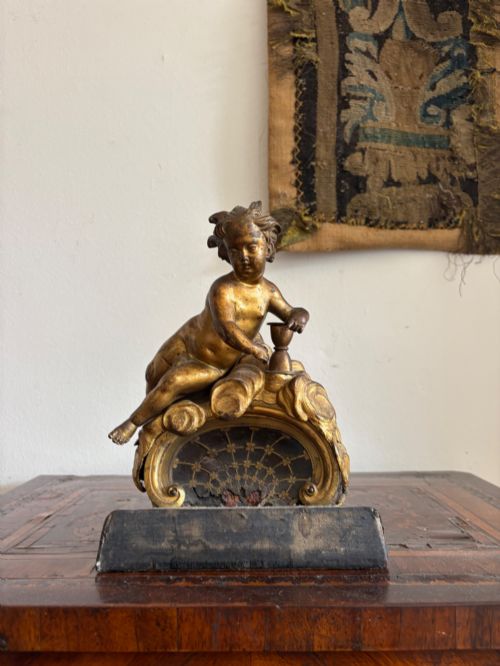
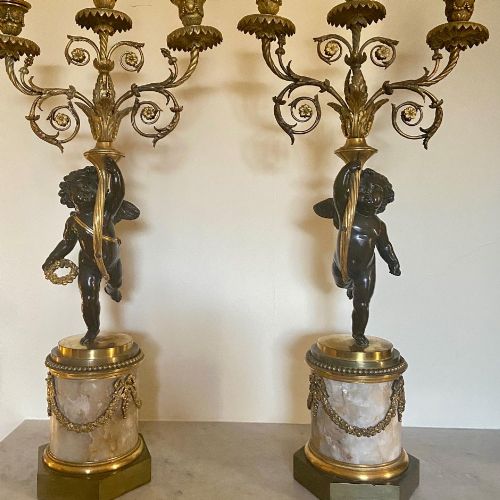
Foundries utilised traditional techniques such as the lost-wax method, known as cire perdue, alongside sand casting to shape molten bronze, brass and ormolu. These metal components often received a hand-applied patination, ranging from deep brown to golden hues, which was sometimes accented with cold painting or enamel.
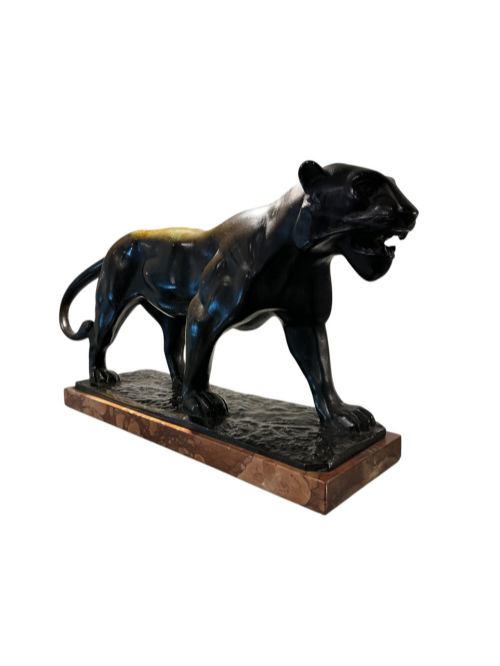
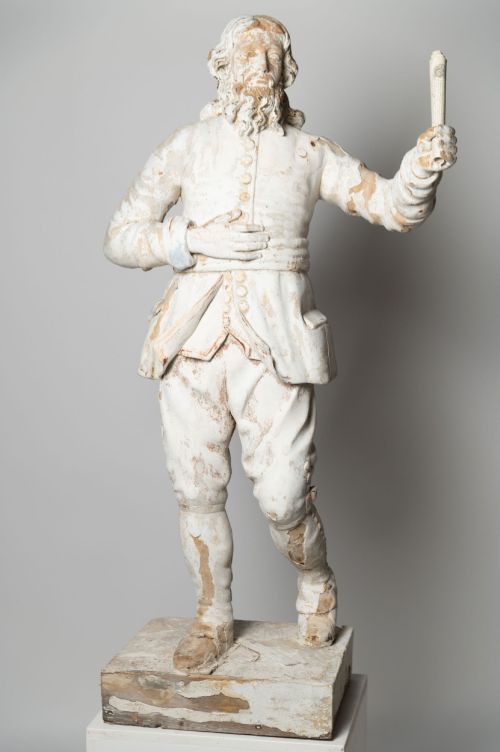
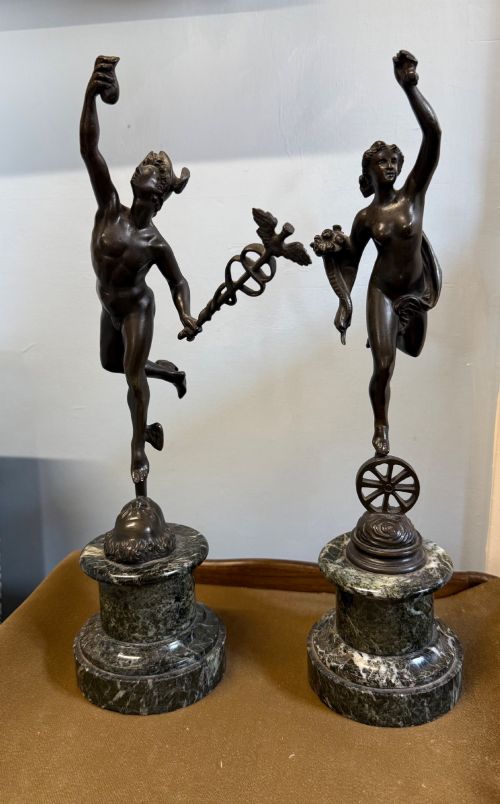
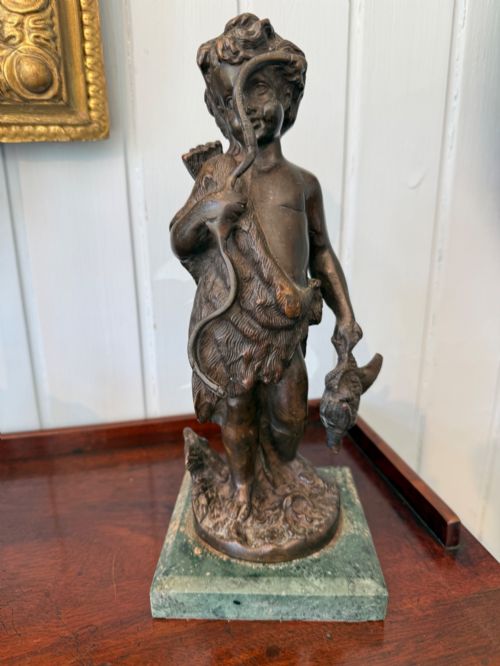
Many figurative bronzes and metal animals are mounted directly onto heavy bases formed from veined marble, slate or onyx, providing stability for display on a mantelpiece. Sculptors also employed alternative mediums including carved wood, terracotta, porcelain and ivory, frequently combining materials within a single composition.
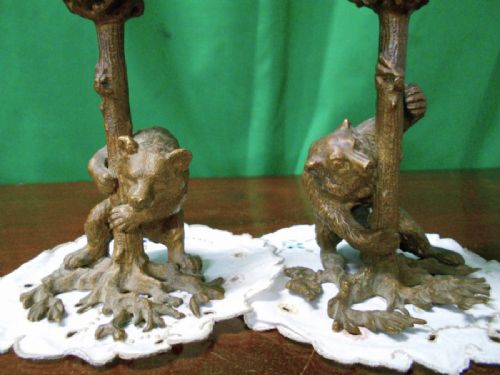
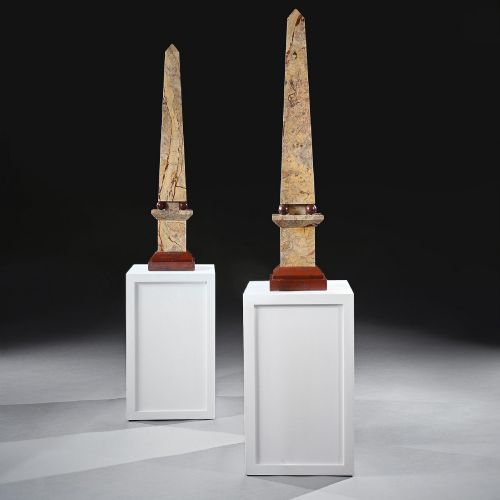
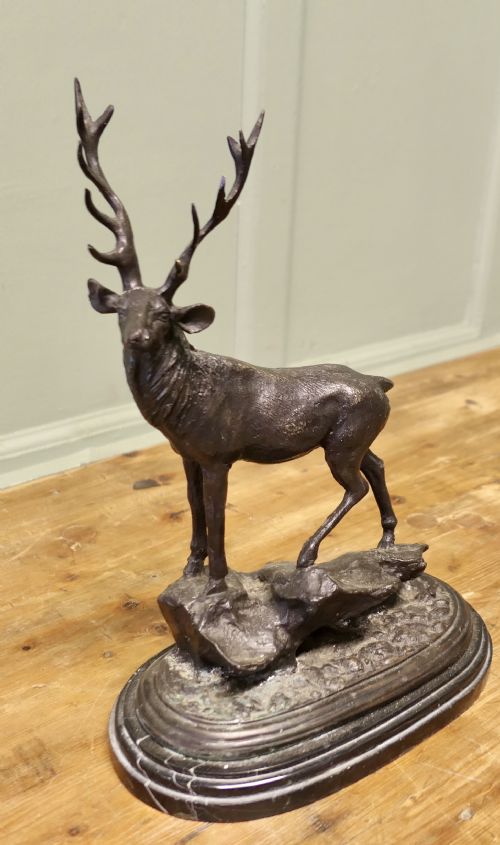
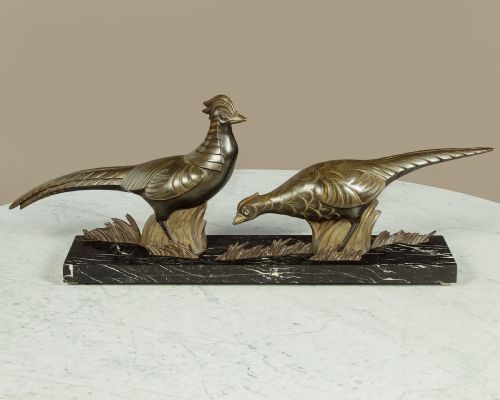
Among the menagerie of metal beasts, attentive squirrels and golden pheasants keep eternal watch beside neoclassical obelisks.
Distinctions in quality and execution
The refinement of the chiselling and chasing work after casting separates superior bronze figures from standard production pieces. Master founders ensured that fine details such as musculature, facial expressions, and textile textures remained sharp without relying on heavy post-casting filing.
The selection of the base material and the harmony between the sculpture and its plinth indicate the original maker's intent and expenditure. High-grade works display integrated patination, stable mounting, and signatures or foundry cachets that confirm authentic period production rather than later reproduction.
Josef Lorenzl·Émile Louis Picault·Emile Carlier·John Willis Good
The Antique Mantel Sculptures Glossary
- Animalier
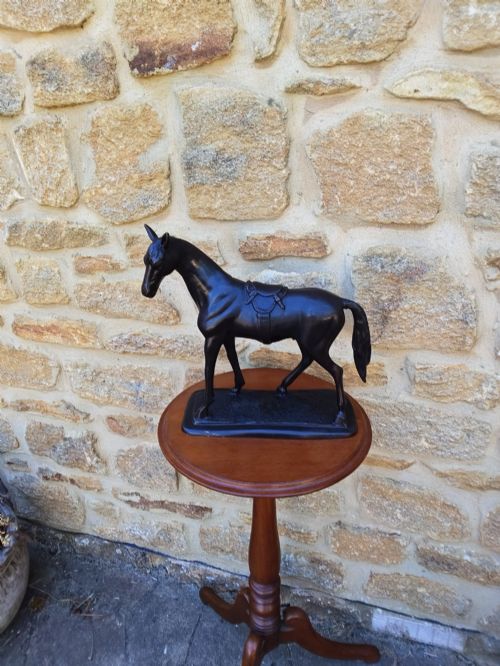
- A 19th-century art movement and genre dedicated to the realistic portrayal of animals, particularly predators, horses and hounds. Sculptors in this tradition studied anatomy extensively at zoological gardens.
- Ormolu
- Gilt bronze produced by applying a finely ground high-carat gold-mercury amalgam to a bronze object, then heating it to drive off the mercury. This technique creates a rich, durable golden surface seen on decorative mounts and clock elements.
- Spelter
- A zinc alloy used as a less expensive substitute for bronze, particularly during the late 19th and early 20th centuries. It accepts patination and metallic paint finishes well, often mimicking heavier metals.
- Lost-wax casting
- A metal-casting process in which a molten metal is poured into a mould that has been created by means of a wax model. Once the mould is filled, the wax is melted away, allowing for intricate undercuts and fine detail.
- Patina
- The surface coloration and sheen acquired by materials through age, handling, or chemical treatment by the maker. In bronzes, a controlled chemical patina protects the metal and defines the visual depth of the sculpture.
Antique Mantel Sculptures: Frequently Asked Questions
How do I clean an antique bronze sculpture?
Dust the surface regularly with a soft, dry brush to prevent particulate buildup in recessed areas. Avoid water, soap, or chemical polishes, as these substances can strip the original historical patina.
Apply a very light coat of microcrystalline wax occasionally if the metal appears dry, buffing it gently with a clean cloth. This creates a barrier against atmospheric moisture without altering the underlying finish.
Were these sculptures originally made for mantelpieces?
Many sculptures, particularly obelisks, clock garnitures, and pairs of figures, were specifically proportioned for the narrow depth of 19th-century fireplace surrounds. Others originated as cabinet bronzes or desk ornaments before finding a home on mantel ledges.
Makers frequently paired metal figures with marble bases to ensure they remained stable on shallow surfaces. Collectors should check the footprint dimensions to confirm the piece sits securely without overhang.
How can I tell bronze from spelter?
Bronze is significantly heavier, colder to the touch, and yields a resonant sound when lightly tapped. Spelter is softer, lighter, and tends to show a dull thud rather than a ring.
Examining the underside or areas of wear often reveals a silvery-grey metal beneath the painted surface of spelter. Bronze typically shows a warm golden-brown or dark reddish tone under any surface abrasion.
What does an Animalier signature indicate?
An artist's signature on an animal sculpture confirms the design origin, though many 19th-century works were cast in multiple editions by commercial foundries. Signatures often appear cast directly into the bronze base or inscribed near the animal's feet.
Foundry marks alongside the signature help establish the production period and quality tier. Unsigned pieces of high technical merit remain common, reflecting the large output of period workshops.