



Antique Lustre Porcelain
Antique lustre porcelain brings radiant metallic sheens and rich enamel scenes to collectors, spanning the Victorian period through to the Art Deco era.
Antique Lustre Porcelain
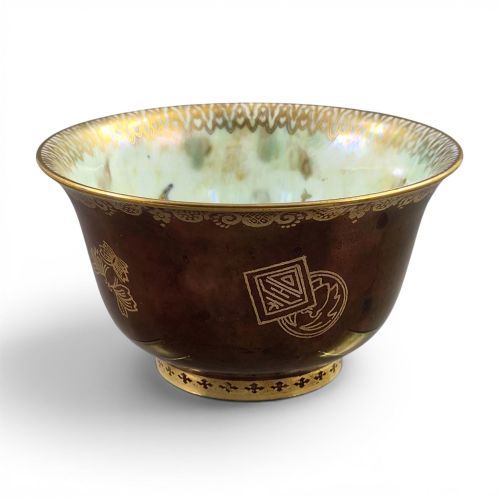
When you search for antique lustre porcelain, you encounter decorative vessels, bowls, and vases finished with a metallic glaze that catches the light. The items found here predominantly date from the nineteenth century into the 1920s, capturing Victorian, Edwardian, and Art Deco aesthetics.
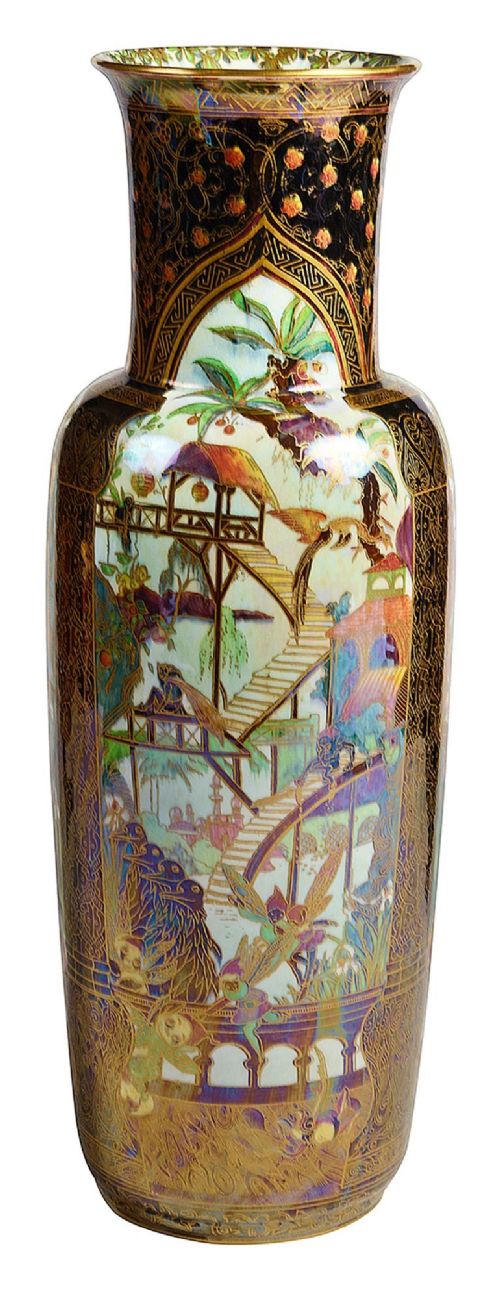
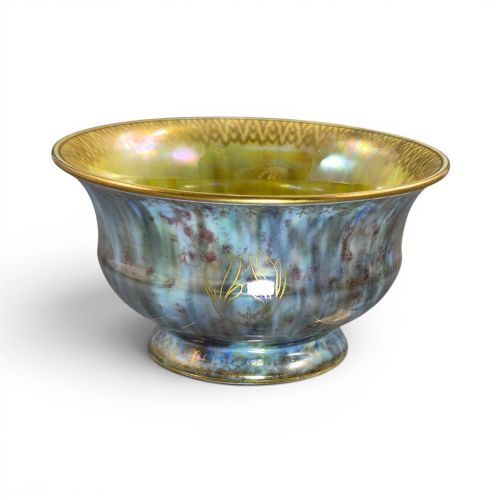
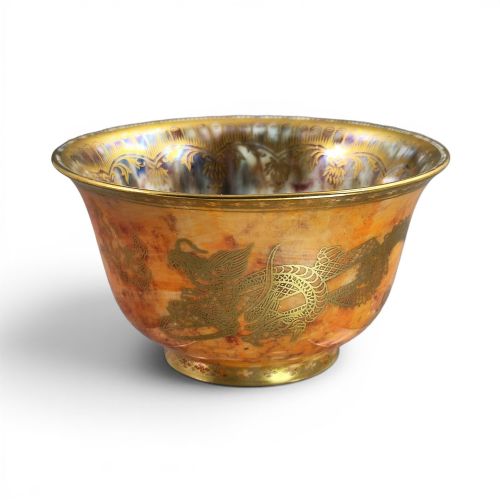
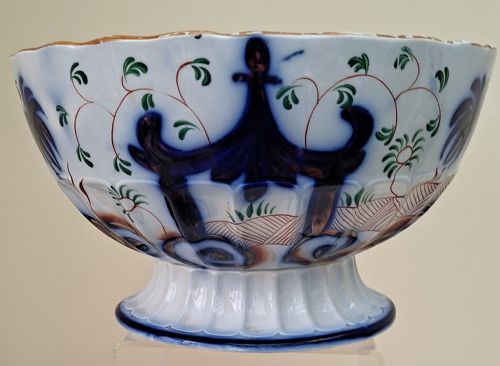
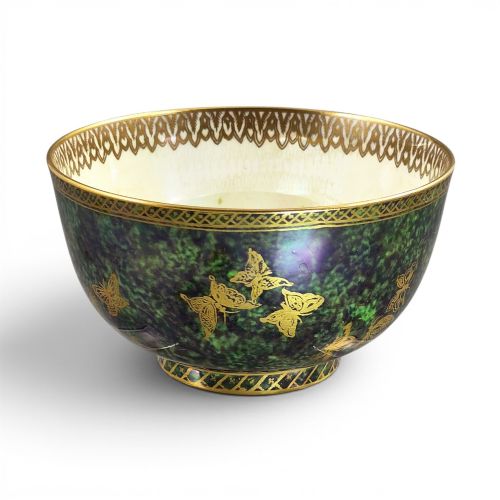
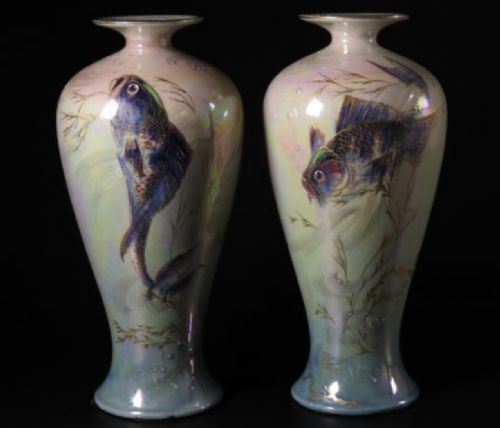
You meet distinctive forms including footed bowls, baluster vases, and jugs decorated with motifs of dragons, butterflies, and intricate geometric patterns. Many pieces combine traditional porcelain or earthenware bodies with imaginative imagery developed during the early twentieth century.
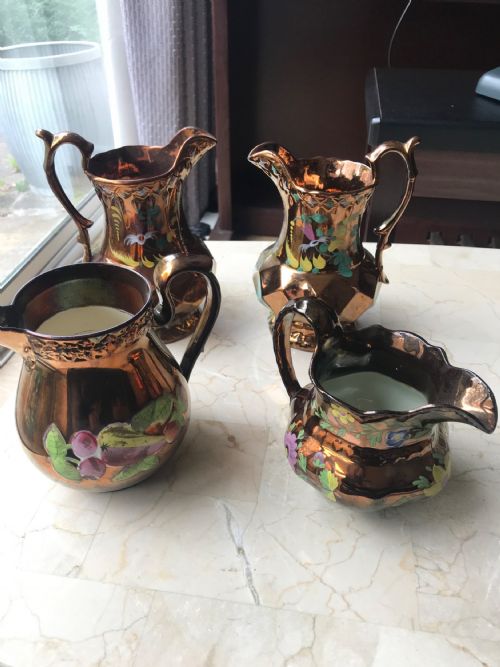
The selection ranges from Staffordshire copper jugs to elaborate Wedgwood Fairyland designs created by notable designers. These objects served primarily as decorative display items rather than utilitarian tableware.
Materials and Methods
Potters applied metallic salt solutions over a fired glaze and subjected the ceramic body to a secondary, reduced-oxygen kiln firing. This chemical reduction left a thin, iridescent film of metal on the surface, creating the characteristic shimmer.
Makers integrated hand-painted enamels and gold leaf details over the lustre glaze to build complex pictorial scenes. The underlying ceramic body utilises porcelain, bone china, or fine earthenware depending on the factory and period.
Antique Lustre Porcelain Retail Price Guide 2026
Typical asking prices for lustre porcelain among the pieces listed under this phrase on Sellingantiques today, from the lower quarter to the upper quarter. They describe what is for sale here now, not the wider market.
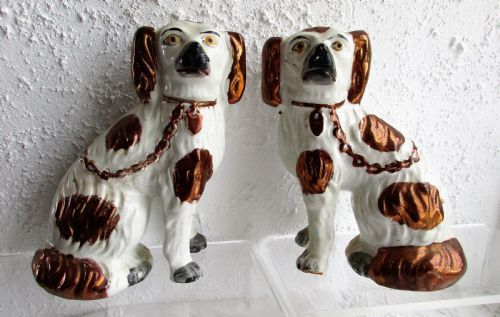
Several ceramic comforter spaniels patiently keep watch over the collection, refusing to bark at passing dragons.
Judging Quality
Quality rests upon the complexity of the imagery and the precision of the enamel work applied over the metallic sheen. Pieces featuring dense pictorial narratives or imaginative creatures demand greater technical skill from the painter.
The depth and uniformity of the iridescence across complex vessel shapes also distinguish finer items. Successful firing of multiple metallic tones and gold leaf requires precise kiln temperature control.
Wedgwood·Minton·Shelley
The Antique Lustre Porcelain Glossary
- Lustre Glaze
- A ceramic finish containing metallic elements that produce an iridescent, reflective surface when fired in a reduced-oxygen kiln. This technique creates the signature metallic sheen associated with these wares.
- Fairyland Lustre
- A specific line of fantastical decorative wares developed in the early twentieth century featuring goblins, dragons, and mystic landscapes. These intricate designs often incorporate heavy gilding and multiple enamel colours.
- Baluster Vase
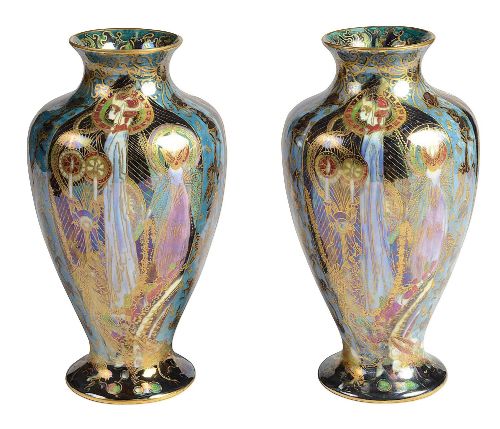
- A tall vessel characterised by a rounded body that tapers toward the base and flares at the neck. This silhouette provides a large surface area for displaying pictorial lustre decoration.
- Gaudy Welsh
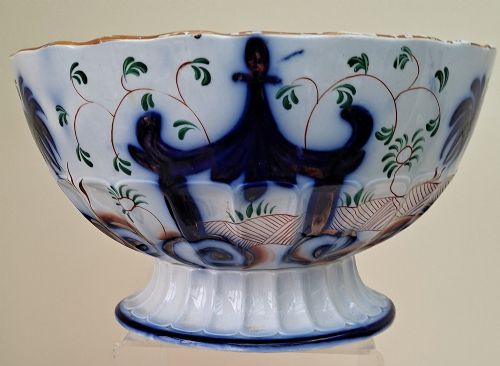
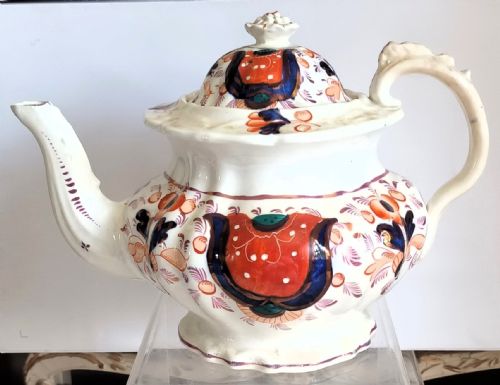
- A style of colourful, hand-decorated pottery produced in the nineteenth century featuring cobalt blue, iron-red, and copper lustre accents. The patterns typically adapt traditional Imari designs.
- Earthenware
- A porous, opaque ceramic body fired at lower temperatures than porcelain. It requires a complete glaze layer to achieve impermeability before receiving surface decoration.
Antique Lustre Porcelain: Frequently Asked Questions
What is Fairyland Lustre?
Fairyland Lustre is an imaginative range of decorative ceramics introduced in the early twentieth century, best known for whimsical motifs like dragons and floating fairies.
These pieces required multiple firings to fix the complex enamel colours and gold leaf layers onto the iridescent background.
Are these pieces safe for food use?
Antique lustre wares were created strictly for decorative display rather than daily dining or food service.
Many nineteenth and early twentieth-century glazes contain metallic residues that make them unsuitable for holding food or beverages.
How can I date my lustre vase?
Examine the base for factory backstamps, registration marks, and pattern numbers which often correspond to specific manufacturing decades.
Stylistic cues such as the transition from Victorian floral patterns to Art Deco geometric forms also help narrow down the production era.