
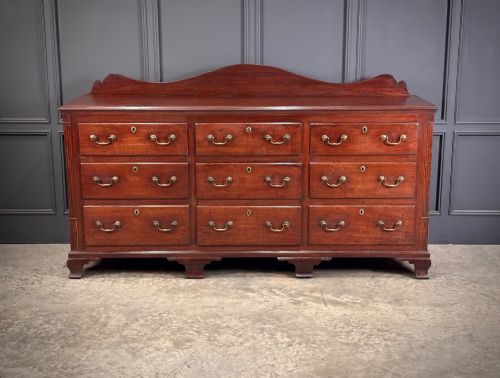
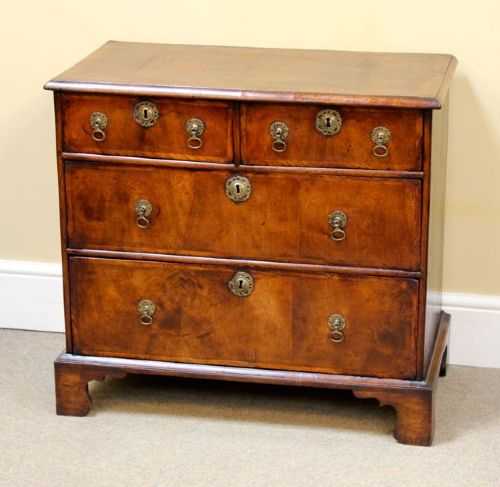
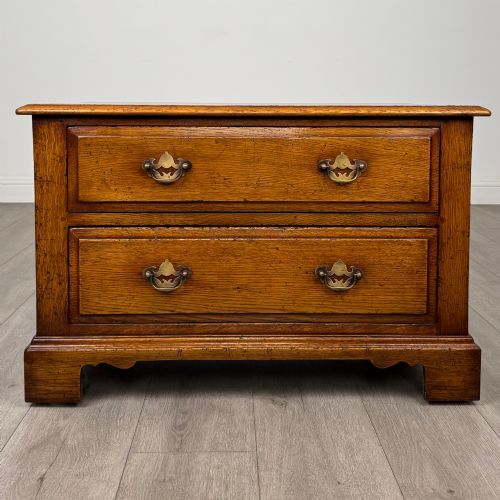
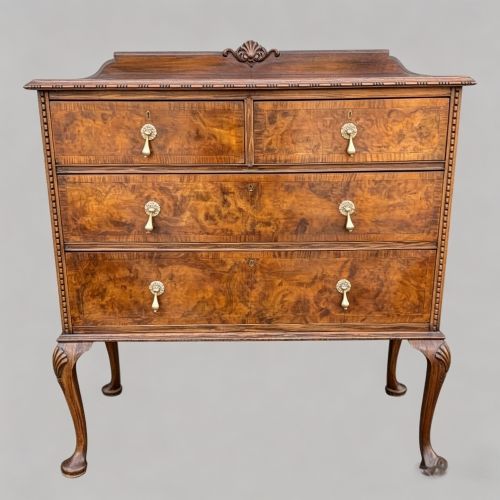


Antique Lowboy Cabinet
An antique lowboy cabinet offers compact storage with distinct historical character, bringing timeless craftsmanship and rich timber grain to any interior.
Antique Lowboy Cabinet
An antique lowboy cabinet represents a versatile form of domestic furniture that bridges the gap between side tables and small chests. When searching for an antique lowboy cabinet, buyers encounter various historical iterations ranging from early eighteenth-century oak examples to later revival pieces.
The selection encompasses forms such as lowboys with drawers, dressing tables, and compact side cabinets. These pieces originate from distinct periods including the Georgian era, the nineteenth century, and subsequent twentieth-century revival movements.
Most examples rely on traditional timber construction, often standing on characteristic cabriole legs or short upright supports. They serve practical functions in hallways, bedrooms, and living spaces while displaying period woodworking methods.
Materials and construction methods
Cabinet makers utilised dense domestic and imported hardwoods such as oak, mahogany, and walnut to build these pieces. Walnut veneers and burr walnut figured prominently in decorative surfaces, often enhanced by feather banding and brass hardware.
Joinery techniques involved traditional drawer construction and stable framing designed to support daily use over centuries. Timber selection dictated the visual weight and grain pattern of each finished article.
Several pieces feature clever feather banding that looks remarkably like tiny wooden feathers marching around the drawer edges.
Distinguishing quality across examples
Quality depends heavily on the choice of timber figure, particularly the richness of walnut veneers or the depth of oak grain. Superior examples exhibit precise feather banding and well-proportioned cabriole legs that balance the body correctly.
The integrity of the original hardware, drawer linings, and structural joints determines the standing of a piece within its period. Finer workmanship shows in crisp moulding details and smooth drawer operation without excessive timber shrinkage.
The Antique Lowboy Cabinet Glossary
- Lowboy
- A small table with one or more rows of drawers, commonly standing on four legs.
- Cabriole leg
- A furniture leg that bends outward in a convex curve and tapers inward to a foot.
- Feather banding
- Narrow decorative inlay strips arranged in a herringbone pattern around drawer edges.
- Burr walnut
- Wood taken from a walnut tree growth, yielding complex and highly decorative swirling grain patterns.
- Dresser base
- The lower section of a kitchen or dining storage unit, often fitted with drawers and cupboards.
Antique Lowboy Cabinet: Frequently Asked Questions
What is an antique lowboy cabinet used for?
These pieces serve primarily as compact storage units and display surfaces within domestic interiors. Their low profile makes them suitable for hallways, living rooms, and bedrooms.
Historically, similar tables functioned as dressing tables or writing desks, while modern owners utilise them for surface display and concealed drawer storage.
How do I identify a Georgian lowboy?
Georgian examples typically feature solid oak or walnut construction with hand-cut drawer dovetails and period brass pull handles. Proportions tend to be modest, resting on pad or cabriole feet.
Examining the secondary timbers inside the drawers helps confirm the period of manufacture, alongside traditional peg joinery and timber ageing.
What is the difference between oak and walnut models?
Oak examples generally display a straight, pronounced grain and a robust, utilitarian build associated with earlier country houses. Walnut versions often incorporate decorative veneers and finer detailing suited to formal reception rooms.
While oak prioritises structural durability, walnut focuses on decorative surface presentation through figured grain and inlay work.
Where should I place a lowboy in my home?
A lowboy fits well in entrance halls as a surface for keys and small items, or beneath a mirror in a bedroom. Its shallow depth prevents it from blocking walkways in narrower rooms.
Placing the piece away from direct heat sources protects the timber and veneer surfaces from drying out and splitting over time.