
Antique Low Side Table
An antique low side table brings centuries of fitted proportion and timber texture directly to a room, offering low-level surface space with historical weight.
Antique Low Side Table
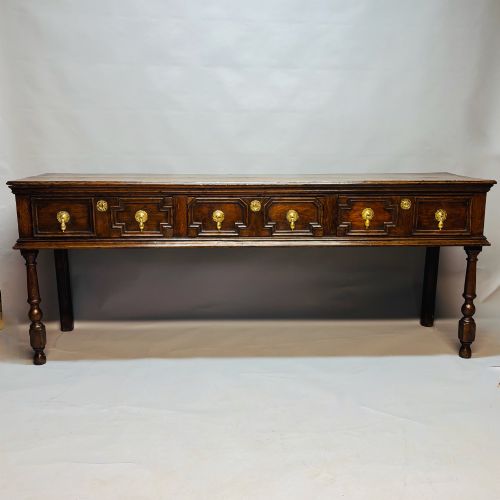
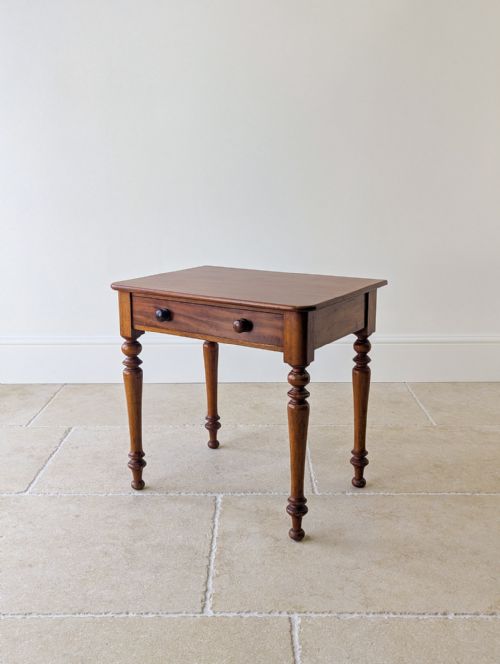
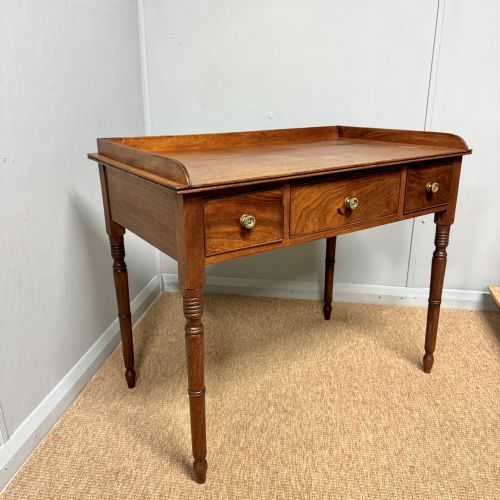
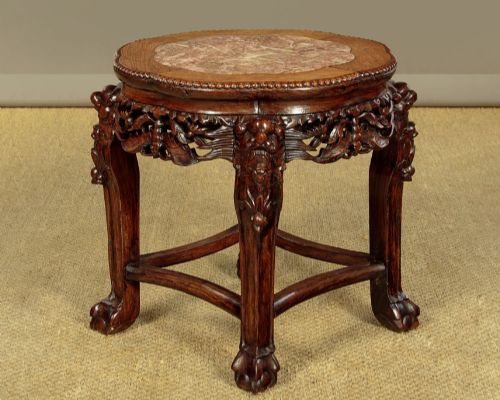
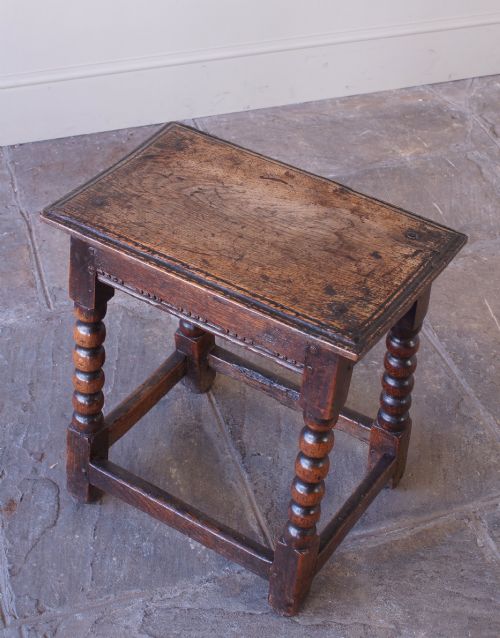
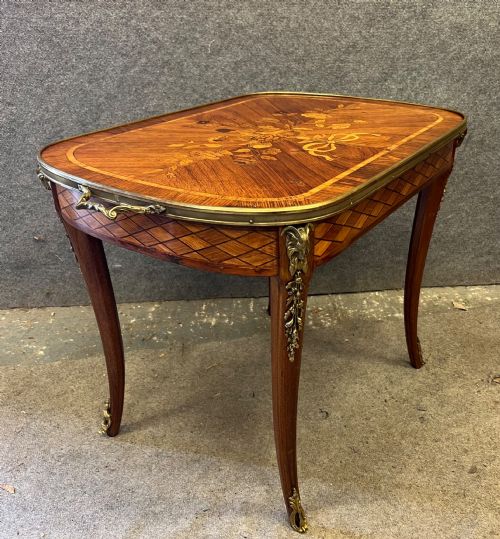
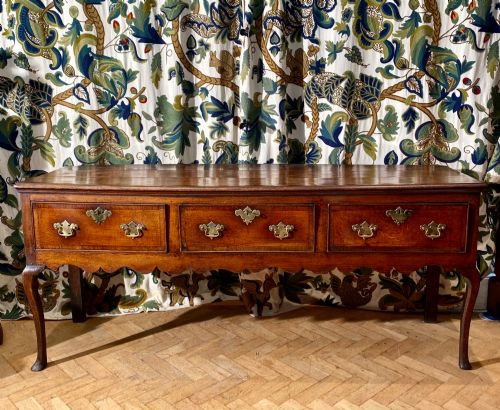
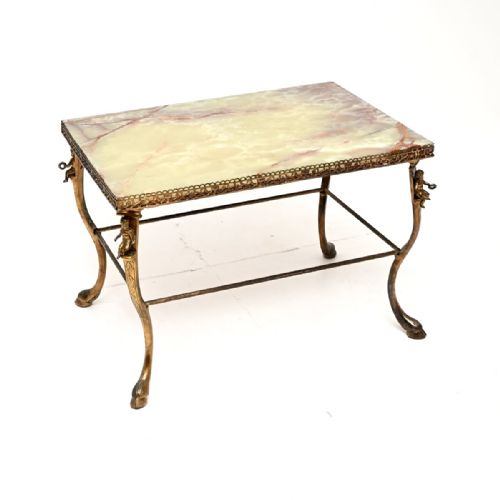
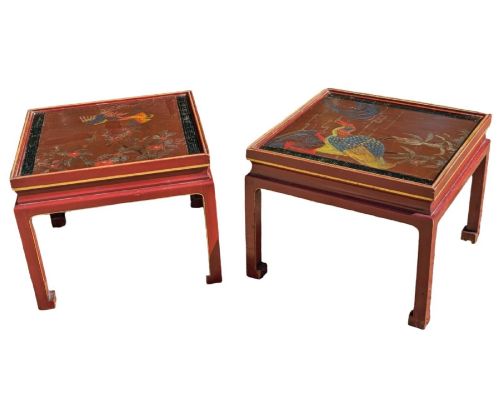
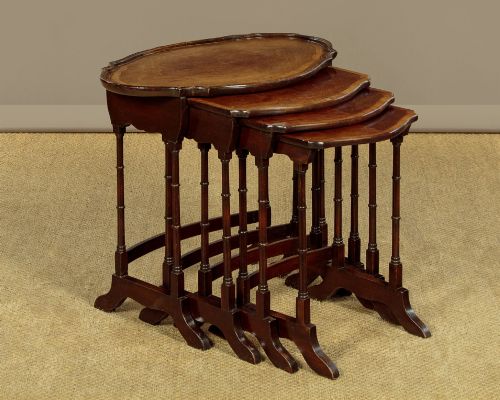
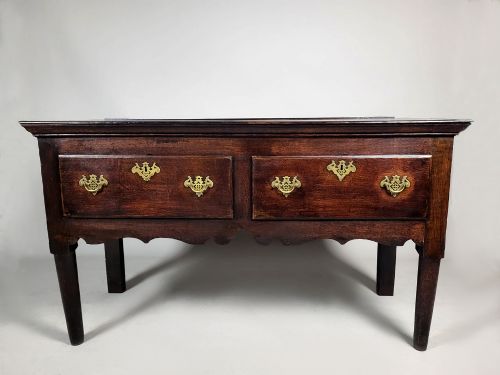
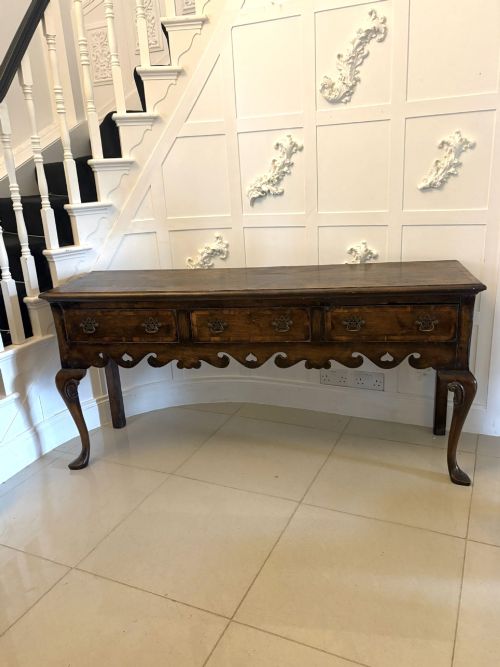
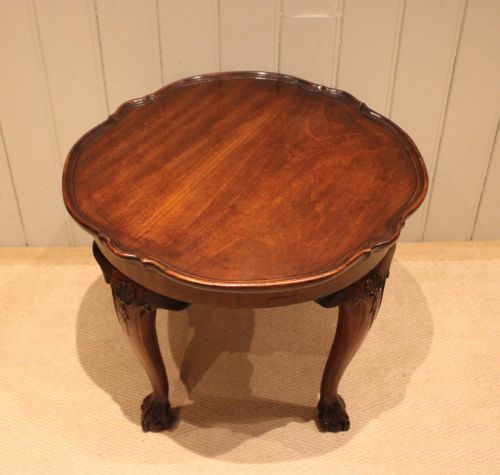
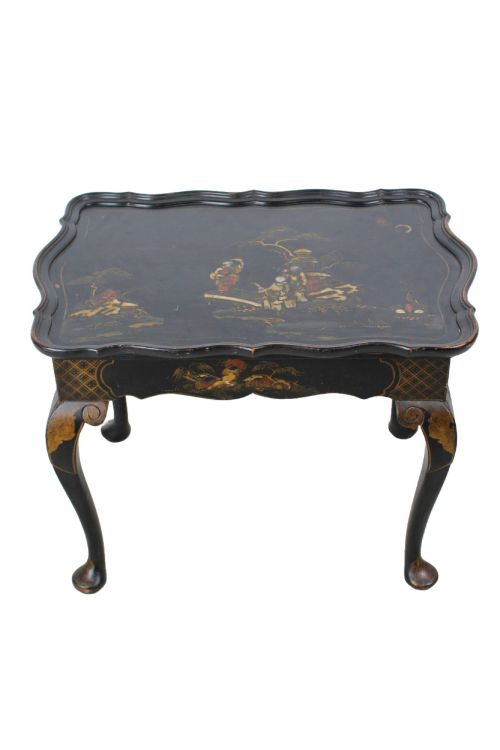
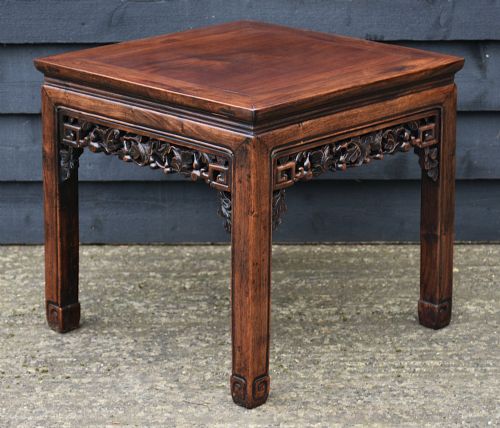
When searching for an antique low side table, buyers encounter a diverse grouping spanning the seventeenth to the twentieth centuries, with Georgian lowboys and oak dresser bases forming a significant portion of the early examples. These low-slung surfaces include vernacular stools, coffee tables, tray-top designs, and occasional tables originating from English, French, Chinese, and Anglo-Indian workshops.
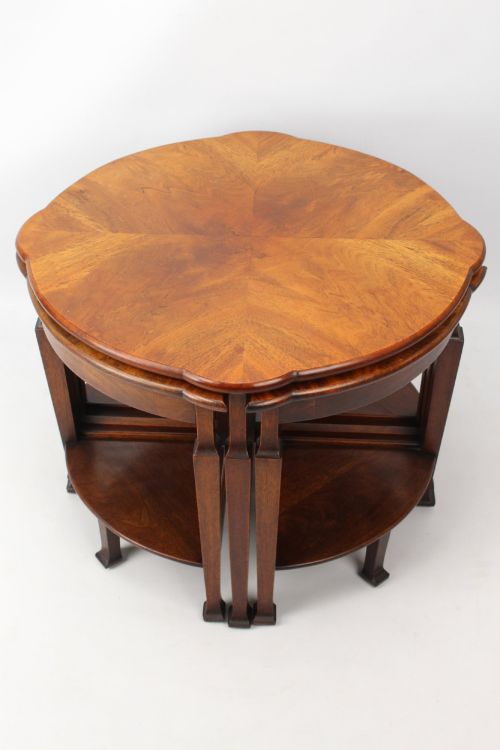
The materials shift from heavy native timbers like oak and ash in earlier periods to imported luxuries such as mahogany, walnut, burr walnut, and rosewood by the nineteenth and twentieth centuries. Form follows function across these pieces, ranging from the drawer-fitted writing lowboy to open plant stands and modern Art Deco tiered coffee tables.
Materials and construction methods
Cabinetmakers relied on solid native hardwoods such as oak, ash, and sycamore for early vernacular pieces, often employing jointed construction and pegged framing to ensure stability without metal fasteners. As styles evolved toward the Georgian and Victorian eras, mahogany and walnut became dominant, frequently enhanced with cross-banding, veneers, and inlay.
Makers utilised specialised techniques like burr walnut scaling and ormolu mounts on later French and English pieces, while Asian export workshops utilised dense rosewood, hardwood, and marble inserts. Joinery methods varied from hand-cut dovetails on drawers to turned legs and cabriole supports shaped with dedicated chisels and saws.
Some tables retain hidden compartments or surprising twelve-sided geometry, proving that historic craftsmen enjoyed confusing guests just as much as we do.
Distinguishing quality across periods
The distinction between standard utility items and superior examples rests on the selection of timber figures, such as highly patterned burr walnut or deeply grained oak, paired with restrained proportion. Finer pieces demonstrate precision in their hand-cut joinery, crisp carving along aprons, and the retention of original brass hardware or maker stamps.
Provincial pieces often display simpler vernacular charm with mixed woods like sycamore and ash, whereas formal urban commissions from makers like Gillows show refined proportions and sophisticated secondary woods. The integrity of the surface finish and the harmonious ageing of the timber further separate workshop standards.
Gillows·Betty Joel·Waring & Gillows
The Antique Low Side Table Glossary
- Lowboy
- A small eighteenth-century dressing or side table, typically featuring one or more drawers beneath a rectangular top and supported on slender cabriole or straight legs.
- Joint stool
- A sturdy wooden seat or stand constructed with mortise and tenon joints, common in the seventeenth and eighteenth centuries before evolving into auxiliary display surfaces.
- Cross-banding
- A decorative border technique where strips of veneer are applied to the edges of a table top so the grain runs perpendicular to the main surface.
- Vernacular
- An architectural and furniture term describing pieces built by local regional craftsmen using accessible native materials rather than adhering to formal metropolitan high-style designs.
- Ormolu
- Gilded bronze mounts applied as decorative ornaments to French and English furniture, particularly popular on nineteenth-century and Art Deco luxury tables.
Antique Low Side Table: Frequently Asked Questions
What is a lowboy table used for?
Historically utilised as a compact dressing table or writing desk, a lowboy served functional domestic roles in bedrooms and hallways due to its modest height and drawer storage.
Today, buyers repurpose these pieces as low side tables, lamp stands, or hall furniture where depth is limited.
How do I date an oak low side table?
Dating relies on examining construction marks, timber selection, and hardware styles, with seventeenth-century pieces showing heavy pegged joinery and hand-riven oak.
Later eighteenth and nineteenth-century iterations incorporate machine-sawn elements, mahogany or walnut veneers, and machine-cut dovetails inside drawers.
Are Art Deco coffee tables considered antiques?
Art Deco pieces dating from the 1920s and 1930s occupy the boundary between vintage and antique, utilising distinct modern forms like tiered walnut and burr maple.
They share marketplace categories with older Georgian and Victorian low tables while reflecting the streamlined aesthetic of the interwar period.
Can I use a joint stool as a side table?
Joint stools originally served as seating or small stands, possessing flat wooden tops that easily accommodate drinks, books, or lamps.
Their robust seventeenth-century and eighteenth-century oak construction makes them durable low surfaces for modern living spaces.