

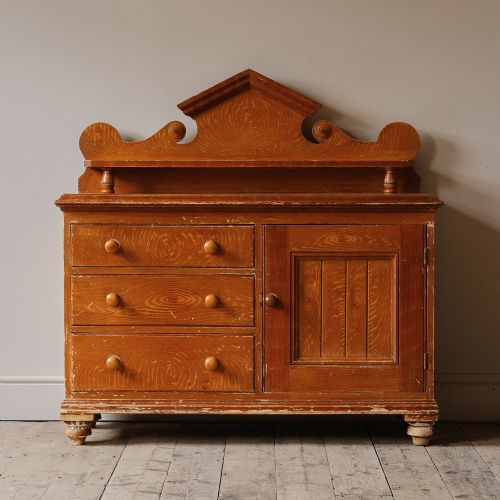
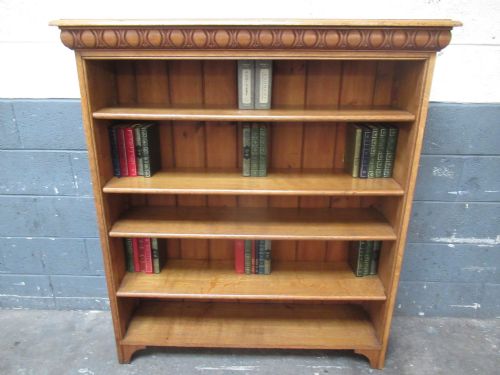
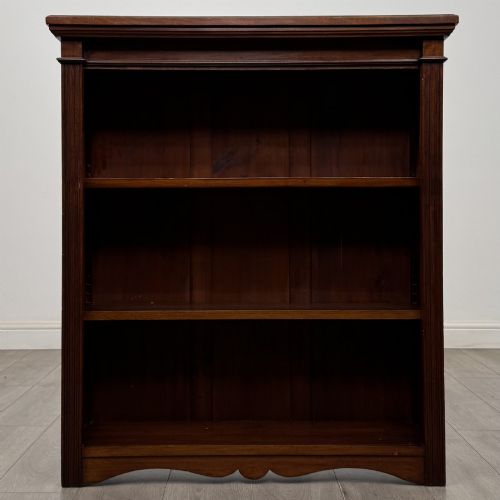
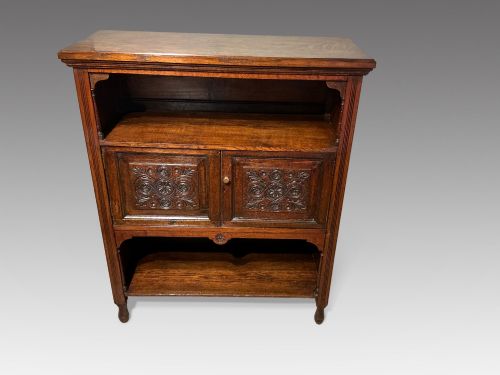
Antique Low Cabinet
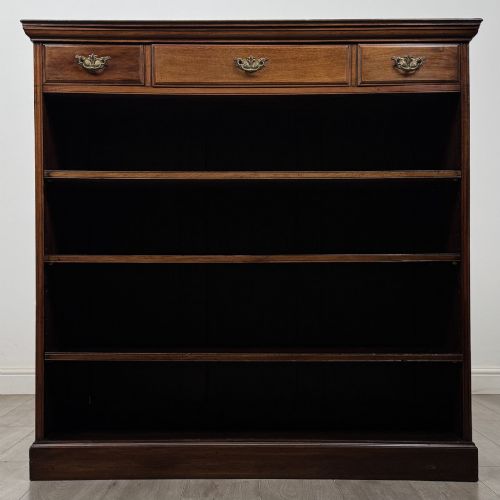
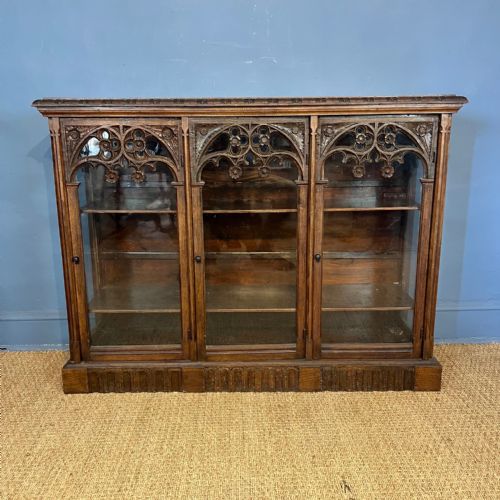
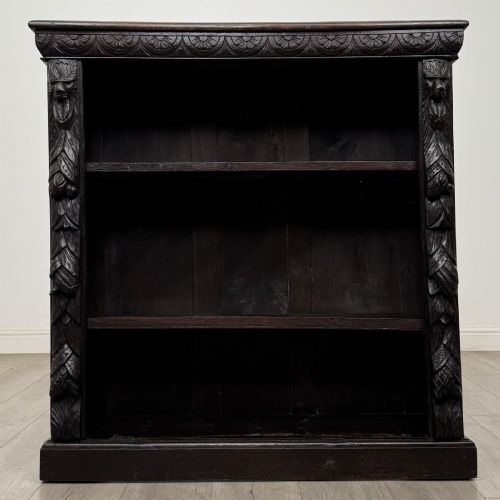
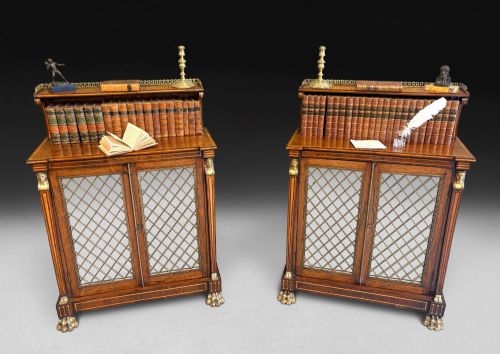
An antique low cabinet brings compact storage and rich timber grain to a room, ranging from Georgian presses to Edwardian bookcases.
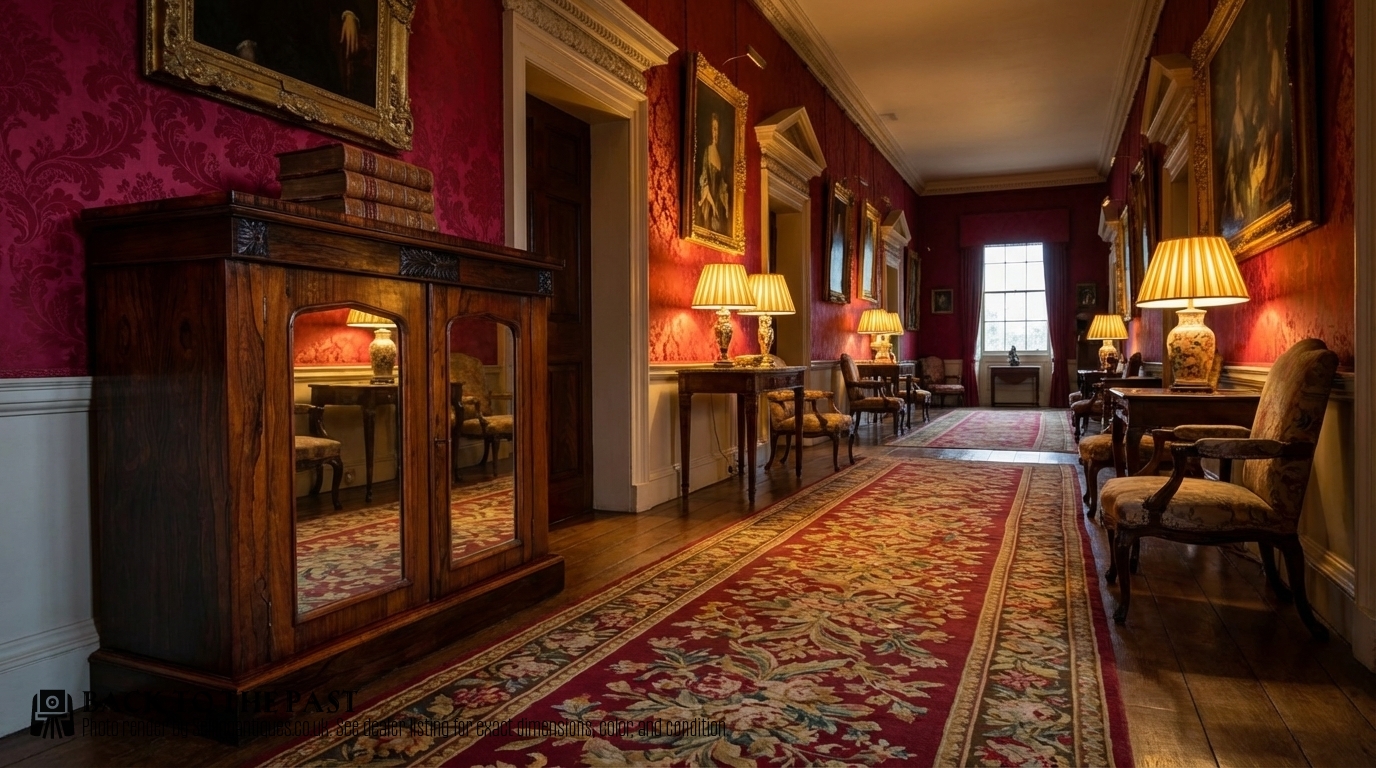
Antique Low Cabinet
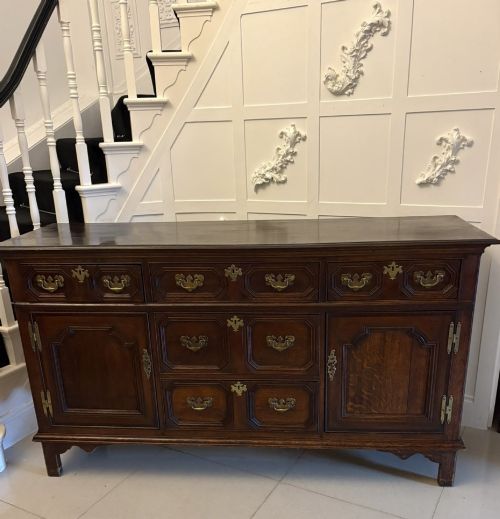
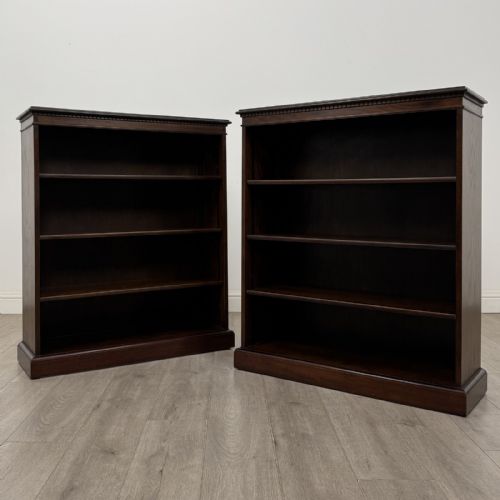
An antique low cabinet encompasses versatile furniture built below standard eye level, spanning sideboards, cupboards, open bookcases, and chiffoniers. A buyer searching for this phrase encounters low proportions designed to sit comfortably beneath windows or display decorative objects on top.
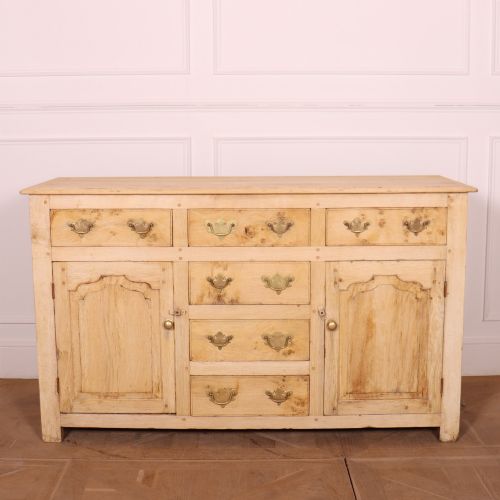
The pieces on this page originate predominantly from the nineteenth and early twentieth centuries, covering Victorian, Edwardian, and Regency eras. Oak, mahogany, and walnut dominate the forms, reflecting the enduring utility of sturdy domestic timber.
Lower formats often double as serving surfaces or compact libraries, merging cupboard storage with display space. These items served dining rooms, bedrooms, and parlours where height was restricted or surface area took priority over vertical shelving.
Materials and construction methods
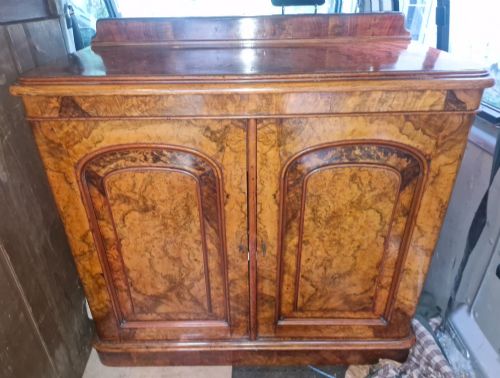
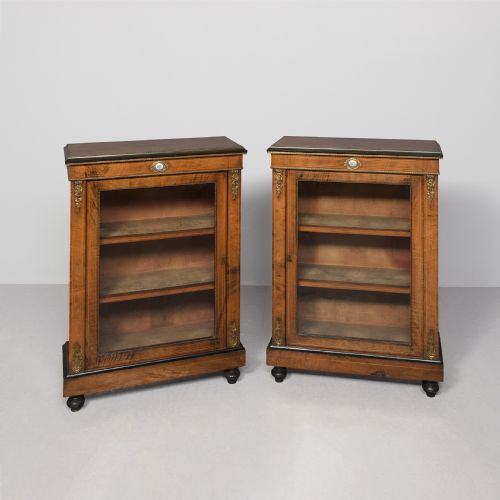
Cabinetmakers relied on dense native and imported timbers, employing solid mahogany, oak, and walnut for structural integrity and longevity. Finer examples utilise burr walnut, rosewood, and pollard oak veneers applied to secondary carcase woods to create striking grain patterns.
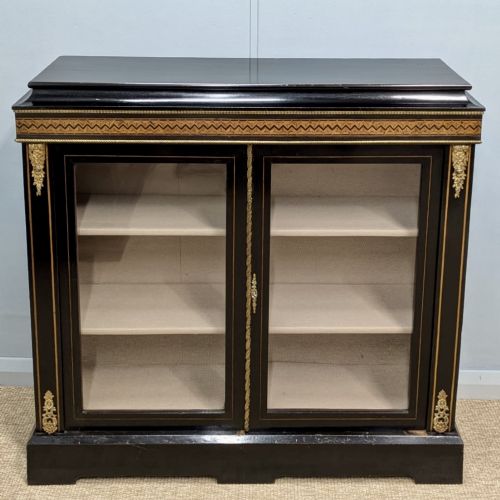
Joinery involved traditional techniques such as dovetailing for drawer construction and mortise and tenon joints for frames. Brass mounts, glass panel doors, and inlaid details in ebony or boxwood added decorative contrast to the timber surfaces.
Antique Low Cabinet Retail Price Guide 2026
Typical asking prices for low cabinet among the pieces listed under this phrase on Sellingantiques today, from the lower quarter to the upper quarter. They describe what is for sale here now, not the wider market.
Assessing quality and craftsmanship
The hierarchy of these pieces rests on the choice of timber and the precision of decorative execution. Superior examples display carefully matched veneers, intricate marquetry, or fine ormolu mounts rather than plain, utilitarian construction.
Makers known for exceptional joinery, such as Gillow and Co or Johnstone and Jeanes, command attention through structural refinement and thoughtful proportions. Secondary woods, drawer linings, and the crispness of carved mouldings further separate standard workshop production from master cabinetmaking.
Gillow and Co·Johnstone and Jeanes·Waring and Gillow
The Antique Low Cabinet Glossary
- Chiffonier
- A low sideboard or cabinet featuring a combination of enclosed lower cupboards and upper shelving or drawers. This form gained popularity during the Regency and Victorian periods for entertaining and storage.
- Breakfront
- A piece of furniture where the central section projects forward from the flanking wings. This architectural arrangement creates depth and shadow across large bookcases and sideboards.
- Marquetry
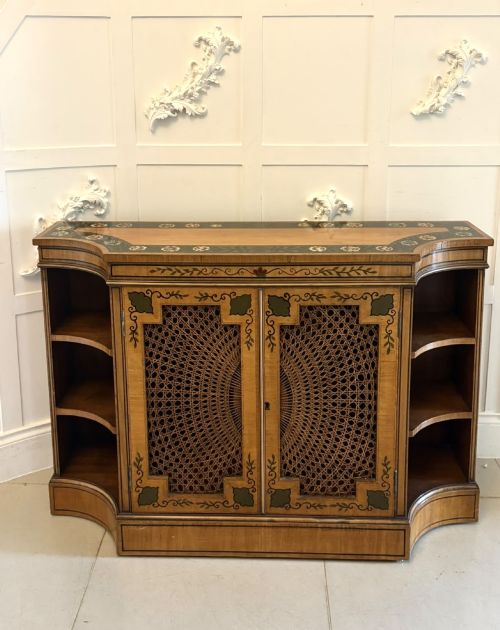
- The art of applying decorative pieces of veneer to a structural surface to form intricate pictures or geometric patterns. Makers utilised contrasting woods like satinwood, kingwood, and walnut to achieve pictorial depth.
- Linen press
- A tall or low cupboard originally designed to store folded household linens on sliding trays. Many low versions transition into general storage or wardrobes over time.
- Ormolu
- Gilt bronze mounts applied to furniture as decorative hardware and corner accents. This French technique highlights the luxury of mid-nineteenth-century cabinet work.
Antique Low Cabinet: Frequently Asked Questions
Where should I place a low cabinet?
These pieces suit living rooms, hallways, and dining spaces where standard tall furniture overwhelms the room. Their reduced height allows artwork or mirrors to hang comfortably above them.
They also function effectively beneath windows or as low room dividers in open-plan spaces, providing accessible surface space without blocking natural light.
How do I identify a Regency piece?
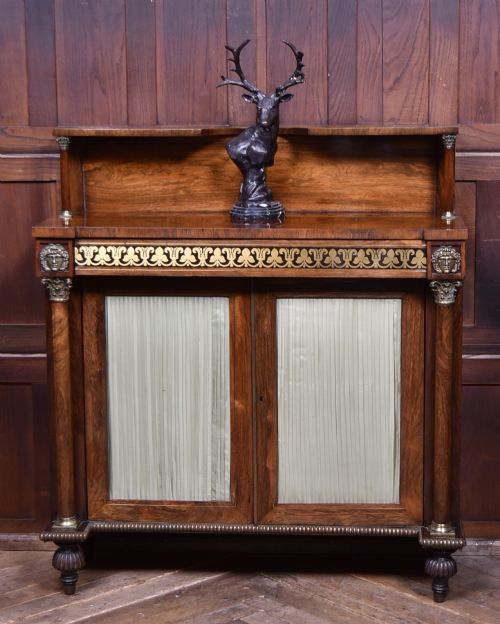
Regency items typically display classical restraint, clean architectural lines, and dark timbers like mahogany or rosewood. Look for brass inlay, ebony stringing, and restrained classical mounts that reflect early nineteenth-century taste.
Proportions remain balanced and geometric, often drawing inspiration from ancient Greek and Roman furniture forms.
Can I use an antique cabinet for modern storage?
Solid timber construction and adjustable shelving in many open bookcases make these cabinets well suited for contemporary book collections and media storage. Cupboard interiors accommodate modern electronics or dinnerware easily.
Their sturdy antique frames offer durable daily utility while adding historical character to a modern interior.