



Antique Lounge Ottoman
These antique lounge ottoman pieces offer period comfort and practical seating, bringing traditional craft and classic textile work straight into a modern interior.
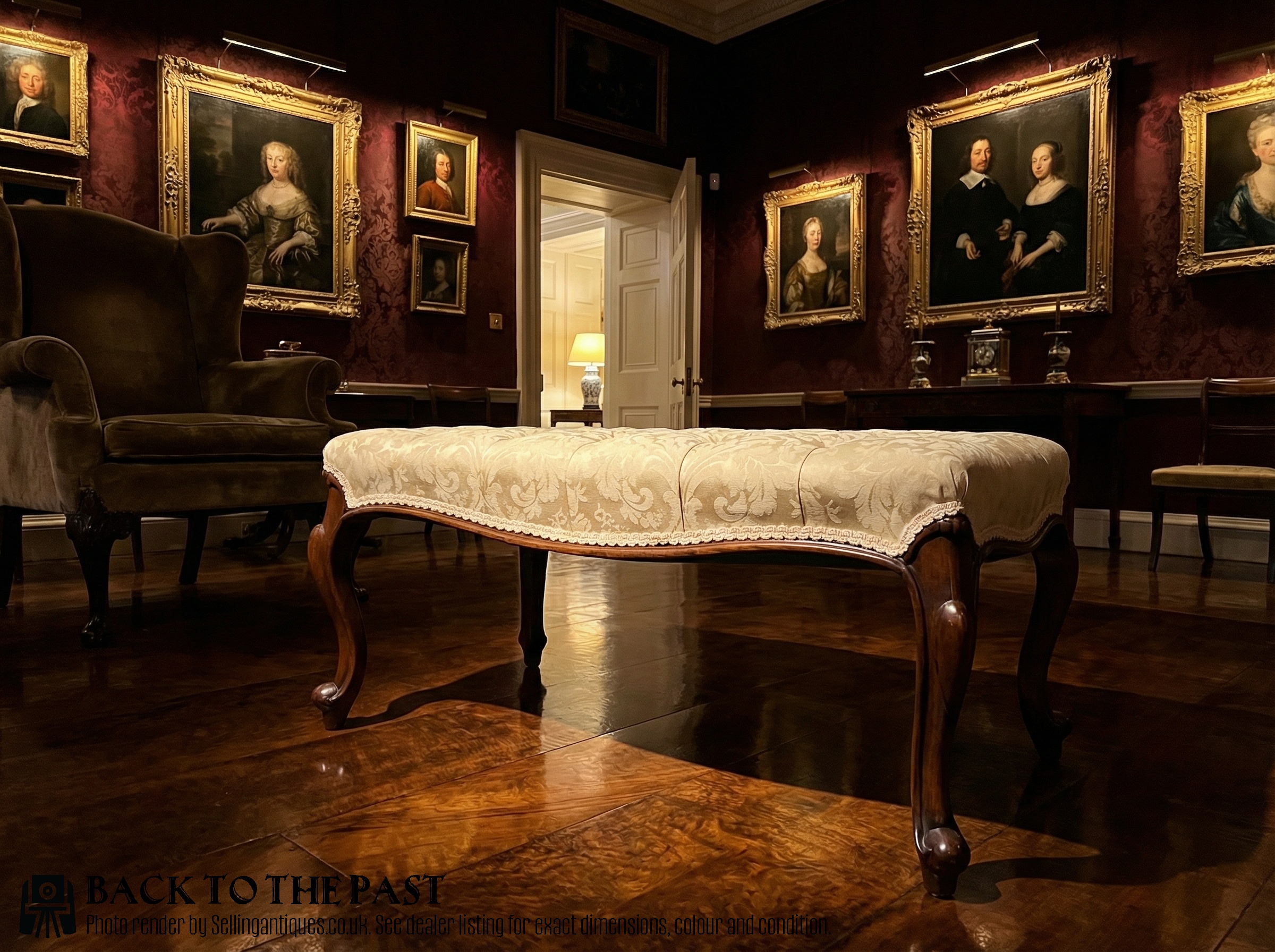
Antique Lounge Ottoman
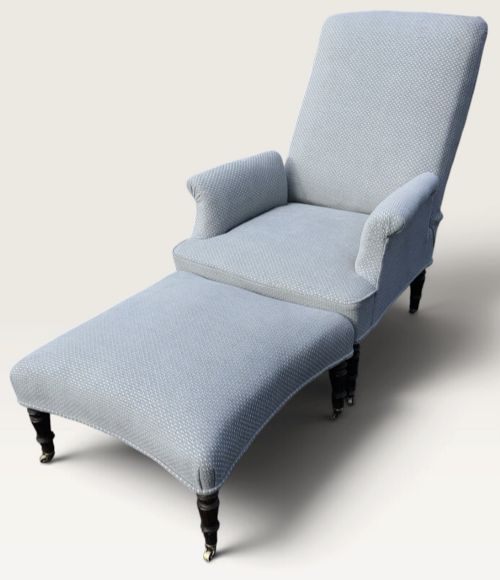
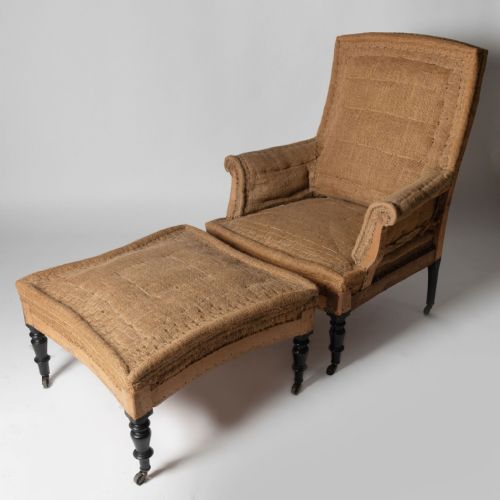
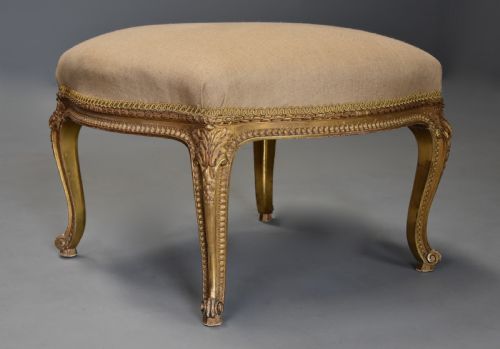
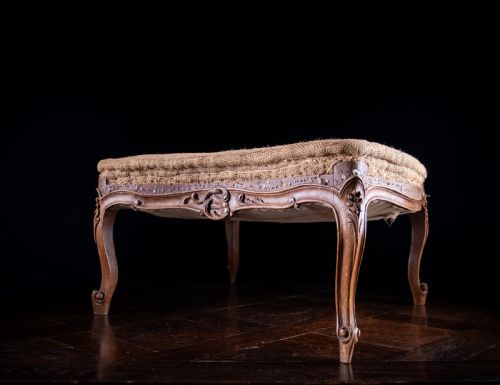
An antique lounge ottoman covers a range of traditional seating and resting forms, including footstools, daybeds, window seats, and chaise longues. These pieces serve as functional footrests or standalone lounge seats designed for relaxation.
The selections available here span the Victorian era and the early twentieth century, incorporating English and French regional designs. Buyers frequently encounter buttoned upholstery, carved wooden frames, and matching armchair sets.
Makers historically produced these furnishings to complement formal drawing rooms, boudoirs, and fireside settings. Their diverse configurations mean they function equally well as low seating or as supportive rests paired with armchairs.
Materials and construction methods
Makers constructed the structural frames of these pieces using solid hardwoods such as walnut, mahogany, beech, and giltwood. Carvers shaped these timbers by hand into ornate stylistic flourishes reflecting Louis XV and Louis XVI revivals.
Upholstery techniques combined traditional stuffing with quality textiles including velvet, damask, leather, and fabric. Brass details and button-backed cushioning appear frequently to secure the padding and enhance the decorative finish.
Antique Lounge Ottoman Retail Price Guide 2026
Typical asking prices for lounge ottoman among the pieces listed under this phrase on Sellingantiques today, from the lower quarter to the upper quarter. They describe what is for sale here now, not the wider market.
Footstools built with hidden interior compartments let nineteenth-century readers tuck away their books out of sight.
Assessing quality in lounge ottomans
Quality in these pieces rests heavily on the depth and crispness of the timber carving and the integrity of the frame. Heavier hardwoods and detailed hand-carved ornamentation distinguish finer pieces from simpler utilitarian seating.
The standard of the upholstery work and textile selection dictates the finish of the piece. Retaining period-appropriate fabrics and skilled buttoning demonstrates superior craftsmanship.
The Antique Lounge Ottoman Glossary
- Duchesse brisee
- A multi-piece lounge chair and ottoman combination designed to let the sitter recline fully. This French form separates into distinct seating and footrest components.
- Chaise longue
- An elongated upholstered chair intended for reclining, often featuring a single raised end. It combines the functions of a chair and a daybed.
- Giltwood
- Timber treated with a thin layer of gold leaf applied to the carved surface. This finish appears frequently on decorative French revival frames.
- Damask
- A reversible figured fabric woven on a jacquard loom with patterns visible on both sides. It provides a textured and durable textile finish for period upholstery.
- Buttoned back
- An upholstery technique where buttons are pulled deep into the padding to create a diamond pattern. This method secures the internal stuffing while adding visual depth.
Antique Lounge Ottoman: Frequently Asked Questions
How were antique ottomans used historically?
These pieces served multiple functions in nineteenth-century homes, acting as moveable footrests, fireside seats, and auxiliary resting places in bedrooms and drawing rooms. Wealthy households utilised matching daybeds and duchesse brisee sets for daytime lounging.
Over time, their roles shifted depending on the room context, moving from formal entertaining spaces to private quarters. Their adaptable proportions made them suitable for sitting, reclining, and supporting tired feet.
What periods do these pieces come from?
The listings predominantly feature items originating from the nineteenth century, including specific pieces from the Victorian era and the decades around nineteen hundred. French and English workshops dominated production during these periods.
Stylistic markers help identify the era, ranging from heavy Victorian walnut construction to lighter French Rococo and neoclassical revival designs. Each period brought distinct carving styles and upholstery choices.
How do I match an ottoman with existing chairs?
Pairing an antique ottoman with an existing armchair involves looking at the wood tone, height, and overall stylistic period. Matching timber finishes, such as walnut or mahogany, creates a cohesive look.
Alternatively, pairing contrasting fabric textures like velvet or damask against simpler wood frames adds visual interest. Proportions matter most when pairing items for daily comfort and visual balance.
Can I use these pieces in a modern room?
These furnishings integrate well into contemporary interiors by adding texture, history, and functional low seating. A carved footstool or daybed anchors a modern living space with traditional craftsmanship.
Their compact footprints allow them to fit easily beside contemporary sofas or act as standalone accent pieces. Mixing period textiles with modern decor creates a layered and personal interior style.