
Antique Log Holder
An antique log holder brings warmth and industrial integrity to a hearth through heavy metals and seasoned timbers.
Antique Log Holder
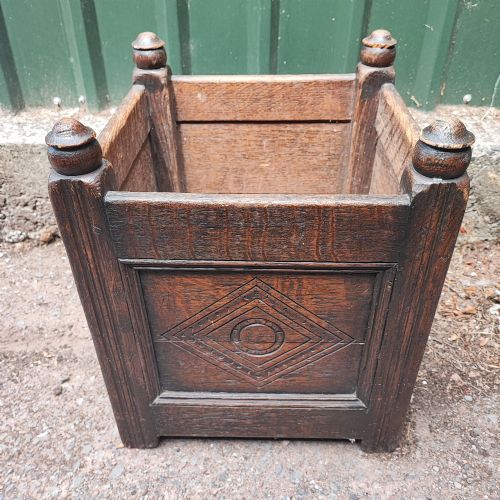
An antique log holder serves to store and present firewood beside an open hearth using robust vessels shaped from metal and timber. These pieces range from heavy metal bins to coopered wooden boxes designed for daily domestic utility.
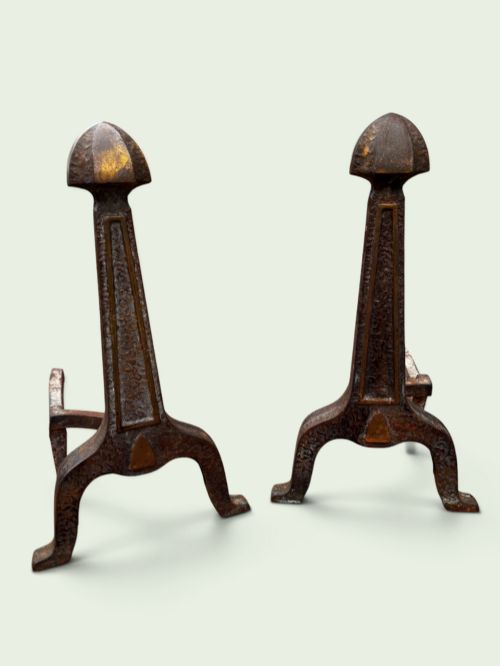
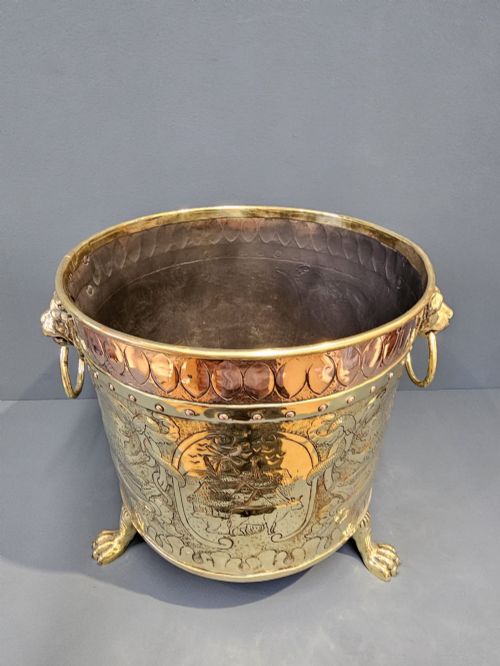
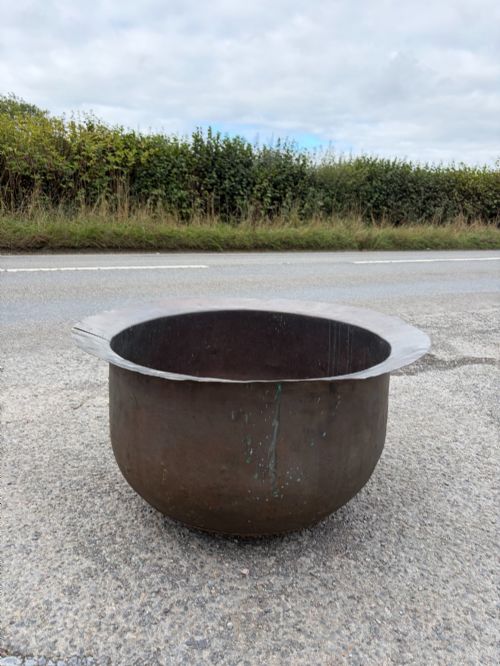
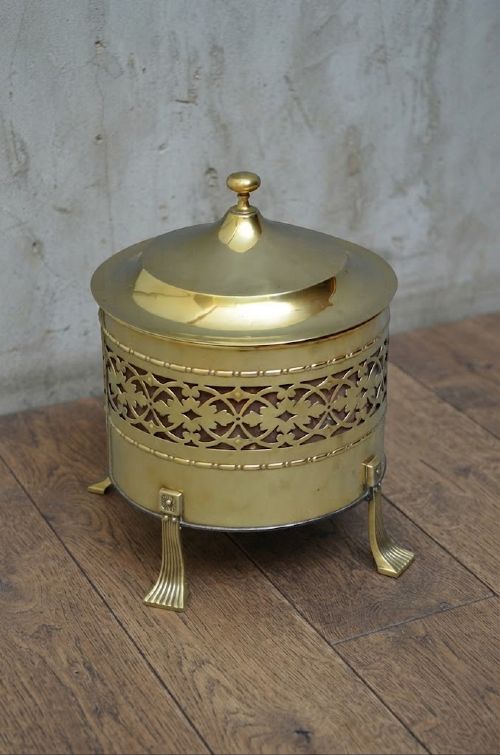
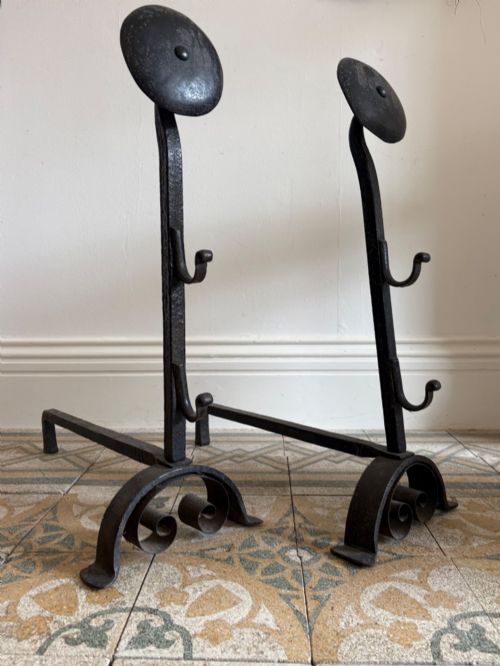
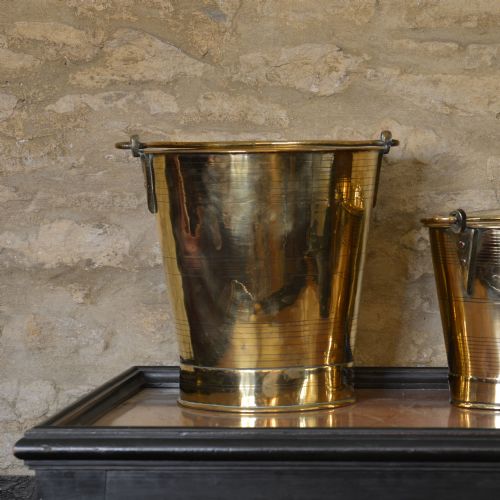
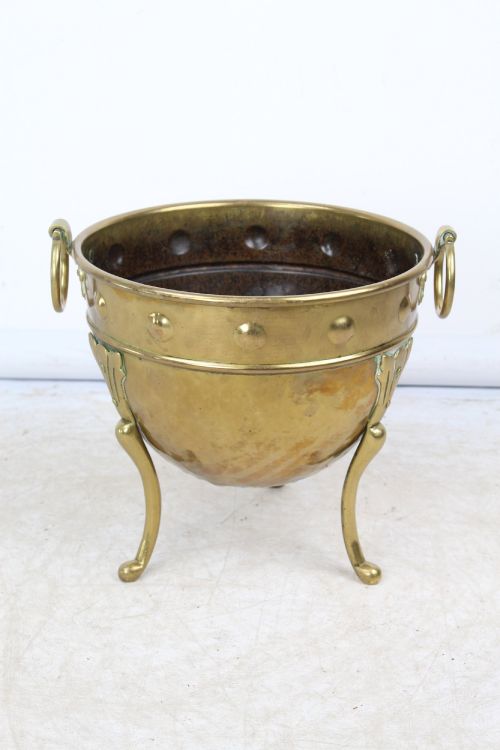
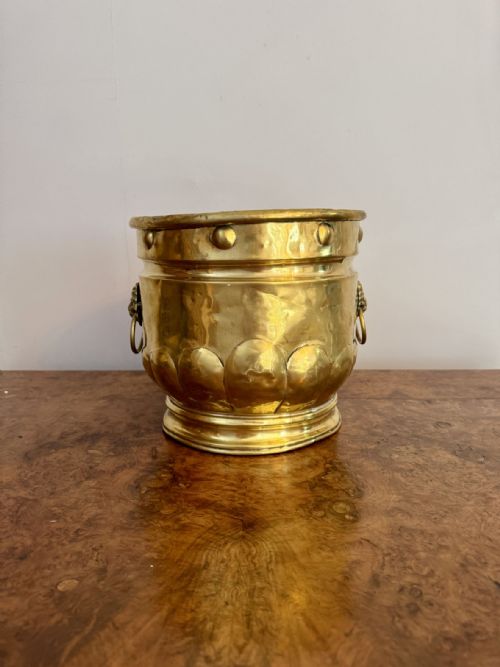
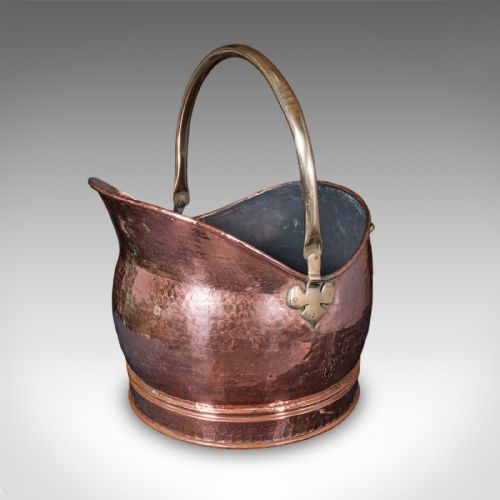
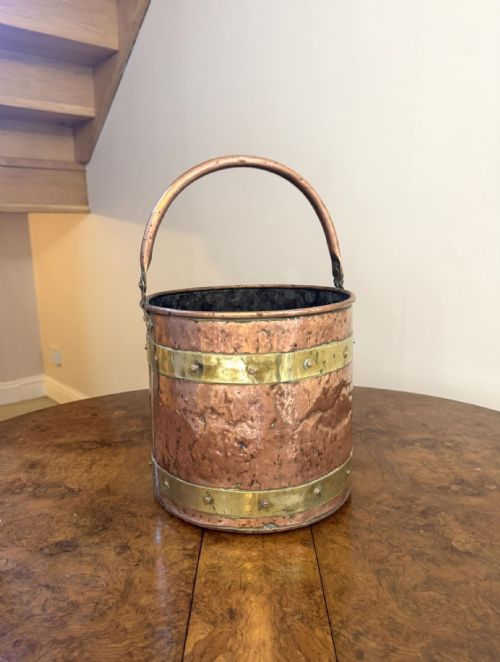
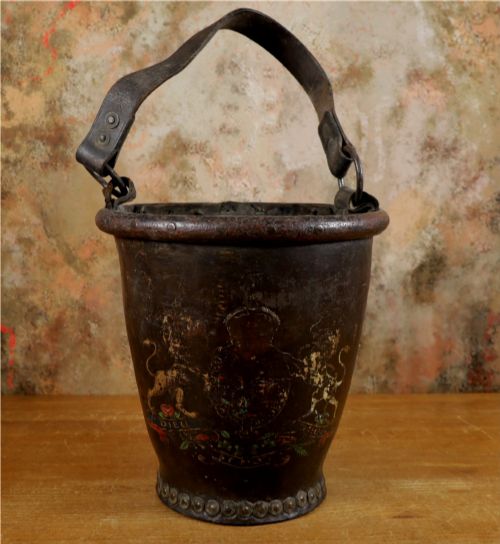
The versions most common on this page are Victorian and Edwardian brass or copper buckets, alongside wrought iron fire dogs and oak log boxes dating back through the nineteenth century. Makers also adapted utilitarian objects such as grain measures and camp vessels for hearthside use.
Originating primarily from British workshops, alongside occasional French and Scandinavian examples, these items combine practical storage with decorative metalwork and rich patination.
Materials and Construction
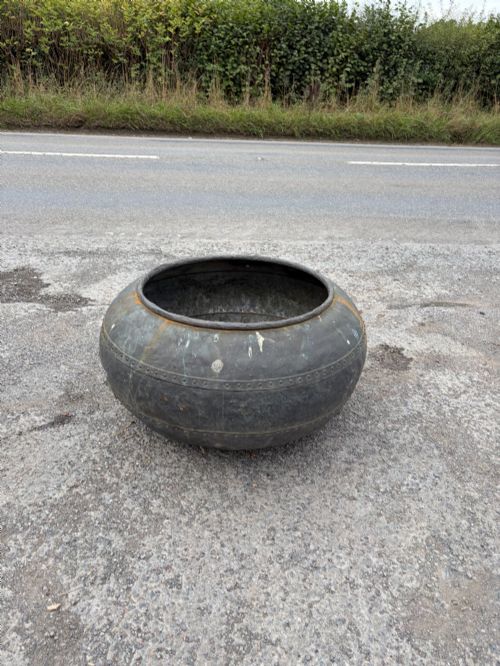
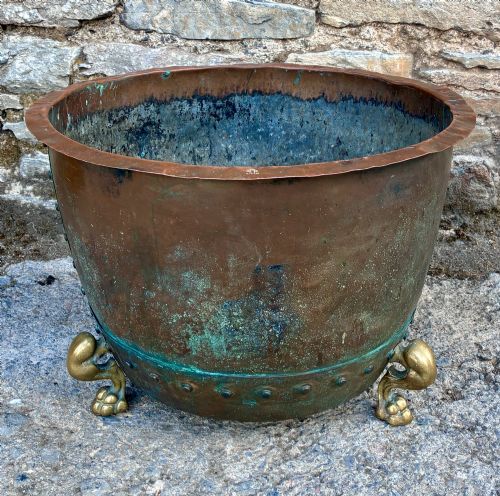
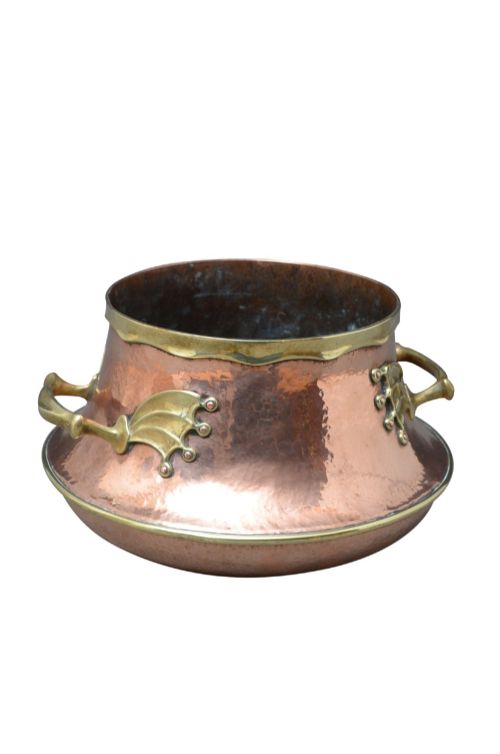
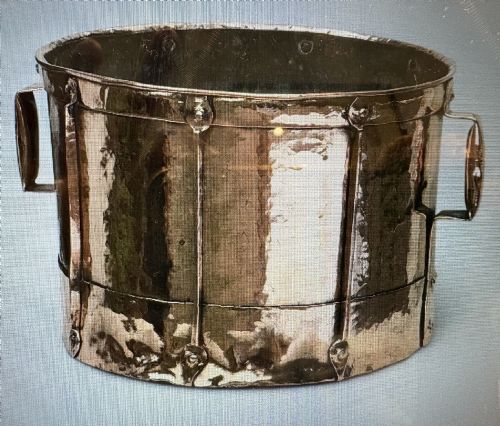
Craftsmen shaped these holders using sheet copper and brass, frequently joining the seams with visible hand-beaten rivets or reinforcing them with iron bands. Handles and feet often consist of wrought iron or cast brass, secured firmly to bear the heavy weight of timber.
Wooden examples utilise traditional cooperage techniques, binding staves of oak or pine with metal hoops to create sturdy cylindrical bins. Artisans also employed hand-hammering, embossing, and fretwork to decorate the metal surfaces of planters and coal buckets.
Some nineteenth-century hearth vessels started life as French grain measures or champagne baskets before retiring by the fire.
Measures of Quality
Quality rests in the weight of the metal and the integrity of the construction, where thicker gauge copper and solid brass retain their structural form under heavy loads of wood. Superior pieces display crisp hand-hammering, clean riveting, and well-fitted iron frames rather than thin, pliable sheeting.
The depth of the natural patina and the presence of original fixings, such as wrought iron swing handles and brass lion paw feet, separate ordinary domestic containers from finer decorative works.
Henry Loveridge
The Antique Log Holder Glossary
- Andirons
- Horizontal metal bars supported by legs, placed in a hearth to raise firewood for better air circulation. They often feature decorative vertical fronts.
- Coopered
- Constructed from curved wooden staves bound together with metal hoops, traditionally used for barrels and heavy buckets.
- Jardiniere
- An ornamental pot or receptacle designed to hold plants, frequently repurposed as a fireside log or coal bin.
- Fretwork
- Ornamental design created by cutting intricate patterns through metal or wood, commonly seen on Edwardian brass galleries.
- Riveted
- Joined securely using metal pins hammered flat at the ends, visible along the seams of copper and brass vessels.
Antique Log Holder: Frequently Asked Questions
What is an antique log holder used for?
These vessels store firewood and kindling neatly beside an open fireplace, keeping fuel dry and accessible.
They also serve a decorative purpose, bringing period character and texture to a living room hearth.
How do I clean brass and copper?
Gentle dusting with a dry cloth maintains the surface without stripping away the aged patina that collectors value.
Avoid harsh chemical metal polishes unless a bright reflective finish is specifically desired.
Can I use an old planter for logs?
Many brass and copper vessels originally made as jardiniers or grain measures adapt well to holding logs.
Check the interior for water tightness or rust before loading heavy timber inside.
What is the difference between iron and brass holders?
Wrought iron and cast iron provide heavy structural frames and andirons designed to withstand intense heat directly.
Brass and copper bins offer enclosed storage with polished reflective surfaces focused on appearance.